

Making tea in an electric kettle is not only possible but also convenient and efficient. With the right technique and kettle type, you can brew everything from delicate green tea to robust black blends—without compromising flavor or safety.
Key Takeaways
- Yes, you can make tea in an electric kettle—many modern models are designed specifically for brewing tea, not just boiling water.
- Use temperature-controlled kettles for optimal results, as different teas require specific water temperatures to avoid bitterness or weak flavor.
- Avoid direct brewing in basic kettles—unless your kettle has a built-in infuser, steep tea in a separate cup or teapot after heating water.
- Clean your kettle regularly to prevent mineral buildup and lingering flavors that can affect taste.
- Choose the right tea type—loose-leaf teas work best with infusers, while tea bags are more convenient for quick brews.
- Safety first—never overfill your kettle or leave it unattended while heating to prevent accidents.
- Electric kettles save time and energy compared to stovetop methods, making them ideal for daily tea lovers.
📑 Table of Contents
- Can We Make Tea in Electric Kettle? The Short Answer
- How Electric Kettles Work and Why They’re Great for Tea
- Types of Electric Kettles: Which Are Best for Tea?
- Step-by-Step Guide: How to Make Tea in an Electric Kettle
- Which Teas Work Best in an Electric Kettle?
- Safety Tips and Common Mistakes to Avoid
- Cleaning and Maintaining Your Electric Kettle for Tea
- Conclusion: Yes, You Can—and Should—Make Tea in an Electric Kettle
Can We Make Tea in Electric Kettle? The Short Answer
If you’ve ever stood in your kitchen, kettle whistling on the stove, wondering if there’s a faster way to brew your morning cup, you’re not alone. Enter the electric kettle—a sleek, modern appliance that heats water in minutes. But here’s the real question: Can we make tea in an electric kettle? The answer is a resounding yes—but with some important caveats.
Electric kettles are primarily designed to boil water quickly and efficiently. However, many newer models come with features that make them excellent tools for brewing tea directly. From built-in infusers to precise temperature controls, today’s electric kettles are more versatile than ever. Whether you’re a fan of Earl Grey, jasmine green tea, or spiced chai, you can absolutely use your electric kettle to make a delicious cup—just not always in the way you might expect.
In this guide, we’ll explore how to make tea in an electric kettle safely and effectively, what types of kettles work best, and how to avoid common mistakes. Whether you’re a tea newbie or a seasoned sipper, you’ll learn how to get the most flavor and convenience from your electric kettle.
How Electric Kettles Work and Why They’re Great for Tea
Before diving into tea-making techniques, it helps to understand how electric kettles function. Unlike stovetop kettles, which rely on direct heat from a burner, electric kettles use an internal heating element—usually concealed beneath the water chamber—to rapidly heat water. Most models automatically shut off once the water reaches boiling point (around 212°F or 100°C), which makes them safer and more energy-efficient.
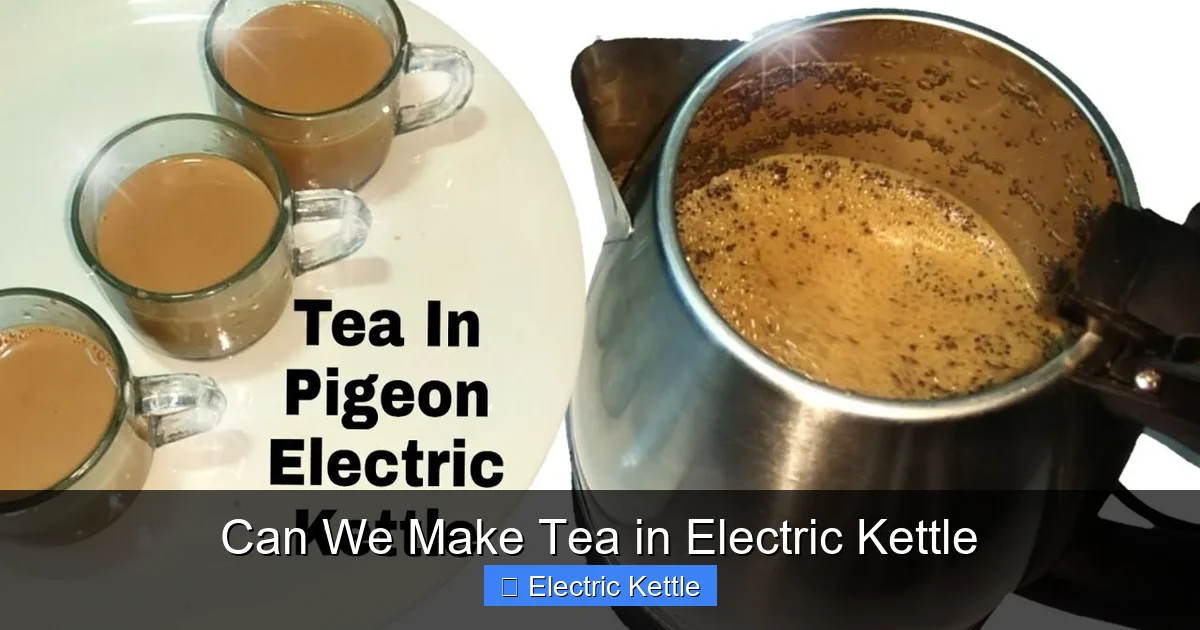
Visual guide about Can We Make Tea in Electric Kettle
Image source: i.ytimg.com
Speed and Efficiency
One of the biggest advantages of electric kettles is speed. Depending on the model and water volume, they can boil water in 3 to 5 minutes—much faster than waiting for a stovetop kettle to whistle. This is especially helpful during busy mornings or when you need a quick caffeine boost. For tea lovers, this means less waiting and more sipping.
Temperature Control Features
Not all teas taste best with boiling water. Green and white teas, for example, can become bitter if brewed with water that’s too hot. This is where temperature-controlled electric kettles shine. Many premium models allow you to select specific temperatures—like 160°F for delicate white tea or 185°F for oolong—ensuring optimal flavor extraction without scalding the leaves.
Energy Savings
Electric kettles are also more energy-efficient than boiling water on the stove. They heat only the water you need, reducing waste and lowering your electricity bill over time. For eco-conscious tea drinkers, this is a win-win: great taste with a smaller carbon footprint.
Types of Electric Kettles: Which Are Best for Tea?
Not all electric kettles are created equal when it comes to brewing tea. The type of kettle you choose can significantly impact your tea experience. Here’s a breakdown of the most common types and how they stack up for tea-making.
Basic Electric Kettles (Boil-Only)
These are the most common and affordable models. They heat water to boiling and shut off automatically. While they’re great for heating water quickly, they don’t offer temperature control or built-in infusers. To make tea, you’ll need to pour the hot water into a separate cup or teapot with your tea bag or loose leaves. This method works fine for black or herbal teas but isn’t ideal for delicate varieties that require lower temperatures.
Temperature-Controlled Electric Kettles
If you’re serious about tea, this is the type to invest in. These kettles let you choose from preset temperature settings—perfect for matching the ideal brewing temperature to your tea type. For example, green tea brews best at 175°F, while black tea needs near-boiling water. Some models even have a “keep warm” function that maintains the water temperature for several minutes, so you can steep multiple cups without reheating.
Electric Kettles with Built-In Infusers
These kettles come with a removable infuser basket or mesh filter inside the main chamber. You add your loose-leaf tea directly to the infuser, fill the kettle with water, and press start. The water heats and steeps the tea simultaneously, and once done, you can remove the infuser to stop the brewing process. This is the closest you can get to “making tea directly in the kettle” without risking damage or off-flavors.
Glass vs. Stainless Steel Kettles
Glass kettles let you watch the water boil—a fun visual perk—and don’t retain odors. However, they’re more fragile and can show mineral buildup easily. Stainless steel kettles are durable, retain heat well, and resist staining, but you can’t see the water level. For tea, stainless steel is often preferred because it doesn’t absorb flavors from previous brews, ensuring a clean taste every time.
Step-by-Step Guide: How to Make Tea in an Electric Kettle
Now that you know your options, let’s walk through the best ways to make tea using your electric kettle. Whether you have a basic model or a high-tech infuser kettle, these steps will help you brew a perfect cup.
Method 1: Heating Water for Tea in a Separate Vessel
This is the most common and safest method, especially if your kettle doesn’t have an infuser.
- Step 1: Fill your electric kettle with fresh, cold water. Avoid reboiling water, as it can become flat and affect taste.
- Step 2: Turn on the kettle and let it heat to the appropriate temperature. If your kettle doesn’t have temperature control, let it boil and then let it cool for 30–60 seconds for green or white teas.
- Step 3: While the water heats, place your tea bag or loose leaves in a teapot, mug, or infuser.
- Step 4: Pour the hot water over the tea and steep for the recommended time (usually 2–5 minutes, depending on the tea type).
- Step 5: Remove the tea bag or strain the leaves, add milk or sweetener if desired, and enjoy!
Method 2: Brewing Directly in a Kettle with an Infuser
If your electric kettle has a built-in infuser, you can brew tea directly inside it—just follow these tips:
- Step 1: Add your loose-leaf tea to the infuser basket. Use about 1 teaspoon per cup of water.
- Step 2: Fill the kettle with water to the desired level, making sure the infuser is submerged.
- Step 3: Select the correct temperature setting (if available) and start the kettle.
- Step 4: Once the water reaches the target temperature, let it steep for the recommended time. Some kettles have a “brew” mode that pauses heating during steeping.
- Step 5: Remove the infuser immediately after brewing to prevent over-steeping and bitterness.
- Step 6: Pour and enjoy your tea directly from the kettle or transfer it to a cup.
Tips for Best Results
To get the most out of your electric kettle tea experience, keep these practical tips in mind:
- Use fresh, filtered water—impurities in tap water can affect taste.
- Don’t overfill the kettle—leave space to prevent boiling over.
- Clean your infuser after each use—stuck tea leaves can lead to mold or off-flavors.
- Pre-warm your teacup by rinsing it with hot water—this helps maintain brewing temperature.
- Experiment with steeping times—some teas taste better with a longer or shorter brew.
Which Teas Work Best in an Electric Kettle?
While you can technically make any tea using an electric kettle, some types work better than others depending on your kettle’s features.
Black Tea
Black tea, like English Breakfast or Assam, loves hot water—ideally just off the boil (200–212°F). It’s forgiving and works well in both basic and advanced kettles. Steep for 3–5 minutes for a robust, full-bodied cup.
Green Tea
Green tea is more delicate and can turn bitter if brewed with boiling water. Aim for 160–185°F and steep for 2–3 minutes. A temperature-controlled kettle is ideal here. Popular varieties include Sencha, Dragon Well, and Matcha (though Matcha is traditionally whisked, not steeped).
White Tea
White tea, such as Silver Needle or White Peony, is the most delicate. Use water around 160–175°F and steep for 4–6 minutes. Avoid over-steeping to preserve its subtle, floral notes.
Oolong Tea
Oolong falls between green and black tea in terms of oxidation. Brew at 185–205°F for 3–5 minutes. Its complex flavor profile benefits from precise temperature control.
Herbal and Fruit Teas
Herbal teas like chamomile, peppermint, or rooibos can handle boiling water and often benefit from longer steeping times (5–7 minutes). These are great for basic kettles since they’re less sensitive to temperature.
Chai and Spiced Teas
Chai blends often include spices like cinnamon, cardamom, and ginger. These can be brewed directly in a kettle with an infuser, but be sure to clean thoroughly afterward to avoid lingering spice flavors in future brews.
Safety Tips and Common Mistakes to Avoid
While electric kettles are generally safe, there are a few things to watch out for to ensure a smooth and safe tea-making experience.
Never Brew Tea Directly in a Basic Kettle
Unless your kettle has a dedicated infuser, avoid putting tea leaves or bags directly into the water chamber. Loose leaves can clog the spout or heating element, and tea bags can leave residue that’s hard to clean. Plus, prolonged contact with hot metal can alter the taste.
Don’t Overfill the Kettle
Most kettles have a “max” fill line. Exceeding it can cause water to spill over when boiling, potentially damaging the electrical base or creating a slipping hazard.
Unplug When Not in Use
Even though most kettles auto-shutoff, it’s good practice to unplug them after use, especially if you’re leaving the house. This reduces the risk of electrical issues and saves energy.
Avoid Reboiling Water
Reboiling water reduces oxygen levels and can concentrate minerals, leading to a flat or metallic taste. Always use fresh water for the best flavor.
Clean Regularly
Mineral deposits from hard water can build up inside your kettle, affecting performance and taste. Clean it monthly with a mixture of vinegar and water: fill halfway, boil, let sit for 15 minutes, then rinse thoroughly.
Cleaning and Maintaining Your Electric Kettle for Tea
A clean kettle is essential for great-tasting tea. Residue from tea, minerals, or old water can linger and affect future brews. Here’s how to keep your kettle in top shape.
Daily Cleaning
After each use, rinse the interior with fresh water. If you used an infuser, remove and wash it separately with mild soap and a soft brush. Wipe the exterior with a damp cloth.
Deep Cleaning (Monthly)
For mineral buildup, use a natural descaling solution:
- Mix equal parts white vinegar and water.
- Fill the kettle halfway and boil.
- Let it sit for 15–20 minutes.
- Pour out the solution and rinse thoroughly with clean water.
- Boil fresh water once or twice to remove any vinegar taste.
Dealing with Tea Stains
If your kettle (especially glass models) develops brown or yellow stains from tea, try a baking soda paste: mix with water, apply to stained areas, let sit for 10 minutes, then scrub gently and rinse.
Preventing Odors
To avoid lingering tea or spice smells, avoid brewing strongly flavored teas (like chai or mint) in the same kettle used for delicate greens. If odors persist, boil a mixture of water and lemon slices to freshen the interior.
Conclusion: Yes, You Can—and Should—Make Tea in an Electric Kettle
So, can we make tea in an electric kettle? Absolutely. With the right approach, your electric kettle can become your go-to tool for brewing everything from quick black tea to delicate white blends. Whether you’re using a basic model to heat water or a high-end infuser kettle for direct brewing, the key is understanding your appliance’s capabilities and matching them to your tea preferences.
Electric kettles offer speed, precision, and convenience that stovetop methods simply can’t match. By choosing the right kettle, using proper techniques, and maintaining it well, you’ll enjoy better-tasting tea with less effort. So go ahead—press that button, pour that water, and savor every sip. Your perfect cup of tea is just a kettle away.
Frequently Asked Questions
Can I put tea bags directly in my electric kettle?
It’s not recommended unless your kettle has a built-in infuser. Tea bags can leave residue and may interfere with the heating element. For best results, heat the water first, then steep the tea in a separate cup or teapot.
What temperature should I use for green tea in an electric kettle?
Green tea should be brewed at 160–185°F (70–85°C). If your kettle has temperature control, select the green tea setting. If not, let boiling water cool for 1–2 minutes before pouring.
Can I make tea in a stainless steel electric kettle?
Yes, stainless steel kettles are excellent for tea. They don’t retain odors and heat evenly. Just avoid brewing strongly flavored teas repeatedly, as they can leave lingering tastes.
How often should I clean my electric kettle?
Clean the exterior after each use and descale the interior monthly (or more often if you have hard water). Regular cleaning prevents mineral buildup and keeps your tea tasting fresh.
Is it safe to leave water in my electric kettle overnight?
It’s best to empty the kettle after use. Stagnant water can promote bacterial growth and mineral deposits. Always use fresh water for the best taste and safety.
Can I use my electric kettle to make iced tea?
Yes! Brew your tea using the hot water from the kettle, then pour it over ice in a pitcher. For larger batches, double the tea amount and dilute with cold water after brewing to prevent dilution from melting ice.