Yes, you can remove the filter in most electric kettles, but it depends on the model and design. While removing the filter may improve water flow or ease cleaning, doing so incorrectly can damage your kettle or void the warranty. Always consult your user manual and follow safety guidelines.
Key Takeaways
- Most electric kettles have removable filters: Many modern kettles feature a mesh or perforated filter at the spout that can be unscrewed or popped out for cleaning.
- Removing the filter improves cleaning access: Taking out the filter allows you to scrub away limescale and debris more thoroughly, especially in hard water areas.
- Never operate the kettle without the filter unless specified: Some kettles require the filter to function safely; running them without it may cause splashing or damage internal components.
- Check your user manual first: Manufacturer instructions vary—some filters are permanent, while others are designed for easy removal.
- Replacing a damaged filter is often possible: Many brands sell replacement filters compatible with specific kettle models.
- Regular maintenance prevents buildup: Cleaning the filter weekly helps maintain performance and extends the kettle’s lifespan.
- Safety comes first: Always unplug the kettle and let it cool completely before attempting any filter removal or cleaning.
📑 Table of Contents
- Can We Remove Filter in Electric Kettle? A Complete Guide
- Why Do Electric Kettles Have Filters?
- How to Safely Remove the Filter in Your Electric Kettle
- What If the Filter Is Stuck or Won’t Come Out?
- Can You Run an Electric Kettle Without the Filter?
- How to Clean and Maintain Your Kettle Filter
- Replacing a Damaged or Lost Filter
- Final Thoughts: Should You Remove the Filter?
Can We Remove Filter in Electric Kettle? A Complete Guide
If you’ve ever noticed a fine mesh screen near the spout of your electric kettle, you’ve seen the filter—a small but mighty component that plays a big role in your daily tea or coffee routine. But what happens when that filter gets clogged with limescale, tea leaves, or mineral deposits? Can we remove filter in electric kettle safely? And should we?
The short answer is: yes, in most cases, you can remove the filter—but with important caveats. Whether your kettle’s filter is removable depends largely on the brand, model, and design. Some kettles feature snap-in filters that pop out with a gentle tug, while others have screw-on or integrated filters that aren’t meant to be removed by the user. Understanding your specific kettle’s design is key to avoiding damage or safety hazards.
In this comprehensive guide, we’ll walk you through everything you need to know about electric kettle filters: why they exist, how to safely remove and clean them, what to do if yours is stuck or damaged, and whether running your kettle without a filter is ever a good idea. Whether you’re dealing with stubborn limescale in a hard water region or just want to keep your kettle in top condition, this article will give you practical, expert-backed advice to keep your appliance running smoothly—and your beverages tasting great.
Why Do Electric Kettles Have Filters?
Before diving into removal techniques, it’s important to understand why filters are included in the first place. The primary purpose of an electric kettle filter is to prevent debris from entering your cup. This includes loose tea leaves, coffee grounds (if you’re using the kettle for instant coffee), and even small particles from tap water.
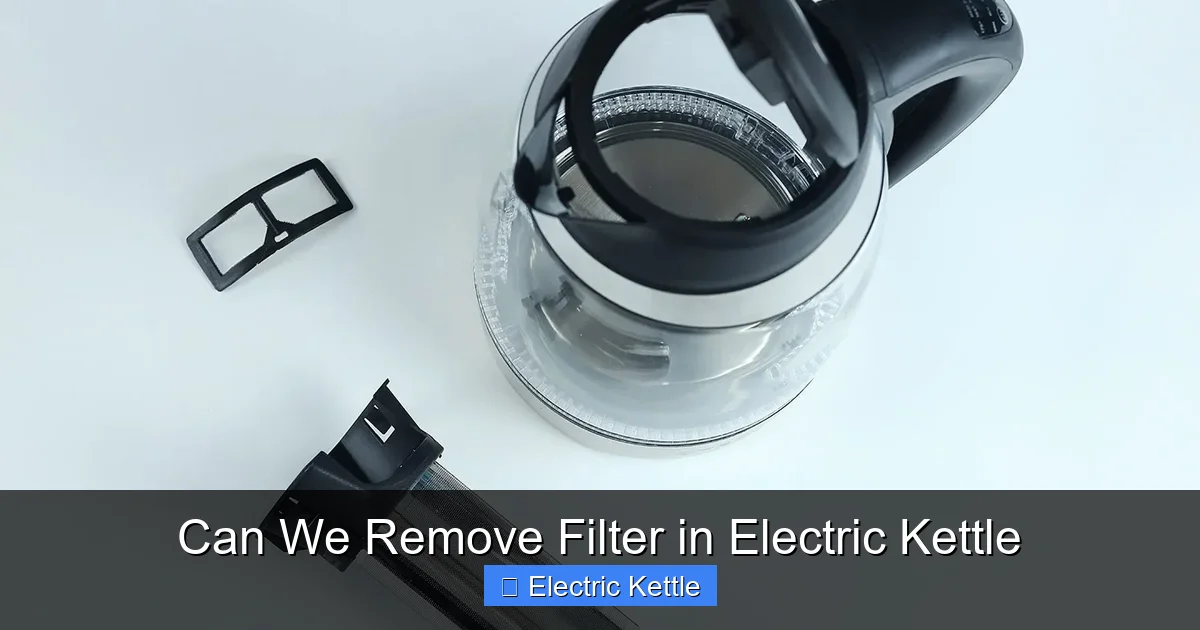
Visual guide about Can We Remove Filter in Electric Kettle
Image source: cdn.shouldit.com
Protecting Your Beverage Quality
A clean filter ensures that only hot, clear water flows into your mug. Without it, you might end up with floating bits in your tea or coffee—especially if you use loose-leaf tea or live in an area with sediment-heavy water. The filter acts as a first line of defense, keeping your drink smooth and enjoyable.
Preventing Internal Damage
Beyond beverage quality, the filter also protects the kettle’s internal components. Mineral deposits and sediment can accumulate over time, potentially clogging the spout or affecting the heating element’s efficiency. By trapping these particles, the filter helps maintain optimal water flow and heating performance.
Enhancing Safety
In some designs, the filter also plays a role in safety. It can help prevent hot water from splashing out too forcefully during pouring, especially in kettles with narrow spouts. This reduces the risk of burns and makes the pouring experience more controlled.
Given these functions, it’s clear that the filter isn’t just an accessory—it’s a functional part of the kettle’s design. That said, regular maintenance is essential to keep it working properly.
How to Safely Remove the Filter in Your Electric Kettle
Now that we understand the importance of the filter, let’s talk about how to remove it safely. The process varies depending on your kettle model, but here are general steps that apply to most removable-filter designs.
Step 1: Unplug and Cool Down
Always start by unplugging the kettle from the power source. Never attempt to remove or clean the filter while the kettle is plugged in or still hot. Allow it to cool completely—this usually takes 15 to 30 minutes, depending on the kettle’s size and material.
Step 2: Locate the Filter
The filter is typically found at the base of the spout, inside the kettle. It’s usually a small, circular or rectangular mesh screen. Some models have a visible screw or clip holding it in place, while others use a friction-fit design.
Step 3: Determine the Removal Method
There are three common types of filters:
- Snap-in filters: These pop out with gentle pressure. Use a soft tool like a silicone spatula or your fingers to pry them loose.
- Screw-on filters: These twist counterclockwise to remove. Use a cloth for better grip if it’s stuck.
- Integrated filters: These are permanently attached and not meant to be removed. Cleaning must be done in place.
Step 4: Remove and Inspect
Once removed, inspect the filter for buildup. Look for white or gray crust (limescale), tea stains, or trapped particles. If it’s heavily clogged, it’s time for a deep clean.
Step 5: Clean Thoroughly
Rinse the filter under warm water. For stubborn deposits, soak it in a solution of equal parts white vinegar and water for 30 minutes. Use a soft brush (like an old toothbrush) to gently scrub the mesh. Avoid harsh abrasives that could damage the screen.
Step 6: Reinstall Properly
After cleaning, make sure the filter is completely dry before reinserting it. Align it correctly and press or screw it back into place. Ensure it’s secure to prevent leaks or misalignment during use.
Always refer to your kettle’s user manual for model-specific instructions. If you’ve lost the manual, most manufacturers provide digital copies on their websites.
What If the Filter Is Stuck or Won’t Come Out?
Sometimes, despite your best efforts, the filter refuses to budge. This is often due to mineral buildup, corrosion, or improper handling. Here’s how to handle a stuck filter without damaging your kettle.
Soak in Vinegar Solution
Limescale is the most common culprit. Fill the kettle with a 1:1 mixture of white vinegar and water, then let it sit for 1 to 2 hours. The acid in vinegar dissolves mineral deposits, loosening the filter. After soaking, try removing it again.
Use Gentle Leverage
If the filter is snap-in and stuck, use a soft plastic tool (like a butter knife or silicone spatula) to gently pry it loose. Avoid metal tools, which can scratch or crack the plastic housing.
Apply Warm Water
Running warm (not boiling) water over the filter area can help expand the plastic slightly, making it easier to remove. Be careful not to get water into the electrical base.
Check for Hidden Fasteners
Some filters are held in place by small screws or clips that aren’t immediately visible. Look closely around the spout or consult your manual to see if additional steps are needed.
When to Seek Professional Help
If the filter is severely corroded or the housing is cracked, forcing it out could cause permanent damage. In such cases, contact the manufacturer or a qualified appliance repair technician. For older kettles, it may be more cost-effective to replace the entire unit.
Remember: patience is key. Rushing the process increases the risk of breaking the filter or damaging the kettle.
Can You Run an Electric Kettle Without the Filter?
This is a common question, especially after someone accidentally drops or loses their filter. So, can we remove filter in electric kettle and still use it? The answer depends on your kettle’s design and your tolerance for risk.
Short-Term Use May Be Safe
In many cases, running the kettle without the filter for a few uses won’t cause immediate harm. The heating element and thermostat will still function normally. However, you may notice more sediment in your water, and the spout may drip or splash more than usual.
Long-Term Risks
Operating the kettle without a filter over time can lead to several issues:
- Increased limescale buildup: Without the filter to trap minerals, deposits can accumulate faster on the heating element, reducing efficiency and potentially causing overheating.
- Clogged spout: Sediment and debris can block the spout, leading to poor water flow or complete blockage.
- Voided warranty: Many manufacturers specify that the filter must be in place during use. Removing it permanently could void your warranty.
- Safety concerns: In some models, the filter helps regulate water flow and prevent splashing. Running without it may increase the risk of burns.
When It’s Not Recommended
Avoid running your kettle without the filter if:
- You live in a hard water area with high mineral content.
- You frequently use loose-leaf tea or instant coffee.
- Your kettle has a narrow or pressurized spout design.
- The manufacturer explicitly states the filter is required for safe operation.
Best Practice: Replace the Filter
If your filter is damaged or lost, check with the manufacturer for a replacement part. Many brands offer affordable replacement filters online or through customer service. Installing a new filter is far safer and more effective than running the kettle filterless.
In summary, while occasional short-term use without a filter may not cause immediate damage, it’s not a sustainable or recommended practice. Always aim to keep your filter in place and functional.
How to Clean and Maintain Your Kettle Filter
Regular maintenance is the best way to keep your kettle—and its filter—in top condition. A clean filter ensures better-tasting water, smoother pouring, and longer appliance life.
Weekly Cleaning Routine
For most users, a weekly cleaning is sufficient. Here’s a simple routine:
- Unplug and cool the kettle.
- Remove the filter (if possible).
- Rinse it under warm water to remove loose debris.
- Use a soft brush to scrub the mesh.
- Reinstall and run a cycle with clean water to flush out any remaining particles.
Monthly Deep Clean
Once a month, perform a deeper clean to tackle limescale:
- Fill the kettle with equal parts white vinegar and water.
- Let it sit for 1 hour, then boil the solution.
- Turn off the kettle and let it cool.
- Empty and rinse thoroughly.
- Remove and scrub the filter separately.
- Run 2–3 cycles with fresh water to eliminate vinegar taste.
Alternative Cleaning Solutions
If you prefer not to use vinegar, try these alternatives:
- Lemon juice: Natural acidity helps dissolve limescale. Use half a lemon squeezed into water and follow the same steps as vinegar.
- Baking soda paste: Mix with water to form a paste, apply to the filter, and scrub gently. Rinse well.
- Commercial descalers: Products like Durgol or Urnex are designed for kettles and coffee makers. Follow package instructions carefully.
Preventive Tips
To reduce buildup and extend the time between cleanings:
- Use filtered or distilled water if you have hard water.
- Avoid overfilling the kettle—this reduces mineral concentration.
- Empty the kettle after each use to prevent standing water.
- Store the kettle with the lid open to allow airflow and reduce moisture buildup.
Consistent care not only keeps your filter clean but also improves the overall performance and longevity of your electric kettle.
Replacing a Damaged or Lost Filter
Filters can wear out over time due to heat, mineral exposure, or physical damage. If your filter is cracked, warped, or no longer fits securely, it’s time for a replacement.
Finding the Right Replacement
Start by identifying your kettle’s make and model number, usually found on the base or in the user manual. Visit the manufacturer’s website and search for “replacement filter” or “spout filter.” Many brands list compatible parts with photos and part numbers.
Third-Party Options
If the original manufacturer doesn’t sell replacements, look for third-party filters designed for your kettle model. Websites like Amazon, eBay, or appliance parts stores often carry universal or model-specific filters. Read reviews to ensure compatibility and quality.
DIY Temporary Fixes (Not Recommended Long-Term)
In a pinch, you can create a temporary filter using fine mesh or cheesecloth, but this is not ideal. It may not fit securely, could tear during use, and won’t provide the same level of protection. Use only as a stopgap until you can get a proper replacement.
Installation Tips
When installing a new filter:
- Ensure it’s the correct size and shape.
- Align it properly in the spout housing.
- Press or screw it in firmly but gently.
- Test the kettle with water to check for leaks or misalignment.
Replacing a filter is a simple, cost-effective way to restore your kettle’s performance without buying a whole new appliance.
Final Thoughts: Should You Remove the Filter?
So, can we remove filter in electric kettle? Absolutely—but with purpose and care. Removing the filter for cleaning or replacement is not only possible but often necessary for maintaining your kettle’s performance and hygiene. However, it should never be removed permanently unless explicitly allowed by the manufacturer.
The filter plays a vital role in protecting your beverage quality, preventing internal damage, and ensuring safe operation. Regular cleaning and timely replacement are far better solutions than running the kettle filterless. By following the guidelines in this article, you can keep your electric kettle running efficiently for years to come.
Remember: always prioritize safety, consult your user manual, and when in doubt, reach out to the manufacturer. A little maintenance goes a long way in preserving both your appliance and your daily cup of tea.
Frequently Asked Questions
Can I remove the filter in my electric kettle permanently?
It’s not recommended to remove the filter permanently unless your kettle’s manual explicitly allows it. Doing so can lead to limescale buildup, splashing, and potential damage to internal components.
How often should I clean the filter in my electric kettle?
Clean the filter weekly with water and a soft brush. Perform a deep clean with vinegar or lemon juice once a month, especially if you live in a hard water area.
What happens if I run my kettle without the filter?
Short-term use may be safe, but long-term operation without a filter can cause limescale buildup, clogging, and reduced efficiency. It may also void your warranty.
Can I use my kettle if the filter is broken?
You can use it temporarily, but it’s best to replace the filter as soon as possible. A broken filter won’t trap debris effectively and may affect water flow.
Where can I buy a replacement filter for my electric kettle?
Check the manufacturer’s website or contact customer service. Many also sell replacement filters on online marketplaces like Amazon or appliance parts stores.
Is it safe to clean the filter with vinegar?
Yes, white vinegar is safe and effective for removing limescale. Just be sure to rinse the filter and kettle thoroughly afterward to remove any vinegar taste.