No, you should never use oil in an electric kettle. Electric kettles are designed specifically for water and water-based liquids—adding oil can cause serious damage, safety hazards, and even void your warranty. Stick to safe alternatives like water, tea, or broth to keep your kettle working efficiently and safely.
Key Takeaways
- Never use oil in an electric kettle: Oil is not water-soluble and can clog heating elements, leading to malfunction or permanent damage.
- Safety risks include fire and smoke: Heating oil can produce smoke, fumes, or even ignite, especially if it reaches high temperatures.
- Warranty voidance is likely: Most manufacturers explicitly state that using non-recommended liquids like oil voids the warranty.
- Cleaning becomes extremely difficult: Oil leaves sticky, greasy residues that are hard to remove and can affect future boiling performance.
- Use only approved liquids: Stick to water, herbal teas, broths, or other water-based beverages for safe and efficient use.
- Alternative appliances exist for oil heating: Use a dedicated oil warmer, slow cooker, or stovetop pan if you need to heat oil safely.
- Regular maintenance prevents issues: Clean your kettle regularly with vinegar or descaling solutions to maintain performance and longevity.
📑 Table of Contents
- Can We Use Oil in Electric Kettle? The Straight Answer
- How Electric Kettles Work: Why Oil Doesn’t Belong
- Dangers of Using Oil in an Electric Kettle
- Common Misconceptions About Using Oil in Kettles
- Safe Alternatives for Heating Oil
- What Liquids Are Safe to Use in an Electric Kettle?
- How to Maintain and Clean Your Electric Kettle
- Conclusion: Stick to Water for Safety and Performance
Can We Use Oil in Electric Kettle? The Straight Answer
If you’ve ever wondered, “Can we use oil in electric kettle?”—the short and definitive answer is **no**. While it might seem like a convenient idea to heat oil for cooking or warming purposes, doing so in an electric kettle is not only ineffective but also dangerous. Electric kettles are precision appliances built for one primary function: boiling water quickly and safely. Introducing oil into this system disrupts that design and introduces a host of problems.
Electric kettles work by using an internal heating element—usually hidden beneath a stainless steel or glass base—that rapidly heats water to its boiling point. This process relies on the conductive properties of water. Oil, however, behaves very differently. It doesn’t conduct heat the same way, doesn’t boil at the same temperature, and can leave behind stubborn residues. Even a small amount of oil can gum up the heating element, reduce efficiency, and potentially cause overheating.
Beyond functionality, safety is the biggest concern. Heating oil beyond its smoke point can release harmful fumes, create unpleasant odors, and in extreme cases, lead to fire. Unlike stovetop pans or deep fryers, electric kettles aren’t designed with ventilation or temperature controls suitable for oil. So, while the idea might cross your mind—especially if you’re in a rush or out of options—it’s never worth the risk.
How Electric Kettles Work: Why Oil Doesn’t Belong
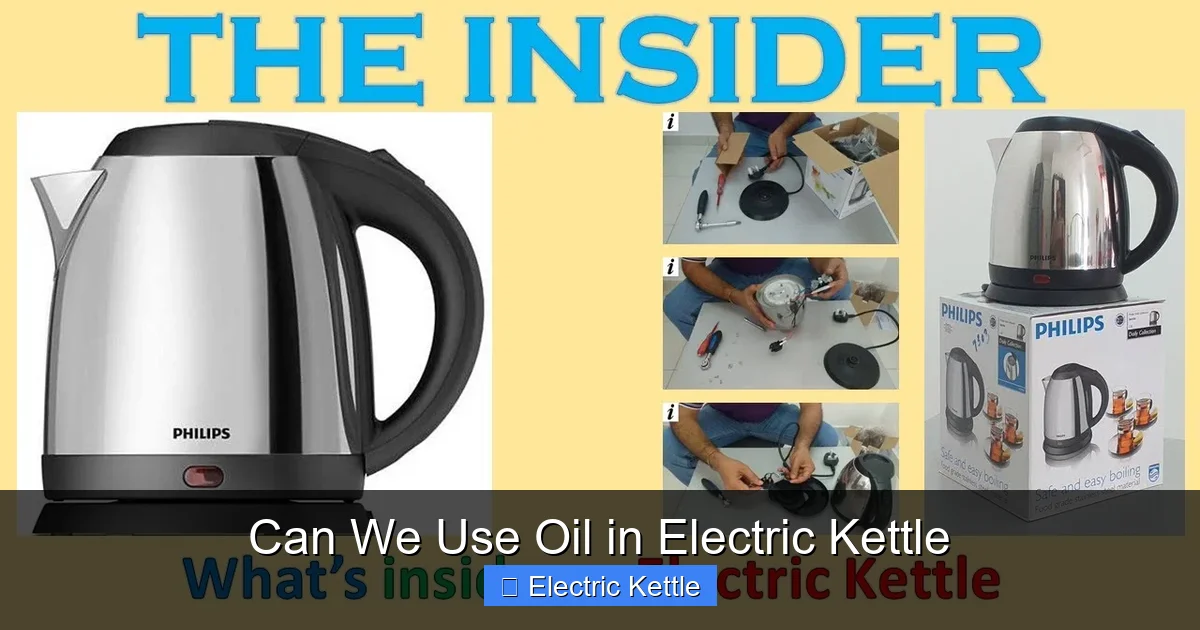
Visual guide about Can We Use Oil in Electric Kettle
Image source: i.ytimg.com
To understand why oil and electric kettles don’t mix, it helps to know how these appliances function. Most modern electric kettles use an immersed or concealed heating element. When you fill the kettle with water and turn it on, electricity flows through the element, generating heat. The water absorbs this heat quickly and evenly, thanks to its high thermal conductivity and specific heat capacity.
Water also has a predictable boiling point (100°C or 212°F at sea level), which allows the kettle’s thermostat to shut off automatically once boiling is reached. This built-in safety feature prevents overheating and ensures energy efficiency. Oil, on the other hand, has a much higher smoke point—often between 160°C and 230°C (320°F–446°F)—depending on the type. This means the kettle’s thermostat may not detect when the oil is overheating, leading to dangerous temperature spikes.
Moreover, oil doesn’t evaporate like water. Instead, it can burn, smoke, or polymerize (turn into a sticky, plastic-like substance) when overheated. This not only ruins the oil but also coats the heating element and interior surfaces. Over time, this buildup insulates the element, making it harder for heat to transfer. The result? Longer boiling times, increased energy use, and eventual failure of the kettle.
The Science Behind Heat Transfer
Heat transfer in electric kettles relies on convection—the movement of heated water molecules. As the bottom of the kettle heats up, warmer water rises while cooler water sinks, creating a natural circulation that distributes heat evenly. Oil, being denser and less conductive, doesn’t circulate as efficiently. This leads to hot spots where the oil near the heating element burns while the rest remains cool.
Additionally, oil has a lower specific heat capacity than water, meaning it heats up faster but doesn’t retain heat as well. This might sound beneficial, but it actually increases the risk of overheating. Without the regulating effect of water’s evaporation and convection, oil can quickly surpass safe temperatures, especially in a closed system like a kettle.
Thermostat and Safety Mechanisms
Most electric kettles come with automatic shut-off features triggered by steam or temperature sensors. These mechanisms are calibrated for water. When water boils, it produces steam, which activates the shut-off. Oil doesn’t produce steam in the same way—instead, it may smoke or burn silently. This means the kettle might continue heating long after it should have stopped, posing a fire hazard.
Some high-end models have overheat protection, but even these aren’t designed to handle oil. The sensors detect abnormal temperature rises, but by the time they react, damage may already be done. In short, the safety systems in electric kettles are built for water, not oil.
Dangers of Using Oil in an Electric Kettle
Using oil in an electric kettle isn’t just a bad idea—it’s potentially dangerous. The risks range from appliance damage to personal injury. Let’s break down the most serious concerns.
Fire and Smoke Hazards
One of the most immediate dangers is fire. Cooking oils like olive, canola, or vegetable oil have smoke points that vary by refinement and type. For example, extra virgin olive oil smokes around 160–190°C (320–375°F), while refined avocado oil can handle up to 270°C (518°F). However, electric kettles can heat contents well beyond 100°C, especially if the thermostat fails or is bypassed.
When oil reaches its smoke point, it begins to break down, releasing acrid smoke and potentially flammable vapors. In a closed or semi-closed kettle, these vapors can accumulate. If the kettle is opened suddenly or if there’s a spark (from a faulty element or switch), ignition could occur. Even if a fire doesn’t start, the smoke can set off fire alarms, damage nearby surfaces, and create a health hazard due to toxic fumes.
Damage to the Heating Element
The heating element is the heart of your electric kettle. It’s designed to work efficiently with water, which helps cool and clean the element during use. Oil, however, does the opposite. It coats the element in a greasy film that insulates it from the surrounding liquid. This insulation prevents proper heat transfer, causing the element to overheat.
Over time, this overheating can warp, crack, or burn out the element. Once damaged, the kettle may stop working entirely or operate inefficiently. Replacing the heating element is often impossible or cost-prohibitive, meaning you’ll likely need a new kettle.
Voiding the Warranty
Most electric kettle manufacturers include clear warnings in their user manuals: do not use with oils, fats, or non-water-based liquids. If you use oil and your kettle breaks down, the manufacturer will likely deny warranty coverage. This is considered misuse of the product.
For example, brands like Breville, Cuisinart, and Hamilton Beach explicitly state that using the kettle for purposes other than boiling water voids the warranty. Even if the damage isn’t immediately obvious, residue from oil can be detected during inspection. So, not only do you risk damaging your kettle, but you also lose any protection if something goes wrong.
Difficult and Costly Cleanup
Cleaning oil out of an electric kettle is a nightmare. Unlike water, which evaporates and leaves minimal residue, oil clings to surfaces. It can seep into crevices, coat the lid, and even get into the electrical components if the kettle is opened improperly.
Standard cleaning methods like vinegar or baking soda won’t cut through grease. You’d need strong degreasers, which may not be safe for food-contact surfaces. And if the oil has polymerized (turned into a hard, sticky layer), you might need to soak the kettle for hours or use abrasive tools—both of which can scratch or damage the interior.
In many cases, the only solution is to discard the kettle. The cost of cleaning supplies, time, and potential health risks make this a losing proposition.
Common Misconceptions About Using Oil in Kettles
Despite the clear risks, some people still consider using oil in electric kettles—often due to misinformation or creative workarounds. Let’s address a few common myths.
“A Little Oil Won’t Hurt”
Some believe that adding just a teaspoon of oil—say, for flavor or to prevent foaming—is harmless. But even small amounts can cause problems. Oil doesn’t mix with water; it floats on top and can coat the heating element when the water level drops. During boiling, splashes can spread oil across the interior, leading to buildup over time.
Moreover, oil can react with minerals in hard water, creating stubborn scum that’s even harder to remove. What starts as a minor addition can quickly escalate into a maintenance headache.
“I Can Use It to Heat Oil for Cooking”
You might think, “Why not use the kettle to warm oil for frying or sautéing?” While it seems efficient, it’s not safe. Electric kettles aren’t designed for precise temperature control. You can’t set them to 180°C and walk away. The lack of monitoring increases the risk of overheating.
Additionally, pouring hot oil from a kettle is dangerous. Kettles are designed for water, which is less viscous and less likely to splash. Oil is thicker and can drip or spill, causing burns or fires. A dedicated oil warmer or stovetop pan is a much safer choice.
“My Kettle Is Stainless Steel—It Can Handle Anything”
Stainless steel is durable, but it’s not invincible. While it resists corrosion and heat, it can still be damaged by prolonged exposure to oil, especially when combined with high heat. Polymerized oil can etch the surface, and repeated use may lead to pitting or discoloration.
Also, the seals, gaskets, and electrical components inside the kettle are often made of plastic or rubber—materials that can degrade when exposed to oil and heat. Over time, this can lead to leaks or electrical faults.
Safe Alternatives for Heating Oil
If you need to heat oil, there are much better and safer options than an electric kettle. Here are some practical alternatives:
Stovetop Pans and Skillets
The most common and effective way to heat oil is on a stovetop. Use a heavy-bottomed pan or skillet for even heat distribution. You can monitor the temperature visually (watch for shimmering or light smoke) or use a kitchen thermometer for precision. This method gives you full control and is ideal for frying, sautéing, or warming oils.
Oil Warmers and Fondue Pots
For gentle, consistent heating—like warming massage oils or flavored oils—consider an electric oil warmer. These devices are specifically designed to heat oils safely, with temperature controls and insulated containers. They’re often used in spas or for culinary purposes and are far safer than repurposing a kettle.
Slow Cookers or Double Boilers
If you need to heat oil gently (for example, to infuse herbs), a slow cooker or double boiler is a great option. These methods use indirect heat, reducing the risk of overheating. Simply place the oil in a heat-safe container inside a larger pot of simmering water.
Microwave (With Caution)
For small amounts of oil, a microwave can work—but only if done carefully. Use a microwave-safe container, heat in short intervals (10–15 seconds), and stir between cycles. Never overheat, and avoid using metal containers. This method is best for quick warming, not high-heat applications.
What Liquids Are Safe to Use in an Electric Kettle?
Now that we’ve established oil is off-limits, what *can* you put in your electric kettle? The short answer: water and water-based liquids.
Water (Tap, Filtered, or Distilled)
Plain water is the ideal choice. It’s safe, efficient, and won’t damage your kettle. If you live in an area with hard water, consider using filtered or distilled water to reduce mineral buildup.
Tea and Herbal Infusions
You can boil water for tea directly in the kettle. However, avoid leaving tea leaves or herbs sitting in the kettle after use, as they can stain or leave odors. For best results, use a tea infuser or brew in a separate cup.
Broth and Stock
Some people use their kettle to heat broth for soups or instant meals. This is generally safe, but be sure to clean the kettle thoroughly afterward to prevent residue buildup. Avoid using highly seasoned or fatty broths, as fats can leave greasy films.
Instant Coffee or Hot Chocolate Mixes
While you can boil water for these drinks in the kettle, avoid adding the powder directly. Mix it in a cup after boiling to prevent clumping and staining. Some kettles have a “keep warm” function that’s perfect for this.
Lemon Water or Flavored Infusions
Adding a slice of lemon or a few herbs (like mint or ginger) to water is safe and can add flavor. Just remove the ingredients after use and rinse the kettle to prevent staining or odor transfer.
How to Maintain and Clean Your Electric Kettle
Proper maintenance ensures your kettle lasts longer and performs safely. Here’s how to keep it in top condition.
Regular Descaling
Mineral deposits from hard water can build up over time. To remove them, fill the kettle halfway with equal parts water and white vinegar. Let it sit for 30–60 minutes, then boil and discard the liquid. Rinse thoroughly with clean water and boil once more to remove any vinegar taste.
Wiping the Exterior
Use a damp cloth to wipe the outside of the kettle. Avoid abrasive cleaners or submerging the base in water, as this can damage electrical components.
Checking for Residue
After each use, inspect the interior for any leftover particles or film. If you notice greasy spots (a sign of accidental oil use), clean immediately with a mild detergent and soft brush.
Storing Properly
Keep your kettle in a dry, cool place. Leave the lid open slightly to allow moisture to escape and prevent mold or odors.
Conclusion: Stick to Water for Safety and Performance
So, can we use oil in electric kettle? The answer is a firm no. While it might seem like a clever shortcut, the risks far outweigh any perceived benefits. From fire hazards and appliance damage to difficult cleanup and voided warranties, using oil in an electric kettle is a recipe for trouble.
Electric kettles are marvels of modern convenience—designed to boil water quickly, safely, and efficiently. They’re not multi-purpose cookers. By using them as intended, you protect your investment, ensure your safety, and enjoy reliable performance for years to come.
If you need to heat oil, choose the right tool for the job: a stovetop pan, oil warmer, or slow cooker. And when it comes to your kettle, stick to water and water-based liquids. Your appliance—and your peace of mind—will thank you.
Frequently Asked Questions
Can I put a drop of oil in my electric kettle to prevent foaming?
No, even a small amount of oil can coat the heating element and cause damage over time. It’s better to use a pinch of salt or a silicone anti-foam tool if foaming is an issue.
What happens if I accidentally put oil in my electric kettle?
Turn off and unplug the kettle immediately. Do not use it. Clean it thoroughly with hot soapy water and a degreaser if possible. If the oil has burned or polymerized, the kettle may be beyond repair.
Can I use my electric kettle to heat coconut oil?
No, coconut oil is still an oil and poses the same risks as other oils. Use a stovetop or microwave instead for safe heating.
Will using oil in my kettle void the warranty?
Yes, most manufacturers consider using non-water-based liquids like oil as misuse, which voids the warranty.
Are there any oils safe for electric kettles?
No. All oils, including essential oils or flavored cooking oils, are unsafe and not recommended for use in electric kettles.
What should I do if my kettle smells like oil after use?
This indicates oil residue or burning. Stop using the kettle immediately. Clean it thoroughly, and if the smell persists, consider replacing it for safety.