Yes, you can wash an electric kettle—but not the entire unit. While the heating base must never be submerged in water, the kettle’s interior, lid, and detachable parts can be safely cleaned with proper techniques. Regular cleaning prevents limescale buildup, improves taste, and extends your kettle’s lifespan.
Key Takeaways
- Never submerge the base: The electrical components in the base are not waterproof. Always unplug and wipe only with a damp cloth.
- Clean the interior regularly: Rinse the inside after each use and deep-clean weekly to remove mineral deposits and bacteria.
- Use vinegar for limescale: A 50/50 mix of white vinegar and water effectively dissolves hard water buildup without harsh chemicals.
- Detach removable parts: Filters, lids, and spouts can often be removed and washed separately for thorough cleaning.
- Avoid abrasive tools: Steel wool or harsh scrubbers can scratch surfaces and damage non-stick coatings.
- Dry completely before use: Always air-dry all parts fully to prevent moisture from entering electrical components.
- Follow manufacturer instructions: Check your user manual for model-specific cleaning guidelines to avoid voiding warranties.
📑 Table of Contents
- Can We Wash Electric Kettle? A Complete Guide to Safe and Effective Cleaning
- Understanding Your Electric Kettle: What Can and Can’t Be Washed
- Why Cleaning Your Electric Kettle Matters
- Step-by-Step Guide to Washing Your Electric Kettle
- Safety Tips When Washing an Electric Kettle
- Common Mistakes to Avoid When Cleaning Your Kettle
- How Often Should You Clean Your Electric Kettle?
- Conclusion: Yes, You Can Wash Your Electric Kettle—Safely and Effectively
Can We Wash Electric Kettle? A Complete Guide to Safe and Effective Cleaning
If you’ve ever stood over your electric kettle wondering whether it’s safe to toss it in the sink for a quick rinse, you’re not alone. Many people assume that because an electric kettle holds water, it must be washable—just like any other kitchen appliance. But here’s the truth: **you can wash an electric kettle, but only parts of it**. The key is knowing what’s safe to clean and how to do it without risking damage or electrical hazards.
Electric kettles are among the most convenient kitchen gadgets we own. They boil water in minutes, making them perfect for tea, coffee, instant noodles, or even sterilizing baby bottles. But with frequent use comes buildup—mineral deposits from hard water, tea stains, and even bacteria can accumulate inside. That’s why regular cleaning isn’t just about hygiene; it’s about performance and longevity. A clean kettle heats faster, tastes better, and lasts longer.
So, can we wash electric kettle? The short answer is yes—but with important caveats. The heating element and electrical base must never come into contact with water. However, the kettle’s interior, lid, spout, and removable filters can and should be cleaned regularly. In this guide, we’ll walk you through everything you need to know about safely and effectively cleaning your electric kettle, from daily maintenance to deep-cleaning methods, safety tips, and common mistakes to avoid.
Understanding Your Electric Kettle: What Can and Can’t Be Washed
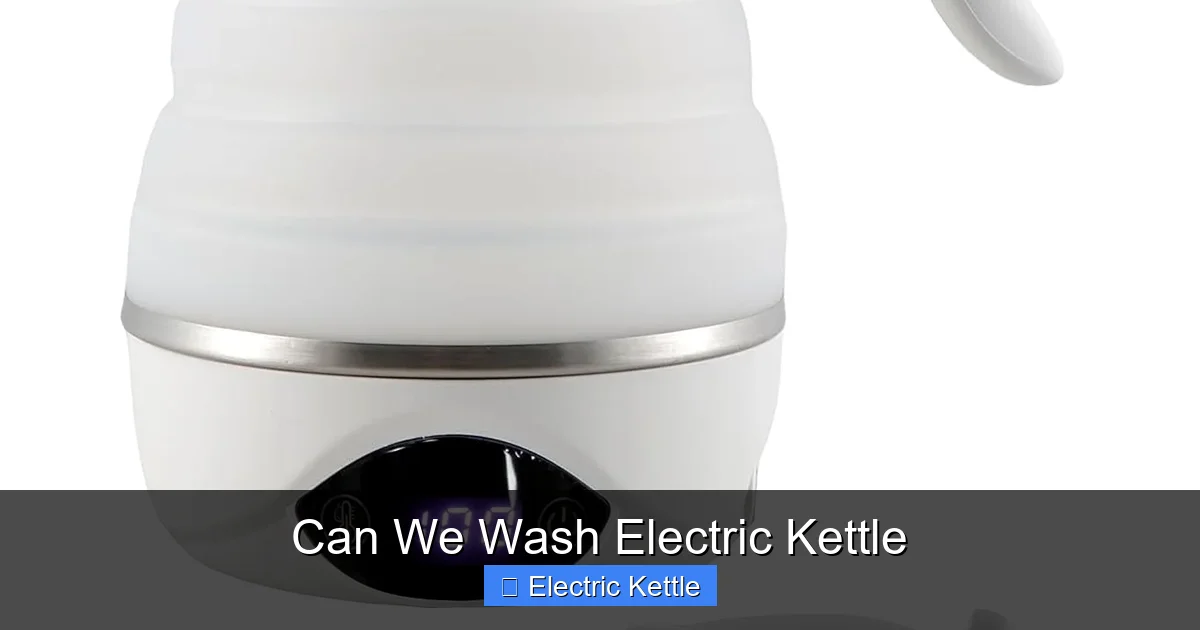
Visual guide about Can We Wash Electric Kettle
Image source: m.media-amazon.com
Before you grab a sponge and start scrubbing, it’s essential to understand the anatomy of your electric kettle. Most modern electric kettles consist of two main parts: the **removable kettle body** (the part that holds water) and the **fixed heating base** (which plugs into the wall). The base contains electrical components, including the heating element, thermostat, and wiring. These parts are not waterproof and must never be submerged in water or even rinsed under a tap.
The kettle body, on the other hand, is typically made of stainless steel, plastic, or glass and is designed to hold water safely. This part can usually be cleaned, but only when disconnected from the base. Some models have fully detachable bodies, while others have a fixed connection. Always check your user manual to confirm whether your kettle’s body can be removed.
Parts You Can Safely Wash
- Interior of the kettle: This is the most important area to clean. Mineral deposits, tea stains, and biofilm can build up over time. Use a soft sponge or cloth with mild detergent or vinegar solution.
- Lid and spout: These areas often collect residue from boiling water. If removable, wash them in warm soapy water. If not, wipe with a damp cloth.
- Removable filter: Many kettles have a mesh filter at the spout to catch sediment. This can usually be unscrewed or popped out and rinsed under running water.
- Exterior surfaces: Wipe the outside with a damp cloth and mild cleaner. Avoid abrasive pads that could scratch stainless steel or plastic finishes.
Parts You Must Never Wash
- Heating base: Never immerse this in water or place it in the dishwasher. Wipe only with a dry or slightly damp cloth.
- Power cord and plug: Keep these dry at all times. Moisture can cause short circuits or electric shocks.
- Electrical connectors: The area where the kettle connects to the base should remain dry. If it gets wet, dry it thoroughly before use.
Understanding these distinctions is the first step toward safe and effective cleaning. Think of your electric kettle like a coffee maker—you wouldn’t submerge the machine, but you’d clean the carafe. The same logic applies here.
Why Cleaning Your Electric Kettle Matters
You might be thinking, “It’s just boiling water—how dirty can it get?” The truth is, even though water is boiled at high temperatures, your kettle can still harbor unseen contaminants. Over time, minerals from hard water—like calcium and magnesium—form a chalky white buildup known as **limescale**. This not only affects the taste of your beverages but can also reduce heating efficiency and shorten the life of your kettle.
Health and Hygiene Concerns
While boiling water kills most bacteria, the interior of your kettle can still become a breeding ground for mold, mildew, and biofilm—especially in humid environments or if the kettle isn’t dried properly after use. Tea and coffee residues can also leave behind organic matter that promotes bacterial growth. Regular cleaning helps prevent these issues and ensures your water tastes fresh and clean.
Performance and Efficiency
Limescale buildup acts as an insulator, forcing the heating element to work harder to boil water. This increases energy consumption and can lead to longer boiling times. In severe cases, the kettle may overheat or fail prematurely. A clean kettle, on the other hand, heats quickly and efficiently, saving both time and electricity.
Taste and Odor
Have you ever noticed a metallic or stale taste in your tea or coffee? That could be due to residue inside your kettle. Stainless steel kettles are less prone to odor retention than plastic ones, but both can absorb flavors over time. Regular cleaning removes these residues and keeps your beverages tasting as they should.
Longevity of the Appliance
Like any appliance, your electric kettle benefits from proper maintenance. Cleaning prevents corrosion, reduces wear on internal components, and helps maintain the manufacturer’s warranty. A well-cared-for kettle can last 5–10 years or more, depending on usage and quality.
In short, cleaning your electric kettle isn’t just about aesthetics—it’s about health, performance, and value. Think of it as part of your daily kitchen routine, like washing dishes or wiping counters.
Step-by-Step Guide to Washing Your Electric Kettle
Now that you know why cleaning matters, let’s get into the how. Follow these simple steps to safely and effectively wash your electric kettle.
Daily Maintenance: Quick Rinse After Use
After each use, empty any remaining water and rinse the interior with clean water. This prevents mineral buildup and keeps the kettle fresh. If you’ve made tea or coffee, wipe the inside with a soft cloth to remove any residue. Leave the lid open to air-dry completely before reassembling.
Weekly Deep Cleaning: Vinegar Solution Method
For a thorough clean, use a natural and effective solution: white vinegar. Here’s how:
- Mix the solution: Combine equal parts white vinegar and water. For a standard 1-liter kettle, use ½ cup vinegar and ½ cup water.
- Fill and boil: Pour the mixture into the kettle and bring it to a boil. Let it sit for 15–30 minutes to dissolve limescale.
- Scrub gently: Use a soft sponge or bottle brush to scrub the interior, focusing on areas with visible buildup. Avoid metal scrubbers.
- Rinse thoroughly: Empty the vinegar solution and rinse the kettle 3–4 times with clean water to remove all traces of vinegar.
- Boil fresh water: Fill the kettle with clean water, boil it, and discard the water. This ensures no vinegar taste remains.
Alternative Cleaning Methods
If you prefer not to use vinegar, try these alternatives:
- Lemon juice: Cut a lemon in half and squeeze the juice into the kettle. Add water, boil, and let sit for 30 minutes. The citric acid works similarly to vinegar.
- Baking soda paste: For stubborn stains, mix baking soda with a little water to form a paste. Apply to affected areas, let sit for 10 minutes, then scrub and rinse.
- Commercial descalers: Products like Durgol or Urnex are designed specifically for kettles and coffee makers. Follow the instructions carefully.
Cleaning Removable Parts
If your kettle has a removable filter, lid, or spout, take them apart and wash them separately. Use warm soapy water and a soft brush to clean hard-to-reach areas. Rinse well and dry completely before reassembling.
Drying and Reassembly
After cleaning, leave all parts open to air-dry for at least an hour. Ensure no moisture remains, especially around the electrical base. Once dry, reattach any removable components and store the kettle with the lid open to prevent musty odors.
Safety Tips When Washing an Electric Kettle
Cleaning your kettle safely is just as important as cleaning it effectively. Here are some essential safety tips to keep in mind.
Always Unplug First
Before you begin any cleaning, unplug the kettle from the power outlet. This prevents accidental activation and reduces the risk of electric shock.
Let It Cool Down
Never attempt to clean a hot kettle. Allow it to cool completely to avoid burns and warping of plastic components.
Never Submerge the Base
This cannot be stressed enough: the heating base must never come into contact with water. Even a small amount of moisture can damage internal components or create a fire hazard.
Use Only Mild Cleaners
Avoid harsh chemicals like bleach, ammonia, or abrasive cleaners. These can damage surfaces, leave toxic residues, or react with metal components. Stick to vinegar, lemon, or mild dish soap.
Check for Cracks or Damage
While cleaning, inspect the kettle for cracks, loose parts, or frayed cords. Damaged appliances should not be used and may need repair or replacement.
Store Properly
After cleaning and drying, store your kettle in a dry, cool place. Avoid stacking heavy items on top, which could damage the lid or spout.
By following these safety guidelines, you’ll protect both yourself and your appliance.
Common Mistakes to Avoid When Cleaning Your Kettle
Even with the best intentions, it’s easy to make mistakes when cleaning an electric kettle. Here are some common pitfalls and how to avoid them.
Submerging the Entire Kettle
One of the biggest mistakes is placing the entire kettle—base and all—into water. This can ruin the electrical components and void your warranty. Always separate the kettle body from the base before cleaning.
Using Steel Wool or Abrasive Pads
Scrubbing with steel wool or harsh pads can scratch stainless steel or damage non-stick coatings. These scratches not only look bad but can also trap bacteria and make future cleaning harder. Use soft sponges or brushes instead.
Ignoring the Filter
Many people forget to clean the mesh filter at the spout. Over time, this can become clogged with sediment, reducing water flow and affecting taste. Make it a habit to remove and rinse the filter weekly.
Not Rinsing Thoroughly
After using vinegar or lemon, it’s crucial to rinse the kettle multiple times. Residual acid can affect the taste of your water and potentially damage the kettle over time.
Forcing Stuck Parts
If a lid or filter won’t come off, don’t force it. Check the manual for disassembly instructions. Forcing parts can break them or damage the kettle.
Using the Kettle While Damp
Never plug in or use the kettle if any part is still wet—especially the base. Moisture can cause short circuits or electric shocks. Always ensure everything is completely dry.
Avoiding these mistakes will keep your kettle in top condition and ensure safe, efficient operation.
How Often Should You Clean Your Electric Kettle?
The frequency of cleaning depends on how often you use your kettle and the hardness of your water.
- Daily users in hard water areas: Clean with vinegar once a week.
- Occasional users or soft water: Clean every 2–3 weeks.
- After making tea or coffee: Rinse immediately to prevent staining.
- If you notice scale or odor: Clean as soon as possible.
A good rule of thumb: if you see white deposits or notice a change in taste, it’s time to clean. Regular maintenance prevents major buildup and keeps your kettle running smoothly.
Conclusion: Yes, You Can Wash Your Electric Kettle—Safely and Effectively
So, can we wash electric kettle? Absolutely—but with care and the right approach. While the electrical base must stay dry, the kettle’s interior and removable parts benefit greatly from regular cleaning. By following safe practices, using natural cleaners like vinegar, and avoiding common mistakes, you can keep your kettle hygienic, efficient, and long-lasting.
Cleaning your electric kettle isn’t just about removing limescale—it’s about enjoying better-tasting beverages, reducing energy use, and extending the life of a trusted kitchen companion. Make it part of your routine, and you’ll notice the difference in both performance and taste.
Remember: unplug, cool down, clean the right parts, and dry thoroughly. With these simple steps, your electric kettle will serve you well for years to come.
Frequently Asked Questions
Can I put my electric kettle in the dishwasher?
No, you should never put an electric kettle in the dishwasher. The heating base contains electrical components that can be damaged by water and heat. Only removable parts like the lid or filter may be dishwasher-safe—check your manual first.
Is it safe to use vinegar to clean my kettle?
Yes, white vinegar is safe and effective for cleaning electric kettles. It dissolves limescale without harsh chemicals. Just rinse thoroughly afterward to remove any vinegar taste.
How do I remove hard water stains from my kettle?
Use a 50/50 mix of white vinegar and water. Boil the solution, let it sit for 15–30 minutes, then scrub gently with a soft sponge. Rinse well and boil fresh water to eliminate residue.
Can I use bleach to clean my electric kettle?
No, avoid bleach and other harsh chemicals. They can damage the interior, leave toxic residues, and affect the taste of your water. Stick to vinegar, lemon, or mild soap.
Why does my kettle smell bad even after cleaning?
A lingering smell may indicate mold or biofilm buildup. Try a stronger vinegar soak or use a commercial descaler. Ensure the kettle dries completely after each use to prevent odors.
What should I do if water gets into the base of my kettle?
Unplug it immediately and do not use it. Let it dry completely for at least 24–48 hours in a warm, dry place. If it still doesn’t work or shows signs of damage, contact the manufacturer or replace it.