Boiling eggs in an electric kettle is possible and surprisingly effective—if done correctly. While not all kettles are designed for it, many modern models can handle the task with proper precautions. This guide covers safety, best practices, and tips to get perfectly boiled eggs every time.
Key Takeaways
- Yes, you can boil eggs in an electric kettle—but only if your kettle allows it and you follow safety guidelines.
- Not all electric kettles are suitable—avoid models with non-stick coatings, plastic interiors, or sealed heating elements.
- Use room-temperature eggs to prevent cracking from sudden temperature changes.
- Don’t overfill the kettle—leave space for water movement and steam expansion.
- Monitor boiling time closely—soft, medium, and hard-boiled eggs require different durations.
- Clean your kettle afterward—egg residue can affect taste and performance over time.
- Check your warranty—using your kettle for non-standard purposes may void coverage.
📑 Table of Contents
- Can You Really Boil Eggs in an Electric Kettle?
- How Electric Kettles Work—And Why It Matters
- Step-by-Step Guide: How to Boil Eggs in an Electric Kettle
- Safety Considerations and Risks
- Pros and Cons of Boiling Eggs in an Electric Kettle
- Alternative Methods and When to Use Them
- Cleaning and Maintenance After Use
- Real-World Examples and User Experiences
- Conclusion: Is It Worth It?
Can You Really Boil Eggs in an Electric Kettle?
Imagine this: It’s 7 a.m., you’re rushing to get ready for work, and you realize you forgot to boil eggs for breakfast. The stove is occupied, the microwave won’t cut it, and you’re staring at your trusty electric kettle like it holds the answer. Can you boil eggs in an electric kettle? The short answer is yes—but with some important caveats.
Electric kettles are designed to heat water quickly and efficiently, and since boiling eggs essentially means submerging them in boiling water, the logic seems sound. In fact, many people around the world—especially students, travelers, and minimalist cooks—have been using this hack for years. It’s fast, convenient, and doesn’t require a stovetop. But before you drop those eggs in, it’s crucial to understand the risks, the right method, and which kettles are safe to use.
This isn’t just about convenience—it’s about safety, efficiency, and getting the best results. While boiling eggs in an electric kettle can save time and energy, doing it incorrectly could damage your appliance, create a mess, or even pose a safety hazard. So, let’s dive into everything you need to know to do it right.
How Electric Kettles Work—And Why It Matters
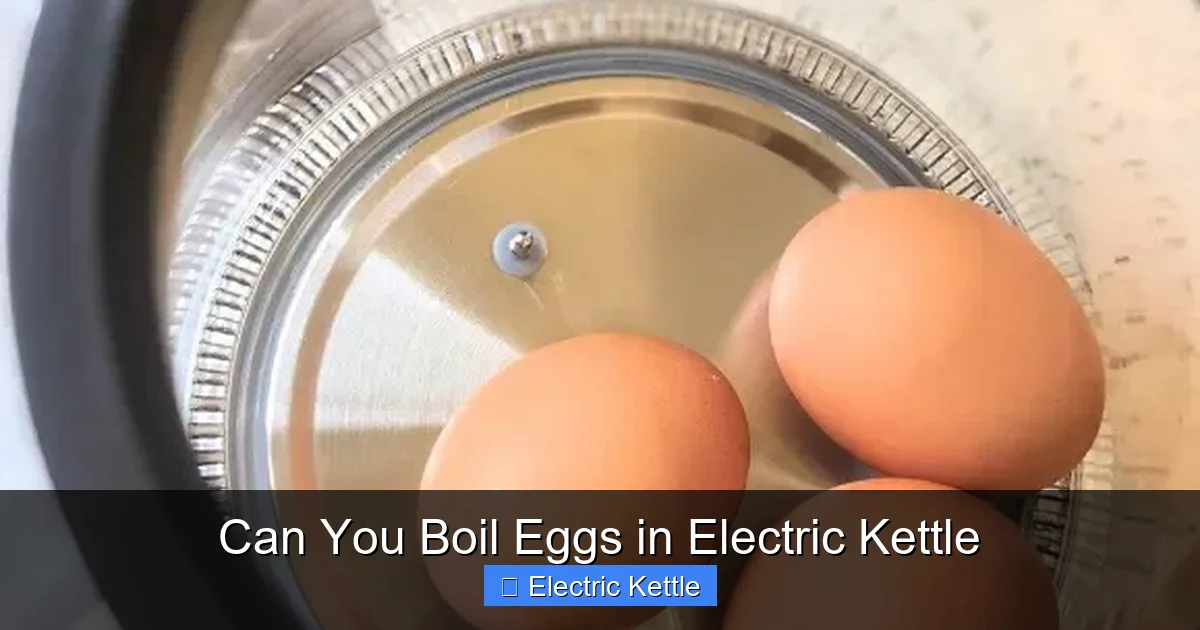
Visual guide about Can You Boil Eggs in Electric Kettle
Image source: irrorwxhiqijjr5q.ldycdn.com
To understand whether you can boil eggs in an electric kettle, it helps to know how these appliances function. Most electric kettles use a concealed heating element at the base that rapidly heats water to boiling point—usually around 212°F (100°C) at sea level. Once the water reaches the target temperature, an automatic shut-off mechanism kicks in to prevent overheating.
This design is perfect for making tea, coffee, or instant noodles. But when you introduce solid objects like eggs, things get more complicated. The heating element needs direct contact with water to function safely. If eggs block water flow or create air pockets, the element could overheat. Additionally, some kettles have sensors that detect steam or boiling sounds—these might get confused by the presence of eggs, leading to premature shut-off or failure to boil properly.
Another factor is the material of the kettle. Stainless steel kettles are generally more durable and better suited for this task than plastic or non-stick models. Plastic interiors can warp or release harmful fumes when exposed to high heat with foreign objects. Non-stick coatings, while easy to clean, may degrade if scratched by eggs or cleaning tools.
So, while the basic principle—boiling water to cook eggs—is sound, the appliance’s design plays a big role in whether it’s safe and effective.
Types of Electric Kettles: Which Are Safe for Boiling Eggs?
Not all electric kettles are created equal when it comes to boiling eggs. Here’s a quick breakdown:
– **Stainless steel kettles with open heating elements**: These are the best candidates. The open coil allows water to circulate freely around the eggs, reducing the risk of overheating.
– **Stainless steel kettles with concealed heating elements**: Still usable, but you must ensure the eggs don’t block water flow. Avoid stacking them too high.
– **Plastic kettles**: Not recommended. High heat can warp the plastic or release chemicals, especially if the eggs touch the sides.
– **Non-stick coated kettles**: Avoid. The coating can scratch or degrade, and eggs may stick or burn.
– **Glass kettles**: Use with caution. While glass is heat-resistant, sudden temperature changes (like dropping cold eggs into hot water) can cause cracking.
If your kettle has a “keep warm” function or variable temperature settings, that’s a bonus—you can fine-tune the boiling process for different egg doneness levels.
Step-by-Step Guide: How to Boil Eggs in an Electric Kettle
Ready to give it a try? Follow this simple, safe method to boil eggs in your electric kettle.
What You’ll Need
– Electric kettle (preferably stainless steel)
– Fresh eggs (room temperature)
– Tongs or a slotted spoon
– Bowl of ice water (for cooling)
– Timer
Step 1: Prepare the Eggs
Take your eggs out of the refrigerator about 15–20 minutes before boiling. Cold eggs dropped into hot water are more likely to crack. Room-temperature eggs adjust to the heat more gradually, reducing the risk of breakage.
Step 2: Fill the Kettle Properly
Add enough water to fully submerge the eggs—usually about 1–1.5 liters, depending on your kettle size. Don’t overfill. Leave at least 1 inch of space below the max fill line to allow for boiling expansion and steam.
Step 3: Place the Eggs Gently
Using tongs or a spoon, lower the eggs into the water one by one. Don’t drop them—this can crack the shells. Arrange them in a single layer if possible. Avoid overcrowding; two to four eggs are usually safe for a standard 1.7-liter kettle.
Step 4: Boil the Water
Close the lid and turn on the kettle. Most kettles will automatically shut off when the water reaches boiling point—usually in 3–5 minutes. If your kettle doesn’t auto-shutoff, monitor it closely to prevent dry boiling.
Step 5: Time the Eggs
Once the kettle shuts off, start your timer:
– **Soft-boiled**: 6–7 minutes
– **Medium-boiled**: 8–9 minutes
– **Hard-boiled**: 10–12 minutes
Use a spoon or tongs to gently lift an egg and check its doneness if unsure. Overcooking can lead to greenish yolks and rubbery textures.
Step 6: Cool and Peel
Immediately transfer the eggs to a bowl of ice water for 5–10 minutes. This stops the cooking process and makes peeling easier. The rapid cooling also helps separate the membrane from the shell.
Pro Tips for Best Results
– Add a pinch of salt or vinegar to the water—this can help seal small cracks and make peeling easier.
– Use older eggs if possible—they peel more easily than very fresh ones.
– Don’t reuse the water for drinking or cooking afterward—it may contain egg residue or minerals from the shells.
Safety Considerations and Risks
While boiling eggs in an electric kettle can be convenient, it’s not without risks. Here’s what to watch out for:
Overheating and Damage to the Kettle
If eggs block the water flow or create air pockets around the heating element, the kettle may overheat. This can damage the element, warp the base, or even cause a short circuit. Always ensure water circulates freely around the eggs.
Cracking and Mess
Eggs can crack during boiling, releasing albumin (egg white) into the water. This creates foam and can clog the kettle’s spout or sensor. It also makes cleanup more difficult. Using room-temperature eggs and gentle handling reduces this risk.
Warranty and Manufacturer Guidelines
Most electric kettle manufacturers do not recommend using their appliances for anything other than heating water. Doing so may void your warranty. Check your user manual before attempting this method. Some brands explicitly warn against boiling eggs or other food items.
Electrical Safety
Never operate a kettle with wet hands or on a wet surface. Ensure the base and cord are dry. If you notice any unusual smells, sparks, or malfunctions, stop using the kettle immediately.
Cross-Contamination
After boiling eggs, clean the kettle thoroughly. Residual egg proteins can affect the taste of future brews and promote bacterial growth. Use warm, soapy water and a soft brush to scrub the interior. Rinse well.
Pros and Cons of Boiling Eggs in an Electric Kettle
Like any kitchen hack, this method has its advantages and drawbacks. Let’s break them down.
Pros
– **Speed**: Electric kettles boil water faster than stovetops—often in under 5 minutes.
– **Energy Efficiency**: Kettles use less energy than boiling a full pot of water on the stove.
– **Convenience**: Great for small spaces, dorm rooms, or when the stove is in use.
– **Consistency**: Automatic shut-off ensures water reaches boiling point every time.
– **No Stovetop Needed**: Ideal for travelers or those with limited kitchen access.
Cons
– **Limited Capacity**: Most kettles can only handle 2–4 eggs at a time.
– **Risk of Damage**: Improper use can harm the kettle or void the warranty.
– **Cleanup Required**: Egg residue can be tricky to remove.
– **Not Universal**: Not all kettles are suitable—plastic and non-stick models are risky.
– **Lack of Control**: You can’t adjust heat levels mid-boil like on a stove.
Alternative Methods and When to Use Them
While boiling eggs in an electric kettle is handy, it’s not always the best option. Here are some alternatives and when to use them:
Stovetop Boiling (Traditional Method)
The most reliable and widely used method. Offers full control over heat and timing. Best for large batches or when precision is key.
Steam Cooking
Steaming eggs (using a steamer basket or dedicated egg cooker) results in easier peeling and less risk of overcooking. Ideal for soft-boiled eggs.
Microwave (Not Recommended)
While possible, microwaving eggs in shells is dangerous—they can explode due to steam buildup. Only use microwave-safe egg cookers designed for this purpose.
Instant Pot or Pressure Cooker
Excellent for hard-boiled eggs with minimal effort. The pressurized environment ensures even cooking and easy peeling.
When to Choose the Kettle Method
– You’re in a hurry and the stove is busy.
– You’re traveling or living in a small space.
– You only need 1–4 eggs.
– Your kettle is stainless steel and in good condition.
Cleaning and Maintenance After Use
Proper cleanup is essential to keep your kettle in top shape after boiling eggs.
Immediate Rinse
As soon as the kettle cools, rinse the interior with warm water to remove any egg residue or foam.
Deep Clean with Soap
Use a mild dish soap and a soft sponge or brush to scrub the inside. Pay attention to the heating element area and spout. Avoid abrasive cleaners that can scratch surfaces.
Descale Regularly
Mineral buildup from hard water can affect performance. Use a descaling solution or a mix of vinegar and water (1:1 ratio) to soak and rinse the kettle monthly.
Dry Thoroughly
Wipe the interior with a clean cloth and leave the lid open to air-dry completely before storing.
Check for Damage
Inspect the kettle for cracks, warping, or unusual odors. If anything seems off, stop using it and consider replacement.
Real-World Examples and User Experiences
Many people have successfully boiled eggs in electric kettles—here are a few real-life scenarios:
– **College Student in a Dorm**: Sarah, a sophomore, uses her stainless steel kettle to boil two eggs every morning. She says it’s faster than waiting for the communal stove and leaves her room smelling less like eggs than the microwave method.
– **Traveler in a Hotel Room**: Mark, a frequent business traveler, boils eggs in his portable kettle for a protein-rich breakfast. He uses a timer on his phone and always cleans the kettle afterward.
– **Minimalist Cook**: Lisa lives in a tiny apartment with no stove. Her electric kettle is her go-to for eggs, oatmeal, and instant meals. She’s used it for over a year with no issues—just regular cleaning.
These stories show that with the right kettle and careful practice, boiling eggs can be a safe and effective kitchen hack.
Conclusion: Is It Worth It?
So, can you boil eggs in an electric kettle? Absolutely—if you have the right kettle and follow the right steps. It’s a clever, time-saving trick that works well in a pinch, especially for small batches. Just remember: safety first. Use a stainless steel kettle, avoid overfilling, and always clean up afterward.
While it may not replace your stovetop for everyday use, it’s a valuable backup method for busy mornings, travel, or small-space living. And who knows? Once you master it, you might find yourself using your kettle for more than just tea.
Just don’t forget to check your warranty, treat your appliance with care, and enjoy those perfectly boiled eggs—no stove required.
Frequently Asked Questions
Can you boil eggs in any electric kettle?
Not all electric kettles are safe for boiling eggs. Avoid plastic, non-stick, or glass models. Stainless steel kettles with open or concealed heating elements are the best choice, provided you follow safety guidelines.
Will boiling eggs damage my electric kettle?
It can, if done improperly. Overheating, blocked water flow, or egg residue buildup may damage the heating element or interior. Always use room-temperature eggs, don’t overfill, and clean the kettle thoroughly afterward.
How long does it take to boil eggs in an electric kettle?
The kettle itself boils water in 3–5 minutes. After that, soft-boiled eggs need 6–7 minutes, medium 8–9 minutes, and hard-boiled 10–12 minutes in the hot water. Total time is usually under 15 minutes.
Can I boil more than four eggs at once?
It’s not recommended. Most standard kettles (1.5–1.7 liters) can safely handle 2–4 eggs. Overcrowding can block water circulation, increase cracking risk, and strain the heating element.
Do I need to add anything to the water?
Adding a pinch of salt or a teaspoon of vinegar can help seal small cracks and make peeling easier. However, it’s not required—plain water works fine.
Is it safe to drink water from the kettle after boiling eggs?
No. Egg residue and minerals from the shells can affect taste and hygiene. Always rinse and clean the kettle thoroughly before using it for beverages.