Boiling milk in an electric tea kettle is not recommended due to safety hazards, potential damage to the appliance, and cleaning challenges. While it may seem convenient, milk’s tendency to scorch, foam, and leave stubborn residue makes it a poor fit for most kettles. Learn safer alternatives and proper care tips to protect your kettle and enjoy your beverages worry-free.
Key Takeaways
- Most electric tea kettles are not designed for milk: They lack the temperature control and non-stick surfaces needed to handle dairy safely.
- Milk can scorch and burn: High heat causes milk to stick to heating elements, leading to burnt flavors and potential fire risks.
- Cleaning becomes difficult: Dried milk residue clogs vents, coats sensors, and is hard to remove, reducing kettle lifespan.
- Foaming can cause overflow: Milk expands when heated, increasing the risk of boiling over and damaging electrical components.
- Warranty may be voided: Using your kettle for milk when the manual prohibits it can void manufacturer warranties.
- Safer alternatives exist: Use a stovetop saucepan, microwave-safe container, or a dedicated milk frother for heating milk.
- Some specialized kettles allow milk: A few models with stainless steel interiors and milk-specific settings can handle dairy—check your user manual first.
📑 Table of Contents
- Can You Boil Milk in an Electric Tea Kettle?
- Why Electric Tea Kettles Aren’t Designed for Milk
- The Risks of Boiling Milk in an Electric Kettle
- When Is It Safe to Use an Electric Kettle for Milk?
- Safer Alternatives to Boiling Milk
- How to Clean Your Kettle After Accidental Milk Use
- Tips for Maintaining Your Electric Tea Kettle
- Conclusion
Can You Boil Milk in an Electric Tea Kettle?
You’re craving a warm cup of chai or a creamy hot chocolate, and your electric tea kettle is right there—hot, ready, and fast. It’s tempting to pour in the milk and hit the boil button. After all, it heats water in under five minutes. Why not milk?
But before you do, pause. While it might seem like a time-saving hack, boiling milk in an electric tea kettle is generally not a good idea. Most kettles are engineered for water—clear, non-sticky, and predictable. Milk, on the other hand, is a complex liquid full of proteins, fats, and sugars that behave very differently when heated. It scalds easily, foams up, and leaves behind a sticky film that’s tough to clean.
In this guide, we’ll explore why boiling milk in an electric tea kettle can be risky, what happens when you do it, and—most importantly—how to heat your milk safely without damaging your appliance or compromising your drink. Whether you’re a busy parent, a student in a dorm, or just someone who loves a good latte, this information will help you make smarter choices in the kitchen.
Why Electric Tea Kettles Aren’t Designed for Milk
Visual guide about Can You Boil Milk in an Electric Tea Kettle
Image source: i.redd.it
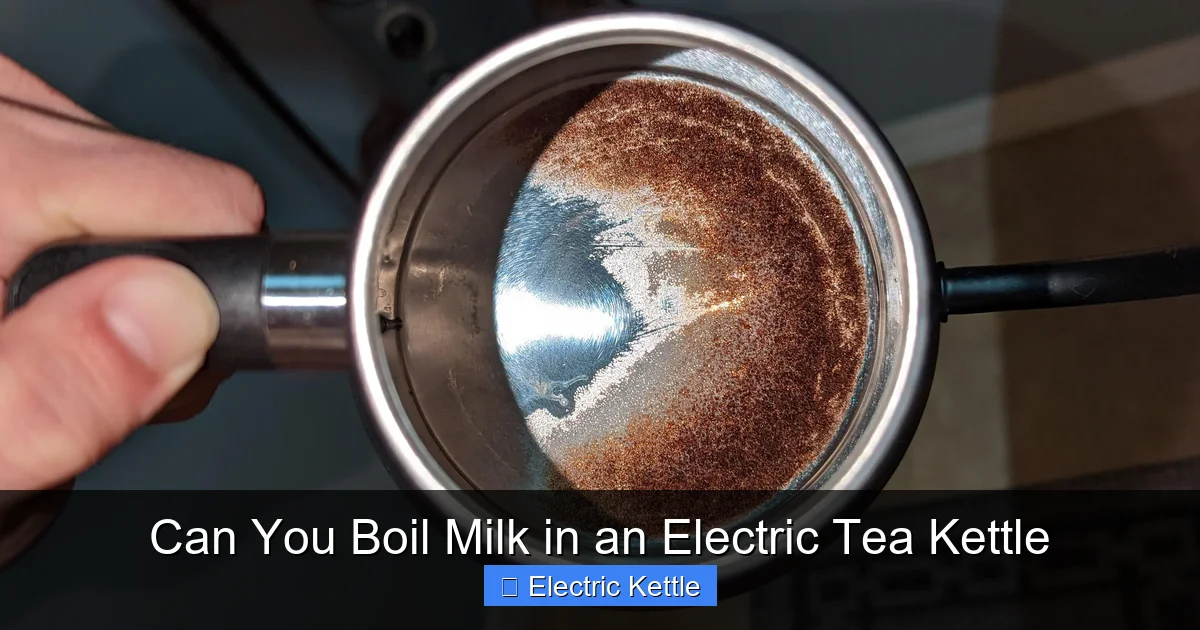
Electric tea kettles are built with one primary purpose: to boil water quickly and efficiently. Their design reflects that. Most models feature a concealed heating element at the base, a thermostat to shut off at boiling point, and a spout for easy pouring. Some have glass or plastic bodies, while others use stainless steel. But none of these features are optimized for dairy.
Heating Element and Temperature Control
The heating element in an electric kettle is designed to bring water to a rolling boil—typically around 212°F (100°C) at sea level. Water evaporates cleanly and doesn’t stick to surfaces. Milk, however, begins to denature at much lower temperatures. Proteins like casein and whey start to break down around 140°F (60°C), and if heated too quickly or unevenly, they coagulate and stick to the heating element.
This creates a layer of burnt milk that not only ruins the taste of your drink but can also insulate the heating element. When the element can’t transfer heat efficiently, the kettle may overheat, trigger safety shut-offs, or in rare cases, pose a fire risk.
Lack of Non-Stick or Milk-Safe Surfaces
Unlike pans designed for milk—such as those with non-stick coatings or double-bottom construction—most electric kettles have smooth but untreated interiors. Stainless steel models may resist sticking better than plastic, but they still aren’t made to handle the sticky nature of heated milk. Even a small amount of residue can build up over time, leading to odors, discoloration, and reduced performance.
Thermostat and Auto-Shutoff Limitations
Many kettles use thermostats that detect steam or temperature changes to shut off automatically. But milk doesn’t produce the same steam pattern as water. It can foam and bubble differently, tricking the sensor into thinking it’s done boiling when it’s not—or worse, not shutting off at all if the foam blocks the sensor. This can lead to overheating, scorching, or even boiling dry if the milk evaporates unevenly.
The Risks of Boiling Milk in an Electric Kettle
Now that we know why kettles aren’t built for milk, let’s look at the real-world consequences of ignoring that design.
Scorching and Burnt Flavors
One of the most common issues is scorching. Milk proteins and sugars caramelize when exposed to high heat, especially near the heating element. This creates a burnt, unpleasant taste that can linger in your kettle for days—even after cleaning. Imagine sipping your morning tea and tasting charred milk. Not exactly appetizing.
For example, if you pour a cup of whole milk into your kettle and press boil, the bottom layer heats rapidly while the top stays cooler. The milk near the element can reach 180°F (82°C) in seconds, while the rest is still lukewarm. This uneven heating causes localized burning, leaving a brown film at the base.
Foaming and Overflow
Milk contains proteins that create foam when agitated by heat. As it warms, bubbles form and expand, causing the liquid to rise rapidly. In a narrow kettle spout, this foam can overflow, spilling hot milk onto the base, electrical components, or countertop.
This isn’t just messy—it’s dangerous. Spilled milk can seep into the kettle’s electrical housing, causing short circuits, corrosion, or malfunctions. In extreme cases, it could even lead to electrical shocks or fires, especially if the kettle isn’t designed to handle liquid spills.
Difficult and Incomplete Cleaning
Cleaning a kettle after boiling milk is a chore. Unlike water, which leaves no residue, milk dries into a sticky, yellowish film that clings to surfaces. It can clog the spout, coat the heating element, and block ventilation holes.
Even with scrubbing and vinegar soaks, some residue may remain. Over time, this buildup affects performance. The kettle may take longer to heat, make odd noises, or fail to shut off properly. In severe cases, the heating element may corrode or short out, requiring replacement.
Voiding the Warranty
Most manufacturers explicitly state in their user manuals that electric kettles should only be used for water. Using them for milk, juice, or other liquids can void the warranty. If your kettle breaks down after you’ve boiled milk, you may be out of luck when seeking repairs or replacements.
For instance, a popular brand like Breville or Cuisinart may deny warranty claims if they detect milk residue during inspection. Even if the damage isn’t immediately obvious, internal corrosion or sensor failure linked to dairy use can be traced back to misuse.
When Is It Safe to Use an Electric Kettle for Milk?
So, is it ever okay to boil milk in an electric tea kettle? The short answer: rarely—and only under specific conditions.
Check Your User Manual
The first step is always to consult your kettle’s user manual. Some high-end models, particularly those marketed for coffee or tea enthusiasts, include features that make them more suitable for milk. These may include:
– Stainless steel interiors (easier to clean than plastic)
– Variable temperature settings (allowing lower heat for milk)
– Milk-specific presets or modes
– Removable, dishwasher-safe components
For example, the Fellow Stagg EKG or the Bonavita Gooseneck Kettle offer precise temperature control, which can help prevent scorching. However, even these are not officially endorsed for milk boiling—so proceed with caution.
Specialized Milk Kettles Exist
A few appliances are specifically designed to heat milk. These include:
– **Milk frothers and steamers** (like those on espresso machines)
– **Electric milk warmers** (small, dedicated devices for baby bottles or coffee)
– **Multi-function kettles** with dual chambers or milk modes
These devices often have lower wattage, gentler heating, and non-stick coatings to handle dairy safely. If you frequently heat milk, investing in one of these may be worth it.
DIY Workarounds (With Caution)
If you’re determined to use your kettle for milk, here are a few tips to reduce risk:
– **Dilute the milk:** Mix milk with water (e.g., 50/50) to reduce sticking and foaming.
– **Use low heat:** If your kettle has variable settings, choose the lowest temperature (around 140–160°F or 60–70°C).
– **Stir frequently:** Use a long spoon to stir the milk while heating to prevent hot spots.
– **Don’t fill to the top:** Leave plenty of space to prevent overflow.
– **Clean immediately:** Rinse the kettle with warm water right after use, then wash with mild soap and a soft brush.
Even with these precautions, the risk remains. It’s still safer to use alternative methods.
Safer Alternatives to Boiling Milk
Thankfully, there are many better ways to heat milk without risking your kettle.
Stovetop Method (Most Reliable)
The classic way to heat milk is on the stove. Use a small saucepan over low to medium heat. Stir constantly with a wooden or silicone spoon to prevent scorching. Heat until steam rises and small bubbles form around the edges—usually around 150–160°F (65–70°C). Remove from heat immediately.
This method gives you full control over temperature and timing. It’s ideal for making hot chocolate, chai, or warm milk for toddlers.
Microwave Method (Quick and Easy)
For a faster option, use a microwave-safe mug or glass. Pour in the milk and heat in 15–30 second intervals, stirring between each. This prevents overheating and hot spots.
Tip: Place a wooden stir stick or microwave-safe spoon in the mug. It helps prevent superheating, a phenomenon where milk heats beyond boiling without bubbling—then erupts when disturbed.
Electric Milk Frother or Steamer
If you love lattes or cappuccinos, consider an electric milk frother. These devices heat and froth milk simultaneously, often with temperature controls. Models like the Nespresso Aeroccino or the Breville Milk Cafe are popular choices.
They’re designed specifically for dairy, so you won’t have to worry about damage or cleanup.
Thermos or Insulated Pitcher
For warm milk on the go, heat it safely on the stove or microwave, then transfer it to a thermos. This keeps it warm for hours without needing to reheat.
How to Clean Your Kettle After Accidental Milk Use
So, you went ahead and boiled milk. Now what? Don’t panic—act fast.
Immediate Rinse
As soon as the kettle cools slightly (but is still warm), rinse it with warm water. This helps loosen fresh residue before it dries.
Soak and Scrub
Fill the kettle with warm water and add a few drops of dish soap. Let it soak for 15–30 minutes. Use a soft bottle brush or sponge to scrub the interior, especially around the heating element and spout.
For stubborn stains, try a paste of baking soda and water. Apply it to the affected areas, let it sit for 10 minutes, then scrub gently.
Vinegar Solution for Deep Cleaning
If there’s lingering odor or discoloration, use a 50/50 mix of white vinegar and water. Fill the kettle, bring it to a boil (yes, with vinegar—this is safe for most kettles), then let it sit for 15 minutes. Pour out the solution and rinse thoroughly.
Repeat if necessary. Vinegar helps dissolve mineral deposits and organic residues.
Final Rinse and Dry
Rinse the kettle multiple times with clean water to remove all vinegar or soap. Wipe the exterior with a damp cloth and let it air dry completely before using again.
Tips for Maintaining Your Electric Tea Kettle
To keep your kettle in top shape—and avoid future mishaps—follow these best practices:
– **Only use water:** Stick to the manufacturer’s guidelines.
– **Descale regularly:** Use vinegar or a commercial descaler every 1–2 months to remove limescale.
– **Wipe the exterior:** Clean the outside with a damp cloth to prevent dust and spills.
– **Store properly:** Keep the kettle dry and unplugged when not in use.
– **Inspect for damage:** Check the cord, base, and interior for cracks or wear.
By treating your kettle with care, you’ll extend its life and ensure safe, efficient performance for years.
Conclusion
So, can you boil milk in an electric tea kettle? Technically, yes—but should you? Almost always, no.
While it might seem like a convenient shortcut, the risks far outweigh the benefits. Milk’s tendency to scorch, foam, and leave residue can damage your kettle, create safety hazards, and ruin your beverages. Most kettles simply aren’t built to handle dairy, and using them for milk can void warranties and shorten their lifespan.
Instead, opt for safer, more effective methods like stovetop heating, microwaving, or using a dedicated milk frother. These options give you better control, cleaner results, and peace of mind.
If you’re ever tempted to try it, ask yourself: Is saving two minutes worth potentially ruining a $50 appliance? Probably not.
Take care of your kettle, and it will take care of your tea—and your taste buds—for many mornings to come.
Frequently Asked Questions
Can I boil milk in any electric kettle?
No, most electric kettles are not designed for milk. Only a few specialized models with stainless steel interiors and temperature controls may handle it—check your manual first.
What happens if I boil milk in my kettle once?
You might get away with it if you clean it immediately, but there’s still a risk of scorching, residue buildup, or sensor damage. Repeated use increases the chance of permanent harm.
Can I use my kettle for almond or oat milk?
Plant-based milks can also scorch and leave residue, so the same risks apply. It’s safer to heat them on the stove or in the microwave.
How do I know if my kettle is damaged from milk?
Signs include strange smells, discoloration, longer heating times, failure to shut off, or visible residue. If you notice these, stop using it and clean thoroughly.
Is it safe to boil milk in a glass electric kettle?
Glass kettles are easier to clean, but they still lack the design features needed for milk. The heating element and thermostat remain vulnerable to dairy-related issues.
What’s the best way to heat milk for coffee?
Use a small saucepan on low heat, stir constantly, and remove just before boiling. For frothy drinks, an electric milk frother is ideal.