You can clean an electric kettle with soap, but it must be done carefully to avoid damaging the heating element or leaving harmful residues. Always use mild dish soap, avoid submerging the base, and rinse thoroughly. Regular cleaning keeps your kettle safe, efficient, and tasting great.
Key Takeaways
- Yes, soap is safe for cleaning electric kettles: Mild dish soap can be used on the interior and exterior surfaces, but never on electrical components.
- Never submerge the base or heating element: Water and electricity don’t mix—always unplug and avoid getting the base wet.
- Rinse thoroughly after using soap: Leftover soap residue can affect the taste of your water and may be harmful if ingested.
- Use a soft sponge or cloth: Avoid abrasive scrubbers that can scratch stainless steel or plastic interiors.
- Clean regularly to prevent buildup: Mineral deposits and soap scum can affect performance and water taste over time.
- Alternative cleaning methods exist: Vinegar and baking soda are effective for descaling and deep cleaning without soap.
- Check your manufacturer’s instructions: Some brands recommend specific cleaning products or methods to maintain warranty coverage.
📑 Table of Contents
- Can You Clean an Electric Kettle with Soap? The Truth Explained
- Why Cleaning Your Electric Kettle Matters
- Is It Safe to Use Soap on an Electric Kettle?
- Step-by-Step Guide to Cleaning Your Electric Kettle with Soap
- Alternative Cleaning Methods: When to Skip the Soap
- Common Mistakes to Avoid When Cleaning Your Kettle
- How Often Should You Clean Your Electric Kettle?
- Conclusion: Keep Your Kettle Clean and Safe
Can You Clean an Electric Kettle with Soap? The Truth Explained
If you’ve ever wondered whether it’s safe to clean your electric kettle with soap, you’re not alone. Many people assume that because kettles heat water to boiling temperatures, they’re self-cleaning. But that’s not entirely true. Over time, mineral deposits, soap scum, and even mold can build up inside your kettle—especially if you use it daily. So, can you clean an electric kettle with soap? The short answer is yes—but with important caveats.
Using soap to clean your electric kettle is not only possible but often recommended for removing grease, residue, and odors. However, it must be done correctly to avoid damaging the appliance or compromising your health. The key is knowing which parts can be cleaned with soap and which must remain dry. The heating element, electrical base, and cord should never come into contact with water or cleaning agents. But the interior chamber, lid, and exterior surfaces can be safely cleaned with mild dish soap when done properly.
In this guide, we’ll walk you through everything you need to know about cleaning your electric kettle with soap—including when it’s appropriate, how to do it safely, and what alternatives exist. Whether you’re dealing with hard water stains, lingering odors, or just routine maintenance, we’ve got you covered. By the end, you’ll know exactly how to keep your kettle sparkling clean and your tea tasting fresh.
Why Cleaning Your Electric Kettle Matters
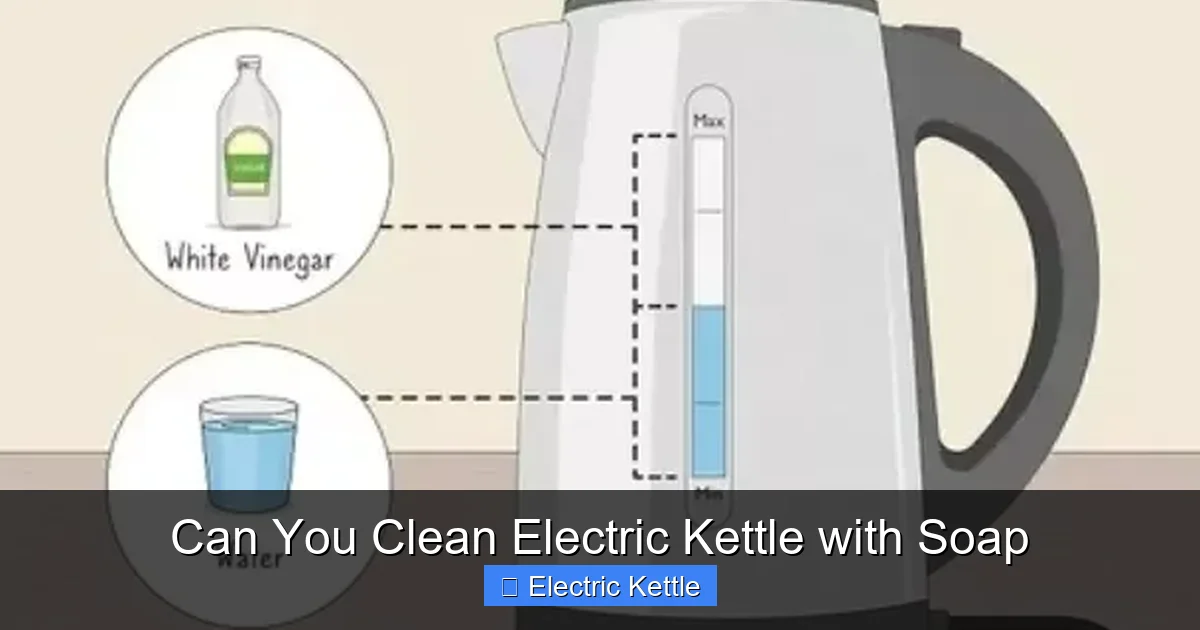
Visual guide about Can You Clean Electric Kettle with Soap
Image source: irrorwxhiqijjr5q.ldycdn.com
You might think your electric kettle doesn’t need much cleaning—after all, it boils water, which kills bacteria, right? While it’s true that boiling water eliminates most harmful microbes, that doesn’t mean your kettle stays clean. In fact, the very process of boiling water can contribute to buildup over time.
One of the biggest culprits is limescale, a chalky deposit formed from minerals like calcium and magnesium in hard water. These minerals don’t evaporate when water boils—they settle on the walls of your kettle and the heating element. Over time, this buildup can reduce heating efficiency, increase energy consumption, and even affect the taste of your water. You might notice a metallic or bitter flavor in your tea or coffee, which is often a sign of mineral deposits or soap residue.
Beyond limescale, other contaminants can accumulate. If you use your kettle for more than just water—like herbal teas, instant coffee, or flavored drinks—residues can stick to the interior. These can harbor bacteria or mold, especially in warm, moist environments. Even if you only use it for plain water, dust, fingerprints, and soap scum from washing can build up on the exterior and inside the spout.
Regular cleaning not only improves the taste and safety of your water but also extends the life of your kettle. A clean heating element works more efficiently, reducing wear and tear. Plus, a spotless kettle just looks better on your countertop. So whether you’re using soap, vinegar, or a commercial cleaner, making cleaning a habit is one of the best things you can do for your appliance.
Is It Safe to Use Soap on an Electric Kettle?
Now for the big question: is it safe to clean an electric kettle with soap? The answer is a cautious yes—provided you follow the right steps. Not all soaps are created equal, and not all parts of the kettle should be exposed to soap or water.
First, let’s talk about the type of soap. Mild dish soap, like Dawn or Seventh Generation, is ideal. These are designed to cut through grease and residue without leaving strong chemical odors. Avoid using harsh detergents, bleach, or antibacterial soaps, as they can leave behind toxic residues that are hard to rinse out. You also want to steer clear of soaps with added fragrances or dyes, which can linger in the kettle and affect the taste of your water.
Next, consider the parts of the kettle. The interior chamber—where the water sits—is generally safe to clean with soap. This is where most buildup occurs, so a gentle scrub with soapy water can help remove stains and odors. The lid, spout, and exterior surfaces can also be wiped down with a soapy cloth. However, the base of the kettle—the part that plugs into the outlet—must never be submerged or soaked. This includes the heating element, electrical contacts, and cord. Water and electricity are a dangerous combination, and even a small amount of moisture can cause short circuits or damage the appliance.
So how do you clean safely? Start by unplugging the kettle and letting it cool completely. Never clean a hot or recently used kettle, as sudden temperature changes can damage the materials. Then, mix a few drops of mild dish soap with warm water in the kettle. Swirl it around to coat the interior, then use a soft sponge or cloth to gently scrub the walls, spout, and lid. Avoid using steel wool or abrasive pads, as they can scratch stainless steel or plastic surfaces.
After scrubbing, rinse the kettle thoroughly—at least three times—to ensure no soap remains. Any leftover residue can affect the taste of your water and may be harmful if ingested over time. Once rinsed, dry the interior with a clean towel or let it air dry with the lid open. Wipe the exterior with a damp cloth and dry it completely before storing or using again.
Step-by-Step Guide to Cleaning Your Electric Kettle with Soap
Cleaning your electric kettle with soap doesn’t have to be complicated. With the right approach, it’s a quick and effective way to keep your appliance in top condition. Follow this step-by-step guide to ensure a safe and thorough clean.
Step 1: Unplug and Cool Down
Before you start, make sure the kettle is unplugged and completely cool. Never attempt to clean a hot kettle, as the sudden temperature change can cause cracking or warping, especially in glass or plastic models. Give it at least 30 minutes to cool down after use.
Step 2: Empty and Rinse
Pour out any remaining water and give the kettle a quick rinse with clean water. This removes loose debris and makes the soap more effective.
Step 3: Prepare Soapy Water
Add a few drops of mild dish soap to the kettle, then fill it about halfway with warm water. Swirl the mixture around to coat the interior surfaces. For stubborn stains or odors, let the soapy water sit for 10–15 minutes before scrubbing.
Step 4: Scrub Gently
Use a soft sponge, cloth, or bottle brush to gently scrub the inside of the kettle. Pay special attention to the spout, lid, and areas around the heating element (if visible). Avoid abrasive tools that can scratch the surface. For hard-to-reach spots, a toothbrush can be helpful.
Step 5: Clean the Exterior
Dampen a cloth with soapy water and wipe down the outside of the kettle, including the handle and base. Be careful not to let water seep into the electrical components. Dry immediately with a clean towel.
Step 6: Rinse Thoroughly
Empty the soapy water and rinse the kettle at least three times with clean water. Any soap residue can affect the taste of your water, so make sure it’s completely gone.
Step 7: Dry and Store
Dry the interior with a clean cloth or let it air dry with the lid open. Wipe the exterior dry and store the kettle in a cool, dry place. Always ensure it’s completely dry before plugging it in again.
Alternative Cleaning Methods: When to Skip the Soap
While soap is effective for general cleaning, there are times when you might want to skip it altogether. For example, if your kettle has heavy limescale buildup, soap alone won’t be enough. In these cases, natural alternatives like vinegar and baking soda can be more effective—and safer for your health.
Vinegar Solution for Descaling
White vinegar is a powerhouse when it comes to removing mineral deposits. To use it, mix equal parts white vinegar and water and fill the kettle about halfway. Let it sit for 30 minutes to an hour, then bring the solution to a boil. Turn off the heat and let it cool before emptying. Rinse thoroughly with clean water—several times—to remove any vinegar taste. For extra cleaning power, you can scrub gently with a soft brush after the vinegar soak.
Baking Soda Paste for Stains and Odors
Baking soda is great for tackling stubborn stains and neutralizing odors. Make a paste by mixing baking soda with a small amount of water. Apply the paste to stained areas and let it sit for 15–20 minutes. Scrub gently with a soft cloth or sponge, then rinse thoroughly. This method is especially useful for kettles that have been used for flavored drinks or have developed a funky smell.
Commercial Descalers
If you prefer a ready-made solution, there are commercial descaling products designed specifically for kettles and coffee makers. These are typically citric acid-based and come in powder or liquid form. Follow the instructions on the package, as concentrations and soaking times can vary. Always rinse thoroughly after use.
One advantage of these alternatives is that they don’t leave behind soap residues, which can be hard to fully remove. They’re also more eco-friendly and less likely to irritate sensitive skin. However, they may not be as effective at removing grease or food-based residues, so a combination of methods is often best.
Common Mistakes to Avoid When Cleaning Your Kettle
Even with the best intentions, it’s easy to make mistakes when cleaning your electric kettle. Here are some common pitfalls to watch out for:
Submerging the Base
This is the biggest no-no. Never place the base of your kettle in water or let water pool around the electrical components. Even a small amount of moisture can cause corrosion or electrical failure. Always wipe the base with a damp cloth and dry it immediately.
Using Harsh Chemicals
Avoid bleach, ammonia, or strong cleaning agents. These can leave toxic residues and damage the kettle’s interior lining. Stick to mild soap, vinegar, or baking soda for safe and effective cleaning.
Skipping the Rinse
Rinsing is just as important as cleaning. Soap, vinegar, or descaling agents must be completely removed to avoid affecting the taste of your water. Rinse at least three times and consider boiling a full kettle of clean water afterward to flush out any lingering traces.
Using Abrasive Tools
Steel wool, scouring pads, or harsh brushes can scratch the interior of your kettle, creating grooves where bacteria and residue can hide. Always use soft sponges or cloths.
Cleaning While Hot
Never clean a hot kettle. The sudden temperature change can cause glass to crack or plastic to warp. Always let it cool completely first.
How Often Should You Clean Your Electric Kettle?
The frequency of cleaning depends on how often you use your kettle and the quality of your water. If you live in an area with hard water, you may need to descale your kettle every 2–4 weeks. For general cleaning with soap, once a month is usually sufficient—unless you notice odors, stains, or residue.
If you use your kettle daily, consider doing a quick rinse after each use and a deeper clean weekly. For occasional users, a monthly cleaning should be enough. Always inspect your kettle regularly for signs of buildup, such as white spots, cloudy water, or unusual tastes.
Conclusion: Keep Your Kettle Clean and Safe
So, can you clean an electric kettle with soap? Absolutely—but only when done correctly. Mild dish soap is safe for the interior and exterior surfaces, but never use it on the electrical base or heating element. Always rinse thoroughly to avoid residue, and consider using vinegar or baking soda for deeper cleaning and descaling.
Regular maintenance not only keeps your kettle looking and tasting great but also ensures it operates efficiently and safely. By following the steps and tips in this guide, you can extend the life of your appliance and enjoy cleaner, better-tasting water every time you boil.
Remember: a clean kettle is a happy kettle. Make cleaning a habit, and your morning tea will thank you.
Frequently Asked Questions
Can I use antibacterial soap to clean my electric kettle?
It’s best to avoid antibacterial soap, as it may leave behind chemical residues that are hard to rinse out. Stick to mild, fragrance-free dish soap for safety and better taste.
What if I accidentally got soap in the base of my kettle?
If water or soap enters the base, unplug the kettle immediately and let it dry completely for at least 24 hours. Do not use it until you’re sure it’s dry inside. If you notice any malfunction, contact the manufacturer.
Can I clean a glass electric kettle with soap?
Yes, glass kettles can be cleaned with mild soap, but be extra gentle to avoid scratching. Rinse thoroughly and dry completely to prevent water spots.
How do I remove soap taste from my kettle?
Rinse the kettle several times with clean water, then boil a full kettle of fresh water and discard it. Repeat if necessary until the taste is gone.
Is it safe to clean the heating element with soap?
No, never clean the heating element directly with soap or water. If it’s exposed, wipe it gently with a damp cloth and dry immediately. Most kettles have concealed elements that don’t require direct cleaning.
Can I use lemon juice instead of vinegar?
Yes, lemon juice is a natural alternative to vinegar and works well for descaling. Use the same method—mix with water, soak, boil, and rinse thoroughly.