You absolutely can cook in an electric kettle—and it’s easier than you think. From soft-boiled eggs to instant oatmeal and even simple pasta, your kettle can do more than just boil water. With the right techniques and safety precautions, cooking in an electric kettle is a fast, convenient way to prepare quick meals, especially in dorms, offices, or small spaces.
Key Takeaways
- Yes, you can cook in an electric kettle: Many foods like eggs, oatmeal, noodles, and even dumplings can be safely prepared using just boiling water.
- Safety first: Never submerge the base or electrical parts in water, and avoid overfilling to prevent spills and damage.
- Choose the right foods: Stick to items that only need boiling water or brief cooking—avoid greasy, starchy, or sticky foods that can clog the kettle.
- Clean thoroughly after cooking: Residue from food can build up and affect taste or performance, so rinse and descale regularly.
- Not all kettles are equal: Kettles with flat heating elements or wider openings are better for cooking than those with concealed coils.
- Great for small spaces: Ideal for students, travelers, or office workers who lack a stove or microwave.
- Experiment wisely: Start with simple recipes and gradually try more complex dishes as you learn your kettle’s limits.
📑 Table of Contents
- Can You Really Cook in an Electric Kettle?
- How Electric Kettles Work—And Why They Can Cook
- What Can You Cook in an Electric Kettle?
- Safety Tips for Cooking in an Electric Kettle
- Cleaning and Maintenance After Cooking
- Best Electric Kettles for Cooking
- Creativity in the Kettle: Fun and Unexpected Recipes
- Limitations and What NOT to Do
- Conclusion: Your Kettle, Your Kitchen
Can You Really Cook in an Electric Kettle?
You’ve probably used your electric kettle a hundred times to make tea, coffee, or instant soup. But have you ever thought about using it to actually *cook* food? The idea might sound a little unusual at first—after all, kettles are designed to boil water, not prepare meals. But here’s the truth: **yes, you can cook in an electric kettle**, and it’s not only possible—it’s surprisingly practical.
Imagine this: You’re in a dorm room with no stove, stuck in a hotel with just a mini-fridge, or working late at the office with only a microwave that’s out of order. Your electric kettle becomes your lifeline. With a little creativity and some basic know-how, you can whip up a warm, satisfying meal in minutes. From soft-boiled eggs to creamy oatmeal and even simple pasta dishes, your kettle can do more than just heat water—it can help you cook real food.
But before you start tossing in raw chicken or frying up some bacon (please don’t!), it’s important to understand what’s safe, what works, and what could damage your appliance. Cooking in an electric kettle isn’t about turning it into a full-fledged kitchen—it’s about making the most of its boiling power in smart, safe ways. In this guide, we’ll explore exactly what you can cook, how to do it safely, and why this humble appliance might just become your new favorite kitchen hack.
How Electric Kettles Work—And Why They Can Cook
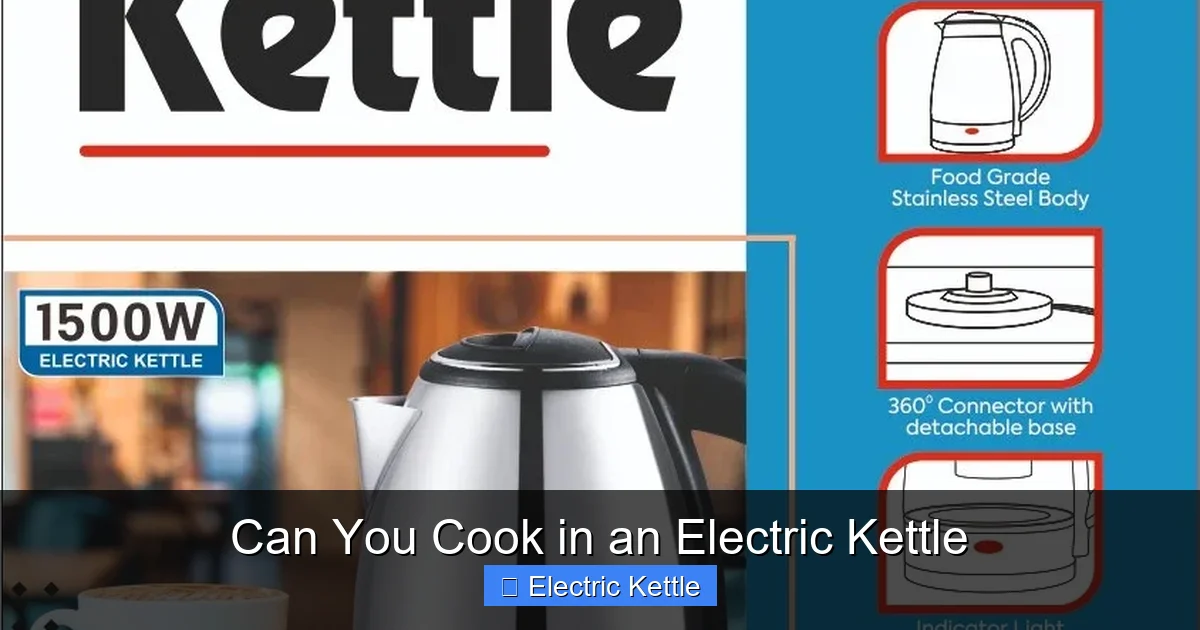
Visual guide about Can You Cook in an Electric Kettle
Image source: 5.imimg.com
To understand why cooking in an electric kettle is possible, let’s take a quick look at how these appliances function. Most electric kettles use a heating element—either exposed or concealed beneath a flat base—to rapidly boil water. When you press the switch, electricity flows through the element, generating heat that transfers to the water. Within minutes, you’ve got piping-hot water ready for your tea or coffee.
But here’s the key: **that same boiling water can be used to cook food**. Unlike a microwave or stovetop, an electric kettle doesn’t have precise temperature controls or timers, but it does deliver consistent, high heat—perfect for foods that only need to be submerged in boiling water for a short time.
The magic lies in the fact that many foods don’t require complex cooking methods. Oats soften in hot water. Eggs cook when exposed to boiling liquid. Pasta absorbs water and becomes tender. Even some vegetables, like spinach or green beans, can be quickly blanched in boiling water. Your kettle provides that hot environment—no stove required.
Of course, not every electric kettle is created equal. Some models have wider openings, making it easier to drop in ingredients. Others have flat, accessible heating elements that allow food to sit directly on the base (though this requires caution). Kettles with concealed coils are generally safer for cooking, as there’s less risk of food sticking or burning.
One important note: **never use your kettle to fry, sauté, or cook with oil**. The high heat and enclosed space make it unsafe for greasy foods, and oil can damage the interior or create smoke. Stick to water-based cooking methods—boiling, steaming, or rehydrating—and you’ll be in good shape.
What Can You Cook in an Electric Kettle?
Now for the fun part: what can you actually make? The answer might surprise you. While you won’t be baking a cake or grilling a steak, there’s a wide range of foods that can be cooked or prepared using just boiling water. Here are some of the most popular and practical options:
1. Oatmeal and Porridge
One of the easiest and most popular uses for an electric kettle is making oatmeal. Simply add rolled oats and water (or milk, if your kettle allows it), boil, and let it sit for a few minutes. The result? Creamy, warm porridge in under five minutes. Add cinnamon, fruit, or a drizzle of honey for extra flavor.
Pro tip: Use a 1:2 ratio of oats to water for a thicker consistency. Stir occasionally to prevent sticking.
2. Eggs (Soft-Boiled or Hard-Boiled)
Yes, you can boil eggs in an electric kettle! Place eggs gently into the kettle, cover with water, and boil for 6–10 minutes depending on how well-done you like them. For soft-boiled eggs, aim for 6–7 minutes; for hard-boiled, go for 9–10.
Be careful not to overcrowd the kettle, and use a spoon to lower the eggs in to avoid cracking. Once done, transfer them to cold water to stop the cooking process.
3. Instant Noodles and Pasta
Instant ramen is a classic kettle meal—just add noodles and flavor packet, cover with boiling water, and let it sit. But you can also cook regular pasta! Break long noodles in half if needed, add them to the kettle with plenty of water, and boil for 8–12 minutes, stirring occasionally.
Drain the water using a fine mesh strainer or lid with small holes, then add sauce or toppings. It’s not gourmet, but it’s hot, filling, and fast.
4. Dumplings and Wontons
Frozen dumplings or wontons can be cooked directly in boiling water. Add them to the kettle, cover, and boil for 5–7 minutes until they float and are tender. Serve with soy sauce or a simple dipping sauce.
This works especially well with thin-skinned dumplings. Avoid overloading the kettle—cook in batches if needed.
5. Rice and Grains
Cooking rice in a kettle is trickier but possible with the right method. Use quick-cooking rice or pre-soaked grains. Add rice and water (1:2 ratio), boil, then let it sit covered for 10–15 minutes to steam.
It won’t be as fluffy as stovetop rice, but it’s edible and convenient. Rinse the kettle thoroughly afterward to remove starch residue.
6. Rehydrated Meals and Soups
Dehydrated meals—like instant mashed potatoes, couscous, or dried soups—are perfect for kettle cooking. Just add boiling water, stir, and wait a few minutes. These are great for camping, travel, or quick office lunches.
7. Steamed Vegetables
While you can’t steam in most kettles (unless you have a steamer attachment), you can blanch vegetables like spinach, broccoli, or green beans. Boil water, add veggies for 1–3 minutes, then drain and season.
This method preserves nutrients and color, making it a healthy option.
Safety Tips for Cooking in an Electric Kettle
Cooking in an electric kettle is convenient, but it’s not without risks. To keep yourself and your appliance safe, follow these essential guidelines:
Never Submerge the Base
This should go without saying, but never place the entire kettle—especially the base—into water. Only the interior chamber should hold liquid. Water and electricity don’t mix, and doing so could cause electric shock or damage the kettle.
Avoid Overfilling
Always leave at least an inch of space at the top to prevent boiling water from spilling over. Overflow can damage the heating element or create a slipping hazard.
Don’t Cook Greasy or Starchy Foods
Foods like bacon, cheese sauces, or thick pasta with heavy starch can leave residue that’s hard to clean and may clog the kettle. Stick to simple, water-based recipes.
Use Heat-Resistant Utensils
If you need to stir or remove food, use silicone or wooden utensils. Metal spoons can scratch the interior or conduct heat dangerously.
Let the Kettle Cool Before Cleaning
Never rinse a hot kettle with cold water—it can warp the interior. Wait until it’s cool, then wipe or rinse gently.
Don’t Leave It Unattended
Even though kettles auto-shut off, it’s best to stay nearby when cooking food. If something boils over or sticks, you’ll want to act quickly.
Check Your Kettle’s Design
Kettles with flat, open heating elements are easier to clean and better for cooking. Models with concealed coils are safer but may require more care when adding ingredients.
Cleaning and Maintenance After Cooking
One of the biggest challenges of cooking in an electric kettle is cleaning up afterward. Food particles, starch, and oils can build up and affect the taste of future brews or even damage the appliance. Here’s how to keep your kettle in top shape:
Rinse Immediately After Use
As soon as the kettle cools, rinse the interior with warm water. This prevents food from drying and sticking.
Use a Soft Sponge or Brush
Avoid abrasive scrubbers that can scratch the surface. A soft sponge or bottle brush works well for reaching corners.
Soak for Tough Residue
For stuck-on food or starch, fill the kettle with warm water and a drop of dish soap. Let it soak for 15–30 minutes, then scrub gently.
Descale Regularly
Mineral buildup from hard water can affect performance. Use a mixture of equal parts water and white vinegar. Boil, let sit for an hour, then rinse thoroughly. Follow up with a few rinses of plain water to remove the vinegar taste.
Wipe the Exterior
Use a damp cloth to clean the outside. Avoid getting water near the electrical base.
Air Dry Completely
Before storing, make sure the kettle is completely dry to prevent mold or odors.
With regular cleaning, your kettle will stay fresh and functional—even after cooking meals.
Best Electric Kettles for Cooking
Not all electric kettles are equally suited for cooking. If you plan to use yours for more than just boiling water, consider these features when choosing a model:
Wide Mouth Opening
A larger opening makes it easier to drop in ingredients like eggs, noodles, or dumplings without spilling.
Flat, Accessible Heating Element
Kettles with exposed or flat-bottomed elements allow food to sit directly on the base, which can help with even cooking. Just be extra careful about cleaning.
High Wattage (1500W or more)
Higher wattage means faster boiling, which is helpful when cooking food that needs consistent heat.
Auto Shut-Off and Boil-Dry Protection
These safety features prevent the kettle from overheating if it runs dry—important when cooking foods that absorb water.
Removable Lid or Wide Lid Hinge
Easier access means you can stir or check food without removing the entire lid.
Stainless Steel Interior
Stainless steel is durable, easy to clean, and less likely to retain odors or stains compared to plastic.
Some top-rated models for cooking include the **Cuisinart CPK-17 PerfecTemp**, **Breville BKE820XL IQ**, and **Hamilton Beach 40880**. These offer a good balance of power, design, and ease of use.
Creativity in the Kettle: Fun and Unexpected Recipes
Once you’ve mastered the basics, why not get creative? Your electric kettle can handle more than just standard meals. Here are a few fun and unexpected ideas to try:
Kettle Ramen Upgrade
Instead of just adding hot water to instant noodles, try cooking fresh vegetables or a soft-boiled egg in the same water. Add a splash of soy sauce, sesame oil, and green onions for a more satisfying bowl.
Breakfast in a Kettle
Make a quick breakfast by cooking oatmeal with milk, then topping it with banana slices, nuts, and a sprinkle of cinnamon. Or boil an egg and serve it with toast made using a toaster (if available).
Mini Soup Station
Use dehydrated soup mixes or make your own by combining bouillon, dried vegetables, and instant noodles. Add boiling water and let it sit for 5 minutes.
Steamed Pudding or Cake
With a heat-safe bowl and a steamer setup (some kettles allow this), you can steam small cakes or puddings. Use a silicone mold and place it on a trivet above the water level.
Cold Brew Coffee Alternative
While not “cooking,” you can use your kettle to make hot water for French press or pour-over coffee, then let it cool for a quick cold brew base.
The key is to experiment safely and keep portions small. Your kettle isn’t a full kitchen, but it’s a versatile tool for quick, simple meals.
Limitations and What NOT to Do
While cooking in an electric kettle is possible, it’s not a replacement for a stove or oven. Here’s what you should avoid:
Don’t Fry or Sauté
No oil-based cooking. The enclosed space and high heat make frying dangerous and likely to damage the kettle.
Don’t Cook Raw Meat (Except Eggs)
While eggs are safe, raw chicken, beef, or pork require precise temperature control to be safe. Your kettle can’t guarantee even cooking or safe internal temperatures.
Don’t Overload the Kettle
Too much food can prevent water from boiling properly or cause overflow. Cook in small batches.
Don’t Use It as a Slow Cooker
Kettles aren’t designed for long, slow cooking. They’re built for rapid boiling, not simmering.
Don’t Ignore Manufacturer Warnings
Some brands explicitly advise against cooking food in their kettles. Check the manual before trying anything new.
Respect the limits of your appliance, and you’ll avoid damage and stay safe.
Conclusion: Your Kettle, Your Kitchen
So, can you cook in an electric kettle? The answer is a resounding **yes**—with the right approach. From oatmeal and eggs to noodles and dumplings, your kettle can handle a surprising variety of quick, simple meals. It’s not about replacing your stove, but about making the most of what you have, especially in small spaces or on the go.
Cooking in an electric kettle is all about creativity, convenience, and caution. Start with easy recipes, follow safety guidelines, and clean your kettle thoroughly after each use. With a little practice, you’ll discover that this humble appliance is more versatile than you ever imagined.
Whether you’re a student in a dorm, a traveler in a hotel, or just someone looking for a quick lunch at the office, your electric kettle might just become your new favorite cooking tool. So go ahead—boil some water, drop in some oats, and enjoy a warm meal made possible by one of the simplest appliances in your kitchen.
Frequently Asked Questions
Can you cook rice in an electric kettle?
Yes, you can cook rice in an electric kettle, but it works best with quick-cooking or pre-soaked rice. Add rice and water, boil, then let it steam covered for 10–15 minutes. It won’t be as fluffy as stovetop rice, but it’s edible and convenient.
Is it safe to boil eggs in an electric kettle?
Yes, it’s safe to boil eggs in an electric kettle as long as you don’t overcrowd it and use gentle handling. Boil for 6–10 minutes depending on desired doneness, then cool in water to stop cooking.
Can you cook pasta in an electric kettle?
Absolutely! Add pasta and plenty of water, boil for 8–12 minutes, stirring occasionally. Drain carefully and add sauce. It’s a great option when you don’t have a stove.
Will cooking in my kettle void the warranty?
It depends on the manufacturer. Some brands allow it, while others don’t. Check your user manual or contact customer support to be sure.
How do I clean my kettle after cooking food?
Rinse immediately with warm water, soak if needed, and use a soft sponge. For tough residue, use a vinegar-water solution to descale. Always dry thoroughly before storing.
Can I use my electric kettle to make soup?
Yes, especially with dehydrated or instant soup mixes. Add boiling water to the mix, stir, and let it sit for a few minutes. You can also cook noodles or veggies directly in the broth.