You absolutely can cook pasta in an electric kettle—it’s fast, convenient, and perfect for dorm rooms, offices, or tiny kitchens. While not the traditional method, it works surprisingly well with the right technique and safety precautions.
Key Takeaways
- Yes, it’s possible: Electric kettles can boil water and cook small portions of pasta effectively.
- Safety first: Never leave the kettle unattended, and avoid overfilling to prevent spills or damage.
- Use short pasta: Shapes like penne, fusilli, or orzo work best due to their size and cooking time.
- Add salt and oil wisely: Salt enhances flavor, but oil isn’t necessary and can cause foaming.
- Stir occasionally: Prevent sticking by gently stirring the pasta during cooking.
- Drain carefully: Use a fine mesh strainer or the kettle’s spout to pour out water safely.
- Clean thoroughly: Rinse the kettle immediately after use to avoid starch buildup and odors.
📑 Table of Contents
- Can You Cook Pasta in an Electric Kettle? The Surprising Answer
- How Does Cooking Pasta in an Electric Kettle Work?
- What Types of Pasta Work Best in an Electric Kettle?
- Step-by-Step Guide: How to Cook Pasta in an Electric Kettle
- Safety Tips and Common Mistakes to Avoid
- Creative Recipe Ideas Using Your Electric Kettle
- Is Cooking Pasta in an Electric Kettle Worth It?
- Final Thoughts: A Handy Hack for Modern Living
Can You Cook Pasta in an Electric Kettle? The Surprising Answer
Let’s be honest—cooking pasta usually means pulling out a big pot, waiting for water to boil, and dealing with splatters on the stove. But what if you’re in a dorm room with no stove? Or stuck in an office kitchen with only a microwave and an electric kettle? Or maybe you just want to save time and dishes? That’s when the question pops up: *Can you cook pasta in an electric kettle?*
The short answer? Yes—you absolutely can. And it’s not just a quirky hack for college students. With the right approach, cooking pasta in an electric kettle can be a fast, efficient, and surprisingly effective method. It’s especially handy when you’re short on space, time, or kitchen tools.
But before you toss a handful of spaghetti into your kettle, there are some important things to know. Electric kettles aren’t designed for cooking food—they’re made to boil water quickly and shut off automatically. That means you’ll need to adapt your technique, choose the right pasta, and follow safety guidelines to avoid damaging your appliance or creating a mess.
In this guide, we’ll walk you through everything you need to know about cooking pasta in an electric kettle—from how it works and what types of pasta are best, to step-by-step instructions, safety tips, and even some tasty recipe ideas. Whether you’re a busy professional, a student, or just someone who loves kitchen hacks, you’ll discover that your electric kettle might just become your new favorite cooking tool.
How Does Cooking Pasta in an Electric Kettle Work?
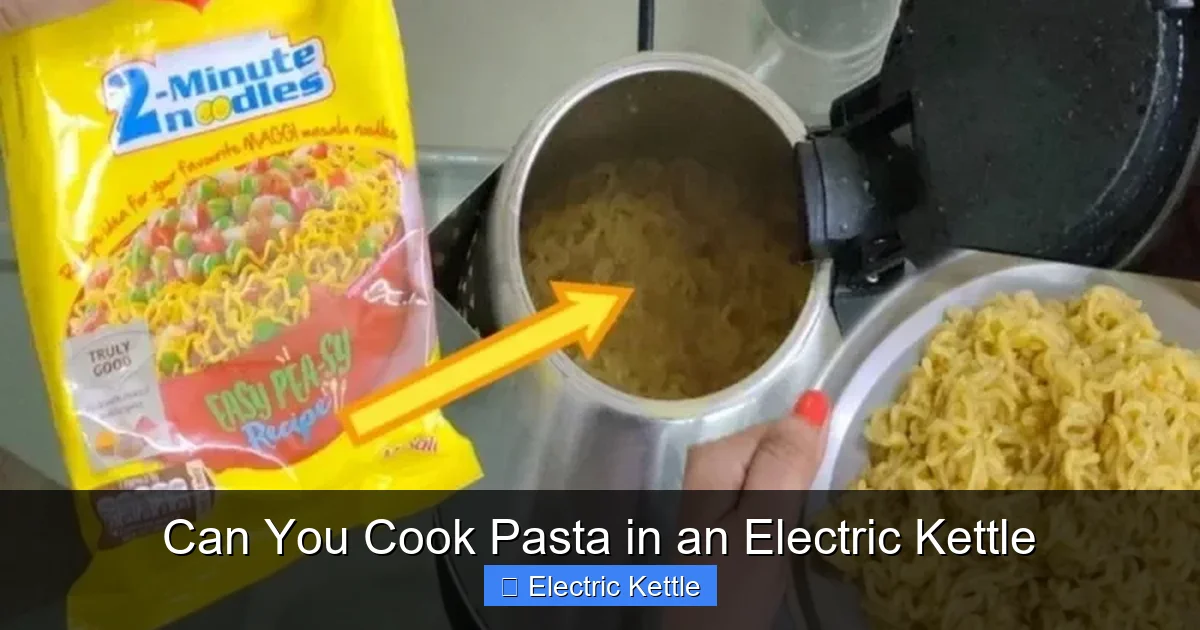
Visual guide about Can You Cook Pasta in an Electric Kettle
Image source: irrorwxhiqijjr5q.ldycdn.com
At its core, cooking pasta is simple: you need hot water (around 212°F or 100°C) and time for the pasta to absorb moisture and soften. An electric kettle excels at heating water to boiling point quickly—often in just 3 to 5 minutes. So, in theory, it’s perfectly capable of providing the heat needed to cook pasta.
Here’s how it works: you add water and pasta to the kettle, turn it on, and let the boiling water do the work. The kettle’s heating element brings the water to a rolling boil, and as the pasta cooks, it softens and becomes edible. Once done, you drain the water and season your pasta as usual.
But there’s a catch: most electric kettles are designed to shut off automatically once the water reaches boiling point. That means if you’re not careful, the kettle might turn off before your pasta is fully cooked—especially if you’re using longer or thicker shapes like spaghetti or linguine.
To get around this, many people use the “boil and hold” method: boil the water first, add the pasta, then manually keep the kettle on (if it has a keep-warm function) or reheat it in short bursts. Some newer models even have a “boil-dry” protection feature that shuts off the kettle if it detects low water levels—so you’ll need to monitor the process closely.
Another thing to consider is capacity. Most electric kettles hold between 1 to 1.7 liters of water. That’s plenty for a single serving of pasta (about 2 to 3 ounces dry), but not enough for a family meal. So while it’s great for one or two people, it’s not a replacement for a full-sized pot.
The Science Behind Pasta Cooking
Pasta cooks through a process called gelatinization. When dry pasta hits boiling water, the starch granules absorb water and swell, softening the texture. This usually takes 8 to 12 minutes, depending on the type and thickness of the pasta.
In an electric kettle, the water temperature is ideal, but the cooking environment is different from a pot. There’s less surface area for steam to escape, and the pasta can clump together if not stirred. That’s why choosing the right shape and stirring occasionally is so important.
Electric Kettle vs. Stovetop: Key Differences
| Feature | Electric Kettle | Stovetop Pot |
|——–|—————–|————–|
| Heating Speed | Very fast (3–5 mins) | Slower (5–10 mins) |
| Temperature Control | Limited (auto-shutoff) | Adjustable |
| Capacity | 1–1.7 liters | 2–6 liters |
| Stirring Access | Limited (small opening) | Easy |
| Draining | Requires strainer or careful pouring | Built-in spout or lid |
As you can see, the electric kettle wins on speed and convenience but falls short on control and capacity. Still, for a quick solo meal, it’s a fantastic option.
What Types of Pasta Work Best in an Electric Kettle?
Not all pasta is created equal when it comes to kettle cooking. The shape, size, and cooking time all play a role in how well it turns out.
Best Pasta Shapes for Kettle Cooking
Short, sturdy pasta shapes are your best bet. They fit easily into the kettle, cook evenly, and don’t tangle as much as long strands. Here are some top choices:
– **Orzo**: This rice-shaped pasta cooks in just 8–10 minutes and fits perfectly in small spaces. It’s great for quick pasta salads or soups.
– **Ditalini**: Tiny tube pasta that’s perfect for minestrone or as a base for creamy sauces.
– **Penne**: Slightly larger but still manageable. The ridges help sauces cling, making it ideal for tomato or pesto-based dishes.
– **Fusilli**: The spiral shape holds sauce well and doesn’t stick together as easily as straight pasta.
– **Small shells (conchiglie)**: These work well because they’re compact and cook evenly.
These shapes typically require 8–12 minutes to cook, which aligns well with the kettle’s boiling cycle—especially if you use the reheat method.
Pasta Shapes to Avoid
Some pasta types are less suitable for kettle cooking:
– **Spaghetti, linguine, fettuccine**: These long strands are hard to fit into the kettle and tend to clump or stick to the heating element.
– **Fresh pasta**: It cooks too quickly (2–4 minutes) and can become mushy in the intense heat of a kettle.
– **Very thick pasta (like rigatoni or large shells)**: These may not cook through evenly in the limited space and time.
If you’re set on using long pasta, you can break spaghetti in half—but be cautious. Broken pieces can still clog the spout or stick to the bottom.
Cooking Time Adjustments
Since electric kettles don’t maintain a constant boil like a stovetop, you may need to adjust cooking times. Start checking your pasta at the 6-minute mark. If it’s still too firm, reheat the kettle for another 2–3 minutes. Remember: it’s better to undercook slightly than overcook—you can always reheat it later.
Step-by-Step Guide: How to Cook Pasta in an Electric Kettle
Ready to give it a try? Follow this simple, safe method to cook perfect pasta in your electric kettle.
What You’ll Need
– Electric kettle (preferably with a wide opening)
– 2–3 ounces of short pasta (orzo, penne, etc.)
– Water (enough to cover the pasta by 1–2 inches)
– Salt (1–2 teaspoons)
– Optional: 1 teaspoon olive oil (to reduce foaming)
– Fine mesh strainer or colander
– Spoon or chopsticks for stirring
– Bowl for serving
Step 1: Fill the Kettle
Add water to the kettle, leaving at least 1 inch of space at the top to prevent overflow when boiling. A good rule of thumb: use about 4 cups (1 liter) of water for 2 ounces of pasta.
Step 2: Add Salt (and Optional Oil)
Add 1–2 teaspoons of salt to the water. This seasons the pasta from the inside out. While some people add oil to prevent foaming, it’s not necessary—and can actually make the pasta slippery, preventing sauce from sticking. If your kettle tends to foam, a tiny drop of oil (¼ teaspoon) can help.
Step 3: Boil the Water
Turn on the kettle and let it boil. Most kettles will shut off automatically once the water reaches 212°F (100°C).
Step 4: Add the Pasta
Once the water is boiling, carefully add the pasta. Use a spoon or chopsticks to gently push it down so it’s fully submerged. Avoid overloading—stick to 2–3 ounces max.
Step 5: Reheat in Short Bursts
Since the kettle will likely turn off, you’ll need to reheat it. Turn the kettle back on and let it boil for 1–2 minutes. Repeat this process every 2–3 minutes, stirring gently each time to prevent sticking.
Step 6: Check for Doneness
Start testing the pasta at the 6-minute mark. It should be al dente—tender but with a slight bite. Total cooking time is usually 8–12 minutes, depending on the pasta type.
Step 7: Drain the Water
Once cooked, carefully pour the contents into a fine mesh strainer placed over a bowl. Alternatively, if your kettle has a spout, you can tilt it slowly to drain the water while holding the pasta back with a lid or your hand (use oven mitts—the kettle will be hot!).
Step 8: Rinse (Optional)
Rinsing stops the cooking process and removes excess starch, which can make pasta gummy. However, if you’re adding sauce, skip the rinse—starchy pasta holds sauce better.
Step 9: Season and Serve
Toss your pasta with olive oil, butter, or your favorite sauce. Add cheese, herbs, or veggies for a complete meal.
Safety Tips and Common Mistakes to Avoid
Cooking pasta in an electric kettle is convenient, but it’s not without risks. Here’s how to stay safe and avoid common pitfalls.
Safety First: What Not to Do
– **Don’t overfill the kettle**: Water expands when boiling. Leave at least 1 inch of space to prevent spills.
– **Never leave it unattended**: The kettle can boil dry or overflow if not monitored.
– **Avoid metal utensils**: They can scratch the interior or damage the heating element. Use silicone or wooden tools.
– **Don’t cook large quantities**: Stick to single servings to avoid clogging or uneven cooking.
– **Unplug when not in use**: Always disconnect the kettle after cooking to prevent accidental activation.
Common Mistakes and How to Fix Them
– **Pasta sticks to the bottom**: This happens when the pasta isn’t stirred or the water level is too low. Stir gently every 2 minutes and ensure the pasta is fully submerged.
– **Kettle shuts off too soon**: Use the reheat method—boil, add pasta, then reheat in 1–2 minute bursts.
– **Foaming overflow**: This is common with starchy pasta. Reduce foam by adding a tiny drop of oil or using slightly less water.
– **Pasta comes out mushy**: Overcooking is the culprit. Start testing early and remove the pasta as soon as it’s al dente.
– **Kettle smells or tastes off**: Starchy residue can build up. Clean the kettle thoroughly after each use.
Cleaning Your Kettle After Pasta Cooking
Residual starch and food particles can affect the taste of future boiled water and even damage your kettle over time. Here’s how to clean it properly:
1. Rinse the interior immediately after use with warm water.
2. Use a soft sponge or brush to scrub away any residue.
3. For stubborn buildup, fill the kettle with equal parts water and white vinegar, boil, let sit for 15 minutes, then rinse thoroughly.
4. Wipe the exterior with a damp cloth.
5. Run a cycle with fresh water (without pasta) to flush out any lingering flavors.
Regular cleaning ensures your kettle stays in top condition and your next cup of tea tastes fresh.
Creative Recipe Ideas Using Your Electric Kettle
Once you’ve mastered the basics, you can get creative with your kettle-cooked pasta. Here are a few quick, delicious ideas:
1. Creamy Garlic Orzo
– Cook 2 oz orzo in the kettle.
– Drain, then toss with 1 tbsp butter, 1 minced garlic clove, 2 tbsp heavy cream, salt, and pepper.
– Top with grated Parmesan and fresh parsley.
2. Tomato Basil Penne
– Cook penne, drain, and mix with ¼ cup marinara sauce, a drizzle of olive oil, and fresh basil.
– Add a pinch of red pepper flakes for heat.
3. Lemon Herb Fusilli Salad
– Cook fusilli, rinse with cold water, and toss with lemon juice, olive oil, cherry tomatoes, cucumber, and fresh dill.
– Chill for 30 minutes before serving.
4. Cheesy Ditalini Soup
– Cook ditalini, then add to a broth made in the kettle (yes, you can make soup too!).
– Stir in shredded cheddar and a splash of milk for a creamy finish.
These recipes prove that your electric kettle isn’t just for tea—it’s a versatile mini-kitchen tool.
Is Cooking Pasta in an Electric Kettle Worth It?
So, should you ditch the pot and start boiling your pasta in a kettle? It depends on your situation.
When It’s a Great Idea
– You’re in a dorm, office, or hotel room with no stove.
– You want a quick, single-serving meal with minimal cleanup.
– You’re traveling and need a portable cooking solution.
– You’re experimenting with kitchen hacks and love trying new things.
When to Stick with a Pot
– You’re cooking for more than two people.
– You need precise temperature control (e.g., for delicate sauces).
– You’re using long or fresh pasta.
– You want to multitask (e.g., boil pasta while sautéing veggies).
Overall, cooking pasta in an electric kettle is a clever, practical hack—but it’s not a full replacement for traditional methods. Think of it as a handy backup, not your go-to.
Final Thoughts: A Handy Hack for Modern Living
Cooking pasta in an electric kettle might sound like a quirky internet trend, but it’s actually a smart, time-saving solution for modern lifestyles. Whether you’re a student, a busy professional, or just someone who loves efficiency, this method offers a surprising amount of flexibility.
With the right pasta, a little patience, and attention to safety, you can enjoy a hot, delicious meal in under 15 minutes—no stove required. Just remember to clean your kettle afterward and avoid overloading it.
So next time you’re craving pasta but don’t want to deal with a big cleanup, grab your electric kettle. You might just discover your new favorite way to cook.
Frequently Asked Questions
Can you cook pasta in any electric kettle?
Most electric kettles can cook pasta, but models with a wide opening and manual reheat function work best. Avoid kettles with narrow spouts or sealed lids, as they make stirring and draining difficult.
Is it safe to cook food in an electric kettle?
Yes, as long as you follow safety guidelines. Never overfill, avoid unattended use, and clean the kettle thoroughly after cooking to prevent residue buildup and odors.
Can you cook spaghetti in an electric kettle?
It’s possible if you break the spaghetti in half, but long pasta tends to clump and stick. Short shapes like penne or orzo are much easier and safer to use.
Do you need to add oil when cooking pasta in a kettle?
No, oil isn’t necessary and can cause foaming. A tiny drop (¼ tsp) may help reduce bubbles, but it’s not required for successful cooking.
How do you drain pasta from an electric kettle?
Use a fine mesh strainer placed over a bowl, or carefully pour the water out through the spout while holding the pasta back with a lid or your hand (use oven mitts).
Can you make sauce in the kettle too?
You can make simple sauces like butter-garlic or olive oil-based dressings directly in the kettle after draining the pasta. For complex sauces, it’s better to use a separate container.