Cooking pasta in an electric kettle is possible and surprisingly effective, especially when you’re short on time or kitchen tools. With the right technique and safety precautions, your kettle can become a handy pasta-cooking ally—no stove required.
Key Takeaways
- Yes, you can cook pasta in an electric kettle: Most electric kettles can boil water and hold pasta long enough to cook it, especially smaller shapes like penne or fusilli.
- Safety first: Never leave the kettle unattended, avoid overfilling, and ensure the heating element is fully submerged to prevent damage or fire hazards.
- Choose the right pasta: Small, quick-cooking pasta works best—avoid long strands like spaghetti unless broken in half.
- Add salt and oil wisely: Salt enhances flavor, but oil is optional and may cause foaming; stir gently to prevent sticking.
- Monitor cooking time: Pasta may take longer than on a stove due to lower heat retention; check frequently for doneness.
- Clean thoroughly afterward: Residue from starch and pasta can build up; rinse and descale regularly to maintain performance.
- Great for travel or dorms: This method is ideal for small spaces, offices, or camping where stovetops aren’t available.
📑 Table of Contents
- Can You Really Cook Pasta in an Electric Kettle?
- How Electric Kettles Work and Why They Can Cook Pasta
- Step-by-Step Guide: Cooking Pasta in an Electric Kettle
- Safety Tips and Common Mistakes to Avoid
- Best Pasta Types and Recipes for Your Kettle
- Cleaning and Maintaining Your Kettle After Cooking Pasta
- Is Cooking Pasta in an Electric Kettle Worth It?
- Conclusion
Can You Really Cook Pasta in an Electric Kettle?
Imagine this: You’re in a dorm room, a hotel, or a tiny apartment with no stove. You’re craving pasta, but all you have is an electric kettle. Sounds impossible? Think again. Yes, you can cook pasta in an electric kettle—and it’s not as crazy as it sounds.
Electric kettles are designed to boil water quickly and efficiently. Once that water is boiling, it maintains a high temperature, which is exactly what you need to cook pasta. While it’s not the traditional method, many people have successfully used their kettles to prepare quick meals, especially when kitchen access is limited. From college students to travelers, this hack has gained popularity for its convenience and speed.
But before you toss a handful of spaghetti into your kettle, there are important factors to consider. Not all kettles are created equal, and not all pasta types will work. Safety, cleanliness, and technique all play a role in turning your electric kettle into a makeshift pasta cooker. In this guide, we’ll walk you through everything you need to know—from choosing the right equipment to serving up a tasty, al dente meal.
How Electric Kettles Work and Why They Can Cook Pasta
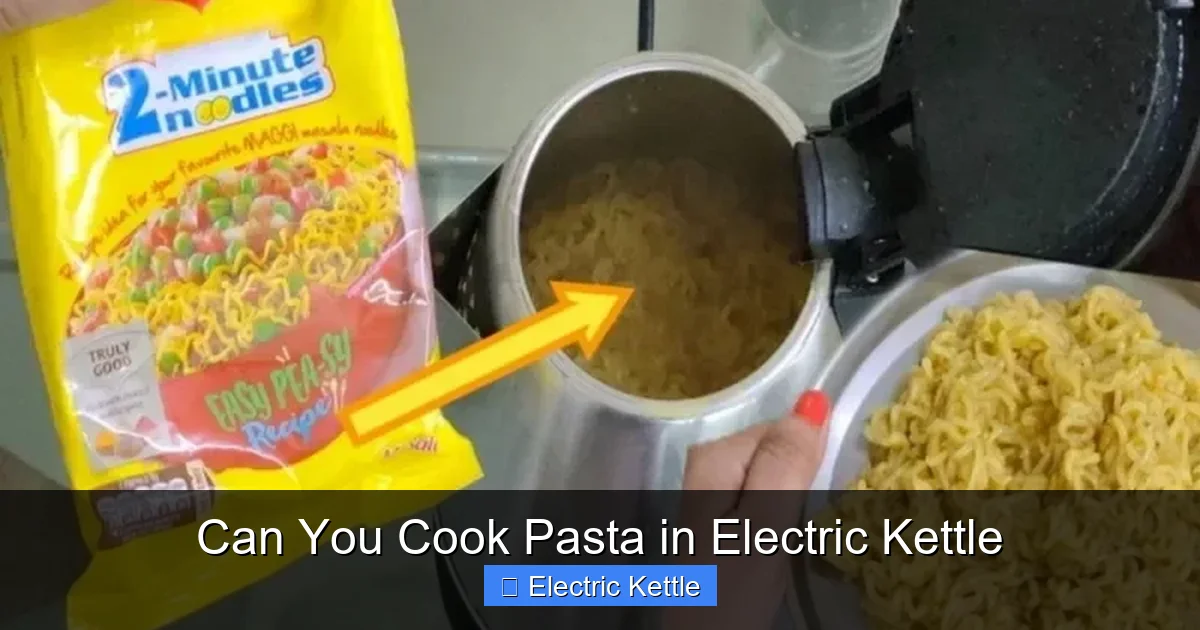
Visual guide about Can You Cook Pasta in Electric Kettle
Image source: irrorwxhiqijjr5q.ldycdn.com
To understand why cooking pasta in an electric kettle is possible, let’s first look at how these appliances function. An electric kettle uses a heating element—usually located at the base—to rapidly heat water to boiling point, typically around 212°F (100°C). This is the same temperature achieved on a stovetop, which is why boiling water is the first step in cooking pasta.
Once the water reaches a rolling boil, the kettle either shuts off automatically (in most modern models) or switches to a keep-warm mode. This means the water stays hot, even if it’s not actively boiling. Pasta cooks by absorbing hot water and softening over time, so as long as the water remains near boiling and the pasta is fully submerged, it will cook.
The key advantage of using an electric kettle is speed. Most kettles boil water in 3 to 5 minutes—faster than a stove in many cases. This makes them ideal for quick meals. However, unlike a pot on a stove, you can’t adjust the heat or stir continuously. That’s why technique matters.
Heat Retention and Cooking Time
One limitation of electric kettles is heat retention. Once the kettle turns off, the water begins to cool. While it may stay hot for several minutes, it won’t maintain a consistent rolling boil like a stovetop. This means pasta may take longer to cook—sometimes 10 to 15 minutes instead of the usual 8 to 12 minutes on a stove.
To combat this, some people use a “boil-and-soak” method: boil the water, add the pasta, then close the lid and let it sit, checking periodically. Others use kettles with a “keep warm” function, which helps maintain temperature. Either way, you’ll need to monitor the pasta closely to avoid undercooking or overcooking.
Kettle Design Matters
Not all electric kettles are suitable for cooking pasta. Look for models with a wide opening and a flat bottom, which make it easier to add and remove pasta. Kettles with a concealed heating element (where the heating coil is hidden under a stainless steel plate) are safer and easier to clean than those with exposed coils.
Avoid kettles with narrow spouts or small openings—they make it hard to stir or retrieve pasta. Also, ensure your kettle has a capacity of at least 1 liter to allow enough room for the pasta to move freely. Overcrowding can lead to clumping and uneven cooking.
Step-by-Step Guide: Cooking Pasta in an Electric Kettle
Ready to try it? Follow this simple, safe method to cook pasta in your electric kettle.
Step 1: Choose the Right Pasta
Not all pasta is created equal when it comes to kettle cooking. Small, sturdy shapes work best because they fit easily and cook quickly. Great options include:
– Penne
– Fusilli
– Macaroni
– Small shells
– Orzo
Avoid long, thin pasta like spaghetti or linguine unless you break it in half. These can get tangled and are harder to remove without making a mess.
Step 2: Fill the Kettle Properly
Fill your kettle with enough water to fully submerge the pasta—usually about 1 to 1.5 liters, depending on the amount. Don’t overfill. Most kettles have a “max” line; stay below it to prevent boiling over.
Add a teaspoon of salt to the water for flavor. Salt also helps the pasta cook more evenly. Avoid adding oil—it can cause excessive foaming and may leave a residue in your kettle.
Step 3: Boil the Water
Turn on the kettle and let it boil. Once it reaches a full boil and automatically shuts off, wait about 30 seconds to let the bubbling settle.
Step 4: Add the Pasta
Carefully add the pasta to the boiling water. Use a spoon or fork to gently push it down so it’s fully submerged. Stir once or twice to prevent sticking.
Step 5: Cover and Wait
Close the kettle lid to trap heat. Let the pasta sit for 8 to 12 minutes, depending on the type and your preferred doneness. Check every few minutes by carefully opening the lid and testing a piece.
If your kettle has a “keep warm” function, you can use it to maintain temperature. Otherwise, you may need to re-boil the water once or twice if the pasta isn’t done.
Step 6: Drain and Serve
Once the pasta is al dente, carefully pour it into a colander or strainer. Be cautious—the water will be very hot. Shake gently to remove excess water.
Toss with your favorite sauce—marinara, pesto, or olive oil and garlic work great. Add cheese, herbs, or cooked vegetables for extra flavor.
Safety Tips and Common Mistakes to Avoid
While cooking pasta in an electric kettle is convenient, it’s not without risks. Here’s how to stay safe and avoid common pitfalls.
Never Leave It Unattended
Always stay nearby while the kettle is on. If the water boils over, it can damage the heating element or cause a short circuit. Also, pasta can foam up and clog the spout, leading to pressure buildup.
Don’t Overfill the Kettle
Overfilling is one of the biggest mistakes. When water boils, it expands and can overflow, especially when pasta is added. Stick to the recommended water level and leave room for the pasta.
Use Only Food-Safe Kettles
Some cheap or old kettles may have coatings or materials that aren’t food-safe when exposed to starchy water. Stick to high-quality, stainless steel or BPA-free plastic models. Avoid kettles with strong chemical smells or discolored interiors.
Avoid Starchy Buildup
Pasta water is full of starch, which can leave a sticky residue in your kettle. This buildup can affect performance and even cause odors. Always rinse the kettle thoroughly after use and descale regularly with vinegar or a descaling solution.
Don’t Use the Kettle for Other Foods
While some people use kettles to cook oatmeal, eggs, or instant noodles, it’s best to reserve your kettle for water and pasta only. Cooking strongly flavored or oily foods can leave lingering tastes and be hard to clean.
Best Pasta Types and Recipes for Your Kettle
Not all pasta dishes are created equal when it comes to kettle cooking. Here are some of the best options and simple recipes to try.
Quick Penne with Marinara
– 1 cup penne pasta
– 1 liter water
– 1 tsp salt
– ½ cup marinara sauce
– Grated Parmesan (optional)
Boil water in the kettle, add salt and penne, and cook for 10 minutes. Drain, toss with marinara, and top with cheese.
Creamy Mac and Cheese
– 1 cup elbow macaroni
– 1 liter water
– 1 tsp salt
– ½ cup milk
– 1 cup shredded cheddar
– 1 tbsp butter
Cook the macaroni as usual. After draining, return it to the kettle (off heat), add milk, cheese, and butter, and stir until creamy.
Garlic Olive Oil Fusilli
– 1 cup fusilli
– 1 liter water
– 1 tsp salt
– 2 tbsp olive oil
– 2 cloves garlic, minced
– Red pepper flakes (optional)
Cook the pasta, drain, and toss with olive oil, garlic, and red pepper flakes. Simple and delicious.
Orzo with Lemon and Herbs
– 1 cup orzo
– 1 liter water
– 1 tsp salt
– 1 tbsp olive oil
– Juice of ½ lemon
– Fresh parsley, chopped
Cook orzo for 8–10 minutes. Drain, then mix with olive oil, lemon juice, and herbs.
Cleaning and Maintaining Your Kettle After Cooking Pasta
Cooking pasta in your kettle can leave behind starch, foam, and residue. Proper cleaning is essential to keep your kettle in top condition.
Rinse Immediately
After use, rinse the kettle with warm water as soon as it’s cool enough to handle. Use a soft sponge or brush to remove any stuck-on bits.
Descale Regularly
Starchy water can contribute to mineral buildup, especially if you have hard water. Descale your kettle every 2–4 weeks using a mixture of equal parts water and white vinegar. Let it sit for 30 minutes, then rinse thoroughly.
Check the Filter
Many kettles have a mesh filter near the spout to catch sediment. Remove and clean it after each use to prevent clogs.
Wipe the Exterior
Use a damp cloth to wipe down the outside of the kettle. Avoid submerging the base or electrical components in water.
Store Properly
Keep the kettle dry and store it with the lid open to prevent odors and mold.
Is Cooking Pasta in an Electric Kettle Worth It?
So, is this hack worth your time? The answer depends on your situation.
If you’re in a dorm, traveling, or living in a small space without a stove, cooking pasta in an electric kettle is a game-changer. It’s fast, convenient, and requires minimal cleanup. You can have a hot meal in under 15 minutes with just a kettle and a few ingredients.
However, it’s not a replacement for traditional cooking. The results may not be as consistent, and you’re limited in portion size and recipe complexity. Plus, there’s a learning curve—especially when it comes to timing and avoiding messes.
For occasional use, it’s a brilliant trick. For daily cooking, stick to the stove. But when you’re in a pinch, your electric kettle might just become your new favorite kitchen tool.
Conclusion
Cooking pasta in an electric kettle is not only possible—it’s practical, efficient, and surprisingly effective. With the right technique, safety precautions, and a little creativity, you can turn a simple appliance into a versatile cooking device.
From choosing the right pasta to mastering the boil-and-soak method, this guide has covered everything you need to know. Whether you’re a student, a traveler, or just looking for a quick meal solution, your electric kettle can do more than just boil water.
Just remember: safety first, clean often, and enjoy the convenience. Who knew your kettle could be so handy?
Frequently Asked Questions
Can you cook any type of pasta in an electric kettle?
No, not all pasta types work well. Small, quick-cooking shapes like penne, macaroni, or orzo are best. Long pasta like spaghetti should be broken in half to fit and cook evenly.
Is it safe to cook pasta in an electric kettle?
Yes, as long as you follow safety guidelines. Never overfill the kettle, avoid leaving it unattended, and ensure the heating element is fully submerged to prevent damage or hazards.
Will cooking pasta damage my electric kettle?
It shouldn’t if you clean it properly. Starchy residue can build up over time, so rinse and descale regularly to maintain performance and prevent odors.
How long does it take to cook pasta in an electric kettle?
It usually takes 8 to 12 minutes, depending on the pasta type and your kettle’s heat retention. Check frequently, as it may take longer than on a stove.
Can I add sauce directly to the kettle?
It’s not recommended. Sauces can burn or leave tough-to-clean residues. Cook the pasta first, then mix with sauce after draining.
What’s the best way to drain pasta from a kettle?
Use a colander or fine-mesh strainer. Pour the contents carefully to avoid burns, and shake gently to remove excess water.