Yes, you can cook rice in an electric kettle—but it’s not as simple as boiling water. With the right technique and safety precautions, many people successfully use their kettles to steam or simmer small batches of rice, especially when camping or in dorm rooms.
Key Takeaways
- Yes, it’s possible: You can cook rice in an electric kettle, but only certain types like white or jasmine rice work best.
- Safety first: Never overfill the kettle, and avoid using non-stick coatings that may degrade at high heat.
- Use the right method: The absorption or steaming method works better than direct boiling to prevent overflow and burning.
- Clean thoroughly: Rice residue can clog heating elements and affect taste—always clean your kettle after use.
- Not ideal for daily use: While convenient in a pinch, a rice cooker or stovetop is more reliable for consistent results.
- Great for travel: Electric kettles are perfect for making quick meals in hotels, hostels, or offices.
- Experiment carefully: Start with small portions (½ cup or less) and adjust water ratios based on your kettle’s performance.
📑 Table of Contents
- Can You Cook Rice in an Electric Kettle? The Surprising Answer
- How Electric Kettles Work—And Why It Matters for Cooking Rice
- Types of Rice You Can Cook in an Electric Kettle
- Step-by-Step Guide: How to Cook Rice in an Electric Kettle
- Safety Tips and Common Mistakes to Avoid
- Pros and Cons of Cooking Rice in an Electric Kettle
- Creative Uses for Your Electric Kettle Beyond Rice
- Final Thoughts: Should You Cook Rice in an Electric Kettle?
Can You Cook Rice in an Electric Kettle? The Surprising Answer
You’re in a hotel room, far from home, craving a warm bowl of rice. You’ve got an electric kettle, a packet of instant rice, and not much else. Is it possible to cook rice in an electric kettle? The short answer is yes—but it’s not as straightforward as dropping rice into boiling water and waiting.
Electric kettles are designed to heat water quickly and efficiently. They’re not built for simmering, steaming, or absorbing moisture like a rice cooker or pot. Yet, with a little know-how, many people have turned their kettles into makeshift rice cookers. Whether you’re a college student in a dorm, a traveler on a budget, or just curious about kitchen hacks, this guide will walk you through everything you need to know about cooking rice in an electric kettle.
The idea might sound unconventional—even risky—but it’s more common than you think. In parts of Asia, especially in student dormitories and small apartments, people have been using electric kettles for more than just tea and coffee. From instant noodles to oatmeal and even rice, these appliances are being repurposed for quick, no-fuss meals. But before you try it, it’s important to understand the limitations, the best methods, and the safety concerns involved.
How Electric Kettles Work—And Why It Matters for Cooking Rice
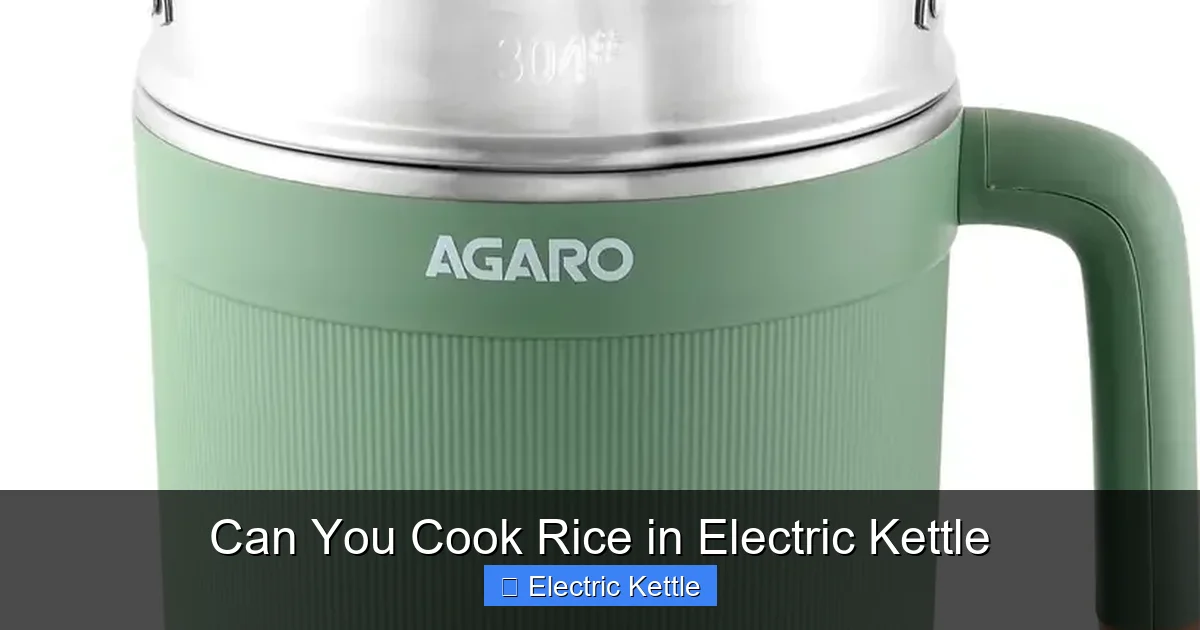
Visual guide about Can You Cook Rice in Electric Kettle
Image source: rukminim1.flixcart.com
To understand whether you can cook rice in an electric kettle, it helps to know how these appliances function. Most electric kettles have a heating element at the base that rapidly heats water to boiling point—usually around 100°C (212°F). Once the water reaches a rolling boil, an automatic shut-off mechanism kicks in to prevent overheating and damage.
This design is perfect for making tea, coffee, or instant soups. But cooking rice requires more than just boiling water. Rice needs time to absorb moisture and soften, which means it needs to simmer gently, not just boil violently. If you simply pour rice and water into a kettle and turn it on, you’ll likely end up with a mess: overflowing starch, burnt grains stuck to the bottom, or worse—damage to the kettle.
That’s why the key to success lies in method. You can’t treat an electric kettle like a pot. Instead, you need to use techniques that mimic steaming or slow absorption. Some people use a heat-resistant bowl placed inside the kettle to hold the rice, while others rely on the kettle’s steam to cook the grains indirectly. These methods reduce the risk of direct contact with the heating element and help prevent burning.
Another factor to consider is the material of your kettle. Glass, stainless steel, and plastic kettles behave differently under heat. Plastic models may warp or release odors if overheated, while non-stick coatings can degrade when exposed to high temperatures with starchy foods like rice. Always check your kettle’s user manual before attempting to cook anything other than water.
Types of Rice You Can Cook in an Electric Kettle
Not all rice is created equal—especially when it comes to cooking in unconventional appliances. Some varieties work better than others in an electric kettle due to their cooking time, starch content, and water absorption rate.
White Rice: The Best Choice
White rice, particularly short-grain or jasmine rice, is the most suitable for cooking in an electric kettle. These types cook relatively quickly (15–20 minutes) and require a consistent 1:1.5 to 1:2 ratio of rice to water. Because they’re less fibrous than brown rice, they soften evenly without needing prolonged simmering.
Instant or quick-cooking white rice is even better. These pre-cooked grains only need to be rehydrated, making them ideal for kettle cooking. Simply add the rice and hot water, cover, and let it sit for 10–15 minutes. No active cooking required.
Brown Rice: Possible, But Tricky
Brown rice has more fiber and nutrients, but it also takes longer to cook—usually 30–45 minutes. This extended cooking time increases the risk of burning or overflow in an electric kettle. If you must try brown rice, use the smallest amount possible (¼ to ½ cup), increase the water slightly, and monitor it closely. You may need to reheat the kettle multiple times, which can strain the appliance.
Wild Rice and Other Varieties
Wild rice, black rice, and other specialty grains are not recommended for kettle cooking. They require longer soaking and cooking times, and their tough outer husks don’t soften easily without consistent heat. Using them in a kettle could lead to undercooked grains or damage to the heating element.
Instant Rice: The Easiest Option
If you’re new to kettle cooking, start with instant rice. It’s designed to rehydrate quickly with hot water, much like instant oatmeal. Simply boil water in the kettle, pour it over the rice in a heat-safe container, cover, and wait. This method requires no direct contact with the kettle’s heating element, making it the safest option.
Step-by-Step Guide: How to Cook Rice in an Electric Kettle
Ready to give it a try? Follow this safe and effective method to cook rice in your electric kettle. This technique uses the absorption method with a heat-resistant bowl to protect the kettle and ensure even cooking.
What You’ll Need
- Electric kettle (preferably stainless steel or glass)
- Heat-resistant bowl (glass or ceramic, smaller than the kettle opening)
- Rice (½ cup or less recommended)
- Water (1:1.5 to 1:2 ratio depending on rice type)
- Lid or plate to cover the bowl
- Tongs or oven mitts for handling hot items
Step 1: Rinse the Rice
Rinse your rice under cold water until the water runs clear. This removes excess starch, which can cause overflow and make the rice gummy. Use a fine-mesh strainer for best results.
Step 2: Add Water to the Kettle
Fill the kettle with enough water to fully submerge the bowl you’ll use. Don’t overfill—leave at least an inch of space below the rim to prevent boiling over. For ½ cup of rice, 1 to 1.25 cups of water is usually sufficient.
Step 3: Place the Bowl Inside
Put the rinsed rice and measured water into the heat-resistant bowl. Place the bowl inside the kettle, ensuring it sits flat and doesn’t touch the heating element. The water in the kettle should surround the bowl but not enter it.
Step 4: Boil and Steam
Turn on the kettle and let it boil. Once boiling, the steam and hot water will cook the rice indirectly. Cover the bowl with a lid or plate to trap moisture. Let it steam for 15–20 minutes for white rice, or up to 30 minutes for brown rice.
Step 5: Check and Fluff
After the time is up, carefully remove the bowl using tongs or oven mitts. Check if the rice is tender and all water is absorbed. If not, return it to the kettle and steam for another 5 minutes. Once done, fluff with a fork and serve.
Alternative: Direct Cooking (Use with Caution)
Some people add rice directly to the kettle with water and boil it like pasta. This method is riskier because starch can clog the heating element and cause overflow. If you try it, use minimal rice (¼ cup), stir occasionally, and watch it like a hawk. Never leave it unattended.
Safety Tips and Common Mistakes to Avoid
Cooking rice in an electric kettle is convenient, but it comes with risks. Here’s how to stay safe and avoid common pitfalls.
Never Overfill the Kettle
Adding too much water or rice can cause boiling over, which may damage the kettle or create a slipping hazard. Always leave space at the top and use small portions.
Avoid Non-Stick Kettles
Non-stick coatings can degrade when exposed to high heat with starchy foods. If your kettle has a non-stick interior, avoid cooking rice directly in it. Use the bowl method instead.
Don’t Use Metal Utensils
Stirring rice with a metal spoon can scratch the interior and damage the heating element. Use silicone or wooden tools if needed.
Clean Immediately After Use
Rice residue can harden and clog the kettle’s vents or heating coil. Rinse the kettle and bowl thoroughly right after cooking. For stubborn starch, soak in warm soapy water.
Watch for Burning Smells
If you smell burning, turn off the kettle immediately. Burnt rice can ruin the taste and damage the appliance. This is more likely with direct cooking methods.
Don’t Expect Perfect Results Every Time
Electric kettles aren’t designed for cooking, so results may vary. Your first attempt might be a little undercooked or sticky. That’s okay—adjust water ratios and cooking times with each try.
Pros and Cons of Cooking Rice in an Electric Kettle
Like any kitchen hack, cooking rice in an electric kettle has its advantages and drawbacks. Here’s a balanced look at both.
Pros
- Convenience: Great for small spaces, travel, or emergencies when no stove is available.
- Speed: Boils water faster than a stovetop, reducing overall cooking time.
- Energy Efficient: Uses less electricity than an oven or full-sized rice cooker.
- No Extra Pots: Saves space and reduces cleanup—especially useful in dorms or offices.
- Multi-Purpose: Can be used for oatmeal, noodles, eggs, and more.
Cons
- Not Designed for Cooking: Kettles lack temperature control and simmer settings.
- Risk of Damage: Starchy residue can clog heating elements and affect performance.
- Limited Capacity: Only small portions (½ cup or less) can be cooked at a time.
- Inconsistent Results: Rice may be undercooked, overcooked, or sticky without precise control.
- Safety Concerns: Risk of burns, overflow, or electrical issues if not used carefully.
When It Makes Sense
Cooking rice in an electric kettle is best suited for occasional use—like when you’re traveling, camping, or living in a small apartment without a kitchen. It’s not a replacement for a proper rice cooker, but it’s a clever workaround in a pinch.
Creative Uses for Your Electric Kettle Beyond Rice
Once you’ve mastered rice, you might be surprised at what else your electric kettle can do. It’s not just for hot water—it’s a mini kitchen in a compact appliance.
Cooking Eggs
Hard-boil or soft-boil eggs by placing them in a heat-resistant bowl with water and steaming them in the kettle. It’s faster than boiling on the stove and uses less energy.
Making Oatmeal
Instant oats can be cooked directly in the kettle with hot water. Just stir and let sit for a few minutes. Add milk, fruit, or honey for a quick breakfast.
Reheating Leftovers
Use steam to gently reheat rice, dumplings, or steamed buns. Place them in a bowl over boiling water and cover to trap heat.
Cooking Instant Noodles
Boil water, pour over noodles and seasoning, and let sit. No stove required—perfect for late-night snacks.
Steaming Vegetables
Small veggies like broccoli or carrots can be steamed in a bowl over boiling water. It’s a healthy, no-oil cooking method.
Sanitizing Items
Use the kettle to sterilize baby bottles, utensils, or small tools by boiling them in water.
Final Thoughts: Should You Cook Rice in an Electric Kettle?
So, can you cook rice in an electric kettle? Absolutely—but with caveats. It’s a clever, resourceful hack that works well in specific situations, especially when you lack access to a stove or rice cooker. With the right method, safety precautions, and realistic expectations, you can enjoy a warm bowl of rice made entirely in your kettle.
However, it’s not a long-term solution. Electric kettles aren’t built for cooking, and repeated use with starchy foods can shorten their lifespan. For daily rice cooking, invest in a dedicated rice cooker or use a stovetop pot. But for travel, dorm life, or emergency meals, your kettle can be a surprising ally.
The key is to start small, stay safe, and clean thoroughly. Experiment with white or instant rice first, use the bowl-steaming method, and always monitor the process. With a little practice, you might find yourself reaching for the kettle more often than you thought.
In a world where convenience and creativity go hand in hand, sometimes the simplest appliances can do the most unexpected things. Your electric kettle might just become your new favorite kitchen multitasker.
Frequently Asked Questions
Can you cook rice directly in an electric kettle?
Yes, but it’s not recommended due to the risk of overflow, burning, and damage to the heating element. The safer method is to use a heat-resistant bowl inside the kettle to steam the rice indirectly.
What type of rice works best in an electric kettle?
White rice, especially instant or quick-cooking varieties, work best. Brown rice can be used but requires longer cooking and closer monitoring to prevent burning.
Will cooking rice damage my electric kettle?
It can, if done improperly. Starchy residue can clog the heating coil or vents. Always clean the kettle immediately after use and avoid direct contact between rice and the heating element.
How much rice can I cook at once in an electric kettle?
Stick to small portions—½ cup or less. Larger amounts increase the risk of overflow and uneven cooking.
Can I use my electric kettle every day to cook rice?
It’s not ideal for daily use. While possible, frequent cooking can wear out the kettle faster. Reserve it for occasional use or emergencies.
Do I need special equipment to cook rice in a kettle?
Yes, a heat-resistant bowl that fits inside the kettle is essential for safe steaming. Glass or ceramic bowls work best. Avoid metal bowls that could interfere with the heating element.