You can cook soup in an electric kettle, but it depends on the model and ingredients used. While not designed for full meals, many modern kettles can handle simple broths and instant soups with proper care. Always check your kettle’s manual and avoid starchy or creamy ingredients to prevent damage.
Key Takeaways
- Not all electric kettles are soup-friendly: Only models with flat heating elements or those labeled as “cooking kettles” are safe for simmering liquids beyond water.
- Simple broths work best: Clear soups like miso, instant ramen, or vegetable broth are ideal; avoid thick, creamy, or starch-heavy recipes.
- Never exceed the max fill line: Overfilling can cause overflow, damage the kettle, or create a fire hazard.
- Clean immediately after use: Food residue can burn onto the heating element, affecting performance and taste.
- Use a thermometer for precision: Some soups need specific temperatures—monitor to avoid overcooking or undercooking.
- Safety first: Never leave the kettle unattended while cooking soup, and unplug it when not in use.
- Alternative methods exist: If your kettle isn’t suitable, consider using it to boil water for instant soups or rehydrating dried ingredients.
📑 Table of Contents
- Can You Really Cook Soup in an Electric Kettle?
- How Electric Kettles Work—And Why It Matters
- What Types of Soup Can You Make?
- Step-by-Step Guide to Cooking Soup in an Electric Kettle
- Safety Tips and Common Mistakes to Avoid
- Creative Uses for Your Electric Kettle Beyond Soup
- When to Use a Kettle vs. a Stovetop
- Final Thoughts: Is It Worth It?
- Conclusion
Can You Really Cook Soup in an Electric Kettle?
You’ve probably used your electric kettle a hundred times to boil water for tea, coffee, or instant noodles. But have you ever wondered if you could take it a step further—and actually cook soup right inside it? It sounds a little unconventional, maybe even risky, but the truth is, yes, you *can* cook soup in an electric kettle—under the right conditions.
Electric kettles are primarily designed to heat water quickly and efficiently. Most people don’t think of them as cooking appliances, but with the rise of compact living, tiny kitchens, and minimalist lifestyles, people are getting creative. Whether you’re a college student in a dorm, a traveler in a hotel room, or just someone who wants to simplify meal prep, using an electric kettle to make soup might sound like a genius hack.
But before you toss in some veggies and broth, it’s important to understand the limitations and risks. Not every kettle is built the same, and not every soup is suitable. Some kettles can handle light cooking tasks, while others will malfunction or even become damaged if you try to cook anything beyond plain water. So, let’s dive into the details—what works, what doesn’t, and how to do it safely.
How Electric Kettles Work—And Why It Matters
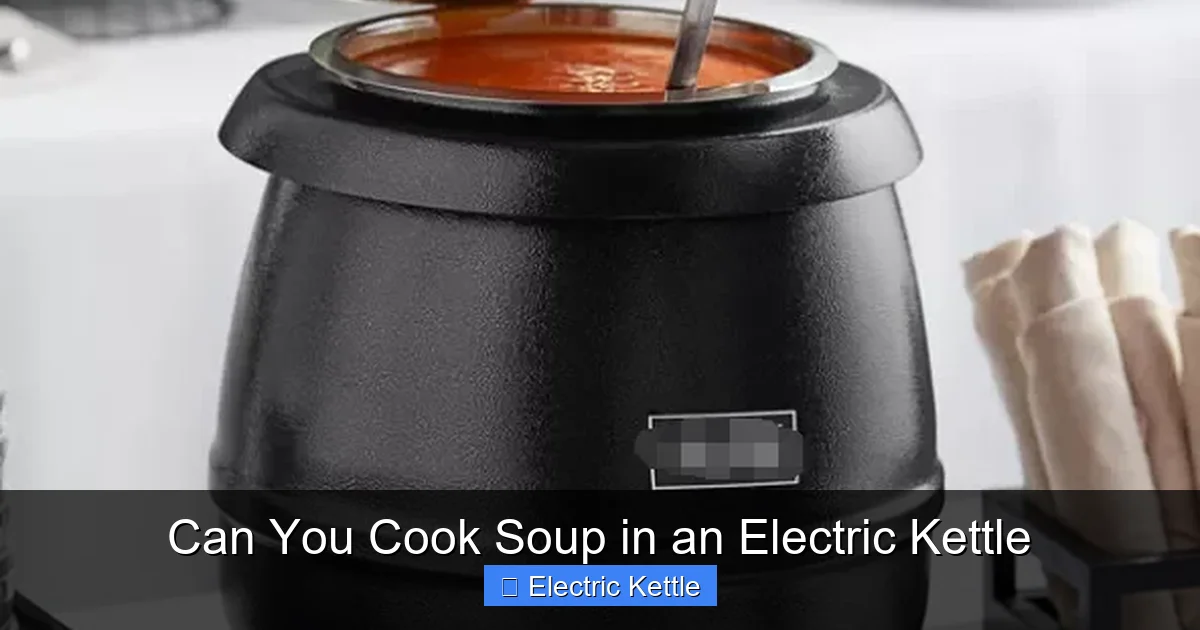
Visual guide about Can You Cook Soup in an Electric Kettle
Image source: irrorwxhiqijjr5q.ldycdn.com
To understand whether you can cook soup in an electric kettle, it helps to know how these appliances function. Most electric kettles use one of two heating systems: a concealed (flat) heating element or an exposed coil.
Concealed Heating Elements
Many modern kettles feature a flat, sealed heating plate at the bottom. This design keeps the heating element hidden beneath a smooth surface, making it easier to clean and less likely to come into direct contact with food particles. These kettles are generally more versatile and can handle liquids with mild food content—like broth or instant soup mixes—without immediate damage.
Because the heating element isn’t exposed, there’s less risk of burning or scorching, especially if the liquid doesn’t boil dry. This makes concealed-element kettles the better choice if you’re planning to experiment with soup.
Exposed Coil Heating Elements
Older or budget models often have an exposed metal coil that sits directly in the water. These are great for boiling pure water but pose a higher risk when used with anything else. Food particles, oils, or starches can stick to the coil, burn, and create unpleasant odors or even smoke. Over time, this buildup can reduce efficiency and shorten the kettle’s lifespan.
If your kettle has an exposed coil, it’s best to stick to water-only use. Trying to cook soup in such a model could lead to burnt flavors, damaged components, or even safety hazards.
Automatic Shut-Off and Temperature Control
Most electric kettles come with an automatic shut-off feature that turns the unit off once the water reaches boiling point (usually around 212°F or 100°C). This is great for safety, but it also means the kettle isn’t designed to simmer or maintain lower temperatures for extended periods—key for cooking many soups.
Some high-end models offer variable temperature settings, allowing you to heat water to specific levels (like 160°F for green tea or 185°F for French press coffee). These kettles are more adaptable and may support gentle cooking tasks, but even then, they’re not meant for prolonged heating.
What Types of Soup Can You Make?
Now that you know how your kettle works, let’s talk about what kinds of soup are actually feasible. The short answer: simple, liquid-based soups with minimal solids and no heavy starches or dairy.
Clear Broths and Instant Soups
The safest and most practical option is clear broth-based soups. Think miso soup, chicken broth, vegetable stock, or instant ramen (without the noodles at first). These soups are mostly water with dissolved flavors and small, soft ingredients that won’t clog the kettle or stick to the heating element.
For example, you can make a quick miso soup by boiling water in the kettle, then adding miso paste, dried seaweed, and green onions. Since miso doesn’t require cooking—just dissolving—the hot water from the kettle is perfect.
Similarly, instant soup packets (like those from Knorr or Maruchan) are designed to be rehydrated with hot water. You can pour the contents into a bowl and use the kettle to boil the water, or—if your kettle allows—add the mix directly and let it boil briefly.
Vegetable and Herb Infusions
You can also use your kettle to steep vegetable or herb-infused broths. For instance, toss in a few slices of ginger, a clove of garlic, and some dried mushrooms, then fill with water and boil. Let it sit for a few minutes after shutting off to allow the flavors to meld. This creates a light, aromatic base that’s great for sipping or using in other dishes.
Just remember: don’t let solid ingredients sit in the kettle for too long after boiling. Remove them promptly to avoid staining or lingering odors.
What to Avoid
Not all soups are kettle-friendly. Here’s what you should steer clear of:
– **Creamy soups** (like tomato bisque or potato leek): Dairy and cream can scorch, burn, or leave a sticky residue that’s hard to clean.
– **Starchy soups** (like split pea or lentil): Thick, starchy liquids can foam, overflow, or coat the heating element, leading to damage.
– **Soups with large chunks**: Carrots, potatoes, or meat pieces won’t cook evenly and can block the kettle’s interior.
– **Oily or fatty broths**: Excess oil can smoke, smell bad, and degrade the kettle’s interior over time.
In short, if it’s thick, creamy, or full of solids, it’s better made on the stove.
Step-by-Step Guide to Cooking Soup in an Electric Kettle
Ready to give it a try? Here’s a safe, step-by-step method to cook simple soup in your electric kettle—without breaking it or setting off the smoke alarm.
Step 1: Check Your Kettle’s Compatibility
Before you start, consult your user manual. Look for any warnings about using the kettle with anything other than water. If it says “water only,” don’t risk it. If it’s a newer model with a flat heating element and no such warnings, you’re likely in the clear.
Also, make sure the kettle is clean and free of mineral buildup. Limescale or old residue can affect taste and performance.
Step 2: Choose the Right Ingredients
Stick to lightweight, water-soluble ingredients. Here’s a sample recipe for a quick vegetable broth:
– 4 cups water
– 1 tsp soy sauce or tamari
– 1 tsp miso paste (add after boiling)
– 1 dried shiitake mushroom
– 1 thin slice of ginger
– 1 green onion (white part only)
– Pinch of sea salt
Avoid adding noodles, rice, or dairy at this stage.
Step 3: Add Ingredients and Fill to Max Line
Place the solid ingredients (mushroom, ginger, green onion) into the kettle. Pour in water, but **never exceed the maximum fill line**. Overfilling can cause boiling liquid to spill into the electrical base, which is a serious safety hazard.
If you’re using instant soup mix, add it now—but again, keep the total volume below the max line.
Step 4: Boil and Monitor
Close the lid and turn on the kettle. Stay nearby and watch it closely. Most kettles will shut off automatically when boiling, but if yours doesn’t, turn it off manually after 3–5 minutes.
Do not leave the kettle unattended. If you see excessive foaming or bubbling, turn it off immediately.
Step 5: Stir and Finish
Once the kettle shuts off, open the lid carefully (steam will escape). Use a long spoon to stir the contents. If you’re using miso paste, add it now—it doesn’t need to boil and can lose flavor if overheated.
Let the soup sit for 2–3 minutes to allow flavors to develop, then pour into a bowl.
Step 6: Clean Immediately
This is crucial. Rinse the kettle thoroughly with warm water as soon as it’s cool enough to handle. Use a soft sponge to remove any food particles. Avoid abrasive scrubbers that could scratch the interior.
If there’s any lingering odor, fill the kettle with water and a tablespoon of white vinegar, boil, then rinse well.
Safety Tips and Common Mistakes to Avoid
Cooking soup in an electric kettle is convenient, but it comes with risks if you’re not careful. Here are some essential safety tips and pitfalls to avoid.
Never Overfill the Kettle
This can’t be stressed enough. Boiling liquid expands and can bubble over, especially with starchy or foamy ingredients. If water or soup gets into the electrical base, it can short-circuit the appliance or cause an electric shock.
Always leave at least an inch of space below the max fill line when adding ingredients.
Don’t Use the Kettle for Simmering
Electric kettles aren’t designed to maintain low, steady heat like a slow cooker or stovetop. They’re built to boil quickly and shut off. If you need to simmer soup, use a pot on the stove instead.
Trying to keep the kettle on for long periods can overheat the motor or damage the thermostat.
Avoid Dairy and Cream
Dairy products can curdle, burn, or leave a sticky film that’s nearly impossible to remove. Even a small amount of milk or cream can ruin the taste and damage your kettle.
If you want a creamy soup, make the broth in the kettle, then mix in cream or coconut milk in a separate bowl.
Don’t Let Food Sit Overnight
Leaving soup or food particles in the kettle overnight can lead to bacterial growth, unpleasant odors, or staining. Always clean the kettle immediately after use.
Use Only Food-Safe Ingredients
Avoid adding anything that isn’t meant to be cooked or consumed. No spices in whole pods, large bones, or non-edible garnishes. Keep it simple and safe.
Know When to Say No
If your kettle is old, damaged, or has an exposed heating element, it’s not worth the risk. The potential for damage or fire outweighs the convenience.
Creative Uses for Your Electric Kettle Beyond Soup
Even if you decide not to cook full soups, your electric kettle can still be a versatile kitchen tool. Here are some clever ways to use it for meal prep and beyond.
Rehydrate Instant Meals
Use the kettle to boil water for instant noodles, oatmeal, or dehydrated camping meals. It’s faster than waiting for a pot to heat up on the stove.
Make Tea Eggs or Soft-Boiled Eggs
Yes, you can even cook eggs! For soft-boiled eggs, place them in the kettle with water (covering them completely), boil for 6–7 minutes, then transfer to an ice bath. Be sure to clean the kettle thoroughly afterward.
Sterilize Baby Bottles or Utensils
Boiling water in the kettle can help sterilize small items like bottle nipples, straws, or baby spoons. Just submerge them in the boiling water for a few minutes.
Cook Instant Rice or Quinoa
Some people use their kettles to cook small portions of instant rice or quinoa. Add the grains and water, boil, then let sit covered for 5–10 minutes. It’s not perfect, but it works in a pinch.
Warm Baby Formula or Milk
Instead of microwaving, use the kettle to heat water, then warm a bottle in the hot water bath. This avoids hot spots and keeps the milk evenly warmed.
When to Use a Kettle vs. a Stovetop
While electric kettles are fast and efficient, they’re not a replacement for traditional cooking methods. Here’s when to use each:
– **Use the kettle for:** Boiling water, making instant soups, rehydrating foods, steeping broths, or quick warm-ups.
– **Use the stovetop for:** Cooking thick soups, sautéing ingredients, simmering for long periods, or recipes requiring precise temperature control.
Think of the kettle as a helper—not a full kitchen appliance. It’s great for speed and convenience, but it has limits.
Final Thoughts: Is It Worth It?
So, can you cook soup in an electric kettle? Absolutely—but with caveats. It’s a clever hack for simple, broth-based soups, especially if you’re short on space or time. However, it’s not suitable for every kettle or every recipe.
If you’re careful, choose the right ingredients, and clean your kettle properly, you can enjoy quick, hot soup without turning on the stove. Just remember: safety and simplicity are key.
For most people, the best approach is to use the kettle to boil water, then finish the soup in a bowl or mug. That way, you get the speed of the kettle without risking damage or mess.
And if you’re serious about cooking in your kettle, consider investing in a model designed for it—some brands now offer “cooking kettles” with enhanced features for light food preparation.
In the end, your electric kettle is more versatile than you think. With a little creativity and caution, it can do more than just make tea. Just don’t expect it to replace your soup pot anytime soon.
Conclusion
Cooking soup in an electric kettle is possible, practical, and surprisingly effective—for the right kinds of soup and the right kind of kettle. While it won’t replace your stovetop for hearty meals, it’s a fantastic tool for quick broths, instant soups, and lightweight cooking tasks.
By understanding your kettle’s design, choosing simple ingredients, and following safety guidelines, you can expand your culinary options without adding clutter to your kitchen. Whether you’re a student, traveler, or just someone who loves efficiency, this hack is worth trying.
Just remember: keep it clean, keep it simple, and always prioritize safety. Your kettle—and your taste buds—will thank you.
Frequently Asked Questions
Can I cook noodles in an electric kettle?
Yes, but only instant noodles and with caution. Add the noodles and flavoring to the kettle with water, boil, then let sit for a few minutes. Avoid overcooking, and clean the kettle immediately to prevent starch buildup.
Will cooking soup damage my electric kettle?
It can, especially if your kettle has an exposed heating element or if you use starchy, creamy, or overly thick ingredients. Always check the manual and clean the kettle right after use to minimize risk.
Can I make creamy soup in an electric kettle?
No, creamy soups are not recommended. Dairy and cream can burn, curdle, or leave a sticky residue that’s hard to clean and may damage the kettle over time.
How do I clean my kettle after cooking soup?
Rinse it immediately with warm water and use a soft sponge to remove food particles. For odors or stains, boil a mixture of water and white vinegar, then rinse thoroughly.
Is it safe to leave soup in the kettle after cooking?
No, never leave soup or food in the kettle after use. It can spoil, stain the interior, or attract bacteria. Always pour out the contents and clean the kettle right away.
What’s the best type of electric kettle for cooking soup?
Look for a model with a concealed (flat) heating element, automatic shut-off, and no “water only” warnings in the manual. Some high-end kettles even have temperature controls for more precise heating.