Heating cider in an electric kettle is possible but comes with important caveats. While many kettles can handle acidic liquids like apple cider, doing so incorrectly may damage the heating element, void your warranty, or affect taste. With proper precautions—like using stainless steel kettles and thorough cleaning—you can safely warm cider for a cozy drink.
Key Takeaways
- Not all electric kettles are designed for acidic liquids: Cider’s acidity can corrode certain materials, especially aluminum or low-quality coatings.
- Stainless steel kettles are safest for heating cider: They resist corrosion and won’t impart metallic flavors.
- Never let cider boil vigorously: Simmer gently to preserve flavor and prevent scorching or overflow.
- Clean your kettle immediately after use: Residual sugars and acids can build up and damage internal components over time.
- Check your manufacturer’s guidelines: Some brands explicitly prohibit non-water liquids—using cider could void your warranty.
- Consider alternative heating methods: A saucepan or microwave-safe mug may be safer and more effective for small batches.
- Taste and aroma matter: Repeated use with cider may leave lingering flavors that affect future tea or coffee brews.
📑 Table of Contents
- Can You Heat Cider in an Electric Kettle? The Honest Answer
- Understanding How Electric Kettles Work
- The Science Behind Cider and Heat
- Which Electric Kettles Are Safe for Heating Cider?
- Step-by-Step Guide to Safely Heat Cider in an Electric Kettle
- Risks and Downsides of Heating Cider in an Electric Kettle
- Better Alternatives for Heating Cider
- Conclusion: Should You Heat Cider in an Electric Kettle?
Can You Heat Cider in an Electric Kettle? The Honest Answer
If you’ve ever stood in your kitchen on a crisp autumn morning, holding a bottle of fresh apple cider and wondering if your trusty electric kettle could help warm it up, you’re not alone. The idea is tempting—after all, electric kettles heat water quickly and efficiently. Why not use that same convenience for cider? It seems logical: pour, press a button, and enjoy a steaming mug in minutes.
But before you hit that boil button, it’s important to pause and consider what’s really happening inside your kettle. Apple cider isn’t just water with flavor—it’s a complex liquid containing natural acids, sugars, and sometimes preservatives. These components behave differently under heat than plain water, and they can interact with the materials inside your kettle in ways that might surprise you. From potential damage to your appliance to changes in taste or even safety concerns, there’s more to this question than meets the eye.
So, can you heat cider in an electric kettle? The short answer is: yes, you *can*—but whether you *should* depends on several factors, including your kettle’s design, material, and how you plan to use it afterward. This guide will walk you through everything you need to know to make an informed decision, from the science behind why cider behaves differently than water to practical tips for safe heating and cleaning.
Understanding How Electric Kettles Work
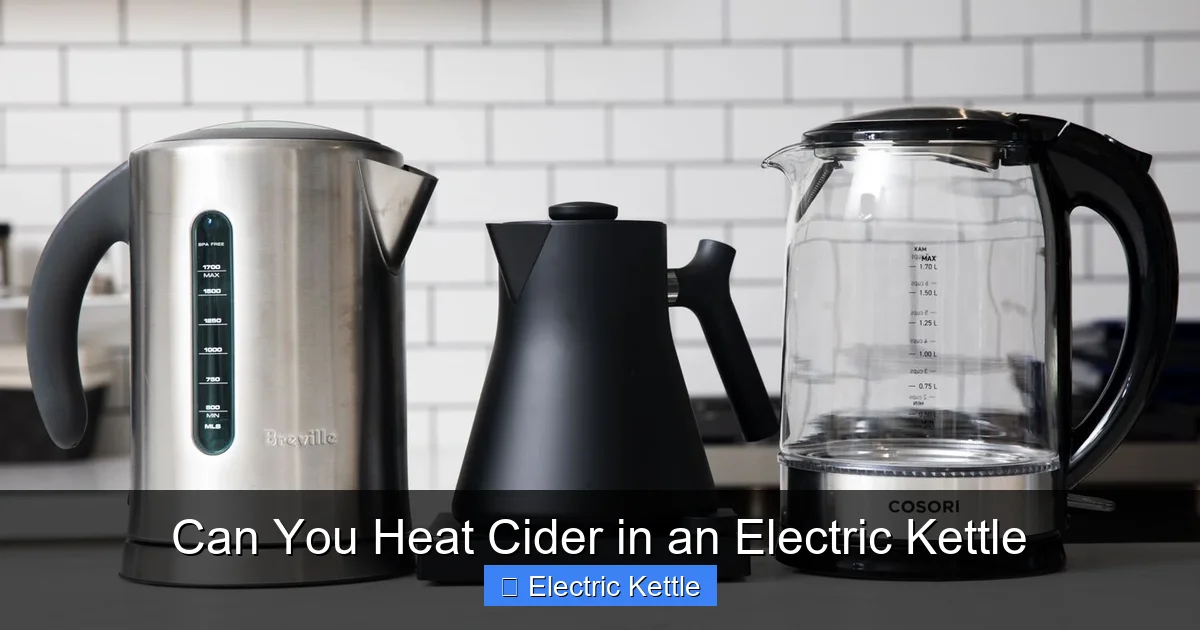
Visual guide about Can You Heat Cider in an Electric Kettle
Image source: seriouseats.com
To understand whether heating cider in an electric kettle is a good idea, it helps to first grasp how these appliances function. Most modern electric kettles operate on a simple yet effective principle: an internal heating element—usually made of metal—is submerged in liquid and rapidly heats it to boiling point. A thermostat monitors the temperature and automatically shuts off the kettle once the water reaches around 212°F (100°C), preventing overheating.
The heating element is typically housed beneath a flat base or enclosed in a concealed coil, depending on the model. In many kettles, especially higher-end ones, the interior is lined with stainless steel, glass, or BPA-free plastic. These materials are chosen for their durability, ease of cleaning, and resistance to reacting with water. However, when you introduce a liquid like apple cider—which has a pH between 3.3 and 4.0, making it mildly acidic—the chemistry changes.
Water is neutral (pH 7), but cider’s acidity can accelerate corrosion in certain metals, particularly if the kettle has an aluminum heating element or a thin, low-quality coating. Over time, this can lead to pitting, discoloration, or even leaching of metal particles into your drink. Additionally, cider contains natural sugars that can caramelize when heated, potentially sticking to the heating element and creating a sticky residue that’s hard to remove.
Another factor is the kettle’s automatic shut-off feature. While designed for water, this mechanism may not respond as accurately to cider, which has a slightly different boiling point and thermal conductivity. In rare cases, this could lead to overheating or failure to shut off—though most modern kettles are robust enough to handle minor variations.
The Science Behind Cider and Heat
Apple cider is more than just flavored water. It’s a fermented or pasteurized product made from crushed apples, containing natural acids like malic acid, sugars such as fructose and glucose, and sometimes added preservatives or spices. When heated, these components react in specific ways that can affect both the liquid and the appliance used to warm it.
One of the primary concerns is acidity. Malic acid, the dominant acid in apples, gives cider its characteristic tartness. While enjoyable in a cold drink, this acidity can be problematic when exposed to heat and certain metals. Aluminum, for example, reacts with acidic substances, potentially leading to corrosion. Even stainless steel, though highly resistant, can show signs of wear over time if not properly maintained.
Then there’s the issue of sugar content. Cider typically contains 10–12 grams of sugar per 8-ounce serving. When heated, these sugars can caramelize, especially if the liquid is allowed to boil or sit on a hot surface for too long. Caramelization creates a sticky, brown residue that clings to the heating element and interior walls of the kettle. This not only affects performance—by insulating the heating element and reducing efficiency—but can also impart a burnt or off-flavor to future brews.
Moreover, heating cider too quickly or to too high a temperature can alter its flavor profile. The delicate aromas and subtle notes of apple, cinnamon, or clove (if spiced) can evaporate or degrade when subjected to rapid boiling. For the best taste, cider should be warmed gently—ideally to around 140–160°F (60–70°C)—which is well below the boiling point of water.
Which Electric Kettles Are Safe for Heating Cider?
Not all electric kettles are created equal when it comes to handling non-water liquids. If you’re considering heating cider, your kettle’s material and construction are the most critical factors.
Stainless Steel Kettles: The Best Choice
Stainless steel is the gold standard for kettles intended for use with acidic or sugary liquids. High-quality stainless steel (such as 304 or 18/8 grade) is highly resistant to corrosion, doesn’t react with acids, and is easy to clean. Many premium kettles feature fully stainless steel interiors, including the heating element housing, which minimizes the risk of contamination or damage.
Brands like Breville, Cuisinart, and Fellow often use stainless steel in their higher-end models. These kettles are not only durable but also designed to handle a variety of liquids, including tea, broth, and yes—cider—with proper care. If your kettle has a stainless steel interior and no exposed aluminum or plastic components near the heating zone, it’s likely safe for occasional cider heating.
Glass Kettles: Aesthetic but Fragile
Glass kettles offer a sleek, modern look and allow you to watch the liquid heat up—a nice touch for cider lovers who enjoy the visual appeal of bubbles forming. However, glass is less durable than metal and can be prone to cracking if exposed to sudden temperature changes. More importantly, the heating element in glass kettles is often enclosed in a metal chamber beneath the glass. If that chamber is made of aluminum or a low-grade alloy, the same corrosion risks apply.
That said, many glass kettles use stainless steel heating chambers, making them safe for cider—provided you clean them thoroughly afterward. Just be cautious about thermal shock: never pour cold cider into a hot glass kettle, and avoid rapid cooling after use.
Plastic and Coated Kettles: Proceed with Caution
Kettles with plastic interiors or non-stick coatings (like Teflon) are generally not recommended for heating cider. Plastic can absorb odors and flavors, and over time, acidic liquids may degrade the material or cause it to leach chemicals. Non-stick coatings, while easy to clean, can scratch or chip when exposed to acidic substances, creating tiny crevices where bacteria and residue can accumulate.
If your kettle has a plastic interior or a coated heating element, it’s best to avoid using it for cider altogether. The risk of damage and potential health concerns outweigh the convenience.
Check the Manufacturer’s Guidelines
Before using your kettle for anything other than water, consult the user manual or the manufacturer’s website. Many brands explicitly state that their kettles are designed for water only. Using other liquids—even occasionally—may void your warranty. For example, some popular models from brands like Hamilton Beach or OXO include warnings against heating milk, juice, or alcohol.
If your kettle is still under warranty and you’re unsure, it’s worth reaching out to customer support. They can confirm whether your specific model can safely handle cider and under what conditions.
Step-by-Step Guide to Safely Heat Cider in an Electric Kettle
If you’ve determined that your kettle is suitable for heating cider, follow these steps to do it safely and effectively.
1. Choose the Right Cider
Start with a high-quality apple cider—preferably unfiltered and free of artificial additives. Fresh, cold-pressed cider tends to have a more robust flavor that holds up well when gently warmed. Avoid ciders with high sugar content or added syrups, as these are more likely to caramelize and leave residue.
2. Fill the Kettle Appropriately
Only fill the kettle to the minimum and maximum markings. Overfilling can cause overflow when the liquid heats up, especially if it foams. Underfilling may expose the heating element, leading to dry firing and potential damage. For most kettles, this means filling to at least the 1-cup (250ml) mark.
3. Heat Gently—Don’t Boil
Set your kettle to a lower temperature if it has variable settings. Many modern kettles offer temperature control for different beverages—look for a setting around 160°F (70°C), which is ideal for warming cider without scorching. If your kettle only has a boil function, heat the cider just until steam rises and small bubbles form around the edges—then immediately turn it off. Avoid a rolling boil.
4. Stir Occasionally (If Possible)
If your kettle has a wide opening or a removable lid, gently stir the cider with a heat-safe utensil halfway through heating. This ensures even warming and prevents hot spots that could cause scorching.
5. Pour Immediately and Clean Promptly
Once heated, pour the cider into a mug or thermos right away. Do not let it sit in the kettle, as residual heat can continue cooking the liquid and increase the risk of residue buildup. After use, rinse the kettle thoroughly with warm water. For stubborn sugar deposits, use a soft sponge and mild dish soap—avoid abrasive scrubbers that could scratch the interior.
6. Deep Clean Weekly
Even with regular rinsing, cider can leave behind a thin film. Once a week, run a cycle with equal parts water and white vinegar to dissolve mineral deposits and neutralize acids. Follow with two rinse cycles using plain water to ensure no vinegar taste remains.
Risks and Downsides of Heating Cider in an Electric Kettle
While it’s possible to heat cider in an electric kettle, there are several risks to consider.
Potential for Damage
Repeated use with acidic or sugary liquids can degrade the kettle’s interior over time. Even stainless steel can develop micro-scratches or discoloration, especially if cleaned improperly. In severe cases, the heating element may become less efficient or fail prematurely.
Flavor Transfer
Cider has a strong, sweet aroma that can linger in the kettle’s interior. If you later use the kettle for tea or coffee, you might notice a faint apple or cinnamon taste. This is especially true for plastic or poorly sealed kettles. While not harmful, it can be off-putting for purists.
Warranty Voidance
As mentioned earlier, many manufacturers prohibit the use of non-water liquids. If your kettle malfunctions and you’ve used it for cider, the company may deny warranty coverage. Always check the fine print before proceeding.
Safety Concerns
Overheating cider can cause it to foam or bubble excessively, leading to spills that may damage the kettle’s electrical components or create a burn hazard. Additionally, if the kettle’s thermostat isn’t calibrated for liquids other than water, it may not shut off correctly.
Better Alternatives for Heating Cider
Given the potential downsides, you might wonder if there’s a safer, more effective way to warm your cider. The good news is, there are several excellent alternatives.
Stovetop Method
The most traditional and reliable method is using a small saucepan on the stove. Pour the cider into the pan, heat over medium-low heat, and stir occasionally until it reaches your desired temperature. This gives you full control over the heating process and prevents scorching. Plus, you can easily add spices like cinnamon sticks or cloves during warming for extra flavor.
Microwave Heating
For a quick, single-serving option, microwave your cider in a microwave-safe mug. Heat in 30-second intervals, stirring between each, until warm. This method is fast and avoids any risk to your kettle. Just be careful not to overheat—cider can superheat in the microwave and erupt when disturbed.
Slow Cooker or Crockpot
If you’re hosting a gathering or want to keep cider warm for hours, a slow cooker is ideal. Set it to “warm” or “low” and add your cider with optional spices. This method maintains a consistent temperature without boiling and is perfect for parties.
Electric Cider Warmers
Some appliances are specifically designed for heating and serving cider. Electric mugs, beverage warmers, or even dedicated cider pots offer precise temperature control and are built to handle acidic, sugary liquids safely.
Conclusion: Should You Heat Cider in an Electric Kettle?
So, can you heat cider in an electric kettle? Yes—but with important caveats. If your kettle has a stainless steel interior, you follow proper heating and cleaning procedures, and you’re willing to accept the potential risks, it can be done safely on occasion. However, for regular use or if your kettle is made of plastic, aluminum, or has a non-stick coating, it’s better to choose an alternative method.
Ultimately, your electric kettle is designed primarily for water. While it’s tempting to repurpose it for other beverages, doing so may shorten its lifespan or affect its performance. For the best results—and the best-tasting cider—consider using a saucepan, microwave, or dedicated warmer. These methods offer greater control, reduce wear on your kettle, and help preserve the rich, comforting flavors that make hot cider a seasonal favorite.
If you do decide to use your kettle, treat it as an occasional treat—not a routine practice. With care and attention, you can enjoy a warm mug of cider without compromising your appliance. But when in doubt, opt for the safer route. Your kettle—and your taste buds—will thank you.
Frequently Asked Questions
Can heating cider in an electric kettle damage the heating element?
Yes, especially if the kettle has an aluminum or coated heating element. The acidity and sugars in cider can cause corrosion or residue buildup over time, potentially reducing efficiency or causing failure.
Will using cider in my kettle void the warranty?
It might. Many manufacturers specify that their kettles are for water use only. Using other liquids, even occasionally, could void your warranty if damage occurs.
Can I clean my kettle after heating cider with vinegar?
Yes, a vinegar rinse (equal parts water and white vinegar) is an effective way to remove mineral deposits and neutralize acids. Just follow with two plain water rinse cycles to eliminate any vinegar taste.
Is it safe to boil apple cider in an electric kettle?
It’s not recommended. Boiling can cause sugars to caramelize, leading to burnt flavors and sticky residue. Gentle warming to 160°F (70°C) is safer and preserves flavor.
Can I use my kettle for tea after heating cider?
Yes, but only if you clean it thoroughly. Residual cider flavors may transfer to tea, especially in plastic or poorly sealed kettles. A vinegar rinse helps remove lingering odors.
What’s the best material for a kettle if I want to heat cider occasionally?
Stainless steel is the best choice. It resists corrosion, doesn’t react with acids, and is easy to clean, making it the safest option for occasional cider heating.