Yes, you can heat coffee in an electric kettle, but it’s not always recommended. While some models handle it safely, others risk damage, off-flavors, or safety hazards. Learn the right way to do it—and when to avoid it entirely.
Key Takeaways
- Most electric kettles are designed for water, not coffee: Heating coffee can leave residue, affect taste, and damage internal components over time.
- Some kettles can safely reheat coffee: Models with stainless steel interiors and no non-stick coatings are better suited for this task.
- Repeated use may void your warranty: Manufacturers often warn against using kettles for anything other than water, so check your manual first.
- Cleaning is critical: Coffee oils and grounds can build up quickly, leading to burnt smells, clogs, or reduced performance.
- Alternative methods are often safer: Use a microwave, stovetop, or dedicated coffee warmer to reheat your brew without risking your kettle.
- Flavor may be compromised: Reheating coffee can make it bitter or stale, especially if done at high temperatures or multiple times.
- Know your kettle’s limits: Always consider material, design, and manufacturer guidelines before heating coffee.
📑 Table of Contents
- Can You Heat Coffee in an Electric Kettle? A Complete Guide
- How Electric Kettles Work—And Why Coffee Changes Things
- When Is It Safe to Heat Coffee in an Electric Kettle?
- The Risks of Heating Coffee in an Electric Kettle
- How to Safely Reheat Coffee in an Electric Kettle (If You Must)
- Safer Alternatives to Reheating Coffee in a Kettle
- The Bottom Line: Should You Heat Coffee in an Electric Kettle?
Can You Heat Coffee in an Electric Kettle? A Complete Guide
You’ve just brewed a fresh cup of coffee, but life gets busy—and by the time you return, it’s gone cold. You’re standing in the kitchen, staring at your trusty electric kettle, wondering: Can I just pop my leftover coffee in there and heat it up? It seems like a quick fix, right? After all, the kettle boils water in seconds, so why not coffee?
Well, the answer isn’t as simple as yes or no. While it’s technically possible to heat coffee in an electric kettle, doing so comes with caveats. Some kettles handle it just fine, while others can suffer damage, produce off-flavors, or even become safety hazards. The key lies in understanding your kettle’s design, the type of coffee you’re reheating, and the potential long-term effects on both your appliance and your taste buds.
In this guide, we’ll explore everything you need to know about heating coffee in an electric kettle—from the science behind it to practical tips, risks, and safer alternatives. Whether you’re a busy professional, a student on the go, or just someone who hates wasting coffee, this article will help you make an informed decision.
How Electric Kettles Work—And Why Coffee Changes Things
Before we dive into whether you should heat coffee in your kettle, let’s first understand how these appliances function. Most electric kettles use an internal heating element—usually hidden beneath a stainless steel or glass base—to rapidly boil water. When you press the “on” button, electricity flows through the element, generating heat that transfers to the liquid inside. Once the water reaches boiling point (around 212°F or 100°C), an automatic shut-off mechanism kicks in to prevent overheating.
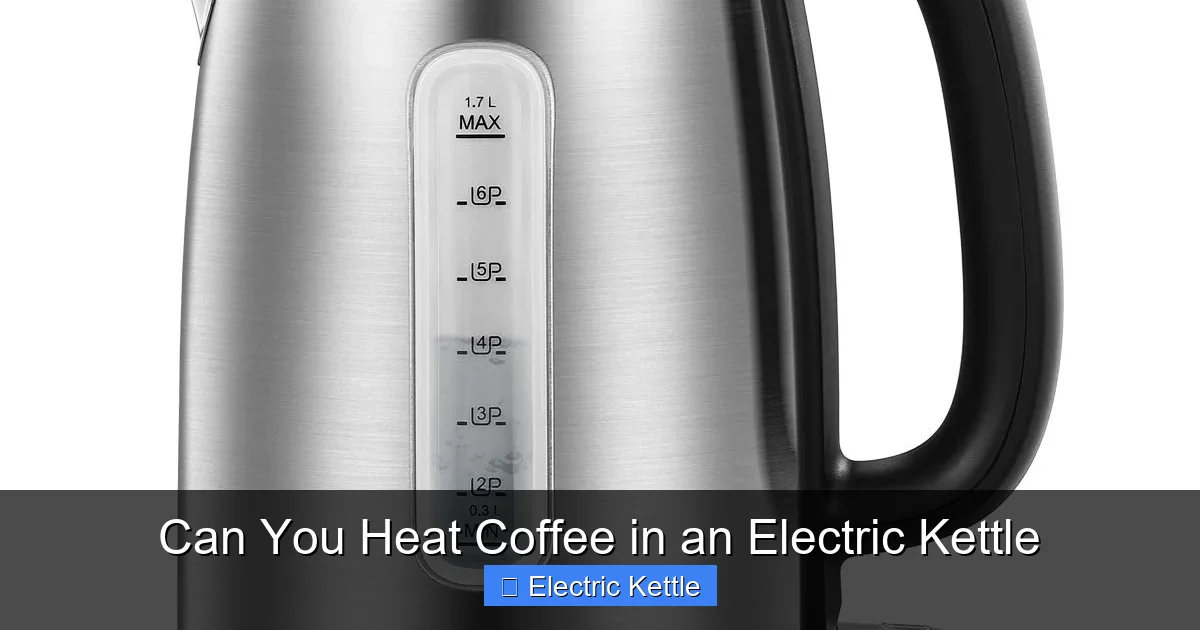
Visual guide about Can You Heat Coffee in an Electric Kettle
Image source: m.media-amazon.com
The Role of Water in Kettle Design
Electric kettles are specifically engineered for water. Why? Because water is a clean, consistent liquid with predictable boiling behavior. It doesn’t leave behind sticky residues, oils, or particles that could interfere with the heating element or sensors. The interior surfaces—often made of stainless steel, glass, or BPA-free plastic—are designed to resist corrosion and scale buildup from mineral deposits in water.
What Happens When You Add Coffee?
Coffee, on the other hand, is far more complex. It contains oils, acids, tannins, and tiny suspended particles from the grounds. When heated, these compounds can behave very differently than water. For example:
- Oils can coat the heating element: Over time, coffee oils may form a thin film on the heating coil or interior walls, reducing efficiency and creating a burnt smell.
- Acids may corrode certain materials: Prolonged exposure to acidic liquids like coffee can degrade plastic components or non-stick coatings, especially in cheaper kettles.
- Particles can clog sensors: If your coffee has fine grounds or sediment, they might settle near the temperature sensor, causing inaccurate readings or premature shut-off.
So while your kettle might survive one or two rounds of reheating coffee, repeated use could shorten its lifespan or lead to performance issues. It’s like using a car engine to power a blender—it might work once, but it’s not built for that purpose.
When Is It Safe to Heat Coffee in an Electric Kettle?
Not all electric kettles are created equal, and some are better equipped to handle coffee than others. If you’re determined to reheat your brew in the kettle, here are the conditions under which it’s safest to do so.
Choose a Kettle with a Stainless Steel Interior
The material of your kettle’s interior is the most important factor. Stainless steel is non-reactive, durable, and resistant to corrosion from acidic liquids like coffee. If your kettle has a stainless steel chamber (and no non-stick coating), it’s more likely to tolerate occasional coffee reheating without damage.
For example, high-end models from brands like Fellow, Bonavita, or Cuisinart often feature all-metal interiors designed for durability. These kettles are more forgiving if you accidentally heat coffee once in a while.
Avoid Kettles with Non-Stick or Plastic Linings
Many budget-friendly kettles use plastic interiors or non-stick coatings to reduce cost and prevent scaling. These materials are not designed for acidic or oily liquids. Heating coffee in such kettles can cause:
- Plastic to leach chemicals into your drink
- Non-stick coatings to degrade or flake off
- Unpleasant plastic or chemical tastes in your coffee
If your kettle has a visible plastic layer or a Teflon-like coating, it’s best to avoid heating coffee altogether.
Use Only Clean, Filtered Coffee
The quality of the coffee matters too. If you’re reheating coffee that’s been sitting out, it may have developed bacteria or off-flavors. Additionally, coffee with visible grounds or sediment increases the risk of clogging. For the best results, only reheat freshly brewed, filtered coffee that’s free of large particles.
Limit Frequency and Duration
Even with a suitable kettle, reheating coffee should be the exception, not the rule. Limit it to occasional use—say, once a week—and avoid boiling the coffee. Instead, heat it just enough to reach a drinkable temperature (around 140–160°F or 60–70°C). Overheating can intensify bitterness and accelerate the breakdown of delicate coffee compounds.
The Risks of Heating Coffee in an Electric Kettle
While it might seem harmless, reheating coffee in an electric kettle comes with several potential downsides. Understanding these risks can help you decide whether the convenience is worth it.
1. Residue Buildup and Staining
Coffee leaves behind oils and tannins that can stain the interior of your kettle. Over time, this buildup creates a brownish film that’s difficult to remove. Even with regular cleaning, some residue may persist, affecting both appearance and performance.
For instance, if you heat coffee multiple times a week, you might notice a sticky layer forming around the heating element. This not only looks unappealing but can also trap heat, leading to overheating or uneven boiling.
2. Altered Taste and Odor
Once coffee residue accumulates, it can impart a stale or burnt flavor to future brews—even when you’re just boiling water. This is especially true for kettles with plastic components, which can absorb odors over time.
Imagine making tea the next day and tasting a hint of yesterday’s coffee. Not ideal, right? That’s why many coffee purists avoid using their kettles for anything but water.
3. Damage to the Heating Element
The heating element is the heart of your electric kettle. When coffee oils coat it, the element has to work harder to transfer heat, which can lead to overheating, reduced efficiency, or even failure. In extreme cases, the element may burn out prematurely, requiring repair or replacement.
4. Voided Warranty
Most manufacturers explicitly state that their kettles are for water use only. Using them for coffee, tea, or other liquids may void your warranty. If your kettle breaks down after heating coffee, you could be left without coverage—even if the damage seems unrelated.
For example, Breville’s user manual for the BKE820XL Smart Kettle warns: “Do not use this appliance for anything other than its intended purpose (heating water).” Similar disclaimers appear in manuals from brands like Hamilton Beach, OXO, and KitchenAid.
5. Safety Concerns
In rare cases, reheating coffee can pose safety risks. If the coffee contains sugar or milk (as in lattes or sweetened brews), these ingredients can caramelize or burn onto the heating element, creating smoke or even a fire hazard. Additionally, superheating—where liquid heats beyond its boiling point without bubbling—can cause sudden eruptions when disturbed.
How to Safely Reheat Coffee in an Electric Kettle (If You Must)
If you’ve weighed the risks and still want to reheat coffee in your kettle, follow these best practices to minimize damage and maintain safety.
Step 1: Check Your Kettle’s Compatibility
Before doing anything, consult your user manual. Look for warnings about using the kettle for liquids other than water. If it’s unclear, check the interior material. Stainless steel? Probably okay. Plastic or non-stick? Avoid it.
Step 2: Use Only Clean, Filtered Coffee
Start with coffee that’s free of grounds, milk, or sugar. Black, filtered coffee is the safest option. Avoid reheating flavored or sweetened brews, as additives increase the risk of residue and burning.
Step 3: Heat Gently—Don’t Boil
Set your kettle to a lower temperature if it has adjustable settings (many modern models do). Aim for 150–160°F (65–70°C)—hot enough to warm your coffee but not so hot that it scorches. If your kettle only boils water, pour the coffee in just before it reaches boiling point and remove it immediately.
Step 4: Clean Immediately After Use
This is crucial. As soon as you’re done, rinse the kettle thoroughly with warm water. Use a soft sponge and mild dish soap to remove any coffee residue. For stubborn stains, soak the interior with a mixture of white vinegar and water (1:1 ratio) for 15–20 minutes, then rinse well.
Avoid abrasive scrubbers or harsh chemicals, which can damage the interior surface. Never put your kettle in the dishwasher unless the manufacturer explicitly allows it.
Step 5: Run a Water-Only Cycle Weekly
Even if you clean after each use, run a cycle with just water once a week to flush out any lingering oils or acids. This helps maintain performance and prevents cross-contamination of flavors.
Safer Alternatives to Reheating Coffee in a Kettle
Given the risks, you might be wondering: Is there a better way? Absolutely. Here are several safer, more effective methods to reheat your coffee without putting your kettle at risk.
1. Use a Microwave
The microwave is the most common alternative. Simply pour your cold coffee into a microwave-safe mug and heat in 30-second intervals, stirring in between, until it reaches your desired temperature. This method is quick, easy, and won’t affect your kettle at all.
Tip: Cover the mug with a microwave-safe lid or paper towel to prevent splatters.
2. Try a Coffee Warmer
Coffee warmers are small, affordable devices designed to keep your drink hot for hours. They sit under your mug and use low heat to maintain temperature without reheating. Perfect for slow drinkers or office settings.
Popular options include the Cosori Coffee Warmer and the Mr. Coffee Mug Warmer. Many are USB-powered, making them great for desks.
3. Reheat on the Stovetop
Pour your coffee into a small saucepan and warm it over low heat, stirring occasionally. This gives you full control over the temperature and avoids the risk of superheating. Just don’t let it boil—coffee tastes best when gently warmed.
4. Use a Thermos or Insulated Mug
The best way to avoid reheating altogether? Keep your coffee hot from the start. A high-quality thermos or insulated mug can keep your brew at drinking temperature for 6–12 hours. Brands like Hydro Flask, Zojirushi, and Yeti offer excellent options.
5. Brew Fresh Instead
Sometimes, the simplest solution is the best. If you’re worried about waste, brew smaller batches more frequently. A single-serve coffee maker or French press lets you make just what you need, when you need it.
The Bottom Line: Should You Heat Coffee in an Electric Kettle?
So, can you heat coffee in an electric kettle? Technically, yes—but it’s not ideal. While some kettles can handle occasional use, the risks of residue, flavor transfer, damage, and voided warranties make it a questionable choice.
If you do decide to go ahead, stick to stainless steel kettles, use only clean black coffee, heat gently, and clean thoroughly afterward. But for most people, the safer and smarter option is to use alternative methods like a microwave, coffee warmer, or thermos.
Your electric kettle is a reliable tool for boiling water—let it do what it does best. Save the coffee reheating for appliances designed to handle it. That way, you’ll enjoy better-tasting coffee, a longer-lasting kettle, and peace of mind.
Frequently Asked Questions
Can I put cold coffee in my electric kettle to heat it up?
You can, but it’s not recommended for most kettles. Only do so if your kettle has a stainless steel interior and no non-stick coating. Always clean it immediately after use to prevent residue buildup.
Will heating coffee ruin my electric kettle?
It might, especially with repeated use. Coffee oils and acids can damage plastic components, clog sensors, or coat the heating element, leading to reduced performance or failure over time.
Can I heat milk or sweetened coffee in an electric kettle?
No. Milk, sugar, and other additives can burn, caramelize, or leave sticky residues that are hard to clean and may pose safety risks. Stick to plain, filtered coffee if you must reheat.
How do I clean my kettle after heating coffee?
Rinse it immediately with warm water and mild soap. For tough stains, soak with a 1:1 vinegar-water solution for 15–20 minutes, then rinse thoroughly. Avoid abrasive cleaners.
Is it safe to boil coffee in an electric kettle?
Boiling coffee is not safe. High heat can intensify bitterness, degrade flavors, and increase the risk of burning residues. Heat gently to 150–160°F instead.
What’s the best way to reheat coffee without a kettle?
Use a microwave in short intervals, a stovetop saucepan, or a dedicated coffee warmer. For long-term heat retention, pour your coffee into an insulated thermos right after brewing.