Yes, you can heat milk in an electric kettle, but it’s not always recommended. While some modern kettles handle milk safely, most are designed for water and can suffer damage or leave stubborn residue. Always check your model’s guidelines and clean thoroughly afterward.
Key Takeaways
- Not all electric kettles are designed for milk: Most standard models are built for water only, and heating milk can cause scaling, burning, or damage to internal components.
- Milk can scorch and leave residue: Milk contains proteins and sugars that burn easily, leading to unpleasant odors, stains, and potential malfunctions.
- Some kettles have milk-specific settings: Certain advanced models include temperature controls or milk-heating modes that reduce the risk of overheating.
- Cleaning is critical after use: Milk residue hardens quickly and can clog heating elements or affect future performance if not cleaned immediately.
- Alternative methods are often safer: Using a stovetop, microwave, or dedicated milk frother is usually more reliable and safer than risking your kettle.
- Check your user manual first: Always consult the manufacturer’s instructions before attempting to heat milk in any electric kettle.
- Preventive maintenance extends kettle life: Regular descaling and proper cleaning help maintain performance, especially if you occasionally heat milk.
📑 Table of Contents
- Can You Heat Milk in an Electric Kettle?
- Why People Want to Heat Milk in an Electric Kettle
- The Risks of Heating Milk in an Electric Kettle
- When It’s Safe to Heat Milk in an Electric Kettle
- How to Clean Your Kettle After Heating Milk
- Safer Alternatives to Heating Milk in an Electric Kettle
- Final Thoughts: Should You Heat Milk in an Electric Kettle?
Can You Heat Milk in an Electric Kettle?
If you’ve ever stood in your kitchen, holding a carton of milk and wondering if your electric kettle could double as a milk warmer, you’re not alone. It’s a common question—especially for coffee lovers, parents making warm milk for kids, or anyone craving a quick hot chocolate. After all, electric kettles are fast, convenient, and energy-efficient. So why not use them for more than just water?
The short answer? Yes, you *can* heat milk in an electric kettle—but whether you *should* is a different story. While some modern kettles are built to handle milk safely, most standard models are designed exclusively for water. Heating milk in the wrong type of kettle can lead to burnt flavors, stubborn residue, unpleasant odors, and even permanent damage to your appliance. In this guide, we’ll walk you through everything you need to know about heating milk in an electric kettle—from safety concerns and best practices to cleaning tips and safer alternatives.
Whether you’re a busy parent, a student in a dorm, or just someone who loves a warm drink, understanding the risks and rewards will help you make smarter choices. Let’s dive in.
Why People Want to Heat Milk in an Electric Kettle
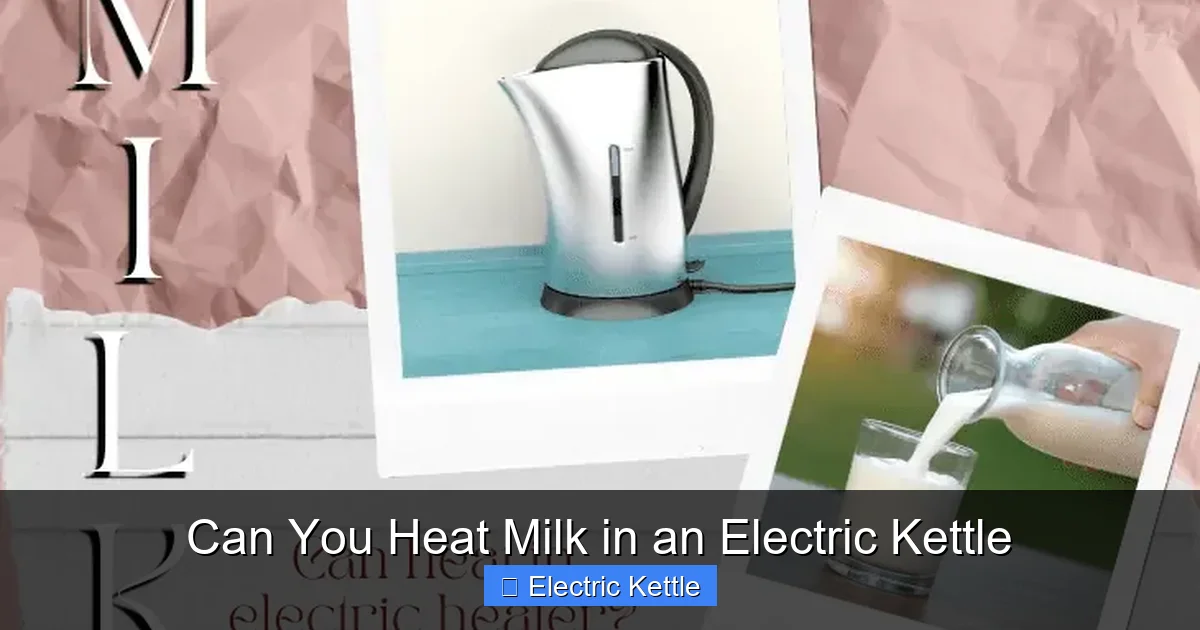
Visual guide about Can You Heat Milk in an Electric Kettle
Image source: trishdeseine.com
Electric kettles have become a staple in modern kitchens for good reason. They’re fast—boiling water in under five minutes—and they’re energy-efficient compared to stovetops or microwaves. Their convenience makes them tempting for more than just tea and coffee. Many people wonder if they can use them to warm milk for lattes, hot cocoa, baby formula, or even oatmeal.
One of the biggest draws is speed. Imagine coming home on a cold evening and wanting a warm glass of milk. Filling your kettle, pressing a button, and waiting just a few minutes sounds far easier than heating a saucepan or waiting for the microwave to beep. Plus, electric kettles often have automatic shut-off features, which reduce the risk of overheating—something that’s especially appealing when you’re multitasking.
Another reason is space. In small apartments, dorm rooms, or offices, counter space is limited. Owning one appliance that can do multiple jobs is a huge plus. If your kettle can handle both water and milk, you might not need a separate milk frother or stovetop setup.
And let’s not forget taste. Some people believe that heating milk gently in a kettle preserves its creamy texture better than microwaving, which can create hot spots and alter the flavor. While this may be true in some cases, it depends heavily on the kettle and how it’s used.
But despite these appealing benefits, there are serious downsides to consider. Milk behaves very differently from water when heated. It contains fats, proteins, and sugars that can burn, stick to surfaces, and leave behind a sticky film. This not only affects the taste of your milk but can also damage your kettle over time.
So while the idea of using your electric kettle for milk is understandable, it’s important to weigh the convenience against the potential risks. In the next section, we’ll explore exactly why heating milk in a kettle can be problematic.
The Risks of Heating Milk in an Electric Kettle
Heating milk in an electric kettle might seem harmless, but it comes with several risks—some of which can permanently affect your appliance or even pose safety hazards. Understanding these dangers is key to making an informed decision.
Milk Can Burn and Stick to the Heating Element
Unlike water, milk doesn’t just evaporate when overheated—it burns. The proteins and sugars in milk caramelize when exposed to high heat, especially near the heating coil or base of the kettle. This creates a sticky, brown residue that’s difficult to remove. Over time, this buildup can insulate the heating element, reducing efficiency and potentially causing the kettle to overheat or fail.
Imagine turning on your kettle and smelling something burnt—even when you’re just boiling water. That’s a common sign that milk residue has baked onto the heating element. Once this happens, it’s nearly impossible to fully clean, and your kettle may start to malfunction.
Unpleasant Odors and Tastes
Burnt milk leaves behind a strong, sour smell that can linger in your kettle for days—or even permanently. Even after cleaning, traces of the odor may remain, affecting the taste of anything you heat afterward. Have you ever taken a sip of tea and noticed a weird, milky aftertaste? That could be the result of previous milk heating.
This is especially problematic if you use your kettle daily for coffee or tea. You don’t want your morning brew tasting like yesterday’s spoiled milk. The smell can also seep into plastic components, making it harder to eliminate.
Risk of Boil-Over and Mess
Milk has a tendency to foam and expand when heated, which increases the risk of boil-over. Unlike water, which bubbles gently, milk can suddenly surge up and spill over the sides of the kettle. This not only creates a mess but can also damage the electrical components underneath.
Some kettles have boil-over protection, but many don’t—especially older or budget models. A spilled milk mess near electrical parts is a fire hazard and can short-circuit your appliance. Even if nothing catastrophic happens, cleaning up dried milk from the base and cord is a hassle.
Potential Damage to the Kettle’s Interior
Most electric kettles are made with stainless steel, glass, or BPA-free plastic interiors. While these materials are great for water, they’re not always ideal for milk. The acidic nature of milk, combined with heat, can degrade certain plastics over time. Stainless steel is more resilient, but it’s still prone to staining and pitting if milk residue isn’t cleaned promptly.
Additionally, some kettles have non-stick coatings or special finishes that aren’t meant to handle dairy. Heating milk in these models can strip the coating, exposing the metal underneath and increasing the risk of rust or contamination.
Voiding the Warranty
Many manufacturers explicitly state in their user manuals that electric kettles are for water use only. If you heat milk and damage your kettle, the warranty may be voided. Repair or replacement costs could fall entirely on you—even if the damage seems minor at first.
For example, a popular kettle brand might cover defects in materials or workmanship, but not “misuse” like heating milk. So even if your kettle stops working after a few milk-heating sessions, you might be out of luck when it comes to customer support.
Fire and Electrical Hazards
In extreme cases, overheating milk can lead to more serious risks. If milk spills into the electrical base or gets trapped near the heating element, it can cause short circuits, sparks, or even small fires. While rare, these incidents have been reported, especially with older or poorly maintained kettles.
Even if a fire doesn’t start, electrical malfunctions can make your kettle unsafe to use. A kettle that sparks, smokes, or fails to turn off automatically should be unplugged immediately and inspected by a professional.
When It’s Safe to Heat Milk in an Electric Kettle
Despite the risks, there are situations where heating milk in an electric kettle is not only possible but perfectly safe—provided you take the right precautions.
Kettles Designed for Milk
Some modern electric kettles are specifically built to handle milk. These models often feature temperature control settings, allowing you to heat milk to lower temperatures (like 140–160°F or 60–70°C) without scalding. They may also have wider openings, anti-spill designs, or specialized heating elements that reduce the risk of burning.
For example, certain premium kettles come with a “milk” or “gentle boil” mode that heats slowly and shuts off before boiling. These are ideal for frothing milk for lattes or warming baby bottles. Brands like Breville, Smeg, and some high-end Japanese models often include these features.
If your kettle has a temperature selector or a milk-specific setting, it’s likely safe to use—just follow the instructions carefully.
Using the Right Technique
Even if your kettle isn’t specifically designed for milk, you can reduce risks by using the right method:
– Don’t fill it to the top: Leave at least an inch of space to prevent boil-over.
– Heat in short bursts: Instead of letting it run on full boil, heat for 30–60 seconds, then check the temperature.
– Stir gently: Use a long-handled spoon to stir occasionally, which helps distribute heat and reduces scorching.
– Use low heat if possible: If your kettle has adjustable settings, choose a lower temperature.
Avoid letting the milk boil vigorously. A gentle simmer is enough to warm it safely.
Choosing the Right Milk
Not all milk heats the same way. Whole milk is less likely to scorch than skim milk because of its higher fat content, which helps protect the proteins. Plant-based milks like oat, almond, or soy can be trickier—they often contain stabilizers and sugars that burn easily.
If you’re experimenting, start with whole milk and avoid ultra-pasteurized or flavored varieties, which may contain additives that react poorly to heat.
Immediate Cleaning Is Essential
The most important rule? Clean your kettle immediately after use. Milk residue hardens quickly and becomes much harder to remove once it dries. Rinse the interior with warm water right away, then wash with a mild detergent and a soft sponge.
For stubborn stains, soak the kettle in a mixture of water and white vinegar (1:1 ratio) for 15–30 minutes, then scrub gently. Avoid abrasive cleaners or steel wool, which can scratch the surface.
How to Clean Your Kettle After Heating Milk
Cleaning your electric kettle after heating milk isn’t just about hygiene—it’s about maintaining performance and longevity. Here’s a step-by-step guide to keep your kettle in top shape.
Step 1: Rinse Immediately
As soon as you’re done heating milk, pour out any leftover liquid and rinse the interior with warm water. This removes loose residue before it has a chance to dry and harden.
Step 2: Wash with Soap and Water
Use a soft sponge or cloth with mild dish soap to gently scrub the inside. Pay special attention to the heating element area and the spout, where milk tends to collect.
Avoid submerging the kettle base in water—only clean the removable parts if your model allows it. Most kettles are not waterproof below the base.
Step 3: Use a Vinegar Solution for Stubborn Residue
If you notice a film or burnt spots, mix equal parts white vinegar and water. Fill the kettle about halfway, let it sit for 15–30 minutes, then boil the solution. Let it cool, then rinse thoroughly.
Vinegar helps dissolve mineral deposits and milk proteins. For extra cleaning power, add a tablespoon of baking soda to the vinegar solution—it will fizz and help lift stains.
Step 4: Rinse and Dry Completely
After cleaning, rinse the kettle several times with fresh water to remove all traces of vinegar or soap. Wipe the exterior with a damp cloth and let the interior air dry with the lid open.
Never store your kettle with moisture inside—it can lead to mold or mildew.
Step 5: Descale Regularly
Even if you only heat milk occasionally, mineral buildup from water can still occur. Descale your kettle every 1–2 months using a commercial descaler or a vinegar solution. This keeps the heating element efficient and prevents odors.
Safer Alternatives to Heating Milk in an Electric Kettle
If you’re concerned about damaging your kettle or just want a more reliable method, there are several safer ways to heat milk.
Use a Stovetop
A small saucepan on low heat is one of the best ways to warm milk. Stir frequently to prevent scorching, and remove it from the heat just before it boils. This method gives you full control over the temperature.
Try a Microwave
Microwaving milk in a microwave-safe cup is quick and easy. Heat in 15–30 second intervals, stirring in between, until it reaches the desired temperature. Be careful—milk can superheat and suddenly boil over when stirred.
Invest in a Milk Frother
Dedicated milk frothers are designed specifically for heating and frothing milk. They’re affordable, compact, and often include temperature controls. Some even double as electric kettles for water.
Use a Double Boiler
For gentle, even heating, place a heat-safe bowl over a pot of simmering water. This method prevents direct contact with heat, reducing the risk of burning.
Consider a Smart Kettle with Milk Mode
If you love the convenience of an electric kettle, look for models with built-in milk settings. These are the safest option if you plan to heat milk regularly.
Final Thoughts: Should You Heat Milk in an Electric Kettle?
So, can you heat milk in an electric kettle? Yes—but with caution. If your kettle is designed for it, and you clean it properly afterward, it can be a convenient option. However, for most standard kettles, the risks outweigh the benefits.
The bottom line? If you only need to heat milk occasionally, it’s probably safer to use a stovetop, microwave, or dedicated appliance. But if you’re set on using your kettle, choose a model with temperature control, avoid boiling, and clean it immediately.
Your kettle—and your taste buds—will thank you.
Frequently Asked Questions
Can you boil milk in an electric kettle?
Boiling milk in an electric kettle is not recommended. Milk can scorch, foam over, and leave stubborn residue that damages the heating element. Most kettles aren’t designed to handle dairy, and boiling increases the risk of burn-on and electrical issues.
What happens if you put milk in an electric kettle?
Milk can burn onto the heating element, creating a sticky residue that’s hard to clean. It may cause unpleasant odors, affect the taste of future drinks, and potentially damage the kettle’s interior or electrical components over time.
Are there electric kettles made for milk?
Yes, some modern kettles include milk-specific settings or temperature controls that allow safe heating. These models are designed to prevent scorching and boil-over, making them a better choice if you plan to heat milk regularly.
How do you clean milk out of an electric kettle?
Rinse immediately with warm water, then wash with mild soap. For tough residue, soak in a vinegar-water solution, boil it, and scrub gently. Always rinse thoroughly and dry completely to prevent odors and buildup.
Can heating milk in a kettle void the warranty?
Yes, many manufacturers state that kettles are for water use only. Using them for milk may be considered misuse, which can void the warranty if damage occurs.
Is it safe to heat almond milk in an electric kettle?
Almond milk contains sugars and stabilizers that can burn easily. It’s riskier than dairy milk and not recommended unless your kettle has a low-temperature milk mode. Even then, clean thoroughly afterward.