Heating milk in an electric kettle is possible but not always recommended. While some modern kettles can handle it, improper use may lead to burnt milk, damage, or safety hazards. Always check your kettle’s manual and follow best practices to avoid problems.
Key Takeaways
- Not all electric kettles are designed for milk: Most are made for water only, and heating milk can cause buildup, odors, and damage.
- Milk can scald and burn easily: It contains fats and proteins that stick to heating elements, leading to unpleasant smells and reduced performance.
- Some kettles have milk modes: A few advanced models include temperature control or dedicated milk settings for safe heating.
- Cleaning is critical: Residual milk can spoil and damage your kettle if not cleaned immediately after use.
- Alternative methods are often safer: Using a saucepan, microwave, or milk frother may be better for heating milk.
- Check the manufacturer’s guidelines: Always refer to your kettle’s manual before attempting to heat milk.
- Use low heat and monitor closely: If you must use an electric kettle, do so cautiously and never leave it unattended.
📑 Table of Contents
- Can You Heat Milk in Electric Kettle? The Truth Explained
- Why Most Electric Kettles Aren’t Designed for Milk
- When Is It Safe to Heat Milk in an Electric Kettle?
- Risks and Dangers of Heating Milk in Electric Kettles
- Step-by-Step Guide: How to Safely Heat Milk in an Electric Kettle
- Better Alternatives to Heating Milk in an Electric Kettle
- Tips for Maintaining Your Electric Kettle
- Conclusion: Should You Heat Milk in an Electric Kettle?
Can You Heat Milk in Electric Kettle? The Truth Explained
So, you’re craving a warm cup of hot chocolate or a creamy latte, and you’re wondering: can you heat milk in an electric kettle? It’s a common question, especially for those who love convenience and speed. After all, electric kettles boil water in under five minutes—why not use them for milk too?
The short answer is: yes, you *can* heat milk in some electric kettles, but it’s not always a good idea. While it might seem like a time-saving hack, heating milk in a standard electric kettle can lead to a range of problems—from burnt flavors and unpleasant odors to permanent damage to your appliance. Milk behaves very differently from water when heated. It contains proteins, fats, and sugars that can scald, stick to surfaces, and even cause smoke or fire if overheated.
In this guide, we’ll explore whether heating milk in an electric kettle is safe, what types of kettles can handle it, the risks involved, and better alternatives. Whether you’re a coffee lover, a parent warming baby formula, or just someone looking for quick ways to heat milk, this article will give you the facts you need to make smart, safe choices.
Why Most Electric Kettles Aren’t Designed for Milk
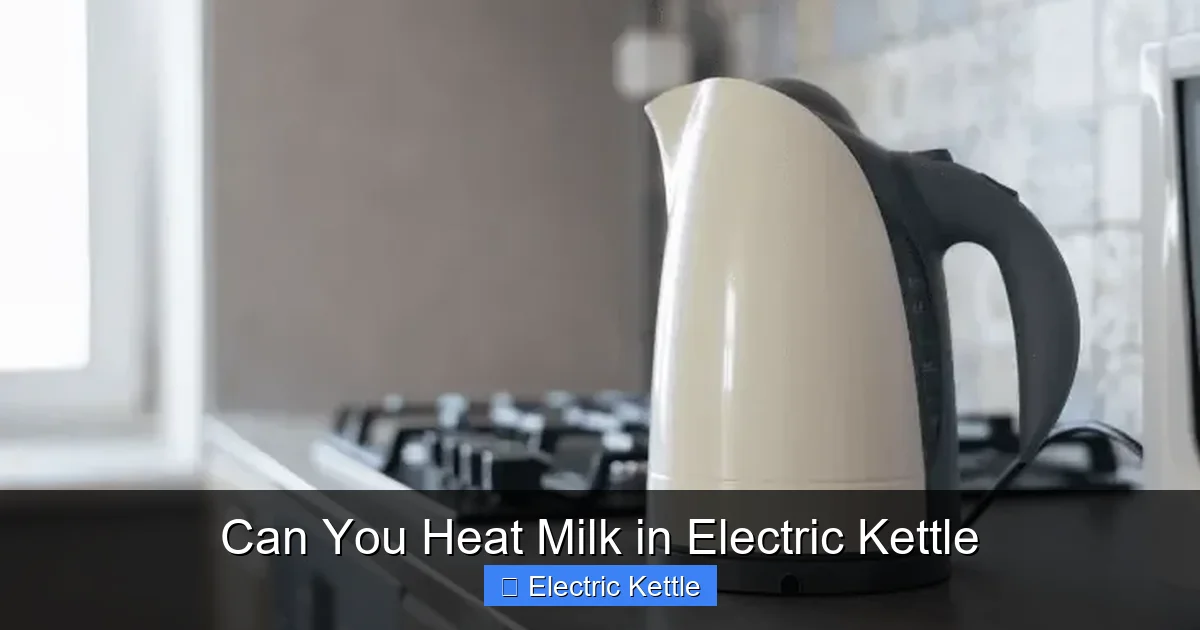
Visual guide about Can You Heat Milk in Electric Kettle
Image source: trishdeseine.com
Most electric kettles are built with one primary purpose: boiling water. From the materials used to the heating mechanism, everything is optimized for H₂O. That’s why using them for milk—especially without caution—can backfire.
How Electric Kettles Work
Electric kettles heat liquid using an internal heating element, usually located at the base. When you turn it on, electricity flows through this element, generating heat that warms the water. Many modern kettles also have automatic shut-off features that activate once the water reaches boiling point (around 100°C or 212°F). This prevents overheating and saves energy.
But milk doesn’t boil the same way water does. It begins to scald at much lower temperatures—around 70°C to 80°C (158°F to 176°F)—and can form a skin on the surface. If left unchecked, it can boil over, burn, or even trigger the kettle’s safety shut-off prematurely. Worse, the proteins in milk can stick to the heating element, creating a sticky, hard-to-clean residue.
Material Matters: What Your Kettle Is Made Of
The interior of most electric kettles is made from stainless steel, glass, or plastic. While these materials are safe for water, they can react poorly with milk. For example:
– Stainless steel: Durable and easy to clean, but milk can still burn onto the surface if overheated.
– Glass: Non-reactive and easy to see through, but milk can leave cloudy stains and odors.
– Plastic: Can absorb milk smells and may warp or degrade over time with repeated milk use.
Even if your kettle looks clean, microscopic milk particles can linger and spoil, leading to off-flavors in future uses—especially if you switch back to water.
The Problem with Automatic Shut-Off
One of the biggest risks of heating milk in an electric kettle is the automatic shut-off feature. These sensors are calibrated for water, not milk. Since milk heats unevenly and can foam or bubble, the sensor might detect steam or temperature changes incorrectly. This can cause the kettle to shut off too early (before the milk is warm) or too late (after it’s scorched).
Imagine pouring a cup of lukewarm milk because the kettle turned off at 70°C, or worse—smelling burnt milk because it overheated while you were distracted. Neither scenario is ideal.
When Is It Safe to Heat Milk in an Electric Kettle?
Despite the risks, there are situations where heating milk in an electric kettle can be done safely—especially if you have the right equipment and follow best practices.
Kettles with Milk or Temperature Control Settings
Some advanced electric kettles are designed to handle more than just water. These models often include:
– Variable temperature control: Allows you to set precise temperatures (e.g., 60°C for baby formula, 70°C for milk).
– Milk mode: A preset setting that heats milk gently to prevent scorching.
– Non-stick interiors: Easier to clean and less likely to retain milk residue.
Brands like Breville, Cuisinart, and Smeg offer kettles with these features. If you frequently heat milk, investing in one of these models can save you time and hassle.
For example, the Breville BKE820XL IQ Electric Kettle has a “Baby Formula” mode that heats milk to 70°C—perfect for warming bottles without overheating. Similarly, the Smeg KLF04 has a “Keep Warm” function that maintains a safe temperature without boiling.
Using a Kettle with a Removable Lid and Wide Opening
If your kettle has a wide mouth and removable lid, cleaning becomes much easier. This is crucial when heating milk, as any leftover residue can spoil and affect future uses. A kettle that’s easy to scrub reduces the risk of bacterial growth and lingering odors.
Stainless Steel or Glass Interiors Are Best
If you do decide to heat milk, choose a kettle with a stainless steel or glass interior. These materials are less likely to absorb odors and are easier to clean than plastic. Avoid kettles with non-stick coatings unless specifically labeled as safe for milk—many are not designed for high-heat dairy use.
Risks and Dangers of Heating Milk in Electric Kettles
Even with the right kettle, heating milk comes with risks. Understanding these can help you avoid common pitfalls.
Scorching and Burning
Milk contains proteins and sugars that caramelize when overheated. This creates a burnt flavor and a sticky layer on the heating element. Once this happens, it’s hard to remove and can ruin the taste of future beverages.
For example, if you heat milk to 90°C in a standard kettle, it may not boil over, but the bottom layer can scald. This is especially true if the kettle has a concealed heating element, making it hard to see what’s happening inside.
Boil-Overs and Mess
Milk foams when heated. Unlike water, which bubbles cleanly, milk can create a thick foam that rises quickly and spills over the kettle’s spout. This not only makes a mess but can also damage the electrical components if liquid seeps into the base.
Imagine turning your back for just 30 seconds—only to return to a kitchen counter covered in warm, sticky milk. It’s a common mistake, especially with fast-boiling kettles.
Damage to the Heating Element
Repeated use of milk in a water-only kettle can damage the heating element. The buildup of milk solids acts as an insulator, reducing efficiency and potentially causing the element to overheat or fail prematurely.
Over time, this can shorten the lifespan of your kettle and lead to costly repairs or replacements.
Unpleasant Odors and Flavors
Even after cleaning, milk can leave behind odors that linger in the kettle. These smells can transfer to water used later, giving your tea or coffee an off-putting taste. This is especially problematic if you use your kettle daily for both water and milk.
Fire Hazard (Rare but Possible)
In extreme cases, overheated milk can smoke or even ignite, especially if it dries onto the heating element. While rare, this is a serious risk if the kettle is left unattended or used improperly.
Step-by-Step Guide: How to Safely Heat Milk in an Electric Kettle
If you’ve decided to heat milk in your electric kettle—and your model allows it—follow these steps to minimize risks.
Step 1: Check the Manual
Before doing anything, consult your kettle’s user manual. Look for warnings about dairy, milk, or non-water liquids. If it says “water only,” it’s best to avoid milk altogether.
Step 2: Use the Right Amount
Fill the kettle to at least the minimum line—but don’t overfill. Milk expands when heated, so leave room for foam. A good rule is to fill no more than halfway if you’re heating a small amount.
Step 3: Choose the Right Temperature
If your kettle has temperature control, set it to 60°C to 70°C (140°F to 158°F). This is warm enough for drinking or frothing but not hot enough to scald.
If your kettle only has a boil function, use it sparingly and monitor closely. Consider using a kitchen thermometer to check the temperature.
Step 4: Heat in Short Bursts
Instead of letting the kettle run to full boil, heat the milk in short intervals. For example, run it for 30 seconds, then check the temperature. Repeat until warm.
This method gives you more control and reduces the risk of overheating.
Step 5: Stir Gently (If Possible)
If your kettle has a wide opening, gently stir the milk with a long-handled spoon during heating. This helps distribute heat evenly and prevents scorching at the bottom.
Step 6: Clean Immediately After Use
As soon as you’re done, rinse the kettle with warm water. Use a soft sponge and mild detergent to remove any residue. For stubborn buildup, soak the interior in a mixture of water and white vinegar (1:1 ratio) for 15–20 minutes, then scrub.
Never put a milk-used kettle in the dishwasher unless the manufacturer explicitly allows it.
Step 7: Dry Thoroughly
After cleaning, dry the interior with a clean cloth and let it air-dry with the lid open. This prevents mold and odors.
Better Alternatives to Heating Milk in an Electric Kettle
While it’s possible to heat milk in an electric kettle, there are often safer, more effective methods.
Use a Saucepan on the Stove
The most traditional and reliable method. Simply pour milk into a small saucepan, heat over medium-low heat, and stir frequently. This gives you full control and prevents scorching.
Tip: Use a heavy-bottomed pan to distribute heat evenly.
Microwave in a Microwave-Safe Container
Pour milk into a microwave-safe mug or bowl. Heat in 15–30 second intervals, stirring between each, until warm. This is quick and easy, especially for single servings.
Caution: Milk can superheat in the microwave, meaning it appears calm but boils violently when disturbed. Always stir before drinking.
Use a Milk Frother or Steamer
If you’re making lattes or cappuccinos, a dedicated milk frother (like a handheld frother or steam wand on an espresso machine) is ideal. These devices heat and froth milk perfectly without the risks of a kettle.
Try a Dedicated Milk Warmer
Small appliances like bottle warmers or milk warmers are designed specifically for heating milk safely. They’re especially useful for parents warming baby formula.
Pre-Heat with Hot Water
If you’re in a pinch, boil water in your electric kettle first, then pour it into a mug with cold milk. The hot water will gently warm the milk without direct heating. This is a great workaround if your kettle isn’t milk-safe.
Tips for Maintaining Your Electric Kettle
Whether you use it for water, milk, or both, proper maintenance keeps your kettle in top condition.
Regular Descaling
Mineral buildup from hard water can affect performance. Descale your kettle every 1–3 months using a vinegar solution (1 part vinegar to 2 parts water). Boil, let sit for 30 minutes, then rinse thoroughly.
Clean After Every Milk Use
As mentioned earlier, clean your kettle immediately after heating milk. Residue can spoil and cause odors.
Inspect for Damage
Check the heating element, lid seal, and exterior for cracks or wear. A damaged kettle is more likely to malfunction.
Store Properly
Keep your kettle in a dry place with the lid open to prevent moisture buildup and odors.
Conclusion: Should You Heat Milk in an Electric Kettle?
So, can you heat milk in an electric kettle? The answer is: yes, but with caution. While it’s technically possible—especially with kettles designed for it—most standard models aren’t built to handle milk safely. The risks of scorching, damage, and odors often outweigh the convenience.
If you do choose to heat milk in your kettle, make sure it’s compatible, use low heat, monitor closely, and clean immediately. Better yet, consider alternatives like a saucepan, microwave, or dedicated milk warmer for safer, more reliable results.
Ultimately, your electric kettle is a powerful tool—but like any appliance, it works best when used as intended. Treat it well, and it’ll serve you hot water (and maybe the occasional warm milk) for years to come.
Frequently Asked Questions
Can I heat milk in any electric kettle?
Not all electric kettles are safe for milk. Most are designed for water only, and using them for milk can cause damage or odors. Always check the manufacturer’s guidelines first.
What happens if I boil milk in an electric kettle?
Boiling milk can cause it to scald, burn, or foam over. This may damage the heating element, create unpleasant smells, and affect the taste of future beverages.
How do I clean my kettle after heating milk?
Rinse immediately with warm water, then wash with mild detergent. For stubborn residue, soak in a vinegar-water solution (1:1) for 15–20 minutes before scrubbing.
Can I use my kettle for water after heating milk?
Yes, but only if you clean it thoroughly. Residual milk can spoil and transfer odors to water, affecting the taste of tea or coffee.
Are there electric kettles made specifically for milk?
Yes, some models have milk modes or temperature control settings. Look for kettles with variable heat settings or non-stick interiors designed for dairy.
Is it safe to heat baby formula in an electric kettle?
Only if the kettle has a precise temperature setting (around 70°C). Otherwise, use a bottle warmer or stovetop method to avoid overheating and nutrient loss.