Yes, you can heat up milk in an electric kettle—but it’s not always recommended. While some modern kettles handle dairy safely, doing so risks scorching, burning, or damaging the heating element. Always check your kettle’s manual and use low-heat settings if attempting it.
Key Takeaways
- Not all electric kettles are designed for milk: Most are built for water, and heating milk can cause buildup, odors, and damage over time.
- Risk of scorching and burning: Milk contains proteins and sugars that burn easily, especially at high temperatures, leading to unpleasant smells and difficult cleanup.
- Potential damage to the heating element: Residue from milk can coat the heating coil or plate, reducing efficiency and shortening the kettle’s lifespan.
- Some kettles have milk-specific modes: A few advanced models include gentle heating settings or temperature control for dairy, making them safer for this purpose.
- Cleaning is critical: If you do heat milk, clean the kettle immediately to prevent stubborn residue and bacterial growth.
- Safer alternatives exist: Using a saucepan, microwave, or dedicated milk warmer is often more effective and safer than risking your electric kettle.
- Always consult the user manual: Manufacturer guidelines are the best source to determine if your kettle supports heating milk.
📑 Table of Contents
- Can You Heat Up Milk in an Electric Kettle?
- How Electric Kettles Work—And Why Milk Is Different
- Can You Safely Heat Milk in an Electric Kettle?
- Risks of Heating Milk in an Electric Kettle
- How to Heat Milk in an Electric Kettle Safely (If You Must)
- Safer Alternatives to Heating Milk in an Electric Kettle
- When Heating Milk in a Kettle Makes Sense
- Final Thoughts: Should You Heat Milk in an Electric Kettle?
Can You Heat Up Milk in an Electric Kettle?
If you’ve ever stood in your kitchen, craving a warm cup of milk before bed or needing to heat milk for a creamy latte, you might have wondered: *Can I just pop it in my electric kettle?* After all, it’s fast, convenient, and already designed to heat liquids. But while the idea sounds simple, the reality is a bit more complicated.
Electric kettles are primarily engineered to boil water—clean, simple, and predictable. Milk, on the other hand, is a complex liquid made of water, fats, proteins, and sugars. When heated, these components behave very differently than water. Proteins can denature and stick to surfaces, fats can separate, and sugars can caramelize or burn. This means that heating milk in a standard electric kettle—especially one not designed for dairy—can lead to a sticky, smelly mess, or worse, permanent damage to your appliance.
So, is it possible? Yes. Is it advisable? That depends. Some modern electric kettles come with features that make heating milk safer, such as temperature control, non-stick interiors, or specialized modes. But even then, caution is key. In this guide, we’ll explore the ins and outs of heating milk in an electric kettle—what works, what doesn’t, and how to do it safely if you choose to go that route.
How Electric Kettles Work—And Why Milk Is Different
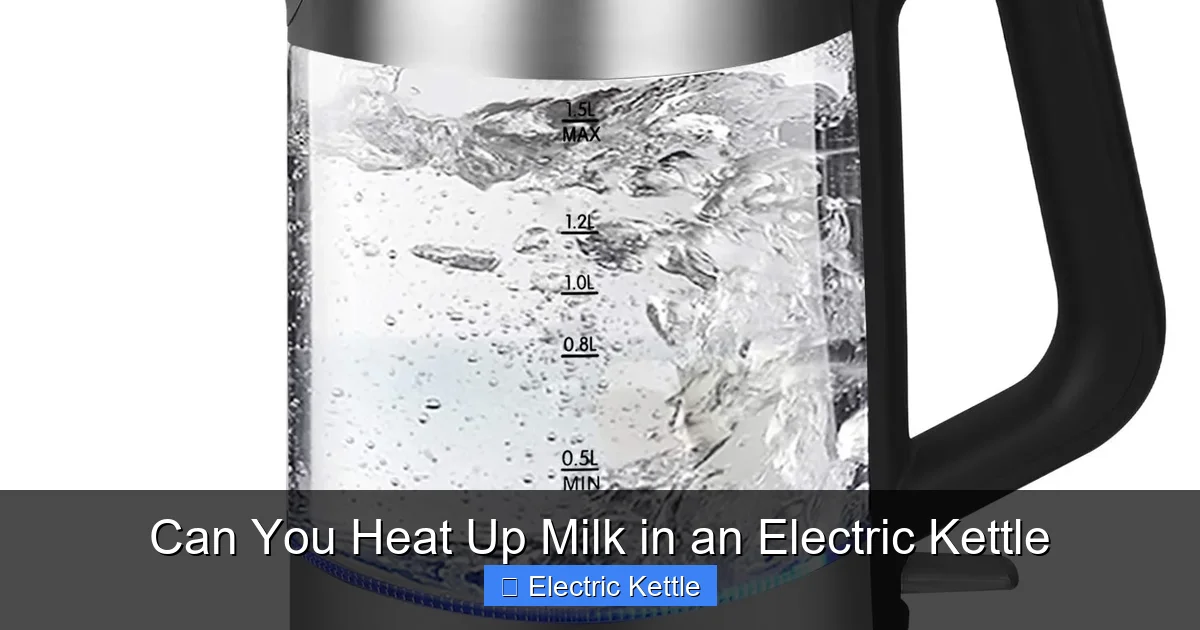
Visual guide about Can You Heat Up Milk in an Electric Kettle
Image source: images-na.ssl-images-amazon.com
To understand whether you can heat milk in an electric kettle, it helps to know how these appliances function. Most electric kettles use a concealed or exposed heating element—usually a metal coil or flat plate—at the base of the unit. When you press the boil button, electricity flows through this element, rapidly heating the liquid inside. A thermostat monitors the temperature and automatically shuts off the kettle once the water reaches boiling point (around 212°F or 100°C).
This system works beautifully for water because it’s stable, doesn’t leave residue, and heats evenly. But milk? Not so much.
The Science Behind Milk Heating
Milk begins to change at temperatures well below boiling. Around 140°F (60°C), the proteins in milk—mainly casein and whey—start to denature, meaning their structure unfolds. This can cause them to clump together and stick to surfaces. At higher temperatures, especially above 160°F (71°C), milk can scorch, forming a skin on the surface and a burnt layer at the bottom.
Sugars in milk, like lactose, can also caramelize when overheated, leading to a burnt flavor and dark residue. Fats may separate, creating an oily film. All of these reactions are accelerated in a fast-heating environment like an electric kettle, where the heating element can get extremely hot—much hotter than the liquid itself.
Why Standard Kettles Aren’t Ideal for Milk
Most electric kettles are designed to bring water to a rolling boil quickly. This high-heat, rapid-boiling approach is perfect for tea or coffee but disastrous for milk. The intense heat can cause milk to boil over, scorch, or form a thick crust that’s nearly impossible to remove.
Additionally, many kettles have stainless steel or aluminum interiors that can react with milk proteins, especially if residue is left to dry. Over time, this buildup can affect the taste of future brews and even harbor bacteria if not cleaned properly.
Can You Safely Heat Milk in an Electric Kettle?
The short answer: yes, but with major caveats. Whether you can safely heat milk in an electric kettle depends on several factors, including the type of kettle you have, the settings available, and how carefully you monitor the process.
Kettles with Temperature Control
Some modern electric kettles come with variable temperature settings—ideal for different types of tea or coffee. These models often allow you to select lower temperatures, such as 160°F (71°C) or 175°F (80°C), which are much safer for heating milk.
If your kettle has this feature, you’re in luck. You can heat milk gently without risking scorching. Just pour the milk into the kettle, select a low-temperature setting, and monitor it closely. Avoid letting it boil. Once it reaches your desired warmth, pour it immediately and clean the kettle right away.
For example, if you’re making a warm milk drink for a child or preparing milk for a baby bottle, a temperature-controlled kettle can be a convenient tool—just ensure the milk doesn’t exceed 140°F (60°C) to preserve nutrients and avoid scalding.
Kettles with Milk or Baby Formula Modes
A growing number of electric kettles now include specialized modes for heating milk or baby formula. These modes typically use lower heat and longer heating times to prevent burning. Some even have built-in timers or auto-shutoff features that stop heating once the milk reaches a safe temperature.
Brands like Smeg, Breville, and Cuisinart offer models with these capabilities. If you frequently heat milk—say, for lattes, hot chocolate, or infant formula—investing in one of these kettles can be a smart move. They’re designed with dairy in mind, reducing the risk of damage and ensuring consistent results.
Standard Kettles: Proceed with Caution
If your kettle doesn’t have temperature control or a milk mode, heating milk is riskier—but not impossible. You can still do it, but you’ll need to be extra careful.
Start by filling the kettle with no more than the amount of milk you need. Overfilling increases the chance of boil-over. Use the lowest heat setting if available, or simply press the boil button but watch it like a hawk. The moment the milk starts to steam or form a skin, turn it off. Do not let it boil.
Keep a close eye on the kettle. Milk can go from warm to burnt in seconds. If you see bubbles forming rapidly or hear a sputtering sound, it’s time to stop. Use a spoon to gently stir the milk occasionally to prevent skin formation.
And remember: even if you succeed once, repeated use of a standard kettle for milk can lead to long-term damage. Residue builds up, the heating element gets coated, and the kettle may eventually fail to heat water properly.
Risks of Heating Milk in an Electric Kettle
While it might seem like a time-saver, heating milk in an electric kettle comes with several potential downsides. Understanding these risks can help you decide whether it’s worth the convenience.
Scorching and Burning
This is the most common issue. Milk burns easily, especially when heated rapidly. The proteins and sugars caramelize, creating a burnt layer at the bottom of the kettle. This not only ruins the taste of your milk but also leaves a stubborn, smelly residue that’s hard to clean.
Imagine pouring warm milk into your coffee only to taste a faint hint of burnt plastic or scorched dairy. That’s what can happen when milk overheats in a kettle not designed for it.
Damage to the Heating Element
The heating element in your kettle is designed to work with clean water. When milk residue coats it, it can insulate the element, making it less efficient. Over time, this buildup can cause the element to overheat, degrade, or even fail completely.
In extreme cases, the residue can cause electrical issues or short circuits. While rare, it’s a real risk—especially if you frequently heat milk without proper cleaning.
Unpleasant Odors and Tastes
Burnt milk leaves a lingering smell that can permeate your kettle for days—or even permanently. Even after cleaning, the scent may remain, affecting the taste of future drinks. If you use your kettle for tea or coffee afterward, you might notice a faint dairy or burnt flavor.
This is especially problematic if you’re sensitive to tastes or aromas. A once-fresh cup of green tea could suddenly taste off, all because of yesterday’s milk mishap.
Difficult Cleanup
Cleaning a kettle after heating milk is no small task. The burnt residue can harden, requiring soaking, scrubbing, and sometimes special cleaners. Stainless steel interiors may need vinegar or baking soda solutions to remove stubborn stains.
If the residue gets into the spout or around the lid, it can be nearly impossible to reach. Over time, this can lead to mold or bacterial growth, especially in warm, moist environments.
Voided Warranty
Many kettle manufacturers explicitly state in their user manuals that the appliance is intended for water only. Using it for milk—especially if it causes damage—can void your warranty. If your kettle stops working after heating milk, you may be out of luck when it comes to repairs or replacements.
Always check the manual before attempting to heat milk. If it says “for water use only,” it’s best to respect that warning.
How to Heat Milk in an Electric Kettle Safely (If You Must)
If you’ve weighed the risks and still want to heat milk in your electric kettle, here’s how to do it as safely as possible.
Step 1: Check Your Kettle’s Manual
Before doing anything, consult the user manual. Look for any mention of milk, dairy, or non-water liquids. If the manufacturer approves it, you’re in the clear. If not, proceed at your own risk.
Step 2: Use the Right Amount
Only heat the amount of milk you need. Overfilling increases the risk of boil-over, which can damage the kettle’s electrical components or create a mess on your countertop.
Step 3: Choose the Right Setting
If your kettle has temperature control, select a low setting—ideally between 140°F and 160°F (60°C–71°C). Avoid boiling. If there’s no temperature control, use the shortest heating cycle and monitor closely.
Step 4: Monitor Constantly
Never walk away. Milk can go from warm to burnt in under a minute. Stay nearby and watch for steam, bubbling, or skin formation. Turn off the kettle as soon as the milk is warm—don’t wait for it to boil.
Step 5: Stir Gently
Use a clean spoon to stir the milk occasionally. This helps distribute heat evenly and prevents skin from forming on the surface.
Step 6: Clean Immediately
As soon as you’ve poured the milk, rinse the kettle with warm water. Use a soft sponge or brush to remove any residue. For stubborn buildup, soak the kettle in a mixture of water and white vinegar (1:1 ratio) for 30 minutes, then scrub and rinse thoroughly.
Avoid using abrasive cleaners or steel wool, as they can scratch the interior and make future cleaning even harder.
Step 7: Dry Completely
Let the kettle air-dry with the lid open to prevent moisture buildup. This helps prevent mold and keeps the interior fresh.
Safer Alternatives to Heating Milk in an Electric Kettle
Given the risks, you might be wondering: is there a better way? Absolutely. Here are several safer, more effective methods for heating milk.
Using a Saucepan on the Stove
This is the most traditional and reliable method. Pour milk into a small saucepan and heat it over low to medium heat, stirring frequently. Use a thermometer if you want precision—most recipes call for milk between 140°F and 160°F.
The advantage? You have full control over the heat, and cleanup is straightforward. Just wash the pan when you’re done.
Microwave Method
For quick warming, the microwave works well—if done correctly. Pour milk into a microwave-safe container, cover it loosely, and heat in 15- to 30-second intervals, stirring between each. This prevents hot spots and reduces the risk of boiling over.
Be careful not to overheat. Milk can superheat in the microwave, meaning it doesn’t bubble but suddenly erupts when disturbed. Stirring helps prevent this.
Dedicated Milk Warmers
If you frequently heat milk—especially for babies—consider a dedicated milk warmer. These small appliances are designed specifically for heating bottles or small amounts of milk gently and evenly. They’re safe, efficient, and eliminate the risk of damaging other appliances.
Steam Wand on an Espresso Machine
If you have an espresso machine with a steam wand, you can use it to heat and froth milk for lattes or cappuccinos. This method gives you professional-quality results and is much safer than using a kettle.
Thermos or Insulated Pitcher
For keeping milk warm (not heating it), a thermos or insulated pitcher works great. Heat the milk using one of the above methods, then pour it into the thermos to maintain temperature for up to an hour.
When Heating Milk in a Kettle Makes Sense
Despite the risks, there are situations where using an electric kettle for milk is practical—especially if you’re in a hurry or don’t have access to a stove.
Making Instant Hot Chocolate
If you’re craving a quick hot chocolate, pouring milk into a temperature-controlled kettle can be faster than waiting for a saucepan to heat up. Just be sure to stir in the cocoa powder after heating to avoid clumping.
Preparing Baby Formula on the Go
Parents traveling or staying in hotels might use a kettle to heat water for formula. If the kettle has a milk mode, you can sometimes use it to warm pre-mixed formula—but always check the manufacturer’s guidelines first.
Small Batches for Coffee Drinks
If you’re making a single latte or flat white, heating a small amount of milk in a kettle with temperature control can be efficient. Just don’t make it a daily habit unless your kettle is designed for it.
Final Thoughts: Should You Heat Milk in an Electric Kettle?
So, can you heat up milk in an electric kettle? Yes—but it’s not always the best idea. While some modern kettles are equipped to handle dairy safely, most are not. The risks of scorching, damage, and difficult cleanup often outweigh the convenience.
If your kettle has temperature control, a milk mode, or explicit approval from the manufacturer, go ahead—but do so carefully. Monitor the process, clean immediately, and avoid making it a regular practice.
For most people, though, safer alternatives like a saucepan, microwave, or dedicated milk warmer are better choices. They’re designed for the task, easier to clean, and won’t put your kettle at risk.
Ultimately, your electric kettle is a powerful tool—but like any tool, it works best when used as intended. Respect its limits, and it will serve you well for years to come.
Frequently Asked Questions
Can I boil milk in an electric kettle?
It’s not recommended. Boiling milk can cause it to scorch, burn, or boil over, damaging the kettle and creating a mess. Most kettles aren’t designed for dairy, and boiling increases the risk of residue buildup and unpleasant odors.
Will heating milk ruin my electric kettle?
It can, especially if done repeatedly. Milk residue can coat the heating element, reduce efficiency, and cause long-term damage. If your kettle isn’t designed for milk, frequent use may shorten its lifespan or void the warranty.
What temperature should milk be heated to in a kettle?
Aim for 140°F to 160°F (60°C–71°C). This is warm enough for drinking or cooking but low enough to prevent scalding, skin formation, or nutrient loss. Avoid boiling, which occurs at 212°F (100°C).
How do I clean my kettle after heating milk?
Rinse immediately with warm water. For residue, soak in a 1:1 vinegar-water solution for 30 minutes, then scrub gently with a soft brush. Rinse thoroughly and dry with the lid open to prevent mold.
Are there electric kettles made specifically for milk?
Yes. Some models include milk or baby formula modes with gentle heating and temperature control. Brands like Breville and Smeg offer kettles designed for dairy, making them safer for this purpose.
Can I use my kettle for both water and milk?
Technically yes, but it’s not ideal. Residue from milk can affect the taste of future drinks. If you do, clean the kettle thoroughly after each milk use and consider using separate kettles if possible.