You can keep water in an electric kettle, but it’s not always recommended. While modern kettles are designed for convenience, leaving water sitting for long periods can affect taste, promote bacterial growth, and reduce appliance lifespan. Learn when it’s safe and how to maintain your kettle for optimal performance.
Key Takeaways
- Short-term storage is generally safe: Keeping water in your electric kettle for a few hours is fine, especially if you use it daily.
- Avoid long-term storage: Leaving water for more than 24 hours can lead to stale taste and potential bacterial buildup.
- Mineral buildup is a concern: Hard water left in the kettle can cause limescale, reducing efficiency and damaging heating elements.
- Clean your kettle regularly: Even with fresh water, residue and microbes can accumulate—clean weekly with vinegar or a descaling solution.
- Unplug and dry after use: To extend lifespan and prevent electrical issues, always unplug and let the kettle air-dry when not in use.
- Use filtered water when possible: This reduces impurities and scale formation, keeping your kettle cleaner and water tasting better.
- Check manufacturer guidelines: Some brands explicitly advise against storing water—always refer to your user manual.
📑 Table of Contents
Can You Keep Water in an Electric Kettle?
If you’ve ever poured a cup of tea only to realize the water in your electric kettle has been sitting there since yesterday, you’re not alone. Many of us use our electric kettles daily—sometimes multiple times a day—and it’s tempting to leave water in them for convenience. But is that really a good idea? Can you keep water in an electric kettle without causing harm to your health, your appliance, or the taste of your morning coffee?
The short answer is: yes, you *can* keep water in an electric kettle, but with important caveats. While modern electric kettles are built to heat water quickly and safely, they aren’t designed to function as long-term water storage containers. Leaving water in the kettle for extended periods can lead to a range of issues, from off flavors and mineral buildup to potential bacterial growth. However, short-term storage—like leaving water overnight or for a few hours—is generally acceptable, especially if you’re using your kettle regularly.
In this guide, we’ll explore the ins and outs of storing water in your electric kettle. We’ll look at the science behind why water quality changes over time, how different types of water affect your appliance, and what steps you can take to keep both your kettle and your drinking water in top condition. Whether you’re a tea lover, a coffee enthusiast, or just someone who likes hot water on demand, understanding the best practices for water storage in your kettle will help you enjoy better-tasting beverages and extend the life of your appliance.
Why Water Quality Changes Over Time
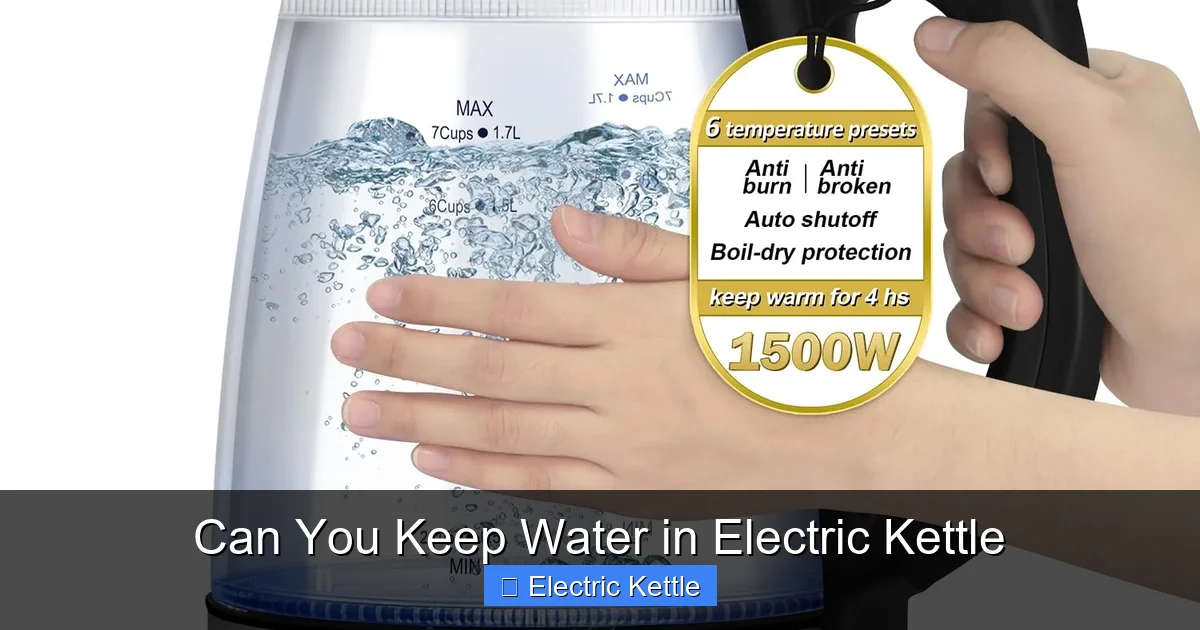
Visual guide about Can You Keep Water in Electric Kettle
Image source: images-na.ssl-images-amazon.com
Water may seem inert, but it’s far from static—especially when stored in a closed container like an electric kettle. Even if the water looks clear and smells fine, chemical and biological changes can occur over time, affecting both taste and safety.
One of the most noticeable changes is in flavor. Fresh tap water contains dissolved oxygen, which gives it a crisp, clean taste. When water sits in a kettle—particularly a sealed one—the oxygen gradually dissipates. This leads to “flat” or stale-tasting water, which can make your tea or coffee taste less vibrant. You might not notice it at first, but regular tea drinkers often report that water boiled from a freshly filled kettle tastes noticeably better than water that’s been sitting.
Another factor is temperature. Electric kettles heat water to near-boiling, which kills most bacteria. But once the water cools, it becomes a potential breeding ground for microbes—especially if the kettle isn’t cleaned regularly. While the risk of harmful bacteria like E. coli or Salmonella is low in treated municipal water, other microorganisms such as biofilm-forming bacteria can develop over time. These don’t necessarily make you sick, but they can contribute to unpleasant odors and slimy residues inside the kettle.
Additionally, exposure to air and light can trigger chemical reactions. For example, chlorine—commonly added to tap water as a disinfectant—can evaporate over time, changing the water’s taste. In some cases, trace metals from plumbing or the kettle itself (like copper or aluminum) can leach into the water, especially if the kettle has scratches or worn coatings.
Even the material of the kettle plays a role. Stainless steel kettles are durable and non-reactive, but they can still harbor bacteria if not cleaned. Plastic kettles, while lightweight, may absorb odors or release microplastics if exposed to repeated heating cycles. Glass kettles are non-porous and easy to clean, but they’re more fragile and can still accumulate scale.
The bottom line? Water isn’t meant to sit indefinitely—even in a clean, modern electric kettle. While a few hours of storage is unlikely to cause problems, the longer water sits, the greater the chance of taste degradation, microbial growth, and mineral buildup.
The Risks of Long-Term Water Storage in Electric Kettles
Leaving water in your electric kettle for more than a day introduces several risks that go beyond just bad taste. Understanding these risks can help you make smarter decisions about when to refill and when to empty your kettle.
Bacterial Growth and Biofilm Formation
One of the biggest concerns with long-term water storage is the potential for bacterial growth. While boiling water kills most pathogens, once the water cools to room temperature, it becomes a hospitable environment for certain microbes. Bacteria like *Pseudomonas* and *Legionella* can thrive in stagnant water, especially in warm, moist environments—conditions that are common inside a kettle that’s been sitting with water for days.
Even if these bacteria aren’t harmful in small amounts, they can form biofilms—slimy layers of microorganisms that cling to the interior surfaces of your kettle. Biofilms are notoriously difficult to remove and can harbor bacteria even after cleaning. Over time, they can affect the taste of your water and potentially lead to gastrointestinal discomfort if ingested regularly.
Mineral Buildup and Limescale
If you live in an area with hard water—water high in calcium and magnesium—leaving it in your kettle can accelerate limescale formation. When water is heated, these minerals precipitate out and settle on the heating element and interior walls. Over time, this buildup reduces the kettle’s efficiency, increases energy consumption, and can even cause the heating element to fail prematurely.
Limescale isn’t just a cosmetic issue. It can flake off into your water, giving it a chalky taste and potentially clogging the spout or filter. In severe cases, it can lead to overheating or electrical faults. While some kettles come with built-in filters or descaling features, they’re not a substitute for regular cleaning—especially if water is left sitting for long periods.
Off Flavors and Odors
As mentioned earlier, stale water tastes flat. But it can also develop unpleasant odors, especially if the kettle isn’t cleaned regularly. Residual oils from tea or coffee, combined with stagnant water, can create a musty or metallic smell. Plastic kettles are particularly prone to absorbing odors, which can transfer to your beverages.
Even stainless steel kettles can develop odors if food particles or soap residue are left behind after cleaning. Over time, these odors become embedded in the material, making them harder to remove.
Reduced Appliance Lifespan
Constantly heating water that’s been sitting in the kettle can strain the appliance. The heating element works harder when scaling is present, leading to overheating and potential burnout. Additionally, leaving water in the kettle increases the frequency of heating cycles, which can wear down internal components faster than normal use.
Some kettles also have sensors or thermostats that can become less accurate over time if exposed to mineral deposits or biofilm. This can result in under-boiling or over-boiling, both of which affect performance and safety.
Electrical and Safety Concerns
While rare, leaving water in an electric kettle can pose electrical risks—especially if the kettle is old or damaged. Moisture can seep into electrical components, increasing the risk of short circuits or malfunctions. If the kettle is left plugged in with water inside, there’s also a small chance of overheating or steam buildup, particularly if the lid isn’t fully sealed.
For these reasons, most manufacturers recommend emptying the kettle after use and storing it dry and unplugged.
When Is It Safe to Leave Water in Your Kettle?
Despite the risks, there are situations where keeping water in your electric kettle is perfectly safe—and even practical.
Short-Term Storage (Under 24 Hours)
If you use your kettle daily or multiple times a day, leaving water in it for a few hours—or even overnight—is generally fine. The water hasn’t had enough time to stagnate significantly, and the risk of bacterial growth is minimal. In fact, many people find it convenient to fill their kettle in the evening so it’s ready for morning tea or coffee.
Just make sure the water is fresh when you fill it, and avoid reboiling the same water repeatedly. Repeated boiling can concentrate impurities and increase mineral content, which affects taste and promotes scaling.
Using Filtered or Distilled Water
If you use filtered or distilled water, the risks of mineral buildup and bacterial growth are reduced. Filtered water has fewer impurities, which means less scaling and better taste. Distilled water is even purer, though it lacks minerals that some people prefer in their drinking water.
Using high-quality water not only protects your kettle but also improves the flavor of your beverages. Just remember that even filtered water can go stale if left too long.
Kettles with Advanced Features
Some modern electric kettles come with features designed to mitigate the risks of water storage. For example, kettles with built-in filters can trap sediment and reduce scaling. Others have automatic shut-off and keep-warm functions that maintain water at a safe temperature without overheating.
Kettles made from high-grade stainless steel or borosilicate glass are also less reactive and easier to clean, making them better suited for occasional water storage.
Climate and Environment
The environment in which you store your kettle matters. In cooler, dry climates, water is less likely to promote bacterial growth. In hot, humid environments, however, stagnant water can become problematic more quickly. If you live in a warm area, it’s best to empty your kettle after each use.
Best Practices for Keeping Water in Your Electric Kettle
If you choose to keep water in your electric kettle, following these best practices will help minimize risks and maintain both water quality and appliance performance.
Clean Your Kettle Weekly
Regular cleaning is the single most important step you can take. Even if you only store water short-term, residue from minerals, oils, and microbes can build up over time.
To clean your kettle, fill it halfway with equal parts water and white vinegar. Bring it to a boil, then let it sit for 15–20 minutes. Pour out the solution, rinse thoroughly, and wipe the interior with a soft cloth. For stubborn scale, repeat the process or use a commercial descaling solution.
Avoid using abrasive cleaners or steel wool, which can scratch the interior and create hiding spots for bacteria.
Use Fresh Water Daily
Make it a habit to empty and refill your kettle each day. This ensures that the water you’re boiling is fresh and reduces the chance of stagnation. If you’re not using your kettle for a day or more, empty it completely and let it air-dry.
Unplug and Dry After Use
Always unplug your kettle when not in use. This prevents accidental activation and reduces wear on electrical components. After emptying, leave the lid open to allow moisture to evaporate. A dry kettle is less likely to harbor bacteria or develop odors.
Descale Regularly
Even with filtered water, some mineral buildup is inevitable. Descale your kettle every 1–2 months, or more often if you have hard water. This will keep the heating element efficient and prevent scale from affecting your water.
Inspect for Damage
Check your kettle regularly for cracks, scratches, or worn seals. Damaged kettles are more prone to bacterial growth and electrical issues. If you notice any problems, replace the kettle promptly.
Follow Manufacturer Instructions
Every kettle is different. Some brands explicitly advise against storing water, while others are more lenient. Always refer to your user manual for specific guidance.
Alternative Solutions for Convenience
If you’re concerned about water quality but still want the convenience of hot water on demand, consider these alternatives:
Use a Thermal Carafe or Insulated Kettle
Some kettles come with insulated bodies or thermal carafes that keep water hot for hours without reheating. These are ideal for offices or households where multiple people need hot water throughout the day.
Invest in a Hot Water Dispenser
Hot water dispensers are designed for continuous use and often include filtration systems. They’re more expensive than standard kettles but offer greater convenience and water quality.
Boil Only What You Need
Instead of filling the kettle to the top, boil only the amount of water you’ll use immediately. This reduces waste, saves energy, and ensures freshness.
Keep a Pitcher of Filtered Water Nearby
Store filtered water in a glass pitcher in the fridge. When you need hot water, pour it into the kettle and boil. This gives you the best of both worlds—fresh, clean water and quick heating.
Conclusion
So, can you keep water in an electric kettle? The answer is a cautious yes—with important limitations. Short-term storage is generally safe and convenient, especially if you use your kettle daily and maintain it properly. However, leaving water in your kettle for more than 24 hours increases the risk of stale taste, bacterial growth, and mineral buildup.
To get the most out of your electric kettle—and your hot beverages—follow best practices like cleaning regularly, using fresh water, and emptying the kettle when not in use. Pay attention to your water quality, your environment, and your kettle’s condition. And when in doubt, refer to the manufacturer’s guidelines.
By treating your electric kettle with care, you’ll enjoy better-tasting tea and coffee, extend the life of your appliance, and ensure that every cup is as fresh and safe as the first.
Frequently Asked Questions
Is it safe to leave water in an electric kettle overnight?
Yes, it’s generally safe to leave water in your electric kettle overnight if you use it the next day. However, avoid leaving it for more than 24 hours to prevent stale taste and potential bacterial growth.
Can bacteria grow in water left in a kettle?
Yes, bacteria can grow in stagnant water, especially if it’s left at room temperature for days. While boiling kills most pathogens, microbes can return once the water cools.
Does leaving water in a kettle cause limescale?
Yes, especially if you have hard water. Minerals like calcium and magnesium precipitate out when water is heated and can build up over time, reducing efficiency and affecting taste.
How often should I clean my electric kettle?
Clean your kettle weekly with a vinegar solution or descaling product to remove mineral buildup and prevent odors. Deep clean monthly or as needed.
Can I store filtered water in my electric kettle?
Yes, filtered water is better for your kettle as it contains fewer impurities. However, it should still be used within 24 hours to maintain freshness.
Should I unplug my kettle when not in use?
Yes, always unplug your electric kettle when not in use. This prevents electrical issues, saves energy, and extends the appliance’s lifespan.