Yes, you can leave an electric kettle plugged in, but it’s not always the safest or most energy-efficient choice. While modern kettles are designed with safety features, leaving them connected 24/7 can increase wear, energy use, and fire risks over time.
Key Takeaways
- Understanding can you leave an electric kettle plugged in: Provides essential knowledge
📑 Table of Contents
- Can You Leave an Electric Kettle Plugged In?
- Safety Features in Modern Electric Kettles
- Energy Consumption: Is It Worth Leaving It Plugged In?
- Does Leaving It Plugged In Affect Kettle Lifespan?
- Water Quality and Hygiene Concerns
- Best Practices for Safe and Efficient Kettle Use
- Conclusion: To Plug In or Not to Plug In?
Can You Leave an Electric Kettle Plugged In?
If you’re like most people, your morning routine probably starts with a hot cup of coffee or tea—and that means firing up the electric kettle. It’s quick, convenient, and gets the job done in under five minutes. But have you ever stopped to wonder: *Can you leave an electric kettle plugged in all the time?* It’s a simple question, but the answer isn’t always straightforward.
On one hand, modern electric kettles are built with safety in mind. Features like automatic shutoff, boil-dry protection, and thermal fuses make them much safer than older models. On the other hand, leaving any appliance plugged in 24/7 comes with potential downsides—ranging from minor energy waste to long-term wear and tear. So, what’s the real story?
In this guide, we’ll dive deep into the pros and cons of leaving your electric kettle plugged in. We’ll explore safety concerns, energy usage, maintenance tips, and best practices to help you make an informed decision. Whether you’re a busy parent, a remote worker, or just someone who loves a perfectly brewed cup of tea, this article will give you the knowledge you need to use your kettle wisely—and safely.
Safety Features in Modern Electric Kettles
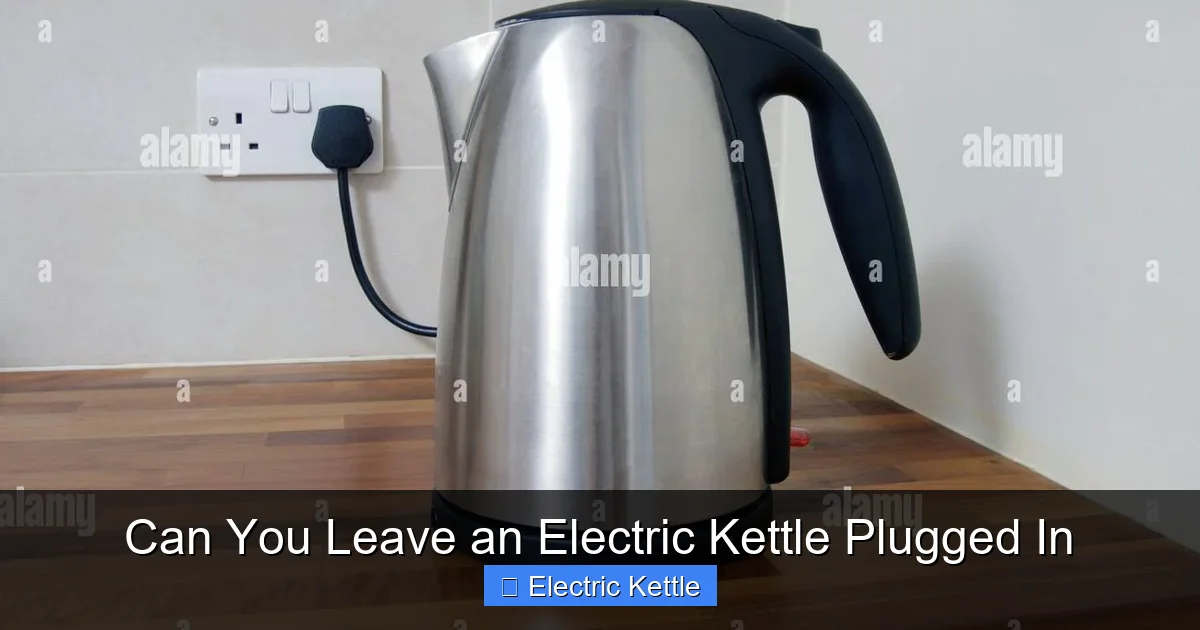
Visual guide about Can You Leave an Electric Kettle Plugged In
Image source: c8.alamy.com
One of the biggest reasons people feel comfortable leaving their electric kettles plugged in is the advanced safety technology built into today’s models. Unlike older appliances that could overheat or spark, modern kettles come equipped with multiple layers of protection designed to prevent accidents.
Automatic Shutoff Mechanism
The most important safety feature in any electric kettle is the automatic shutoff. Once the water reaches boiling point (usually around 212°F or 100°C), the thermostat inside the kettle detects the temperature and cuts off the power to the heating element. This prevents the water from boiling away completely, which could otherwise lead to overheating or damage.
For example, if you accidentally walk away while your kettle is heating, the auto-shutoff ensures it won’t keep running indefinitely. This feature alone significantly reduces the risk of fire or electrical hazards.
Boil-Dry Protection
Another critical safety component is boil-dry protection. This feature kicks in if the kettle is turned on without water or if all the water evaporates before the auto-shutoff activates. In such cases, the thermal fuse or bimetallic strip inside the kettle will trip, cutting off power and preventing the heating element from burning out.
Imagine starting your kettle only to realize you forgot to add water. Without boil-dry protection, the heating coil could overheat and potentially cause a fire. But with this feature, the kettle simply stops working until it cools down and is reset—keeping you and your home safe.
Thermal Fuses and Overheat Sensors
Many high-quality kettles also include thermal fuses or overheat sensors. These are one-time-use safety devices that melt or break when temperatures exceed safe limits. Once triggered, they permanently disable the kettle, preventing further use until replaced.
While this might sound inconvenient, it’s actually a lifesaver. It ensures that even if other safety systems fail, the kettle won’t continue operating under dangerous conditions. Think of it as the last line of defense in your kettle’s safety system.
Insulated Handles and Cool-Touch Exteriors
Safety isn’t just about electrical components—it’s also about user protection. Many modern kettles feature insulated handles and cool-touch exteriors, meaning the outside of the kettle stays relatively cool even when the water inside is boiling. This reduces the risk of burns when pouring.
For instance, brands like Breville, Cuisinart, and Hamilton Beach often highlight these features in their product descriptions. They’re especially useful in households with children or elderly users who may be more susceptible to accidents.
Grounding and Electrical Safety
Finally, reputable electric kettles are designed with proper grounding and insulated wiring to prevent electrical shocks. The plug typically includes a grounding pin, and the internal wiring is shielded to minimize exposure.
Always look for kettles that meet safety standards like UL (Underwriters Laboratories) or ETL certification. These labels indicate that the product has been tested and approved for safe use in homes.
Energy Consumption: Is It Worth Leaving It Plugged In?
Now that we’ve covered safety, let’s talk about energy. One of the most common concerns about leaving appliances plugged in is “phantom load”—the small amount of electricity devices consume even when not in active use.
Standby Power Draw
Electric kettles don’t have digital displays or clocks like microwaves or coffee makers, so their standby power consumption is extremely low—often less than 0.5 watts. To put that in perspective, a single LED nightlight uses about 0.5 to 1 watt. So, while your kettle isn’t a major energy hog, it’s not completely innocent either.
Over time, however, even small amounts add up. If your kettle draws 0.3 watts continuously, that’s about 2.6 kilowatt-hours (kWh) per year. Depending on your electricity rate (say, $0.12 per kWh), that’s roughly $0.31 annually. Not a huge sum, but if you have multiple appliances doing the same, the costs can grow.
Frequency of Use Matters
The real energy impact depends on how often you use your kettle. If you boil water multiple times a day—say, for tea, coffee, instant noodles, or oatmeal—the energy used during operation far outweighs the standby draw. In such cases, leaving it plugged in might actually be more convenient and not significantly more expensive.
But if you only use your kettle once a week, the standby power becomes a larger percentage of its total energy use. Unplugging it between uses could save a few cents a year—and every bit counts when you’re trying to reduce your carbon footprint.
Smart Plugs and Timers
A great middle-ground solution is using a smart plug or timer. These devices allow you to control when your kettle receives power. For example, you could set it to turn on only during your morning routine or disable it overnight.
Some smart plugs even track energy usage, so you can see exactly how much power your kettle is consuming. This data can help you make smarter decisions about when to plug it in or unplug it.
Environmental Impact
Beyond cost, there’s an environmental angle. Even small energy savings contribute to reduced greenhouse gas emissions, especially if your electricity comes from fossil fuels. By minimizing unnecessary power draw, you’re doing your part for the planet.
Plus, unplugging appliances when not in use is a simple habit that can inspire broader energy-conscious behaviors—like turning off lights or using energy-efficient bulbs.
Does Leaving It Plugged In Affect Kettle Lifespan?
Another important consideration is how leaving your kettle plugged in impacts its longevity. While modern kettles are built to last, constant electrical connection can take a toll over time.
Stress on Internal Components
Even when not in use, a plugged-in kettle remains connected to the electrical circuit. This means the internal wiring, thermostat, and heating element are always “live” in a sense. Over months and years, this can lead to gradual wear and tear.
For example, the thermostat—responsible for detecting water temperature—may become less accurate if exposed to constant electrical stress. This could result in inconsistent boiling or premature failure.
Corrosion and Mineral Buildup
If you leave water sitting in the kettle for long periods (especially if it’s plugged in and warm), minerals from hard water can accumulate faster. This limescale buildup not only affects performance but can also corrode the heating element.
In areas with hard water, this is a common issue. You might notice slower heating times, strange noises, or a metallic taste in your water. Regular descaling can help, but prevention is better than cure.
Power Surges and Electrical Damage
Leaving any appliance plugged in increases its exposure to power surges—especially during thunderstorms or grid fluctuations. While most kettles have some level of surge protection, they’re not immune to damage.
A sudden spike in voltage can fry the internal circuitry, rendering the kettle unusable. Unplugging during storms or when you’re away for extended periods (like vacations) is a simple way to protect your investment.
Manufacturer Recommendations
Many kettle manufacturers actually advise unplugging the appliance when not in use. For instance, user manuals from brands like Russell Hobbs and OXO often include this tip in their safety guidelines.
Following these recommendations not only extends the life of your kettle but also ensures you’re covered under warranty. Some companies may void warranties if damage results from improper use—like leaving the kettle plugged in during a power surge.
Water Quality and Hygiene Concerns
Beyond safety and energy, there’s another factor to consider: the quality of the water you’re drinking.
Stagnant Water and Bacteria Growth
Water that sits in a kettle for days—especially if it’s warm—can become a breeding ground for bacteria. While boiling kills most pathogens, stagnant water can still harbor microbes like *Legionella* or *Pseudomonas*, particularly in poorly maintained kettles.
This is more of a concern in commercial settings or shared kitchens, but it’s still worth noting. If you leave water in your kettle overnight or longer, it’s best to empty and rinse it before the next use.
Mineral Deposits and Taste
Hard water contains high levels of calcium and magnesium. When water is repeatedly heated and cooled, these minerals precipitate out, forming limescale. This not only affects the kettle’s efficiency but can also alter the taste of your beverages.
You might notice a chalky residue at the bottom of your kettle or a slight off-flavor in your tea. Regular cleaning with vinegar or a descaling solution can help, but preventing stagnation is key.
Plastic Components and Leaching
Some kettles have plastic parts, especially in the lid or handle. If water is left sitting and the kettle is warm (even slightly), there’s a small risk of chemicals leaching into the water—particularly if the plastic isn’t food-grade or BPA-free.
While most reputable brands use safe materials, it’s still a good idea to empty the kettle after each use and avoid storing water in it for long periods.
Best Practices for Safe and Efficient Kettle Use
So, what’s the best way to use your electric kettle? Here are some practical tips to maximize safety, efficiency, and longevity.
Unplug When Not in Use
The simplest and most effective habit is to unplug your kettle after each use. It takes just a few seconds and eliminates standby power draw, reduces wear on components, and minimizes fire risks.
If you’re worried about convenience, consider keeping the plug within easy reach or using a power strip with an on/off switch.
Empty and Rinse After Use
Always pour out any leftover water and give the kettle a quick rinse. This prevents mineral buildup and keeps the interior clean. For deeper cleaning, descale monthly with a vinegar solution (1:1 water and white vinegar, boil, let sit, then rinse).
Store in a Dry, Cool Place
When not in use, store your kettle in a dry area away from moisture and heat sources. This helps prevent corrosion and extends the life of electrical components.
Inspect Regularly
Check the power cord, plug, and exterior for signs of damage—fraying, cracks, or discoloration. If you notice anything unusual, stop using the kettle and have it inspected or replaced.
Follow the Manual
Every kettle is different. Always read the user manual for specific care instructions, warranty details, and safety warnings. This small step can save you time, money, and trouble down the line.
Upgrade to a Smart Kettle
If you’re tech-savvy, consider investing in a smart electric kettle. These models connect to your smartphone via Wi-Fi and allow you to control temperature, set timers, and monitor usage. Some even notify you when the water is ready.
While they cost more, smart kettles offer greater control and can help you use your appliance more efficiently.
Conclusion: To Plug In or Not to Plug In?
So, can you leave an electric kettle plugged in? The short answer is yes—but with caveats.
Modern electric kettles are remarkably safe, thanks to features like auto-shutoff, boil-dry protection, and thermal fuses. For most people, leaving it plugged in won’t pose an immediate danger. However, doing so comes with trade-offs: minor energy waste, potential wear on components, and reduced water quality over time.
The best approach? Use your kettle wisely. Unplug it when not in use, especially during storms or long absences. Empty and clean it regularly. And always follow the manufacturer’s guidelines.
By adopting these simple habits, you’ll enjoy safer, more efficient, and longer-lasting performance from your electric kettle. After all, a little care goes a long way—whether you’re brewing your morning coffee or heating water for a cozy evening tea.
Frequently Asked Questions
Is it safe to leave an electric kettle plugged in all the time?
Yes, it’s generally safe due to built-in safety features like auto-shutoff and thermal fuses. However, unplugging when not in use reduces wear and energy use.
Does leaving a kettle plugged in use a lot of electricity?
No, the standby power draw is very low—less than 1 watt. But over time, it can add up, especially if you have many appliances plugged in.
Can leaving water in the kettle cause bacteria growth?
Yes, stagnant water—especially if warm—can encourage bacterial growth. Always empty and rinse the kettle after use.
Will leaving my kettle plugged in shorten its lifespan?
Possibly. Constant electrical connection can stress internal components. Unplugging helps preserve the thermostat and heating element.
Should I unplug my kettle during a thunderstorm?
Yes. Power surges during storms can damage electronics. Unplugging protects your kettle and other appliances.
How often should I clean my electric kettle?
Descale monthly if you use it regularly, or more often in hard water areas. Rinse after each use to prevent buildup.