
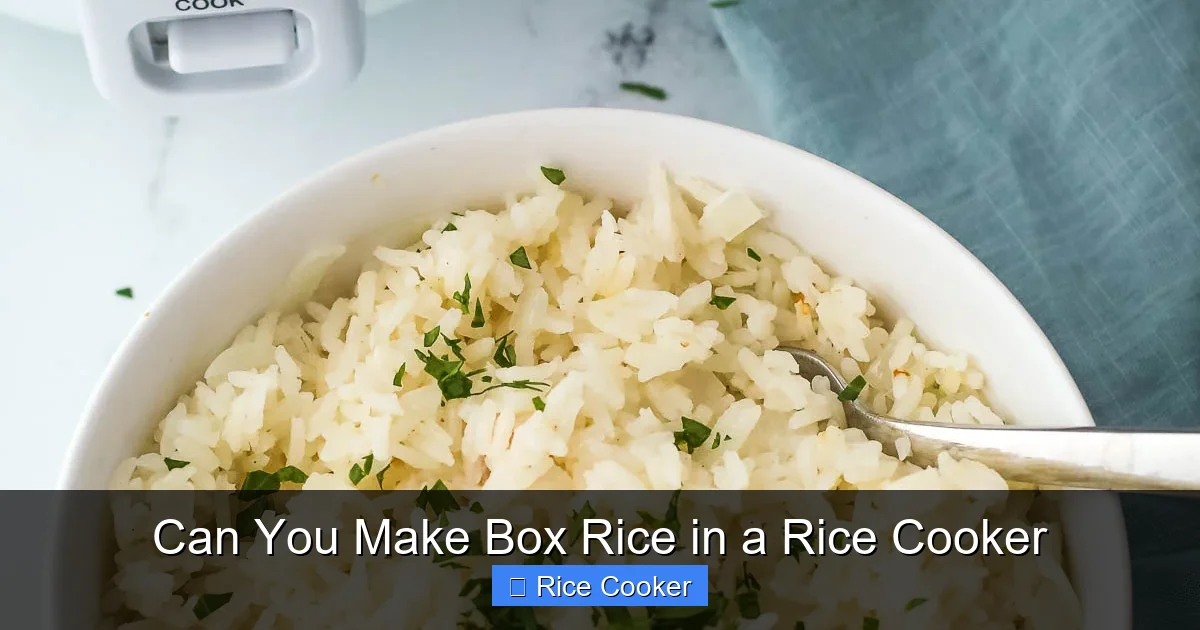
Making box rice in a rice cooker is easier than you think—and it saves time while delivering delicious, fluffy results. You don’t need special equipment or advanced skills; just a good rice cooker, some basic ingredients, and the right technique. Whether you’re cooking for one or feeding a family, this method brings convenience and flavor together in one pot.
Can You Make Box Rice in a Rice Cooker?
Have you ever opened a container of frozen box rice—those convenient, pre-made fried rice meals—and wondered, “Is there a way to make something like this at home?” Maybe you’re trying to cut down on processed foods or just want more control over what goes into your meal. The good news? Yes, you absolutely can make box rice in a rice cooker! And not only is it possible, but it might even taste better and be healthier when you prepare it yourself.
In this article, we’ll walk through everything you need to know about recreating that familiar, comforting flavor of box rice using just your rice cooker. From choosing the right type of rice to mastering the cooking process, we’ve got you covered. So grab your favorite rice cooker, because by the end of this guide, you’ll be whipping up restaurant-style fried rice in under 30 minutes—no chef required.
What Exactly Is Box Rice?
Before diving into the how-to, let’s clarify what we mean by “box rice.” This term usually refers to prepackaged, frozen or shelf-stable fried rice that comes in a cardboard tray or plastic container. It typically includes cooked rice mixed with soy sauce, eggs, peas, carrots, and sometimes chicken or shrimp. These products are flash-fried or steamed during manufacturing to preserve shelf life, then packaged for convenience.
While tasty and handy for busy nights, store-bought box rice often contains preservatives, excess sodium, and limited customization options. Making it at home allows you to swap out ingredients, reduce salt, and avoid artificial additives—all while enjoying that same satisfying crunch and savory umami punch.
Can You Really Cook Fried Rice in a Rice Cooker?
At first glance, it might seem odd: isn’t a rice cooker meant only for boiling rice? Not quite. While traditional rice cookers do boil grains, many modern models come with additional functions like “frying,” “keep warm,” or “steam.” Even basic electric rice cookers can handle fried rice—if you follow a few key steps.
The trick lies in mimicking the high-heat stir-frying process that defines authentic fried rice. Since most rice cookers operate at lower temperatures, you’ll need to use oil generously, break up clumps of rice early, and possibly add water or broth to prevent sticking. With patience and the right technique, your rice cooker becomes a surprisingly capable kitchen tool for creating delicious, homemade box rice.
Choosing the Right Rice Cooker
Not all rice cookers are created equal when it comes to making box rice. Here’s what to look for:
– **Non-stick inner pot**: Essential for easy cleanup and preventing burnt spots.
– **Frying or sauté mode**: Found in higher-end models (like Zojirushi or Panasonic), this setting uses internal heating elements to brown ingredients without burning.
– **Large capacity**: If you’re cooking for more than two people, pick a model that holds at least 5–6 cups of uncooked rice.
– **Timer function**: Allows you to prep ingredients ahead and start cooking later.
If your rice cooker lacks a dedicated fry setting, don’t worry—you can still make great box rice using manual methods (more on that soon).
Types of Rice That Work Best
Just like with traditional fried rice, the kind of rice you choose makes a big difference. Long-grain white rice (such as Jasmine or Basmati) is ideal because it stays separate and doesn’t get mushy when reheated. Avoid short-grain sticky rice unless you specifically want a softer texture.
For best results:
– Use **pre-cooked, day-old rice**. Freshly cooked rice tends to clump due to excess starch.
– If you only have freshly cooked rice, spread it out on a baking sheet and let it cool completely before using.
– Rinse cooled rice briefly under cold water to remove surface starch, then drain well.
Ingredients You’ll Need for Homemade Box Rice
To replicate the classic box rice experience, gather these essentials:
– 3–4 cups cooled, pre-cooked long-grain white rice
– 2 tbsp neutral oil (vegetable, canola, or peanut oil)
– 2 large eggs
– 1 cup frozen peas and carrots (or diced fresh veggies)
– 2 green onions, sliced
– 3 tbsp low-sodium soy sauce (adjust to taste)
– Optional: diced ham, cooked chicken, shrimp, or tofu for protein
Feel free to mix and match based on dietary needs or preferences. Vegetarian versions shine with extra mushrooms or bell peppers, while meat lovers may prefer adding bacon or sausage.
Step-by-Step Guide: How to Make Box Rice in Your Rice Cooker
Ready to get cooking? Follow these easy steps for foolproof results:
**Step 1: Prep Your Ingredients**
Chop any fresh vegetables, beat the eggs lightly, and measure out your rice. Having everything ready minimizes stress during cooking.
**Step 2: Heat Oil in the Inner Pot**
Turn your rice cooker to “Fry” or medium heat (if available). Add oil and swirl to coat the bottom. Once hot (about 2–3 minutes), pour in beaten eggs. Let them set slightly, then scramble gently until fully cooked. Remove eggs and set aside.
**Step 3: Stir-Fry Veggies**
Add more oil if needed, then toss in peas, carrots, and any other vegetables. Cook for 2–3 minutes until tender-crisp.
**Step 4: Add Rice**
Here’s where the magic happens. Break up any clumps in the rice with your fingers or a fork. Dump it into the pot and mix thoroughly with the veggies. Press down firmly so the rice touches the hot surface—this helps develop a slight sear.
**Step 5: Season and Finish Cooking**
Pour in soy sauce and mix well. If your rice cooker has a “Cook” button, press it now. If not, cover and let sit for 5–7 minutes, stirring occasionally to prevent sticking. Add a splash of water or broth if the rice seems too dry.
**Step 6: Fold Everything Together**
Once cooked, return scrambled eggs to the pot. Gently fold in green onions and optional proteins. Taste and adjust seasoning—add a pinch of sugar, garlic powder, or sesame oil if desired.
**Step 7: Serve Immediately**
Transfer to bowls, top with extra green onions or crushed peanuts, and enjoy!
Tips for Perfect Results Every Time
Even with the right recipe, small details can elevate your box rice from good to great. Try these pro tips:
– **Don’t overcrowd the pot**: Too much rice at once leads to uneven heating and mushy textures.
– **Use generous oil**: Fried rice needs fat to create that coveted wok hei (breath of the wok) flavor.
– **Break up rice early**: Prevent clumping by fluffing the rice as soon as it hits the hot pan.
– **Keep lids off**: Allow steam to escape so the rice doesn’t become soggy.
– **Experiment with aromatics**: A minced garlic clove or ginger slice added with the oil boosts depth instantly.
Common Mistakes to Avoid
New to rice cooker fried rice? Watch out for these pitfalls:
– **Using wet or freshly cooked rice**: Always use cooled, dry rice to avoid gummy results.
– **Skipping the egg step**: Scrambled egg adds richness and mimics the original box rice profile.
– **Not cleaning the pot mid-process**: Starchy residue builds up fast—wipe the sides regularly.
– **Over-seasoning**: Start light with soy sauce; you can always add more after tasting.
Variations and Customizations
One of the joys of homemade box rice is tailoring it to your tastes. Here are some creative twists:
– **Korean-inspired**: Add gochujang, kimchi, and bulgogi beef.
– **Thai-style**: Stir in curry paste, lime juice, and cilantro.
– **Mexican fusion**: Mix black beans, corn, diced jalapeños, and cumin.
– **Low-carb option**: Swap white rice for cauliflower rice (cook separately first).
Healthier Alternatives
Want to keep things nutritious? Try these swaps:
– Replace white rice with brown rice or quinoa for extra fiber.
– Use Greek yogurt instead of soy sauce to lower sodium.
– Load up on colorful veggies like broccoli, snap peas, or zucchini.
– Opt for lean proteins like grilled shrimp or skinless chicken breast.
Cleaning Your Rice Cooker After Making Box Rice
Because you’re cooking with oil and sauces, cleaning can feel daunting—but it’s simpler than you think. Most modern rice cookers feature removable, non-stick inner pots that go straight into the dishwasher (check your manual first). For hand-washing:
– Soak the pot in warm, soapy water for 10–15 minutes.
– Scrub gently with a soft sponge—avoid metal utensils.
– Rinse thoroughly and air-dry before storing.
With proper care, your rice cooker will stay in top shape and ready for your next batch of box rice.
Why Choose Homemade Over Store-Bought?
There are plenty of reasons to ditch the boxed stuff. First, homemade versions cost less per serving—especially if you buy ingredients in bulk. Second, you control every element: no hidden sugars, fewer preservatives, and no mystery meat. Third, cooking from scratch builds confidence in the kitchen and encourages creativity.
Plus, nothing beats the satisfaction of seeing friends or family dig into a meal you made yourself. Whether it’s a quick weeknight dinner or an impromptu gathering, your homemade box rice will always stand out.
Final Thoughts
So, can you make box rice in a rice cooker? Absolutely. With just a few adjustments and a willingness to experiment, your trusty appliance becomes a gateway to delicious, customizable fried rice. No deep fryer? No problem. No chef’s license? Not required.
Remember: the key is using the right rice, heating things properly, and not being afraid to get hands-on. Once you’ve mastered the basics, the possibilities are endless—from global flavors to dietary tweaks.
Next time hunger strikes and you reach for that frozen meal, pause and ask yourself: “Could I make something better?” With this guide, the answer is almost always yes. Happy cooking!
Key Takeaways
- Box rice can be made in a rice cooker with minimal adjustments—no deep fryer required.
- Pre-cooked rice works best since it’s designed for quick reheating, but fresh rice can also work if handled properly.
- Adding oil and seasonings before cooking helps mimic the texture and taste of traditional fried rice.
- A rice cooker with a “fry” or “keep warm” function gives better control over browning and moisture levels.
- Customize your box rice with veggies, proteins, and sauces to match your favorite flavors.
- Cleaning up is simple—most rice cookers have non-stick surfaces that wipe clean easily.
- This method saves time and energy compared to frying in a pan or using a microwave.
Frequently Asked Questions
Can I use fresh rice instead of day-old rice for box rice in a rice cooker?
It’s best to use cooled, day-old rice because fresh rice has too much moisture and tends to clump. If you only have fresh rice, spread it thinly on a baking sheet and let it cool completely before using.
Do I need a special rice cooker to make box rice?
No special model is required, but a rice cooker with a “fry” or “keep warm” setting makes the process easier. Even basic models work well with careful attention to oil and stirring.
How do I prevent my rice from becoming mushy in the rice cooker?
Make sure your rice is fully cooled and dry before cooking. Use enough oil and avoid covering the pot tightly—let steam escape to maintain texture.
Can I make vegetarian box rice in a rice cooker?
Absolutely! Just skip animal-based ingredients and focus on hearty vegetables like mushrooms, broccoli, and bell peppers. Add nutritional yeast or tamari for umami depth.
How long does homemade box rice last in the refrigerator?
Store in an airtight container for up to 4–5 days. Reheat in a skillet with a splash of water or broth to restore moisture and crispiness.
What’s the secret to getting that restaurant-quality sear in a rice cooker?
The key is high heat and generous oil. Don’t overcrowd the pot, and press the rice firmly against the hot surface to encourage browning. Some models even have a “fry” mode designed for this purpose.