Yes, you can make coffee in an electric kettle—but it’s not always the best or safest method. While electric kettles are designed to heat water, not brew coffee, some techniques allow you to use them in a pinch. However, improper use can damage your kettle or leave behind stubborn coffee residue.
Key Takeaways
- Electric kettles can heat water for coffee, but aren’t built for brewing. They lack filtration and temperature control needed for optimal extraction.
- Directly adding coffee grounds to the kettle is not recommended. This can clog the spout, damage the heating element, and void your warranty.
- Use a reusable filter or tea infuser to safely brew coffee in your kettle. This prevents grounds from entering the water chamber.
- Clean your kettle thoroughly after each coffee use. Coffee oils and residue can build up and affect future brews or water taste.
- Choose coarse-ground coffee to reduce sediment and clogging. Fine grounds are more likely to pass through filters and cause problems.
- Consider alternative brewing methods for better flavor. Pour-over, French press, or AeroPress deliver richer, more consistent results.
- Always check your kettle’s manual before attempting coffee brewing. Some models explicitly prohibit adding anything other than water.
📑 Table of Contents
- Can You Make Coffee in an Electric Kettle?
- How Electric Kettles Work (And Why They’re Not Built for Coffee)
- Safe Ways to Make Coffee in an Electric Kettle
- Tips for Better Coffee When Using an Electric Kettle
- Alternative Coffee Makers: When to Skip the Kettle
- Cleaning and Maintenance After Coffee Use
- Final Thoughts: Is It Worth It?
Can You Make Coffee in an Electric Kettle?
If you’ve ever found yourself staring at your electric kettle, coffee craving in full force, wondering, “Can I just toss some grounds in here and call it a day?”—you’re not alone. The convenience of an electric kettle is hard to beat. It heats water fast, shuts off automatically, and takes up minimal counter space. But when it comes to making coffee, the answer isn’t as simple as yes or no.
The short answer? Yes, you *can* make coffee in an electric kettle—but it’s not ideal, and it comes with some important caveats. Electric kettles are designed to heat water, not brew coffee. They lack the filtration, temperature precision, and brewing time control that dedicated coffee makers offer. That said, in a pinch—say, you’re traveling, camping, or your coffee maker just died—your electric kettle might just save the day.
In this guide, we’ll explore whether making coffee in an electric kettle is safe, how to do it properly, the risks involved, and better alternatives. Whether you’re a coffee purist or just looking for a quick caffeine fix, we’ve got you covered.
How Electric Kettles Work (And Why They’re Not Built for Coffee)
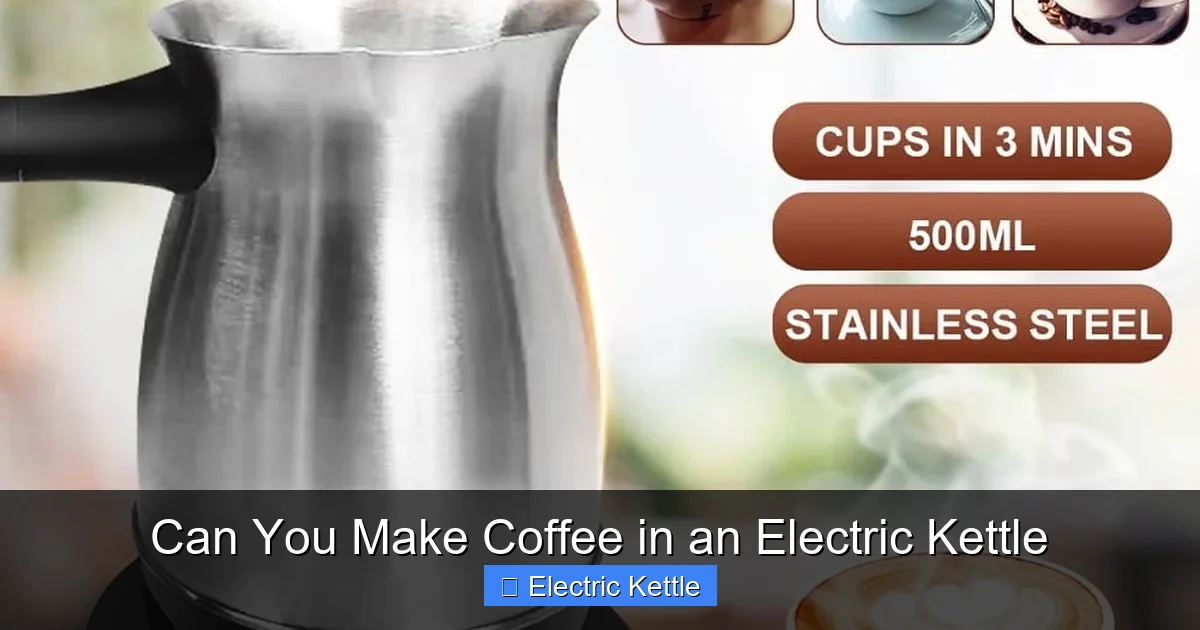
Visual guide about Can You Make Coffee in an Electric Kettle
Image source: black-lb.com
Before we dive into brewing techniques, it helps to understand how electric kettles function. Most electric kettles use an internal heating element—usually hidden beneath a stainless steel or glass base—to rapidly heat water. Once the water reaches boiling point (typically around 212°F or 100°C), an automatic shut-off mechanism kicks in to prevent overheating.
This design is perfect for heating water quickly and efficiently. But coffee brewing is more nuanced. Ideal coffee extraction happens between 195°F and 205°F (90°C–96°C)—just below boiling. Boiling water can scorch coffee grounds, leading to a bitter, over-extracted brew. Additionally, coffee needs time to steep—usually 4 to 6 minutes for methods like French press or pour-over. Electric kettles don’t offer this steeping time; they just heat and shut off.
Another issue? Most kettles aren’t designed to handle anything other than water. Adding coffee grounds directly into the chamber can lead to clogs, residue buildup, and even damage to the heating element or thermostat. Over time, this can reduce your kettle’s lifespan or cause it to malfunction.
The Risks of Adding Coffee Grounds Directly
One of the biggest mistakes people make is tossing coffee grounds straight into the kettle. While it might seem like a quick fix, this method is risky for several reasons:
– **Clogging the spout and filter:** Coffee grounds, especially fine ones, can accumulate in the spout or mesh filter, blocking water flow and making pouring difficult.
– **Residue buildup:** Oils and fine particles from coffee can coat the interior of the kettle, leading to stubborn stains and unpleasant odors.
– **Damage to the heating element:** If grounds settle near the heating coil, they can burn and create a burnt coffee smell that’s hard to remove.
– **Voided warranty:** Many manufacturers explicitly state that adding anything other than water (like tea bags, coffee, or flavorings) voids the warranty.
Even if your kettle survives the first few attempts, repeated use with coffee grounds can shorten its lifespan and affect the taste of future brews—or even plain water.
Safe Ways to Make Coffee in an Electric Kettle
So, if you shouldn’t dump grounds into the kettle, how *can* you use it to make coffee? The key is to keep the coffee grounds separate from the water chamber while still allowing for proper extraction. Here are a few safe and effective methods:
Method 1: Use a Reusable Tea Infuser or Coffee Filter
One of the simplest and safest ways to brew coffee in an electric kettle is by using a reusable tea infuser or a large coffee filter. Here’s how:
1. Fill your electric kettle with the desired amount of cold, filtered water.
2. Place a coarse-ground coffee (about 1 tablespoon per 6 ounces of water) into a stainless steel tea infuser or a large paper coffee filter.
3. Lower the infuser or filter into the water, making sure it’s fully submerged but not touching the heating element.
4. Turn on the kettle and let it heat the water. Once it reaches boiling, turn it off manually (don’t let it auto-shutoff immediately).
5. Let the coffee steep for 4 to 6 minutes, depending on your strength preference.
6. Remove the infuser or filter, and pour your coffee into a mug.
This method mimics a basic immersion brew and keeps grounds out of the kettle. Just be sure to use a filter large enough to hold the grounds without overflowing, and avoid letting it sit too long—over-steeping can lead to bitterness.
Method 2: The “Kettle Pour-Over” Technique
If you don’t have a pour-over cone, you can use your electric kettle as a hot water source for a makeshift pour-over. Here’s how:
1. Place a coffee filter in a mug or small bowl.
2. Add coarse-ground coffee to the filter (again, about 1 tablespoon per 6 ounces of water).
3. Heat water in your electric kettle to just below boiling (around 200°F).
4. Once heated, carefully pour the hot water over the coffee grounds in a slow, circular motion, allowing it to drip through the filter into the mug.
5. Discard the filter and enjoy your coffee.
This method gives you more control over water temperature and extraction time, resulting in a cleaner, more flavorful cup. It also keeps your kettle clean since no grounds enter the chamber.
Method 3: Cold Brew in the Kettle (Yes, Really!)
Believe it or not, you can even make cold brew coffee using your electric kettle—though not in the way you might think. Instead of heating, use the kettle as a vessel for cold brewing:
1. Add coarse-ground coffee to the empty kettle (about 1 cup of grounds per 4 cups of water).
2. Fill the kettle with cold, filtered water.
3. Stir gently to saturate the grounds.
4. Cover the kettle (use a plate or plastic wrap if it doesn’t have a lid) and let it steep in the refrigerator for 12 to 24 hours.
5. Strain the liquid through a fine-mesh sieve or coffee filter to remove the grounds.
6. Dilute with water or milk as desired and serve over ice.
This method is great for making large batches of smooth, low-acid coffee. Just be sure to clean the kettle thoroughly afterward, as cold brew can leave behind oily residue.
Tips for Better Coffee When Using an Electric Kettle
Even with the right method, making great coffee in an electric kettle requires a few extra steps. Here are some practical tips to improve your brew:
Use Coarse-Ground Coffee
Fine coffee grounds are more likely to slip through filters and clog your kettle. Opt for a coarse grind, similar to what you’d use for a French press. This reduces sediment and makes cleanup easier.
Control Water Temperature
Since most electric kettles boil water to 212°F, you’ll need to let it cool slightly before brewing. Wait about 30 seconds after the kettle shuts off, or use a thermometer to check that the water is between 195°F and 205°F. This prevents scorching the coffee and ensures better flavor extraction.
Measure Your Coffee and Water
Consistency is key to great coffee. Use a kitchen scale or measuring spoons to ensure the right coffee-to-water ratio. A standard starting point is 1 tablespoon of coffee per 6 ounces of water, but adjust to taste.
Clean Your Kettle After Every Use
Coffee oils and residue can build up quickly, affecting the taste of future brews—and even plain water. After each use, rinse the kettle thoroughly with warm water. For stubborn stains, mix equal parts water and white vinegar, boil it in the kettle, let it sit for 15 minutes, then rinse well.
Don’t Over-Steep
Leaving coffee grounds in hot water for too long leads to over-extraction and bitterness. Stick to 4–6 minutes for immersion methods. If using a pour-over technique, aim for a total brew time of 2–4 minutes.
Alternative Coffee Makers: When to Skip the Kettle
While your electric kettle can be a helpful backup, it’s not a replacement for proper coffee-making equipment. If you’re serious about your morning cup, consider investing in one of these alternatives:
French Press
The French press is simple, affordable, and delivers rich, full-bodied coffee. It uses immersion brewing, similar to the infuser method in a kettle, but with better control and no risk to your appliance.
Pour-Over (e.g., Chemex or Hario V60)
Pour-over methods offer clean, bright flavors and allow precise control over water temperature and flow. All you need is a cone, filter, and gooseneck kettle—many of which are electric and designed for coffee brewing.
AeroPress
Compact and versatile, the AeroPress is perfect for travel or small kitchens. It uses pressure to extract coffee quickly, resulting in a smooth, concentrated brew that can be diluted like espresso.
Electric Gooseneck Kettle with Temperature Control
If you love using your electric kettle for coffee, consider upgrading to a gooseneck model with variable temperature settings. These are designed specifically for pour-over brewing and give you the precision your regular kettle lacks.
Cleaning and Maintenance After Coffee Use
One of the most overlooked aspects of making coffee in an electric kettle is cleaning. Coffee oils are sticky and can cling to surfaces, leading to off-flavors and buildup over time. Here’s how to keep your kettle in top shape:
Daily Rinse
After each use, rinse the interior with warm water. Use a soft sponge or cloth to wipe away any visible residue. Avoid abrasive scrubbers, which can scratch stainless steel or glass.
Weekly Deep Clean
Once a week, perform a deep clean using a vinegar solution:
– Mix 1 part white vinegar with 2 parts water.
– Fill the kettle and bring to a boil.
– Let it sit for 15–20 minutes.
– Pour out the solution and rinse thoroughly with clean water.
– Run a cycle with fresh water to remove any vinegar taste.
Dealing with Stubborn Stains
For tough coffee stains or mineral deposits, try a baking soda paste:
– Mix 2 tablespoons of baking soda with a little water to form a paste.
– Apply to stained areas and let sit for 10 minutes.
– Scrub gently with a soft brush or sponge.
– Rinse well.
Avoid using bleach or harsh chemicals, as they can damage the kettle and leave toxic residues.
Final Thoughts: Is It Worth It?
So, can you make coffee in an electric kettle? Absolutely. Is it the best way to brew coffee? Probably not.
Your electric kettle is a fantastic tool for heating water quickly and efficiently. In a pinch, it can help you whip up a decent cup of coffee using safe methods like infusers or pour-over techniques. But it’s not designed for brewing, and pushing it beyond its limits can lead to damage, poor flavor, and extra cleanup.
If you’re a casual coffee drinker who just needs a quick caffeine fix now and then, using your kettle occasionally is fine—just be smart about it. Use coarse grounds, keep the kettle clean, and avoid direct contact between coffee and the heating element.
But if you’re passionate about coffee and want consistent, high-quality brews, it’s worth investing in a proper coffee maker. Whether it’s a French press, pour-over setup, or an electric gooseneck kettle, the right tools make all the difference.
In the end, your electric kettle is a helper, not a hero—when it comes to coffee. Use it wisely, clean it well, and save the real coffee magic for the tools built to deliver it.
Frequently Asked Questions
Can I put coffee grounds directly in my electric kettle?
No, it’s not recommended. Adding coffee grounds directly can clog the spout, damage the heating element, and leave behind stubborn residue. It may also void your warranty.
What’s the safest way to brew coffee in an electric kettle?
Use a reusable tea infuser or large coffee filter to hold the grounds. This keeps them separate from the water chamber while allowing proper extraction.
Will making coffee in my kettle affect the taste of water?
Yes, if not cleaned properly. Coffee oils can linger and alter the taste of future brews or plain water. Regular cleaning with vinegar or baking soda helps prevent this.
Can I use my electric kettle to make cold brew coffee?
Yes! Use the kettle as a steeping vessel. Add coarse grounds and cold water, let it sit in the fridge for 12–24 hours, then strain. Just clean it well afterward.
What grind size should I use for coffee in an electric kettle?
Use a coarse grind, similar to French press coffee. Fine grounds are more likely to pass through filters and cause clogs or sediment.
Is it okay to make coffee in my kettle every day?
It’s possible, but not ideal. Frequent use can lead to buildup and wear. If you do, clean the kettle thoroughly after each use and consider a dedicated coffee maker for daily brewing.