You absolutely can make hard boiled eggs in an electric kettle—it’s fast, convenient, and surprisingly effective. With the right technique, you can have perfectly cooked eggs in under 15 minutes without needing a pot or stove. Just follow safety tips and timing guidelines for best results.
Key Takeaways
- Yes, it’s possible: Most modern electric kettles can safely cook hard boiled eggs with proper water levels and timing.
- Use room-temperature eggs: Cold eggs from the fridge may crack when exposed to sudden heat in the kettle.
- Don’t overfill with water: Add just enough water to cover the eggs—too much can cause overflow or uneven cooking.
- Timing is key: Typically, 10–12 minutes of boiling yields firm yolks; adjust based on your kettle’s power and egg size.
- Cool immediately: Transfer eggs to ice water right after cooking to stop the cooking process and ease peeling.
- Clean your kettle afterward: Egg residue can leave odors or stains; rinse thoroughly and descale if needed.
- Not all kettles are equal: Glass, stainless steel, and plastic models may behave differently—check your manual first.
📑 Table of Contents
- Can You Make Hard Boiled Eggs in an Electric Kettle?
- How Electric Kettles Work for Cooking Eggs
- Step-by-Step Guide to Making Hard Boiled Eggs in an Electric Kettle
- Tips for Perfect Results Every Time
- Safety Considerations and Common Mistakes
- Alternative Methods and Comparisons
- Conclusion: Is It Worth Trying?
Can You Make Hard Boiled Eggs in an Electric Kettle?
If you’ve ever found yourself craving a quick, protein-packed snack but don’t want to wait for a pot of water to boil on the stove, you might have wondered: *Can you make hard boiled eggs in an electric kettle?* The short answer is yes—and it’s easier than you think.
Electric kettles are designed to heat water rapidly, which makes them surprisingly handy for more than just tea and coffee. With a little know-how, they can become your go-to tool for cooking eggs, especially when you’re in a hurry, traveling, or working in a small kitchen with limited appliances. Whether you’re a student in a dorm, a busy professional in an office, or just someone who loves kitchen hacks, this method is worth trying.
But before you drop those eggs into your kettle, it’s important to understand the process, the risks, and the best practices. Not all kettles are created equal, and improper use could lead to cracked eggs, messy cleanups, or even damage to your appliance. In this guide, we’ll walk you through everything you need to know—from preparation and timing to cleanup and safety—so you can confidently make perfect hard boiled eggs using nothing but your electric kettle.
How Electric Kettles Work for Cooking Eggs
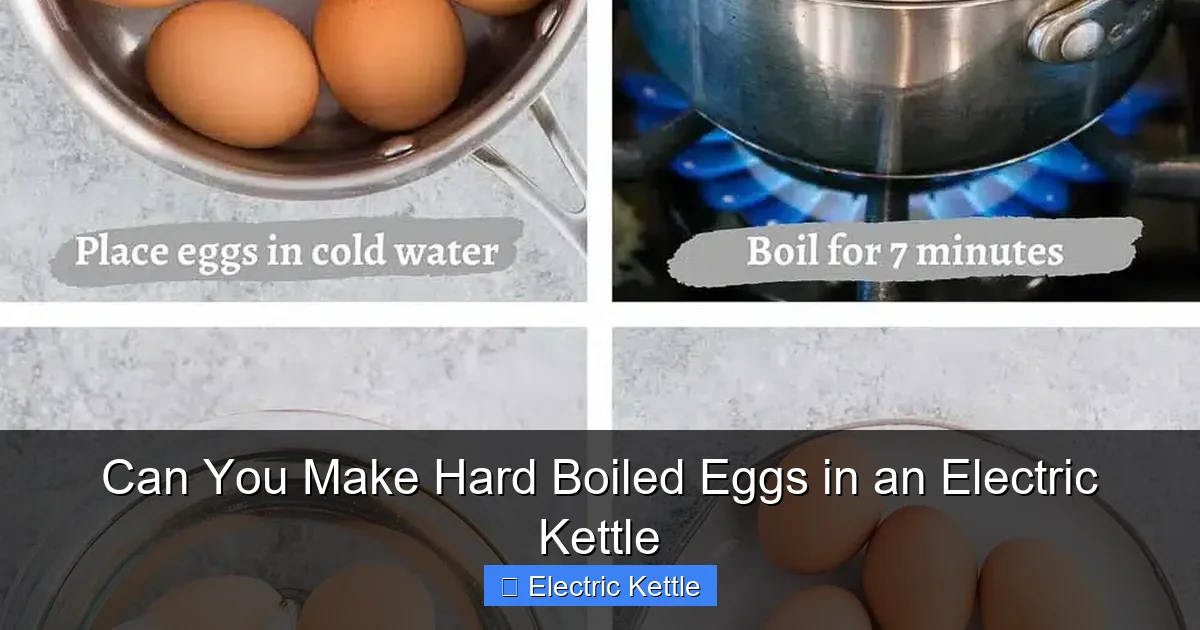
Visual guide about Can You Make Hard Boiled Eggs in an Electric Kettle
Image source: deliciousmeetshealthy.com
At first glance, an electric kettle might seem like an unlikely candidate for cooking eggs. After all, its primary job is to boil water—not food. But the principle behind boiling eggs is simple: submerge them in boiling water for a set amount of time until the whites and yolks fully set. Since electric kettles efficiently bring water to a rolling boil, they can replicate this process with surprising accuracy.
Most electric kettles heat water using an internal heating element, often hidden beneath a stainless steel or glass base. When you press the boil button, the element rapidly heats the water to around 212°F (100°C)—the same temperature achieved on a stovetop. This means that once the water reaches a full boil, it’s capable of cooking eggs just as effectively as a traditional pot.
However, there are a few key differences to keep in mind. Unlike a pot, an electric kettle doesn’t allow you to monitor the eggs visually once the lid is closed. You also can’t stir or adjust heat mid-process. That’s why timing and preparation are so important. Additionally, some kettles automatically shut off once boiling is reached, which can be both a benefit and a limitation. On one hand, it prevents overheating; on the other, it may cut the cooking time short if your kettle turns off too early.
Types of Electric Kettles and Egg Compatibility
Not all electric kettles are equally suited for cooking eggs. The material, design, and features of your kettle can influence the outcome. Here’s a quick breakdown:
– **Stainless steel kettles:** These are generally the best choice for cooking eggs. They’re durable, easy to clean, and resist odors and stains. Just make sure the interior is smooth and free of hard-to-reach crevices where egg residue might get trapped.
– **Glass kettles:** Aesthetically pleasing and great for monitoring water levels, but be cautious. Glass can be more fragile, and sudden temperature changes (like adding cold eggs) might cause cracking. Also, egg proteins can stick to glass, making cleanup a bit trickier.
– **Plastic kettles:** While convenient and lightweight, plastic models are not recommended for cooking eggs. The high heat can cause the plastic to absorb egg odors or even leach chemicals into the water. Plus, egg residue can stain or degrade the material over time.
– **Kettles with built-in filters or mesh screens:** Some kettles have filters to reduce limescale. These can trap egg bits, so you’ll need to clean them thoroughly after use.
If your kettle has a “keep warm” function, that’s a bonus—it can help maintain temperature if your kettle shuts off early. Just don’t rely on it for the full cooking time, as it usually doesn’t get hot enough to fully cook eggs.
Why This Method Is Gaining Popularity
The idea of boiling eggs in an electric kettle isn’t new, but it’s recently gained traction thanks to social media, minimalist cooking trends, and the rise of small-space living. People are constantly looking for ways to do more with less—especially when it comes to kitchen appliances.
Imagine this: You’re in a hotel room with only a coffee maker and an electric kettle. You want a healthy breakfast, but there’s no stove. Or maybe you’re a college student in a dorm with strict rules about open flames. In these situations, an electric kettle becomes a versatile tool. It’s not just for tea—it can boil eggs, cook instant noodles, or even steam small portions of vegetables.
Plus, it’s fast. Most kettles boil water in 3–5 minutes, and once the eggs are in, the total cooking time is usually under 15 minutes. That’s quicker than waiting for a large pot to heat up on the stove, especially if you’re only cooking one or two eggs.
Another advantage? Energy efficiency. Electric kettles use less energy than stovetops, especially induction or gas burners. So not only are you saving time, but you’re also saving on electricity.
Step-by-Step Guide to Making Hard Boiled Eggs in an Electric Kettle
Now that you know it’s possible—and even practical—let’s walk through the exact steps to make perfect hard boiled eggs using your electric kettle. Follow these instructions carefully to avoid cracked eggs, undercooked yolks, or a messy cleanup.
What You’ll Need
Before you start, gather these items:
– Electric kettle (preferably stainless steel or glass)
– Fresh eggs (room temperature is best)
– Measuring cup or spoon
– Tongs or a slotted spoon
– Bowl of ice water
– Timer
Step 1: Prepare the Eggs
Start by taking your eggs out of the refrigerator and letting them sit at room temperature for about 10–15 minutes. Cold eggs are more likely to crack when exposed to sudden heat, so this step is crucial. If you’re in a hurry, you can gently warm them by placing them in a bowl of lukewarm water for 5 minutes.
Avoid using eggs that are cracked or have thin shells, as they’re more prone to breaking during cooking.
Step 2: Add Water to the Kettle
Fill your electric kettle with enough water to fully submerge the eggs—usually about 1 to 1.5 cups (240–350 ml) for 2–4 eggs. Don’t overfill! Most kettles have a minimum and maximum water level marked inside. Stay between those lines.
Too little water won’t cover the eggs, leading to uneven cooking. Too much water can cause overflow when the eggs are added, especially if they displace a lot of liquid.
Step 3: Place the Eggs in the Kettle
Carefully lower the eggs into the water using tongs or a spoon. Don’t drop them in—this can cause cracking. If your kettle has a narrow opening, you may need to tilt it slightly to guide the eggs in gently.
Make sure the eggs are fully submerged. If they’re floating, add a little more water.
Step 4: Boil the Water
Close the lid and press the boil button. Most kettles will automatically shut off once the water reaches a rolling boil—usually within 3–5 minutes.
Here’s the key: **Don’t rely solely on the auto-shutoff.** Many kettles turn off as soon as boiling begins, but eggs need to cook *in* the boiling water for several minutes to become hard boiled.
So, once the kettle shuts off, immediately press the boil button again to restart it. Let it boil for a total of 10–12 minutes from the time the water first reaches a full boil. Use a timer to keep track.
If your kettle doesn’t have a restart function or keeps shutting off, you may need to monitor it closely and press the button each time it turns off. Alternatively, some people use the “keep warm” setting to maintain heat, but this isn’t ideal—it won’t keep the water at a full boil.
Step 5: Cool the Eggs Immediately
Once the timer goes off, use tongs or a slotted spoon to carefully remove the eggs from the hot water. Transfer them directly into a bowl of ice water. This stops the cooking process and helps prevent overcooking, which can lead to greenish-gray yolks.
Let the eggs sit in the ice bath for at least 5–10 minutes. The rapid cooling also makes peeling easier by creating a small gap between the egg white and the shell.
Step 6: Peel and Enjoy
After cooling, gently tap the eggs on a hard surface to crack the shell, then roll them lightly to loosen it. Peel under cool running water to help remove the shell more easily.
Your hard boiled eggs are now ready to eat! Slice them in half for a quick snack, chop them into salads, or enjoy them with a sprinkle of salt and pepper.
Tips for Perfect Results Every Time
Even with the right steps, there’s room for improvement. Here are some expert tips to help you get consistently great hard boiled eggs using your electric kettle.
Use Older Eggs for Easier Peeling
It might sound counterintuitive, but slightly older eggs (about 7–10 days old) peel more easily than very fresh ones. Fresh eggs have a lower pH, which makes the membrane stick tightly to the shell. As eggs age, the air pocket inside grows, creating a natural separation that makes peeling smoother.
If you only have fresh eggs, add a teaspoon of baking soda or vinegar to the water. This raises the pH and can help loosen the membrane.
Adjust Timing Based on Egg Size and Kettle Power
Not all eggs are the same size, and not all kettles heat at the same rate. Large eggs may need an extra minute or two, while small or medium eggs might be done in 9–10 minutes.
Similarly, high-wattage kettles (1500W or more) boil water faster and may cook eggs more quickly than lower-wattage models. Start with 10 minutes and adjust based on your results.
If you prefer soft-boiled eggs (runny yolks), reduce the time to 6–7 minutes. For extra-firm yolks, go up to 13–14 minutes.
Prevent Cracking with a Pinprick
To reduce the chance of eggs cracking, gently poke a small hole in the wider end of each egg before boiling. This allows air to escape as the egg heats up, reducing pressure buildup inside the shell. You can use a clean thumbtack, needle, or egg piercer for this.
Don’t Overcrowd the Kettle
Stick to 2–4 eggs at a time, depending on your kettle’s size. Overcrowding can cause uneven cooking and increase the risk of cracking. If you need more eggs, cook them in batches.
Clean Your Kettle Promptly
Egg residue can leave behind a yellowish film or unpleasant odor if not cleaned quickly. After use, rinse the kettle thoroughly with warm water. For stubborn stains, soak it in a mixture of water and white vinegar (1:1 ratio) for 15–20 minutes, then scrub gently with a soft sponge.
Avoid using abrasive cleaners or steel wool, as they can scratch the interior.
Safety Considerations and Common Mistakes
While making hard boiled eggs in an electric kettle is generally safe, there are a few risks to be aware of. Ignoring these could lead to cracked eggs, damaged appliances, or even safety hazards.
Avoid Using Damaged or Old Kettles
If your kettle has cracks, leaks, or a faulty heating element, don’t use it for cooking eggs. Malfunctioning kettles can overheat, spill boiling water, or even pose an electrical risk. Always inspect your appliance before use.
Never Leave the Kettle Unattended
Even though most kettles have auto-shutoff features, it’s best to stay nearby while cooking. If something goes wrong—like an egg cracking and spilling into the heating element—you’ll want to respond quickly.
Don’t Use the Kettle for Other Foods Simultaneously
Avoid cooking eggs and making tea or coffee in the same cycle. Egg residue can affect the taste of your beverages, and cross-contamination is a concern if you’re using the kettle for both food and drinks.
Beware of Steam Burns
When opening the kettle or removing eggs, steam can escape rapidly. Always use tongs or a spoon, and tilt the lid away from your face to avoid burns.
Check Your Kettle’s Manual
Some manufacturers explicitly state that their kettles are not intended for cooking food. While many people do it safely, using your kettle for purposes beyond boiling water could void the warranty. If in doubt, check the user manual or contact the manufacturer.
Alternative Methods and Comparisons
While the electric kettle method is convenient, it’s not the only way to make hard boiled eggs. Let’s compare it to other popular techniques to help you decide what works best for your lifestyle.
Stovetop Method (Traditional)
The classic way: place eggs in a pot, cover with cold water, bring to a boil, then simmer for 9–12 minutes. This method gives you full control over heat and timing, and it’s great for large batches. However, it requires a stove and takes longer to heat up.
Instant Pot or Pressure Cooker
Using a pressure cooker (like an Instant Pot) is fast and hands-off. Add eggs and water, set to high pressure for 5 minutes, then use a quick release and ice bath. Results are consistent, but you need the appliance and a bit of learning curve.
Microwave Method
Some people try microwaving eggs in water, but this is risky. Eggs can explode due to steam buildup, creating a mess and potential injury. It’s not recommended.
Electric Kettle: The Middle Ground
The kettle method strikes a balance between speed, convenience, and control. It’s faster than the stovetop, safer than the microwave, and doesn’t require special equipment like a pressure cooker. Plus, it’s perfect for small spaces.
Conclusion: Is It Worth Trying?
So, can you make hard boiled eggs in an electric kettle? Absolutely. With the right technique, it’s a fast, efficient, and surprisingly reliable method. Whether you’re in a dorm, office, or just looking for a kitchen shortcut, this hack can save you time and effort.
Just remember: use room-temperature eggs, don’t overfill the kettle, time your boil carefully, and cool the eggs immediately. Clean your kettle afterward to keep it in top shape. And always prioritize safety—don’t use damaged appliances or leave the process unattended.
While it may not replace your stovetop for large batches, the electric kettle method is a fantastic backup or alternative for quick, single-serving meals. Give it a try next time you’re craving a hard boiled egg—you might just find a new favorite kitchen trick.
Frequently Asked Questions
Can you really boil eggs in an electric kettle?
Yes, you can safely boil eggs in most electric kettles as long as you follow proper steps. Use room-temperature eggs, enough water to cover them, and boil for 10–12 minutes. Always cool them in ice water afterward.
Will boiling eggs damage my electric kettle?
It shouldn’t, if done correctly. Avoid using plastic kettles, clean thoroughly after use, and don’t let egg residue sit. Stainless steel and glass kettles handle it best.
How long do you boil eggs in an electric kettle?
Boil for 10–12 minutes once the water reaches a full boil. Adjust slightly based on egg size and your kettle’s power. Use a timer for accuracy.
Can I make soft-boiled eggs in an electric kettle?
Yes! Reduce the boiling time to 6–7 minutes for soft-boiled eggs with runny yolks. Cool them immediately in ice water to stop cooking.
Do I need to add anything to the water?
No, plain water is fine. Some people add vinegar or baking soda to help with peeling, but it’s not necessary. Just ensure the eggs are fully submerged.
Can I cook more than four eggs at once?
It’s not recommended. Overcrowding can cause uneven cooking and increase the risk of cracking. Stick to 2–4 eggs per batch for best results.