Yes, you can make pasta in an electric kettle—but it’s not as simple as dropping noodles in boiling water. With the right technique, small portions of pasta can be cooked safely, though it’s best suited for dorm rooms, offices, or emergency meals. This guide covers how to do it right, what types work best, and important safety tips.
Key Takeaways
- Yes, it’s possible: You can cook pasta in an electric kettle, but only with the right type and method.
- Use small, quick-cooking pasta: Opt for thin shapes like angel hair, spaghetti, or orzo that soften faster.
- Never leave it unattended: Electric kettles aren’t designed for prolonged cooking, so monitor closely to avoid overflow or damage.
- Clean thoroughly after use: Pasta residue can clog the heating element and affect future performance.
- Not ideal for large portions: Kettles have limited capacity—stick to single servings.
- Safety first: Avoid metal utensils and ensure the kettle is unplugged before cleaning.
- Best for emergencies or travel: A clever hack when stovetop cooking isn’t an option.
📑 Table of Contents
- Can You Really Make Pasta in an Electric Kettle?
- How Electric Kettles Work—And Why It Matters
- What Types of Pasta Work Best?
- Step-by-Step Guide: How to Make Pasta in an Electric Kettle
- Safety Tips and Common Mistakes to Avoid
- Creative Ways to Enhance Your Kettle-Cooked Pasta
- When Should You Avoid This Method?
- Final Thoughts: A Clever Hack, Not a Replacement
Can You Really Make Pasta in an Electric Kettle?
Let’s start with the big question: Can you make pasta in an electric kettle? The short answer is yes—but with some serious caveats. While electric kettles are designed to boil water quickly and efficiently, they’re not built for cooking food. That said, in a pinch—like when you’re stuck in a dorm room, traveling, or your stove breaks down—using your kettle to cook a quick pasta meal isn’t just a wild idea. It’s actually doable.
Imagine this: It’s 10 p.m., you’re starving, and the only appliance you have access to is your trusty electric kettle. No stove, no microwave, no problem. With a little creativity and caution, you can whip up a simple pasta dish that’s surprisingly edible. But before you toss in a handful of spaghetti and hit the boil button, there are important factors to consider. Not all pasta types work, not all kettles are suitable, and safety should always come first.
This isn’t about replacing your kitchen stove. It’s about making the most of what you’ve got. Whether you’re a college student living in a dorm, a remote worker in a hotel room, or just someone who loves kitchen hacks, learning how to cook pasta in an electric kettle opens up new possibilities. It’s a clever workaround that proves sometimes, the simplest appliances can surprise us.
How Electric Kettles Work—And Why It Matters
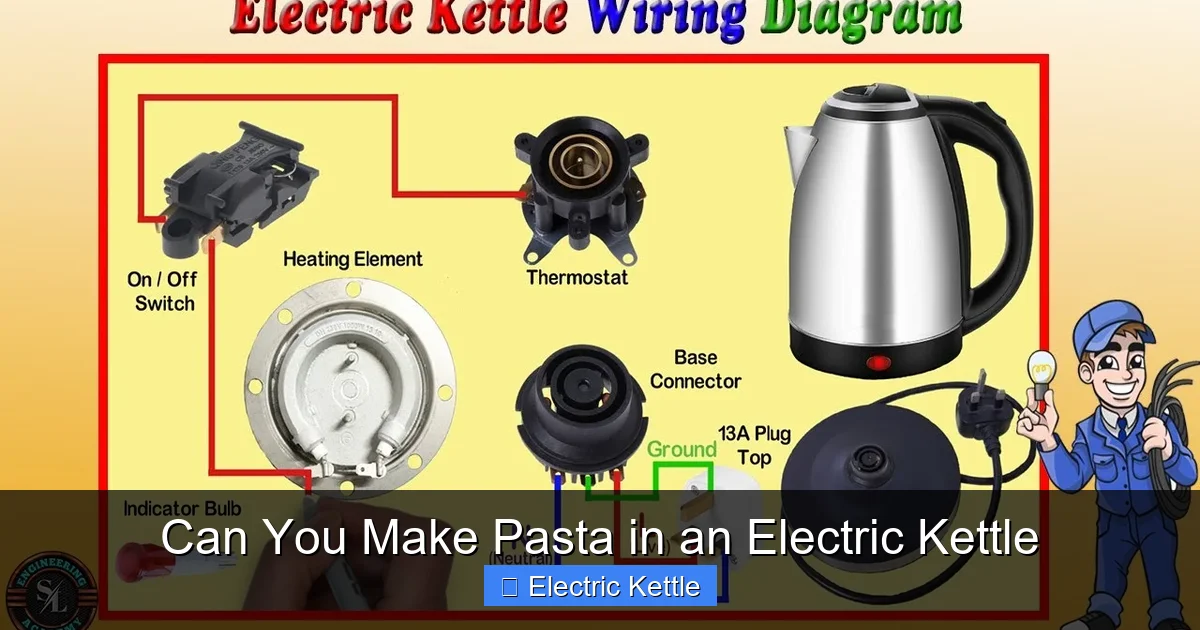
Visual guide about Can You Make Pasta in an Electric Kettle
Image source: i.ytimg.com
To understand whether you can make pasta in an electric kettle, it helps to know how these devices function. Most electric kettles use a heating element—either exposed or hidden beneath a stainless steel or glass base—to rapidly heat water to boiling point, usually around 212°F (100°C). Once the water reaches the right temperature, an automatic shut-off mechanism kicks in to prevent overheating.
This design is perfect for making tea, coffee, or instant noodles. But cooking pasta? That’s a different story. Pasta needs to simmer in boiling water for several minutes to absorb moisture and soften properly. Unlike a pot on a stove, an electric kettle isn’t meant to maintain a rolling boil for extended periods. Once the water boils, the kettle turns off. If you try to reheat it, you risk overheating the element or triggering the safety shut-off repeatedly.
Another key factor is the kettle’s interior. Many models have a small opening and a narrow spout, making it hard to stir or add ingredients without spilling. Plus, the heating element—especially if it’s exposed—can get coated in starch from the pasta water, leading to buildup and potential damage over time.
So while the boiling capability of an electric kettle makes it theoretically possible to cook pasta, the lack of sustained heat and limited access make it a tricky process. That’s why success depends on choosing the right pasta, using the right technique, and being extra careful throughout.
What Types of Pasta Work Best?
Not all pasta is created equal—especially when it comes to unconventional cooking methods. When you’re trying to make pasta in an electric kettle, you need varieties that cook quickly and don’t require constant stirring or long simmering times.
Thin and Small Shapes Are Your Best Bet
Start with pasta that’s designed to cook fast. Think angel hair (capellini), thin spaghetti, or orzo. These shapes have a high surface-area-to-volume ratio, meaning they absorb water quickly and soften in just a few minutes. Angel hair, for example, can cook in as little as 2–3 minutes in boiling water—perfect for a kettle that may only stay on for short bursts.
Orzo, though technically a rice-shaped pasta, behaves more like tiny grains and can soften even faster. It’s also less likely to clump together, which is a common issue in confined spaces like a kettle.
Avoid Thick or Dense Pasta
Stay away from thick shapes like fettuccine, rigatoni, or penne. These take much longer to cook—often 8–12 minutes—and require consistent heat. In a kettle, the water may stop boiling before the pasta is done, leaving you with a chewy, undercooked mess. Plus, larger pieces can block the spout or get stuck near the heating element, creating a fire hazard or damaging the appliance.
Instant or Pre-Cooked Options
Another smart choice? Instant pasta or dehydrated noodles, like those found in ramen cups. These are designed to rehydrate quickly in hot water, often in under 5 minutes. While not gourmet, they’re ideal for emergency meals and work well in a kettle. Just add the noodles, boil the water, and let them sit covered for a few minutes.
You can also consider using broken pieces of spaghetti or linguine. Breaking long noodles into 2–3 inch segments makes them easier to manage in a small space and reduces the risk of clogging.
Gluten-Free and Alternative Pastas
Gluten-free pasta, made from rice, corn, or quinoa, can work—but with caution. These varieties often cook faster than traditional wheat pasta and can become mushy if overcooked. Monitor them closely and remove from heat as soon as they’re al dente.
Step-by-Step Guide: How to Make Pasta in an Electric Kettle
Ready to give it a try? Here’s a safe, practical method to cook pasta in your electric kettle. Remember, this is best for single servings and should be done with care.
What You’ll Need
- Electric kettle (preferably with a wide opening)
- Small portion of thin pasta (1–2 oz or 30–60g)
- Water
- Measuring cup
- Tongs or a long spoon (non-metal if possible)
- Bowl or container for draining
- Towel or heat-resistant mat
Step 1: Measure the Water and Pasta
Start by measuring the right amount of water. Most kettles have a minimum fill line—don’t go below it, or you risk damaging the heating element. For a single serving, 1–1.5 cups (240–360ml) is usually enough. Add your pasta—remember, less is more. Overloading the kettle can cause overflow or uneven cooking.
Step 2: Add Pasta Before Boiling
Here’s a key tip: Add the pasta to the kettle *before* turning it on. This prevents the noodles from sticking to the hot surface once the water starts boiling. Gently stir to separate the pieces, then close the lid.
Step 3: Boil and Monitor Closely
Turn on the kettle and wait for it to boil. Once it shuts off automatically, leave the lid closed for 1–2 minutes to let the residual heat continue cooking the pasta. If the noodles aren’t fully soft, you can repeat the process: turn the kettle on again for another quick boil, then let it sit.
Avoid opening the lid too often, as this releases heat and slows cooking. Use a timer to keep track—most thin pasta will be ready in 3–5 minutes total.
Step 4: Drain and Serve
Carefully pour the contents into a bowl or container, using a towel to protect your hands from the hot kettle. Use tongs or a spoon to remove any stuck noodles. Be cautious—the water will be extremely hot.
At this point, your pasta is cooked but plain. Add a drizzle of olive oil, a spoonful of pesto, some grated cheese, or a packet of seasoning to make it tasty. If you have access to a microwave or toaster oven, you can even add sauce and heat it up for a more complete meal.
Step 5: Clean the Kettle Immediately
This step is crucial. Rinse the kettle thoroughly with warm water as soon as it’s cool enough to handle. Use a soft sponge or cloth to remove any starchy residue. Never use abrasive scrubbers or metal utensils, as they can scratch the interior and damage the heating element.
For stubborn buildup, soak the kettle in a mixture of water and white vinegar (1:1 ratio) for 15–20 minutes, then rinse well. Regular cleaning ensures your kettle stays in good working order and prevents off-flavors in future uses.
Safety Tips and Common Mistakes to Avoid
Cooking pasta in an electric kettle is a clever hack, but it comes with risks. Here’s how to stay safe and avoid common pitfalls.
Never Leave It Unattended
Electric kettles aren’t designed for cooking food, and pasta can foam or bubble over when it cooks. This can trigger the kettle’s safety shut-off or, worse, cause a short circuit. Always stay nearby and watch for overflow.
Avoid Metal Utensils
Using a metal spoon or fork to stir can scratch the interior of your kettle, especially if it’s made of glass or coated stainless steel. Opt for silicone, wood, or plastic tools instead.
Don’t Overfill
Adding too much water or pasta increases the risk of boiling over. Stick to small portions and leave room for expansion. A good rule of thumb: fill no more than halfway.
Check Your Kettle’s Design
Some kettles have exposed heating elements, while others have concealed ones. If yours is exposed, be extra careful not to let pasta stick to it. Starchy buildup can burn and damage the element over time.
Don’t Use It Regularly for Cooking
While it’s fine for occasional use, don’t make a habit of cooking pasta in your kettle. Repeated exposure to food particles and starch can degrade the appliance and affect the taste of your tea or coffee later.
Watch for Signs of Damage
If your kettle starts making strange noises, smells burnt, or fails to boil properly after cooking pasta, stop using it immediately. It may be damaged and unsafe.
Creative Ways to Enhance Your Kettle-Cooked Pasta
Plain boiled pasta might not win any culinary awards, but with a little creativity, you can turn your kettle meal into something delicious.
Add Flavor While Cooking
Toss in a pinch of salt, a bay leaf, or a clove of garlic (wrapped in cheesecloth) before boiling. These infuse the water with flavor, giving your pasta a subtle upgrade.
Use Broth Instead of Water
If you have access to bouillon cubes or instant broth, dissolve them in the water before adding the pasta. This adds richness and depth, making the dish more satisfying.
Top with Pantry Staples
Keep a small stash of condiments on hand: olive oil, soy sauce, hot sauce, dried herbs, or Parmesan cheese. A drizzle of oil prevents sticking, while cheese adds creaminess.
Make a Simple Sauce
If you have a microwave or toaster oven, mix cooked pasta with canned tomatoes, olive oil, and garlic for a quick marinara. Or stir in peanut butter and soy sauce for a savory Asian-inspired dish.
Try Cold Pasta Salads
Cook the pasta, drain it, and let it cool. Toss with chopped veggies, canned tuna, and a simple vinaigrette for a no-heat meal that’s refreshing and filling.
When Should You Avoid This Method?
As handy as it is, cooking pasta in an electric kettle isn’t always the best choice. Here are situations where you should think twice.
You Have Access to a Stove or Microwave
If you can use a regular pot or microwave-safe bowl, do it. These methods are safer, more efficient, and produce better results.
You’re Cooking for Multiple People
Kettles have limited capacity. Trying to cook large portions increases the risk of overflow and uneven cooking. Stick to one serving at a time.
Your Kettle Is Old or Damaged
If your kettle shows signs of wear—cracks, leaks, or inconsistent heating—don’t risk it. Using a faulty appliance for cooking can be dangerous.
You’re Using Delicate or Expensive Pasta
Save your fresh pasta or artisanal shapes for proper cooking methods. They deserve better than a quick kettle boil.
Final Thoughts: A Clever Hack, Not a Replacement
So, can you make pasta in an electric kettle? Absolutely—but it’s more of a survival skill than a cooking technique. It’s perfect for those moments when you’re stranded without a stove, craving comfort food, and only have a kettle to rely on.
With the right pasta, careful monitoring, and proper cleanup, you can enjoy a decent meal in minutes. Just remember: this isn’t about replicating restaurant-quality dishes. It’s about making do with what you have and turning a simple appliance into a temporary cooking tool.
Think of it as a kitchen life hack—one that highlights the versatility of everyday gadgets. Whether you’re a student, traveler, or just someone who loves experimenting, knowing how to cook pasta in an electric kettle adds a fun trick to your repertoire.
But always prioritize safety and cleanliness. Your kettle is still primarily a water-boiling device, and treating it with care ensures it lasts for years of tea, coffee, and yes—occasional pasta emergencies.
So go ahead, give it a try. Break out the angel hair, fire up the kettle, and enjoy a surprisingly satisfying meal. Just don’t forget to clean up afterward.
Frequently Asked Questions
Can you cook any type of pasta in an electric kettle?
No, only thin, quick-cooking pasta like angel hair, orzo, or instant noodles work well. Thick or dense shapes take too long and may not cook evenly.
Is it safe to cook pasta in an electric kettle?
Yes, if done carefully. Avoid overloading, monitor closely, and clean the kettle afterward to prevent damage or residue buildup.
Will cooking pasta ruin my electric kettle?
It can if done repeatedly or improperly. Starchy residue may clog the heating element, so clean thoroughly after each use.
How much pasta can I cook at once?
Stick to 1–2 ounces (30–60g) per batch. Overfilling can cause overflow and uneven cooking.
Can I add sauce or seasoning while cooking?
It’s better to add sauce after cooking. Adding oil or solids during boiling can cause foaming and overflow.
What if my pasta doesn’t cook all the way?
Let it sit in the hot water with the lid closed for a few extra minutes. You can also reheat the kettle for another short boil.