You absolutely can make ramen in an electric kettle—it’s fast, convenient, and perfect for dorm rooms, offices, or small spaces. With the right technique and safety precautions, your electric kettle can boil water and even cook noodles for a satisfying meal in under 10 minutes.
Key Takeaways
- Yes, it’s possible: Most electric kettles can boil water and cook instant ramen noodles safely with proper technique.
- Choose the right kettle: Kettles with temperature control and wide openings work best for adding noodles and seasoning.
- Safety first: Never submerge the kettle base in water, avoid overfilling, and use heat-resistant containers if needed.
- Timing matters: Add noodles after boiling to prevent overcooking or clogging the spout.
- Upgrade your meal: Enhance flavor with eggs, vegetables, or protein using simple add-in methods.
- Clean immediately: Rinse the kettle right after use to prevent sticky residue and odors.
- Not all ramen works: Stick to instant or quick-cook noodles; avoid fresh or dried pasta that requires longer cooking.
📑 Table of Contents
- Can You Really Make Ramen in an Electric Kettle?
- How Does It Work? The Science Behind Kettle Ramen
- Step-by-Step Guide: How to Make Ramen in an Electric Kettle
- Safety Tips and Best Practices
- Best Electric Kettles for Making Ramen
- Creativity in a Kettle: Ramen Variations and Upgrades
- Common Mistakes to Avoid
- Conclusion: Your Kettle, Your Kitchen
Can You Really Make Ramen in an Electric Kettle?
Let’s be honest—college students, busy professionals, and travelers have all been there: you’re hungry, you’ve got no stove, but you do have an electric kettle and a packet of instant ramen. The big question is… can you actually make ramen in an electric kettle?
The short answer? Yes—you absolutely can! While it might sound like a hack born out of desperation, cooking ramen in an electric kettle is not only possible but also surprisingly effective. In fact, it’s become a popular go-to method for people living in dorms, small apartments, or hotel rooms where kitchen access is limited.
Electric kettles are designed to boil water quickly and efficiently, which is the first step in making ramen. But with a little know-how, you can take it a step further and actually cook the noodles right inside the kettle. This method saves time, reduces cleanup, and delivers a hot, comforting meal in minutes. Whether you’re craving a late-night snack or need a quick lunch between meetings, your electric kettle might just become your new favorite kitchen appliance.
How Does It Work? The Science Behind Kettle Ramen
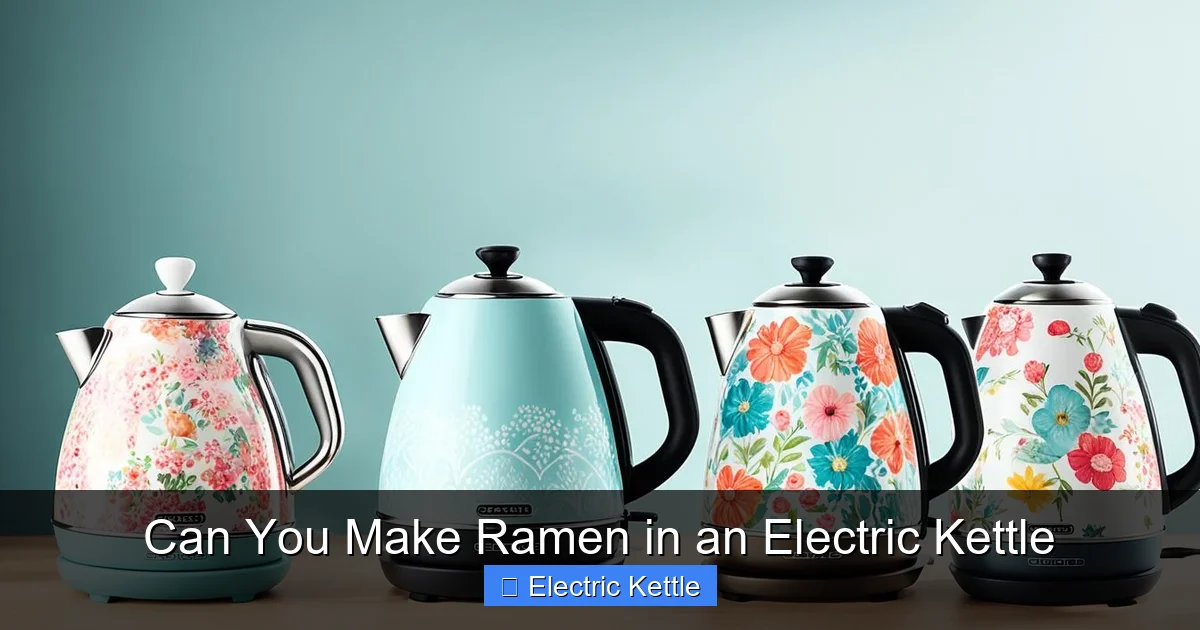
Visual guide about Can You Make Ramen in an Electric Kettle
Image source: stainlesssteelteakettles.com
At its core, making ramen in an electric kettle relies on one simple principle: boiling water. Most instant ramen noodles are pre-cooked and dehydrated, meaning they only need hot water to rehydrate and soften. That’s where your electric kettle shines—it heats water to near-boiling temperatures (usually around 212°F or 100°C) in just a few minutes.
But here’s the key: you don’t just pour boiling water over the noodles and wait. To get the best texture and flavor, you need to actually cook the noodles in the hot water for a short time. This is where technique comes in.
When you add the noodles to the kettle after it boils, the residual heat continues to cook them. Depending on the type of ramen and your preferred doneness, this can take anywhere from 2 to 4 minutes. The seasoning packet dissolves easily in the hot water, creating a flavorful broth without needing a pot or stove.
One thing to keep in mind: electric kettles aren’t designed for prolonged cooking like stovetop pots. They’re built to boil water and then shut off automatically. So timing and method are crucial to avoid undercooked noodles or a kettle that overheats.
Why Instant Ramen Works Best
Not all noodles are created equal when it comes to kettle cooking. Instant ramen is ideal because it’s specifically made to rehydrate quickly in hot water. Brands like Maruchan, Nissin, and Samyang are perfect candidates—they’re thin, pre-cooked, and designed for fast preparation.
Fresh ramen or dried pasta, on the other hand, usually requires longer cooking times and more water circulation, which an electric kettle can’t provide. Trying to cook these in a kettle could lead to gummy, uneven results or even clog the spout.
So stick with instant ramen for the best experience. If you’re feeling adventurous, you can even try cup noodles—just remove the lid and place the cup in the kettle (more on that later).
The Role of Temperature Control
Some modern electric kettles come with temperature control settings, allowing you to choose between different heat levels (e.g., 160°F for green tea, 212°F for boiling). For ramen, you’ll want to use the boiling setting (212°F) to ensure the water is hot enough to cook the noodles properly.
If your kettle doesn’t have temperature control, don’t worry—most standard kettles boil water to the right temperature automatically. Just make sure it reaches a full boil before adding the noodles.
Step-by-Step Guide: How to Make Ramen in an Electric Kettle
Ready to try it? Here’s a simple, foolproof method to make delicious ramen using just your electric kettle.
What You’ll Need
- Electric kettle
- Instant ramen noodles (with seasoning packet)
- Optional: egg, green onions, vegetables, protein (like cooked chicken or tofu)
- Heat-resistant bowl or container (if using a cup noodle method)
- Chopsticks or fork
Step 1: Boil the Water
Start by filling your electric kettle with the recommended amount of water—usually between 1 to 1.5 cups for a single serving. Don’t overfill, as boiling water can expand and cause spills.
Plug in the kettle and turn it on. Wait for it to reach a full boil. Most kettles will automatically shut off once boiling is reached, which usually takes 3 to 5 minutes depending on the model.
Step 2: Add the Noodles
Once the kettle has boiled and turned off, carefully open the lid. This is the crucial moment. Break the ramen block into quarters or smaller pieces to help it cook evenly and fit better.
Gently drop the noodles into the hot water. Use chopsticks or a fork to submerge them fully. They’ll start to soften almost immediately.
Step 3: Add Seasoning and Let It Cook
Sprinkle the seasoning packet into the water and stir gently to dissolve. Let the noodles sit in the hot water for 2 to 4 minutes, depending on how firm or soft you like them.
Check the noodles periodically. They should be tender but still have a slight bite—similar to al dente pasta. If they’re still too hard, leave them in a bit longer. If they’re getting mushy, remove them sooner.
Step 4: Optional Add-Ins
Want to upgrade your ramen? Here are some easy add-ins you can include:
– Egg: Crack a raw egg into the kettle after adding the noodles. Let it cook gently in the hot water for 3–4 minutes for a soft-boiled effect.
– Vegetables: Add frozen peas, spinach, or shredded carrots. They’ll cook quickly in the hot water.
– Protein: Drop in pre-cooked chicken, tofu, or shrimp. They’ll heat through in the broth.
– Green onions or herbs: Stir in chopped scallions or cilantro at the end for freshness.
Just remember: don’t overload the kettle. Too many ingredients can lower the water temperature and slow cooking.
Step 5: Serve and Enjoy
Once the noodles are cooked to your liking, carefully pour the ramen into a bowl. Use a spoon to scoop out any solid ingredients. Be cautious—the kettle and water will be very hot.
Let it cool for a minute, then dig in! You’ve just made a hot, tasty meal with minimal effort and cleanup.
Safety Tips and Best Practices
While making ramen in an electric kettle is convenient, it’s important to do it safely. Here are some essential tips to keep in mind.
Never Submerge the Kettle Base
This should go without saying, but never put the entire kettle in water. Only the interior chamber should come into contact with water. The base contains electrical components that can short out or cause electrocution if wet.
Always unplug the kettle before cleaning, and wipe the exterior with a damp cloth—never rinse it under running water.
Avoid Overfilling
Most electric kettles have a “max fill” line. Don’t exceed it, especially when adding noodles and other ingredients. Overfilling can cause boiling water to spill out, creating a burn hazard or damaging the kettle.
For ramen, 1 to 1.5 cups of water is usually sufficient. If you’re adding extras like vegetables or protein, you may need a bit more—but stay within the safe limit.
Use Heat-Resistant Containers
If you’re using a cup noodle, don’t place the styrofoam cup directly into the kettle. Instead, transfer the noodles and seasoning to a heat-resistant bowl or mug, then place that inside the kettle (if it fits) or use the kettle to heat water separately.
Some people use silicone travel mugs or metal bowls that fit inside the kettle. Just make sure they’re safe for high heat and won’t melt or warp.
Don’t Leave It Unattended
Even though electric kettles have auto-shutoff features, it’s best not to walk away while cooking ramen. Noodles can expand, foam, or stick to the heating element, potentially causing a mess or triggering the kettle’s safety mechanisms.
Stay nearby and check the noodles every minute or so.
Clean Immediately After Use
Ramen leaves behind starch and seasoning residue that can build up over time. To keep your kettle clean and odor-free, rinse it out right after use.
Use a soft sponge or brush to scrub the interior, and wipe the exterior with a damp cloth. For stubborn stains, a mixture of water and vinegar can help dissolve mineral deposits and grease.
Best Electric Kettles for Making Ramen
Not all electric kettles are created equal when it comes to cooking ramen. Here are some features to look for if you plan to use your kettle for more than just boiling water.
Wide Mouth Opening
A kettle with a wide opening makes it easier to add noodles, stir, and clean. Narrow spouts can make it difficult to drop in ingredients without spilling.
Look for models with a lid that opens fully or has a large pour spout.
Temperature Control
While not essential, temperature control gives you more precision. Some ramen brands recommend slightly lower temperatures for certain broths (like miso or tonkotsu), and having control lets you adjust accordingly.
Kettles with variable settings (like the Cuisinart CPK-17 or Breville BKE820XL) are great for versatility.
Stainless Steel Interior
Kettles with stainless steel interiors are easier to clean and less likely to absorb odors or stains from seasoning packets. Avoid plastic interiors if possible—they can retain smells and may leach chemicals when heated.
Auto Shut-Off and Boil-Dry Protection
Safety features like auto shut-off and boil-dry protection are essential. They prevent the kettle from overheating if it runs out of water or if something blocks the heating element.
Most modern kettles include these features, but it’s worth double-checking before buying.
Capacity
For ramen, a 1-liter kettle is usually sufficient. Larger kettles (1.5–1.7 liters) are great for families or making multiple servings, but they take longer to boil and use more energy.
If you’re solo cooking, a compact 0.8–1 liter model is ideal.
Creativity in a Kettle: Ramen Variations and Upgrades
Once you’ve mastered the basics, it’s time to get creative. Your electric kettle can do more than just heat water—it can help you make a gourmet-style ramen bowl with minimal effort.
Spicy Miso Ramen
Start with a spicy miso ramen packet. After boiling the water and adding the noodles, stir in a teaspoon of miso paste (if not included), a dash of chili oil, and a splash of soy sauce. Top with soft-boiled egg, sliced green onions, and nori strips.
Vegetable-Packed Ramen
Boost the nutrition by adding frozen vegetables. Peas, corn, spinach, and shredded carrots all cook quickly in hot water. For extra flavor, sauté garlic and ginger in a separate bowl with a little oil, then stir into the broth.
Protein-Powered Ramen
Add lean protein to make your ramen more filling. Pre-cooked chicken, shrimp, or tofu work well. You can also use a boiled egg or a slice of ham. For a vegetarian option, try adding a spoonful of peanut butter or tahini for creaminess.
Creamy Coconut Ramen
For a Thai-inspired twist, use a coconut milk-based ramen or add a splash of coconut milk to your broth. Stir in a bit of red curry paste, lime juice, and fresh cilantro. Top with sliced bell peppers and bean sprouts.
Breakfast Ramen
Yes, breakfast ramen is a thing! Use a mild seasoning packet, add a cracked egg, and stir in a little butter or sesame oil. Top with crispy bacon bits, scallions, and a sprinkle of sesame seeds. It’s hearty, savory, and perfect for morning fuel.
Common Mistakes to Avoid
Even with the best intentions, things can go wrong. Here are some common pitfalls and how to avoid them.
Adding Noodles Before Boiling
Don’t put the noodles in before the water boils. Cold water won’t cook them properly, and the kettle may not reach the right temperature. Always wait for a full boil first.
Overcooking the Noodles
Instant ramen cooks fast. Leaving it in too long can turn it into a mushy mess. Check every 30 seconds after the first 2 minutes.
Using the Wrong Type of Noodles
Avoid fresh ramen, udon, or spaghetti. They need more water and longer cooking times than an electric kettle can provide.
Ignoring Cleaning
Starchy residue and seasoning buildup can affect taste and performance. Clean your kettle after every use to keep it in top shape.
Forgetting to Stir
Stirring helps the seasoning dissolve and prevents noodles from sticking together. Give it a gentle mix every minute or so.
Conclusion: Your Kettle, Your Kitchen
Making ramen in an electric kettle isn’t just a survival hack—it’s a smart, efficient way to enjoy a hot meal anywhere. Whether you’re in a dorm, office, or traveling, your kettle can be a mini kitchen that delivers comfort and convenience in minutes.
With the right technique, safety precautions, and a little creativity, you can turn a simple packet of instant ramen into a satisfying, flavorful dish. From basic broth to gourmet upgrades, the possibilities are endless.
So next time you’re craving ramen and the stove’s out of reach, don’t hesitate. Grab your kettle, boil some water, and cook up a storm. Your taste buds—and your busy schedule—will thank you.
Frequently Asked Questions
Can you cook ramen noodles in an electric kettle?
Yes, you can cook instant ramen noodles in an electric kettle. Boil the water first, then add the noodles and let them soak and cook for 2–4 minutes until tender.
Is it safe to make ramen in an electric kettle?
It’s safe as long as you follow basic precautions: don’t submerge the base, avoid overfilling, and clean the kettle after each use. Never leave it unattended while cooking.
Can you put a ramen cup in an electric kettle?
You shouldn’t put a styrofoam cup directly in the kettle. Instead, transfer the noodles to a heat-resistant bowl or use the kettle to heat water separately.
What kind of ramen works best in an electric kettle?
Instant ramen (like Maruchan or Nissin) works best because it’s designed to rehydrate quickly in hot water. Avoid fresh or long-cook noodles.
How long does it take to cook ramen in an electric kettle?
Total time is about 5–7 minutes: 3–5 minutes to boil water, plus 2–4 minutes to cook the noodles after adding them.
Can you add an egg to ramen in an electric kettle?
Yes! Crack a raw egg into the kettle after adding the noodles and let it cook gently for 3–4 minutes for a soft-boiled egg in your broth.