Yes, you absolutely can make tea in an electric kettle—and it’s easier than you think. Whether you’re brewing black, green, or herbal tea, an electric kettle offers fast, precise heating for a great cup. With the right technique, you’ll enjoy flavorful tea without needing a stovetop or microwave.
Key Takeaways
- Electric kettles are perfect for making tea: They heat water quickly and accurately, which is essential for different tea types.
- Use a tea infuser or bag: To steep loose-leaf tea, always use an infuser, strainer, or tea bag to keep leaves contained.
- Match water temperature to tea type: Green tea needs cooler water (160–185°F), while black tea requires near-boiling (200–212°F).
- Avoid over-steeping: Steep for the recommended time (usually 2–5 minutes) to prevent bitterness.
- Clean your kettle regularly: Mineral buildup affects taste and performance—descale monthly.
- Not all kettles are created equal: Look for temperature control, keep-warm features, and BPA-free materials.
- You can make more than just tea: Electric kettles also work great for instant coffee, oatmeal, and hot cocoa.
📑 Table of Contents
- Can You Make Tea in an Electric Kettle?
- How Electric Kettles Work for Tea
- Types of Tea and Ideal Water Temperatures
- How to Make Tea in an Electric Kettle: Step-by-Step
- Best Electric Kettles for Making Tea
- Common Mistakes to Avoid
- Cleaning and Maintaining Your Electric Kettle
- Creative Ways to Use Your Electric Kettle for Tea
- Conclusion
Can You Make Tea in an Electric Kettle?
If you’ve ever stood in front of your electric kettle wondering, “Can I actually make tea in this thing?”—you’re not alone. The short answer is a resounding yes. In fact, electric kettles are one of the best tools for brewing a great cup of tea, especially if you value speed, precision, and convenience.
Unlike stovetop kettles or microwaves, electric kettles heat water quickly and consistently. Many modern models even come with adjustable temperature settings, so you can choose the perfect heat for green, black, white, or herbal teas. No more guessing if the water is hot enough or risking scalding delicate leaves. With an electric kettle, you get reliable results every time.
But making tea isn’t just about boiling water. It’s about timing, temperature, and technique. Whether you’re using tea bags or loose-leaf tea, your electric kettle can handle it—as long as you know how to use it properly. In this guide, we’ll walk you through everything you need to know to brew the perfect cup, from choosing the right kettle to cleaning it afterward.
How Electric Kettles Work for Tea
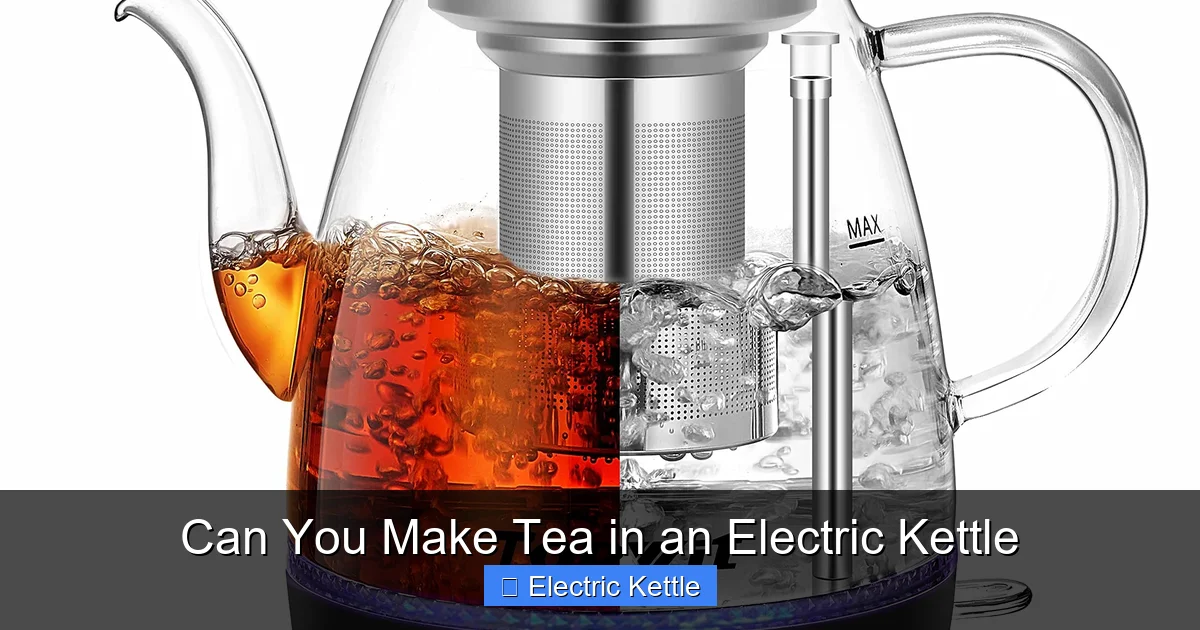
Visual guide about Can You Make Tea in an Electric Kettle
Image source: m.media-amazon.com
Electric kettles are designed to heat water efficiently using an internal heating element. When you press the “on” button, electricity flows through the element, rapidly warming the water. Most kettles automatically shut off once the water reaches boiling point (212°F or 100°C), which makes them safe and energy-efficient.
But here’s the key: not all teas need boiling water. In fact, using water that’s too hot can ruin the flavor of delicate teas like green or white tea. That’s why many high-quality electric kettles now offer variable temperature control. You can set the kettle to heat water to 160°F for green tea or 185°F for oolong, ensuring optimal extraction without bitterness.
Even if your kettle doesn’t have temperature settings, you can still make great tea. Simply boil the water, then let it cool for a few minutes before pouring. For example, if you’re making green tea, boil the water and wait 2–3 minutes before steeping. This simple step can make a big difference in taste.
Speed and Convenience
One of the biggest advantages of using an electric kettle for tea is speed. Most kettles boil water in 3–5 minutes, which is faster than a stovetop or microwave. This is especially helpful in the morning when you’re rushing out the door or during a midday break when you need a quick pick-me-up.
Plus, electric kettles are incredibly easy to use. Just fill with water, press a button, and wait. There’s no watching a pot on the stove or worrying about overheating in the microwave. Many models also have a “keep warm” function that maintains the water temperature for up to an hour, so your tea stays hot without needing to reheat.
Energy Efficiency
Electric kettles are also more energy-efficient than other heating methods. They use less electricity than a stovetop kettle or microwave because they heat water directly and shut off automatically. This means you’re not wasting energy by heating more water than you need or leaving the stove on too long.
For example, if you only need one cup of tea, you can fill the kettle with just enough water instead of heating a full pot. This saves both time and electricity, making your tea ritual more sustainable.
Types of Tea and Ideal Water Temperatures
Not all teas are created equal—and neither are their brewing requirements. To get the best flavor, you need to match the water temperature to the type of tea you’re making. Here’s a quick guide to help you brew like a pro.
Green Tea (160–185°F / 70–85°C)
Green tea is delicate and can become bitter if brewed with boiling water. The ideal temperature range is between 160°F and 185°F. Steep for 2–3 minutes. Popular varieties include Sencha, Dragon Well, and Matcha (which is whisked, not steeped).
If your kettle doesn’t have temperature control, boil the water and let it sit for 2–3 minutes before pouring. You can also add a few ice cubes to cool it faster.
White Tea (175–185°F / 80–85°C)
White tea is even more delicate than green tea. Use water between 175°F and 185°F and steep for 4–6 minutes. Silver Needle and White Peony are great examples. Avoid over-steeping, as it can make the tea taste flat.
Oolong Tea (185–205°F / 85–96°C)
Oolong falls between green and black tea in terms of oxidation. Use water between 185°F and 205°F and steep for 3–5 minutes. High-mountain oolongs and Tieguanyin are excellent choices. Some oolongs can be steeped multiple times for different flavor notes.
Black Tea (200–212°F / 93–100°C)
Black tea is robust and can handle near-boiling water. Use water between 200°F and 212°F and steep for 3–5 minutes. Assam, Earl Grey, and English Breakfast are classic examples. Stronger black teas like Darjeeling may need a shorter steep to avoid bitterness.
Herbal Tea (212°F / 100°C)
Herbal teas, including chamomile, peppermint, and rooibos, are typically caffeine-free and benefit from boiling water. Use 212°F water and steep for 5–7 minutes. Longer steeping brings out more flavor and health benefits.
Pu-erh Tea (200–212°F / 93–100°C)
Pu-erh is a fermented tea that can be aged for years. Use boiling water and steep for 3–5 minutes. It’s often brewed in a gaiwan or teapot, but you can use an electric kettle to heat the water first.
How to Make Tea in an Electric Kettle: Step-by-Step
Now that you know the basics, let’s walk through the process of making tea in an electric kettle. Whether you’re using tea bags or loose-leaf tea, these steps will help you brew a delicious cup every time.
Step 1: Choose Your Tea
Start by selecting your favorite tea. If you’re using loose-leaf tea, make sure you have a tea infuser, strainer, or reusable tea bag. For tea bags, simply drop one into your cup or mug.
Step 2: Fill the Kettle with Fresh, Cold Water
Always use fresh, cold water for the best taste. Avoid reboiling water, as it can become flat and affect the tea’s flavor. Fill the kettle to the minimum level if you’re making one cup, or up to the desired amount.
Step 3: Heat the Water to the Right Temperature
If your kettle has temperature control, select the appropriate setting based on your tea type. If not, boil the water and let it cool for a few minutes. Use a kitchen thermometer if you’re unsure.
Step 4: Place Tea in Your Cup or Infuser
While the water is heating, place your tea bag or infuser in your cup. For loose-leaf tea, use about 1 teaspoon per cup. Adjust based on your taste preference.
Step 5: Pour and Steep
Once the water reaches the right temperature, pour it over the tea. Start a timer and steep for the recommended time. Avoid squeezing tea bags, as this can release bitter tannins.
Step 6: Remove the Tea and Enjoy
After steeping, remove the tea bag or infuser. Add milk, honey, or lemon if desired. Let it cool slightly before sipping.
Pro Tips for Better Tea
- Pre-warm your cup: Pour a little hot water into your cup, swirl it around, and discard before adding tea. This keeps your tea hotter longer.
- Use filtered water: Tap water can contain minerals or chlorine that affect taste. Filtered or spring water makes a noticeable difference.
- Don’t overfill the kettle: Only heat as much water as you need to save energy and time.
- Experiment with steeping times: Try shorter or longer steeps to find your perfect flavor.
Best Electric Kettles for Making Tea
Not all electric kettles are created equal. If you’re serious about tea, investing in a high-quality kettle can make a big difference. Here are some features to look for:
Temperature Control
The best kettles for tea have adjustable temperature settings. This allows you to choose the perfect heat for each type of tea. Look for models with presets for green, black, white, and herbal teas.
Keep-Warm Function
A keep-warm feature maintains the water temperature after boiling. This is great if you’re making multiple cups or want to enjoy your tea slowly.
Material
Stainless steel and glass kettles are popular choices. Stainless steel is durable and retains heat well, while glass lets you see the water boiling. Avoid plastic kettles, as they can impart a taste to the water.
Capacity
Consider how much tea you typically make. A 1-liter kettle is ideal for individuals or small households, while larger families may prefer 1.5–2 liters.
Speed and Noise
Look for a kettle that boils quickly and operates quietly. Some models have noise-reduction technology, which is great for early mornings.
Ease of Cleaning
Choose a kettle with a wide opening and removable filter for easy cleaning. Descaling is important to prevent mineral buildup.
Top Picks
- Breville BKE820XL Smart Kettle: Offers 5 temperature presets, keep-warm function, and fast boiling.
- Cuisinart CPK-17 PerfecTemp: 6 temperature settings, stainless steel design, and auto shut-off.
- Hamilton Beach 40880: Affordable, compact, and great for basic tea brewing.
- OXO Brew Adjustable Temperature Kettle: Sleek design, precise control, and quiet operation.
Common Mistakes to Avoid
Even with the best kettle, mistakes can happen. Here are some common pitfalls and how to avoid them.
Using Water That’s Too Hot
As mentioned earlier, boiling water can ruin delicate teas. Always check the ideal temperature for your tea type and adjust accordingly.
Over-Steeping
Leaving tea in hot water too long can make it bitter. Use a timer and stick to the recommended steeping time.
Reboiling Water
Reboiling water reduces oxygen levels and can make tea taste flat. Always use fresh, cold water.
Not Cleaning the Kettle
Mineral buildup from hard water can affect taste and performance. Descale your kettle monthly using vinegar or a commercial descaler.
Using the Wrong Amount of Tea
Too little tea results in a weak brew; too much can be overpowering. Use about 1 teaspoon of loose-leaf tea per cup, or one tea bag.
Ignoring Water Quality
Tap water with high chlorine or mineral content can alter the flavor. Use filtered water for the best results.
Cleaning and Maintaining Your Electric Kettle
To keep your kettle in top condition and ensure great-tasting tea, regular cleaning is essential.
Daily Cleaning
After each use, rinse the kettle with clean water. Wipe the exterior with a damp cloth. Never submerge the base in water.
Monthly Descaling
Hard water leaves mineral deposits (limescale) inside the kettle. To descale:
- Fill the kettle halfway with equal parts water and white vinegar.
- Boil the solution and let it sit for 30–60 minutes.
- Pour out the vinegar and rinse thoroughly.
- Boil fresh water 2–3 times to remove any vinegar taste.
Cleaning the Filter
Many kettles have a mesh filter to catch sediment. Remove it and rinse under running water. Use a soft brush if needed.
Storing Your Kettle
Store the kettle with the lid open to prevent odors and moisture buildup. Keep it in a dry, cool place.
Creative Ways to Use Your Electric Kettle for Tea
Your electric kettle isn’t just for basic tea. Here are some fun and creative ways to use it:
Make Iced Tea
Brew a strong batch of tea using your kettle, then pour it over ice. Add lemon, mint, or fruit for a refreshing drink.
Brew Herbal Blends
Experiment with homemade herbal teas using ingredients like ginger, cinnamon, and chamomile. Steep in hot water for 5–10 minutes.
Try Cold Brew Tea
While electric kettles heat water, you can use them to make hot water for cold brewing. Steep tea in hot water for 1–2 minutes, then add cold water and refrigerate overnight.
Make Tea Lattes
Brew a strong cup of black tea, then add steamed milk and a touch of honey for a creamy tea latte.
Use for Instant Tea Mixes
Many instant tea powders and matcha blends require hot water. Use your kettle to quickly heat water for a fast, flavorful drink.
Conclusion
So, can you make tea in an electric kettle? Absolutely—and you should! Electric kettles are fast, efficient, and perfect for brewing a wide variety of teas. With the right temperature, timing, and technique, you can enjoy a delicious cup every time.
Whether you’re a tea新手 or a seasoned sipper, your electric kettle is a powerful tool in your kitchen. Just remember to match the water temperature to your tea type, use fresh water, and clean your kettle regularly. With these tips, you’ll be brewing like a pro in no time.
So go ahead—fill that kettle, heat the water, and steep your favorite tea. Your perfect cup is just a button press away.
Frequently Asked Questions
Can you steep tea directly in an electric kettle?
No, you should not steep tea directly in the kettle. The heating element and interior can be damaged, and loose leaves may clog the spout. Always use a cup, mug, or infuser.
Is it safe to leave tea in an electric kettle?
No, never leave tea sitting in the kettle after brewing. This can lead to bacterial growth, staining, and unpleasant odors. Always pour your tea into a cup and clean the kettle afterward.
Can you use an electric kettle for matcha?
Yes, but only to heat the water. Matcha requires water around 175°F. Heat the water in the kettle, then pour it into a bowl and whisk the matcha powder with a bamboo whisk.
Do electric kettles affect the taste of tea?
Generally, no—unless the kettle is dirty or made of low-quality materials. Clean your kettle regularly and choose BPA-free, stainless steel, or glass models for the best taste.
Can you make tea in a plastic electric kettle?
Technically yes, but it’s not recommended. Plastic can absorb odors and may leach chemicals when heated. Opt for stainless steel or glass kettles for safer, better-tasting tea.
How long should you steep tea in an electric kettle?
You don’t steep tea in the kettle—you steep it in a cup after heating the water. Steeping times vary: green tea (2–3 minutes), black tea (3–5 minutes), herbal tea (5–7 minutes).