Yes, you can absolutely make tea in an electric kettle—but with the right technique. While electric kettles are designed to boil water, using them to brew tea requires care to avoid damaging the appliance or ruining the flavor. With proper temperature control and steeping methods, your electric kettle can be a fast, convenient tool for delicious tea.
Key Takeaways
- Electric kettles heat water quickly and efficiently, making them ideal for tea preparation when used correctly.
- Not all teas should be brewed directly in the kettle— delicate teas like green or white tea require lower temperatures and should steep outside the kettle.
- Using a tea infuser or basket prevents leaves from clogging the spout and makes cleanup easier.
- Descaling your kettle regularly ensures clean, great-tasting tea and extends the appliance’s lifespan.
- Smart electric kettles with temperature settings offer precision brewing for different tea types, enhancing flavor and aroma.
- Avoid boiling herbal or floral teas at full heat, as high temperatures can destroy delicate compounds and create bitterness.
- Always follow manufacturer guidelines to prevent damage and maintain safety when using your electric kettle for tea.
📑 Table of Contents
- Can You Make Tea in an Electric Kettle?
- How Electric Kettles Work and Why They’re Great for Tea
- Best Practices for Making Tea in an Electric Kettle
- Tea Types and Ideal Brewing Temperatures
- Cleaning and Maintaining Your Electric Kettle for Tea
- Smart Electric Kettles and the Future of Tea Brewing
- Common Mistakes to Avoid When Using an Electric Kettle for Tea
- Conclusion: Yes, You Can Make Great Tea with an Electric Kettle
Can You Make Tea in an Electric Kettle?
If you’re a tea lover with an electric kettle, you’ve probably wondered: *Can you actually make tea in an electric kettle?* The short answer is yes—but it’s not as simple as dropping a tea bag in and pressing boil. Electric kettles are fantastic for heating water fast, but turning them into a full tea-brewing station requires a bit of know-how.
Think of your electric kettle as the powerhouse of your tea routine. It gets water to the perfect temperature in minutes, often faster than a stovetop kettle. But unlike a traditional teapot, most electric kettles aren’t designed to steep tea directly inside. Pouring boiling water over tea leaves or bags in the kettle can lead to over-extraction, bitterness, or even damage to the heating element. Plus, tea residue can build up over time, affecting both taste and performance.
The good news? With a few simple adjustments, your electric kettle can become your go-to tea-making tool. Whether you’re brewing a robust black tea, a delicate green, or a soothing herbal blend, understanding how to use your kettle properly ensures a delicious cup every time. In this guide, we’ll walk you through everything you need to know—from temperature tips to cleaning hacks—so you can enjoy perfect tea with minimal effort.
How Electric Kettles Work and Why They’re Great for Tea
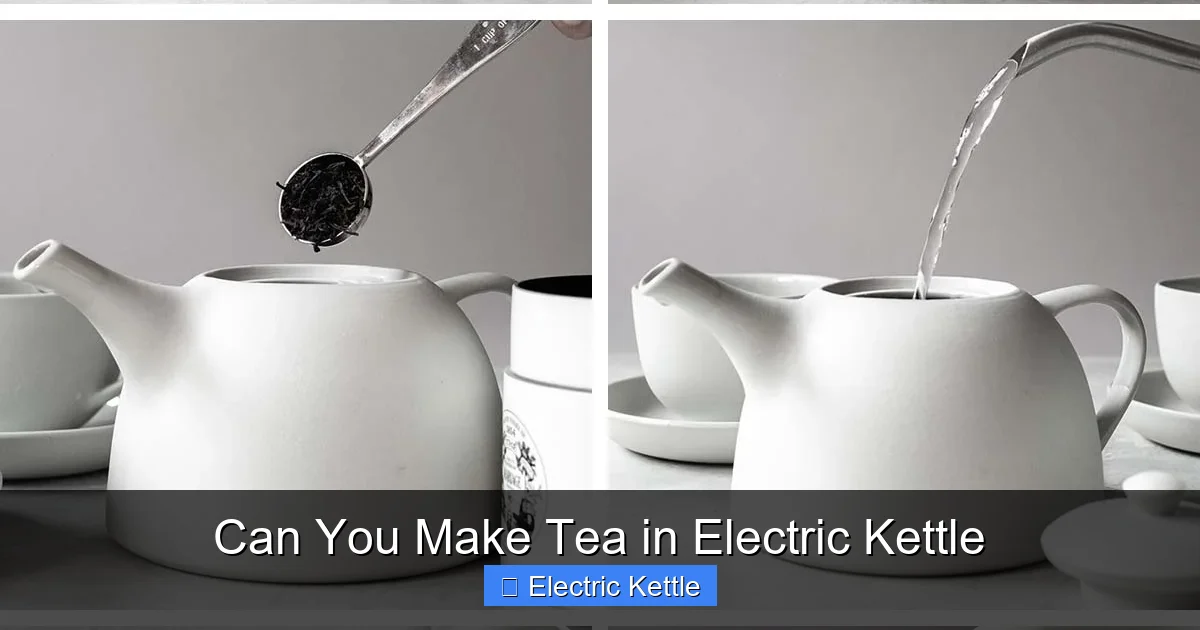
Visual guide about Can You Make Tea in Electric Kettle
Image source: ohhowcivilized.com
Electric kettles are among the most efficient kitchen appliances for heating water. Unlike stovetop kettles that rely on a flame or electric coil, electric kettles have a built-in heating element at the base that rapidly heats water to boiling—or to a specific temperature, in the case of smart models. This speed and precision make them ideal for tea drinkers who want a quick, consistent brew.
Most basic electric kettles have a simple on/off switch and heat water to around 212°F (100°C), the boiling point at sea level. This is perfect for black teas, which thrive in hot water. But not all teas need boiling water. Green tea, for example, tastes best around 160–185°F (70–85°C). Boiling water can scald the leaves, releasing bitter tannins and destroying subtle flavors.
That’s where advanced electric kettles shine. Many modern models come with variable temperature settings, allowing you to select the ideal heat for different tea types. Some even have preset programs for green, white, oolong, and herbal teas. These features take the guesswork out of brewing and help you get the most flavor from your leaves.
Another advantage? Electric kettles are energy-efficient. They use only the amount of electricity needed to heat the water, unlike stovetops that heat the entire burner. This means faster boiling, lower energy bills, and less wait time for your next cup.
But here’s the catch: while electric kettles excel at heating water, they’re not always designed for steeping. Most don’t have built-in infusers, and pouring tea leaves directly into the kettle can clog the spout or leave residue on the heating element. That’s why the best practice is to use your kettle to heat the water, then transfer it to a teapot, mug, or infuser for steeping.
Types of Electric Kettles and Their Tea-Friendly Features
Not all electric kettles are created equal when it comes to making tea. Here’s a quick breakdown of the main types and how they support your tea habit:
Basic Electric Kettles: These are the most common and affordable models. They heat water to boiling and shut off automatically. Great for black tea, but not ideal for delicate varieties unless you let the water cool slightly before pouring.
Variable Temperature Kettles: These allow you to set specific temperatures, usually in 5–10°F increments. Perfect for green, white, and oolong teas. Some even have LED displays showing the current water temperature.
Gooseneck Kettles: Designed for precision pouring, these are popular among pour-over coffee and tea enthusiasts. The narrow spout gives you control over water flow, which is helpful when steeping loose-leaf tea in a infuser.
Smart Kettles: Wi-Fi or app-connected models let you control temperature and timing from your phone. Some can even remember your favorite settings or send notifications when your tea is ready.
Kettles with Built-In Infusers: A few models come with removable tea baskets or infusers. These let you steep tea directly in the kettle, though you’ll still need to monitor steeping time to avoid over-brewing.
Choosing the right kettle depends on your tea preferences and lifestyle. If you drink mostly black tea, a basic model may suffice. But if you enjoy a variety of teas, investing in a variable-temperature kettle can elevate your experience.
Best Practices for Making Tea in an Electric Kettle
Now that you know how electric kettles work, let’s talk about how to use them to make great tea. The key is to treat your kettle as a water heater—not a steeping vessel. Here’s a step-by-step guide to brewing tea the right way:
Step 1: Choose the Right Water
Start with fresh, cold water. Never use water that’s been sitting in the kettle or has already been boiled. Reboiling water reduces oxygen levels, which can make tea taste flat. Fill the kettle to the desired level, but don’t overfill—leave some space to prevent boiling over.
Step 2: Heat to the Correct Temperature
If your kettle has temperature settings, select the one that matches your tea type. No settings? No problem. Boil the water, then let it cool for a few minutes. For green tea, wait 2–3 minutes after boiling. For white tea, wait 3–4 minutes. Use a kitchen thermometer if you’re unsure.
Step 3: Prepare Your Tea
While the water heats, place your tea bag or loose leaves in a mug, teapot, or infuser. Use about one teaspoon of loose leaf tea per cup, or follow the instructions on your tea packaging.
Step 4: Pour and Steep
Once the water reaches the right temperature, pour it over the tea. Cover the mug or teapot to retain heat and aroma. Steeping time varies: black tea usually takes 3–5 minutes, green tea 2–3 minutes, and herbal teas 5–7 minutes. Set a timer to avoid over-steeping.
Step 5: Remove and Enjoy
After steeping, remove the tea bag or infuser. Add milk, honey, or lemon if desired, and enjoy your perfectly brewed cup.
Using a Tea Infuser with Your Electric Kettle
If you prefer loose-leaf tea, a tea infuser is a must. These small mesh baskets or balls hold the leaves while allowing water to flow through, extracting flavor without making a mess. Here’s how to use one with your electric kettle:
1. Fill the infuser with the right amount of tea leaves—don’t pack it too tightly.
2. Place the infuser in your mug or teapot before pouring hot water.
3. Pour water heated in the electric kettle over the infuser.
4. Steep for the recommended time, then remove the infuser.
Some electric kettles come with built-in infusers, but these are less common. If yours doesn’t, a standalone infuser is an affordable and effective solution. Just make sure it fits comfortably in your mug and is easy to clean.
What Not to Do When Making Tea in an Electric Kettle
While it’s tempting to drop a tea bag directly into the kettle and let it steep, this can cause several problems:
– Residue buildup: Tea leaves and oils can stick to the heating element and interior walls, leading to unpleasant odors and flavors.
– Clogging: Loose leaves may block the spout, making it hard to pour.
– Over-extraction: Steeping in the kettle often means longer contact with hot water, which can make tea bitter.
– Damage to the kettle: Some kettles aren’t designed to handle prolonged exposure to tea compounds, which can degrade materials over time.
To keep your kettle in top shape, always steep tea outside the appliance. Use the kettle only for heating water.
Tea Types and Ideal Brewing Temperatures
Different teas require different temperatures and steeping times to bring out their best flavors. Using your electric kettle correctly means matching the water temperature to the tea type. Here’s a quick guide:
Black Tea
– Temperature: 200–212°F (93–100°C)
– Steeping Time: 3–5 minutes
– Examples: Assam, Earl Grey, English Breakfast
Black tea is robust and can handle boiling water. It’s the most forgiving type and works well with basic electric kettles.
Green Tea
– Temperature: 160–185°F (70–85°C)
– Steeping Time: 2–3 minutes
– Examples: Sencha, Matcha, Dragon Well
Green tea is delicate. Boiling water can burn the leaves, creating a bitter taste. Let boiled water cool for 2–3 minutes, or use a kettle with a lower temperature setting.
White Tea
– Temperature: 175–185°F (80–85°C)
– Steeping Time: 4–6 minutes
– Examples: Silver Needle, White Peony
White tea is subtle and aromatic. It needs gentle heat and a longer steep to develop its sweet, floral notes.
Oolong Tea
– Temperature: 185–205°F (85–96°C)
– Steeping Time: 3–5 minutes
– Examples: Tieguanyin, Da Hong Pao
Oolong sits between green and black tea in terms of oxidation. It benefits from slightly cooler water than black tea but hotter than green.
Herbal Tea
– Temperature: 200–212°F (93–100°C)
– Steeping Time: 5–7 minutes
– Examples: Chamomile, Peppermint, Rooibos
Herbal teas are often caffeine-free and made from flowers, roots, or spices. They usually need boiling water to extract full flavor.
Pu-erh Tea
– Temperature: 200–212°F (93–100°C)
– Steeping Time: 3–5 minutes (can be re-steeped multiple times)
– Examples: Raw (Sheng) or Ripe (Shou) Pu-erh
This fermented tea is bold and earthy. It loves hot water and can be brewed repeatedly.
Using your electric kettle to heat water to the right temperature for each tea type ensures a balanced, flavorful cup. If your kettle doesn’t have temperature controls, consider investing in a gooseneck kettle with variable settings or use a thermometer to check the water.
Cleaning and Maintaining Your Electric Kettle for Tea
Regular cleaning is essential to keep your electric kettle performing well and your tea tasting great. Over time, mineral deposits (limescale) from hard water can build up inside the kettle, affecting both taste and efficiency. Tea residue can also accumulate, especially if you’ve accidentally steeped tea directly in the kettle.
How to Descale Your Electric Kettle
Descaling removes limescale and should be done every 1–2 months, depending on your water hardness. Here’s a simple method using vinegar:
1. Fill the kettle halfway with equal parts water and white vinegar.
2. Boil the solution and let it sit for 30–60 minutes.
3. Pour out the vinegar mix and rinse thoroughly with clean water.
4. Boil fresh water 1–2 times to remove any vinegar taste.
For a gentler option, use lemon juice or a commercial descaling solution. Avoid using harsh chemicals or abrasive scrubbers, which can damage the interior.
Cleaning Tea Stains and Residue
If tea stains have built up, try this natural cleaning method:
1. Mix 1 tablespoon of baking soda with a little water to form a paste.
2. Use a soft sponge to gently scrub the interior.
3. Rinse well and boil fresh water to rinse out any residue.
For stubborn stains, repeat the process or use a mixture of vinegar and baking soda for extra cleaning power.
Daily Maintenance Tips
– Always empty the kettle after use to prevent mineral buildup.
– Wipe the exterior with a damp cloth to keep it looking clean.
– Avoid submerging the base in water—only the kettle itself should be washed.
– Store the kettle with the lid open to allow airflow and prevent odors.
A well-maintained kettle not only lasts longer but also ensures your tea tastes fresh and pure every time.
Smart Electric Kettles and the Future of Tea Brewing
Technology is transforming how we make tea, and smart electric kettles are leading the charge. These advanced appliances offer features that make brewing easier, more precise, and more enjoyable.
Key Features of Smart Kettles
– App Control: Connect your kettle to your smartphone via Wi-Fi or Bluetooth. Set temperatures, timers, and even receive notifications when your water is ready.
– Preset Programs: Choose from built-in settings for green, black, white, oolong, and herbal teas. The kettle heats to the perfect temperature automatically.
– Keep-Warm Function: Some models maintain the water at the desired temperature for up to an hour, so you can brew multiple cups without reheating.
– Voice Control: Compatible with Alexa or Google Assistant, allowing you to start boiling water with a simple voice command.
These features are especially helpful for tea enthusiasts who enjoy a variety of blends and want consistency in every cup.
Popular Smart Kettle Models
– Fellow Stagg EKG: A gooseneck kettle with precise temperature control and a sleek design. Ideal for pour-over tea and coffee.
– Breville BKE830XL: Offers six preset temperatures and a keep-warm function. Great for households with different tea preferences.
– OXO Brew Adjustable Temperature Pour-Over Kettle: Combines gooseneck precision with variable heat settings.
While smart kettles come at a higher price point, they’re a worthwhile investment for serious tea drinkers who value convenience and precision.
Common Mistakes to Avoid When Using an Electric Kettle for Tea
Even experienced tea drinkers can make mistakes when using an electric kettle. Here are some common pitfalls and how to avoid them:
Boiling Water for Delicate Teas
Pouring boiling water directly onto green or white tea can ruin the flavor. Always let the water cool slightly or use a kettle with temperature control.
Overfilling the Kettle
Filling beyond the max line can cause water to spill over when boiling, potentially damaging the base or creating a safety hazard. Stick to the recommended fill level.
Using Old or Stale Water
Reboiling water reduces oxygen and can make tea taste flat. Always use fresh, cold water for the best results.
Ignoring Cleaning
Skipping regular descaling leads to buildup that affects taste and performance. Make cleaning part of your routine.
Steeping Tea in the Kettle
As mentioned earlier, steeping directly in the kettle can damage the appliance and over-extract the tea. Always steep in a separate container.
By avoiding these mistakes, you’ll get the most out of your electric kettle and enjoy better-tasting tea.
Conclusion: Yes, You Can Make Great Tea with an Electric Kettle
So, can you make tea in an electric kettle? Absolutely—but with the right approach. Your electric kettle is a powerful tool for heating water quickly and efficiently, but it’s not meant to steep tea directly. By using it to heat water to the correct temperature and then transferring it to a mug or teapot for steeping, you can brew a perfect cup every time.
Whether you’re a black tea lover or a green tea connoisseur, understanding your kettle’s capabilities and your tea’s needs is key. Invest in a variable-temperature model if you drink a variety of teas, and always use a tea infuser for loose leaves. Keep your kettle clean and well-maintained to ensure great taste and long life.
With these tips, your electric kettle can become an essential part of your tea ritual—delivering speed, convenience, and consistency with every brew. So go ahead, heat that water, steep your favorite blend, and savor the moment. Your perfect cup of tea is just a kettle away.
Frequently Asked Questions
Can I put tea bags directly in my electric kettle?
It’s not recommended. Steeping tea bags directly in the kettle can leave residue, clog the spout, and affect the taste. Instead, heat the water in the kettle and pour it over the tea bag in a mug or teapot.
What temperature should I use for green tea in an electric kettle?
Green tea should be brewed at 160–185°F (70–85°C). If your kettle doesn’t have temperature control, boil the water and let it cool for 2–3 minutes before pouring.
How often should I descale my electric kettle?
Descale your kettle every 1–2 months, or more often if you live in an area with hard water. This prevents limescale buildup and keeps your tea tasting fresh.
Can I use my electric kettle for herbal tea?
Yes, herbal teas like chamomile and peppermint typically require boiling water (212°F/100°C). Heat the water in the kettle, then steep the tea in a separate container for 5–7 minutes.
Do I need a special kettle to make tea?
Not necessarily. A basic electric kettle works fine for black and herbal teas. For green, white, or oolong teas, a variable-temperature kettle gives better results.
Can I reheat tea in my electric kettle?
No, avoid reheating brewed tea in the kettle. It can alter the flavor and leave residue. Instead, reheat water and pour it over fresh tea leaves or a new tea bag.