Putting milk in an electric kettle is not recommended due to the risk of scorching, residue buildup, and damage to internal components. While some modern kettles claim to handle milk, most manufacturers advise against it. Learn safe alternatives and how to protect your kettle’s performance and longevity.
Key Takeaways
- Milk should not be heated in most electric kettles: Proteins and fats in milk can burn onto heating elements, causing permanent damage and unpleasant odors.
- Residue buildup affects performance: Dried milk creates a sticky film that reduces heating efficiency and can lead to malfunctions over time.
- Cleaning is difficult and often ineffective: Milk residues are tough to remove and may require harsh cleaners that damage the kettle’s interior.
- Some kettles are designed for milk: A few specialized models feature milk-safe modes or non-stick coatings—check your user manual before use.
- Safer alternatives exist: Use a saucepan, microwave, or dedicated milk frother to heat milk without risking your kettle.
- Manufacturer guidelines are key: Always follow the instructions provided by the kettle’s brand to avoid voiding warranties or causing safety hazards.
- Prevention is better than repair: Avoiding milk in your kettle saves time, money, and frustration in the long run.
📑 Table of Contents
- Can You Put Milk in an Electric Kettle? The Truth Explained
- Why Electric Kettles Aren’t Designed for Milk
- The Risks of Putting Milk in an Electric Kettle
- Can Any Electric Kettles Handle Milk?
- Safe Alternatives to Heating Milk in an Electric Kettle
- How to Clean a Kettle After Accidental Milk Use
- Final Thoughts: Protect Your Kettle, Protect Your Beverages
Can You Put Milk in an Electric Kettle? The Truth Explained
So, you’ve just finished making your morning coffee and thought, “Why not heat up some milk in my electric kettle for a creamy latte?” It seems convenient—after all, the kettle boils water quickly, so why not milk? But before you pour that splash of dairy into your trusty appliance, it’s important to pause and consider the potential consequences.
Electric kettles are designed primarily for heating water. Their heating elements, temperature sensors, and internal coatings are optimized for H₂O—not for liquids with fats, proteins, and sugars like milk. While it might seem harmless to heat milk once in a while, doing so can lead to a host of problems, from burnt flavors to permanent damage. In this article, we’ll explore why putting milk in an electric kettle is generally a bad idea, what happens when you do it, and how to safely heat milk using better alternatives.
Whether you’re a coffee lover, a tea enthusiast, or someone who enjoys warm milk before bed, understanding how to care for your electric kettle is essential. These appliances are built for speed and efficiency, but they’re not indestructible. By learning the dos and don’ts, you can extend the life of your kettle and keep your beverages tasting great.
Why Electric Kettles Aren’t Designed for Milk
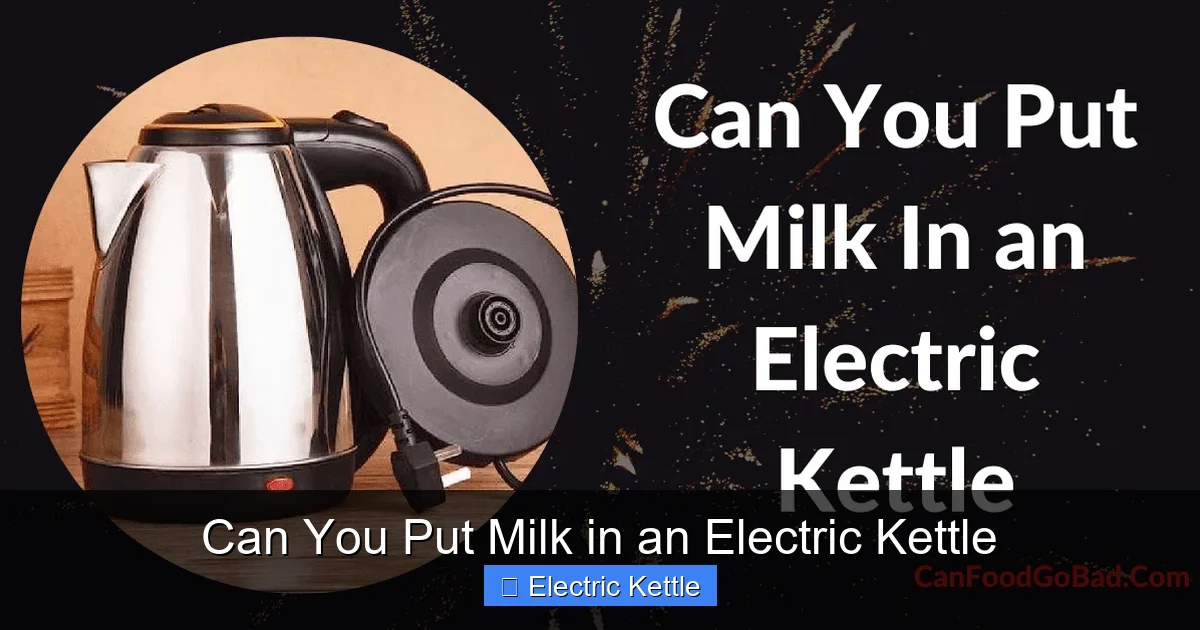
Visual guide about Can You Put Milk in an Electric Kettle
Image source: canfoodgobad.com
The Science Behind Milk and Heat
Milk is a complex liquid made up of water, fats, proteins (like casein and whey), lactose (milk sugar), and minerals. When heated, these components behave very differently than water. Water boils at 100°C (212°F) and evaporates cleanly. Milk, on the other hand, begins to scorch and curdle at temperatures as low as 70°C (158°F), especially near the heating element.
The proteins in milk denature—or unfold—when exposed to high heat. This causes them to stick to surfaces, forming a sticky, yellowish film. Fats can also separate and burn, creating a burnt smell and taste. Lactose caramelizes at high temperatures, adding a bitter flavor. All of these reactions happen quickly in an electric kettle, where the heating element gets extremely hot in a short amount of time.
How Electric Kettles Work
Most electric kettles use a concealed or exposed heating element at the base to boil water. When you press the switch, electricity flows through the element, heating it up rapidly. The water absorbs this heat and begins to boil. A thermostat detects when the water reaches boiling point and automatically shuts off the power.
This system works perfectly for water because it’s a consistent, non-sticky liquid that doesn’t leave residue. But milk? Not so much. The heating element in a kettle can reach temperatures well above 100°C, especially if the milk doesn’t cover it completely. This leads to localized overheating, which scorches the milk and damages the element.
Manufacturer Warnings
If you flip through the user manual of most electric kettles—brands like Breville, Cuisinart, or Hamilton Beach—you’ll likely find a clear warning: “Do not use with milk, juice, or other liquids.” These instructions aren’t just suggestions; they’re there to protect both the appliance and the user.
Using milk in a kettle not designed for it can void your warranty. It can also create safety hazards, such as overheating, smoke, or even electrical malfunctions if residue builds up near sensitive components. In short, manufacturers design kettles for water because that’s what they’re tested and certified to handle safely.
The Risks of Putting Milk in an Electric Kettle
Scorching and Burning
One of the most immediate risks of heating milk in an electric kettle is scorching. Because milk contains proteins and sugars, it can burn onto the heating element or the bottom of the kettle. This creates a hard, crusty layer that’s difficult to remove.
Imagine turning on your kettle and being greeted by a burnt, cheesy smell instead of steam. That’s what happens when milk burns. Not only does it ruin the taste of your next cup of tea or coffee, but it can also set off smoke alarms if the residue overheats again.
Residue Buildup and Clogging
Even if you manage to heat milk without burning it, residue will still be left behind. Over time, this buildup can clog the kettle’s spout, filter, or internal sensors. The thermostat may stop working correctly, causing the kettle to overheat or fail to turn off.
This residue also creates a breeding ground for bacteria and mold, especially if the kettle isn’t cleaned thoroughly. Stagnant milk film can lead to unpleasant odors and even health risks if ingested.
Damage to the Heating Element
The heating element is the heart of your electric kettle. When milk burns onto it, it insulates the element, making it harder to transfer heat. This forces the kettle to work longer and harder, increasing energy use and wear and tear.
In severe cases, the element can become permanently damaged. You might notice longer boiling times, inconsistent heating, or complete failure. Replacing a heating element is often more expensive than buying a new kettle—especially when the damage is caused by misuse.
Unpleasant Odors and Tastes
Burnt milk leaves a lingering smell that can permeate your entire kitchen. Even after cleaning, the odor may stick to the kettle’s interior, affecting the taste of future beverages. Water boiled in a kettle with milk residue can take on a slightly sour or burnt flavor, ruining your morning tea or coffee.
This is especially problematic if you use your kettle for both water and milk. Cross-contamination is almost inevitable, and the flavors can mix in unwanted ways.
Voided Warranties and Safety Concerns
Using your electric kettle for purposes other than heating water can void the manufacturer’s warranty. If your kettle breaks down due to milk residue, you’ll likely be denied service or replacement.
There are also safety risks. Overheating milk can cause the kettle to smoke or emit fumes. In rare cases, electrical components may short-circuit if residue bridges connections. While rare, these incidents highlight why it’s best to stick to the intended use.
Can Any Electric Kettles Handle Milk?
Specialized Milk Kettles and Frothers
While most electric kettles are not suitable for milk, a few models are specifically designed to handle it. These appliances often come with features like:
– Milk-specific heating modes
– Non-stick interiors
– Temperature control (to prevent scalding)
– Built-in frothing whisks
Brands like Smeg, De’Longhi, and some high-end Breville models offer kettles with milk-friendly settings. These devices heat milk gently and evenly, reducing the risk of scorching. Some even double as milk frothers, perfect for lattes and cappuccinos.
If you’re serious about heating milk regularly, investing in one of these specialized appliances is a smart move. They’re engineered to handle the unique properties of milk and often include safety features like auto-shutoff and temperature monitoring.
How to Identify a Milk-Safe Kettle
Before using your kettle for milk, check the user manual or product specifications. Look for keywords like:
– “Milk mode”
– “Dairy-safe”
– “Temperature control”
– “Non-stick interior”
If your kettle doesn’t mention these features, it’s safest to assume it’s not designed for milk. Even if it has a “keep warm” function, that doesn’t mean it’s suitable for dairy.
Some kettles have a separate compartment or attachment for frothing milk, but the main chamber is still only for water. Always follow the manufacturer’s instructions to avoid damage.
User Experiences and Reviews
Many users have tried heating milk in regular kettles—and lived to regret it. Online forums and review sites are filled with stories of burnt kettles, ruined warranties, and stubborn odors.
One user on Reddit shared: “I heated milk in my kettle once for hot chocolate. It smelled awful, and now my tea tastes like burnt cheese. I had to buy a new kettle.”
Another reviewer on Amazon warned: “Don’t do it. The residue is impossible to clean, and the heating element stopped working after two uses.”
These real-life experiences highlight the risks and reinforce why it’s better to use the right tool for the job.
Safe Alternatives to Heating Milk in an Electric Kettle
Using a Saucepan on the Stove
The most traditional and reliable method for heating milk is using a small saucepan on the stove. Here’s how to do it safely:
1. Pour the desired amount of milk into a clean saucepan.
2. Heat over medium-low heat, stirring frequently with a wooden or silicone spoon.
3. Watch for small bubbles around the edges—this means the milk is hot (around 60–70°C or 140–160°F).
4. Remove from heat immediately to prevent scalding.
Stovetop heating gives you full control over the temperature. You can stop the process at any time, reducing the risk of burning. It’s also easy to clean—just rinse the pan with warm, soapy water.
Microwave Method
If you’re in a hurry, the microwave is a quick and convenient option. Follow these steps:
1. Pour milk into a microwave-safe cup or mug.
2. Heat in 15–30 second intervals, stirring between each.
3. Stop when the milk is warm to the touch (avoid boiling).
4. Use a thermometer if precision is important.
Be careful not to overheat, as milk can “erupt” suddenly when removed from the microwave. Stirring helps distribute heat evenly and prevents hot spots.
Dedicated Milk Frothers
For coffee lovers, a standalone milk frother is a worthwhile investment. These devices heat and froth milk simultaneously, creating the perfect texture for lattes and cappuccinos.
There are two main types:
– **Handheld frothers:** Battery-powered whisks that froth milk in a cup. They don’t heat milk, so you’ll need to warm it separately.
– **Automatic frothers:** Countertop appliances that heat and froth milk in one step. Models like the Nespresso Aeroccino or Breville Milk Cafe are popular choices.
These tools are designed specifically for milk, so you don’t have to worry about residue or damage.
Electric Milk Warmers
Some appliances are built solely for warming milk. These include:
– Baby bottle warmers
– Electric milk dispensers
– Travel milk warmers
While not common in every household, they’re ideal for parents or anyone who needs precise temperature control. They’re safe, efficient, and won’t affect your kettle’s performance.
Pre-Heating with Hot Water
If you want to use your kettle to help warm milk indirectly, try this trick:
1. Boil water in your electric kettle.
2. Pour the hot water into a heatproof container.
3. Place a smaller container of cold milk inside the hot water (like a double boiler).
4. Let it sit for a few minutes, stirring occasionally.
This method uses the kettle’s heat without exposing it to milk. It’s slower but completely safe.
How to Clean a Kettle After Accidental Milk Use
Immediate Action Steps
If you’ve accidentally put milk in your kettle, act quickly:
1. **Unplug the kettle immediately.**
2. **Let it cool completely.**
3. **Do not add water or attempt to rinse while hot—this can cause thermal shock.**
Once cool, assess the damage. If the milk didn’t burn, you may be able to clean it effectively.
Cleaning Burnt Milk Residue
Burnt milk is tough to remove, but not impossible. Try these methods:
– **Vinegar soak:** Fill the kettle with equal parts water and white vinegar. Let it sit for 1–2 hours, then boil and rinse thoroughly.
– **Baking soda paste:** Make a paste with baking soda and water. Scrub the interior gently with a soft sponge or brush.
– **Lemon juice:** Boil a solution of water and lemon juice, then rinse. The acid helps break down protein deposits.
Avoid using abrasive scrubbers or steel wool, as they can scratch the interior and damage non-stick coatings.
Preventing Future Accidents
To avoid repeating the mistake:
– Label your kettle: “Water Only” with a sticker.
– Use a separate appliance for milk.
– Educate family members or housemates about proper use.
A little prevention goes a long way in protecting your appliance.
Final Thoughts: Protect Your Kettle, Protect Your Beverages
Electric kettles are marvels of modern convenience. They boil water in minutes, save energy, and make brewing tea or coffee a breeze. But they’re not meant for everything. Putting milk in an electric kettle might seem like a small shortcut, but the risks far outweigh the benefits.
From scorched interiors and foul odors to damaged heating elements and voided warranties, the consequences can be serious. Even if your kettle survives the first attempt, repeated use with milk will shorten its lifespan and compromise performance.
Instead, embrace safer, more effective methods for heating milk. Whether it’s a saucepan, microwave, or dedicated frother, these tools are designed for the job. They give you better control, better taste, and peace of mind.
Remember: your electric kettle is a water-heating specialist. Let it do what it does best—boil water quickly and efficiently—while you use the right tools for milk. Your taste buds, your kitchen, and your appliance will thank you.
Frequently Asked Questions
Can I put milk in my electric kettle if I clean it right away?
Even with immediate cleaning, milk can leave behind proteins and fats that are hard to remove completely. Residue may still build up over time, affecting performance and taste. It’s safer to avoid milk altogether.
What happens if I boil milk in an electric kettle?
Boiling milk can cause it to scorch, burn, and stick to the heating element. This creates a burnt smell, affects future beverages, and may damage the kettle’s internal components.
Are there any electric kettles that allow milk?
Yes, some high-end models come with milk-specific modes, non-stick interiors, or temperature control. Check your user manual or product description to see if your kettle is designed for dairy.
Can I use my kettle for almond milk or oat milk?
Plant-based milks also contain proteins and sugars that can burn and leave residue. The same risks apply—avoid using them in kettles not designed for milk.
How do I get the burnt milk smell out of my kettle?
Try boiling a mixture of water and vinegar or lemon juice, then rinse thoroughly. For stubborn odors, soak with baking soda paste and scrub gently with a soft brush.
Will using milk in my kettle void the warranty?
Most manufacturers explicitly state that using liquids other than water voids the warranty. If your kettle breaks due to milk residue, you likely won’t be covered for repairs or replacement.