Putting milk in an electric tea kettle is not recommended. Milk can scorch, leave stubborn residue, and damage internal components, leading to odors, malfunctions, or even fire hazards. Use a dedicated milk frother or stovetop method instead for safe, effective heating.
Key Takeaways
- Milk should not be heated in most electric kettles: The heating element and design are optimized for water, not dairy, which can burn and stick to surfaces.
- Residue buildup causes long-term damage: Milk proteins and fats leave behind a sticky film that’s hard to clean and can corrode internal parts over time.
- Risk of overheating and fire: Milk can foam, boil over, or scorch, potentially triggering safety shut-offs or creating smoke and odors.
- Warranty voidance is common: Most manufacturers explicitly state that using non-water liquids like milk voids the warranty.
- Alternatives are safer and more effective: Use a milk frother, saucepan, or microwave-safe container to heat milk without risking your kettle.
- Cleaning is difficult and often incomplete: Even thorough cleaning may not remove all milk residues, leading to lingering smells or flavors in future brews.
- Some specialty kettles exist—but use with caution: A few models claim to handle milk, but they’re rare, expensive, and still require meticulous maintenance.
📑 Table of Contents
- Can You Put Milk in an Electric Tea Kettle?
- Why Electric Kettles Aren’t Designed for Milk
- The Risks of Heating Milk in an Electric Kettle
- What Happens If You Accidentally Put Milk in Your Kettle?
- Safer Alternatives to Heating Milk
- Can Any Electric Kettles Handle Milk?
- How to Clean Your Kettle After a Milk Mishap
- Conclusion
Can You Put Milk in an Electric Tea Kettle?
You’ve just finished brewing your morning tea, and now you’re craving a creamy latte. The thought crosses your mind: *Can I just pour milk into my electric kettle and heat it up?* It seems convenient—after all, the kettle boils water quickly, so why not milk? Before you hit that power button, pause. While it might seem like a time-saving hack, putting milk in an electric tea kettle is generally a bad idea.
Electric kettles are engineered specifically for heating water. Their internal components—including the heating element, thermostat, and sensors—are calibrated to detect and respond to water’s boiling point (212°F or 100°C at sea level). Milk, however, behaves very differently. It contains proteins, fats, and sugars that react unpredictably when exposed to high heat. These differences can lead to scorching, boiling over, unpleasant odors, and even permanent damage to your appliance.
In this article, we’ll explore why milk and electric kettles don’t mix, the risks involved, and safer alternatives for heating milk. Whether you’re a coffee lover, a tea enthusiast, or just someone looking to simplify your kitchen routine, understanding the limitations of your electric kettle will help you avoid costly mistakes and keep your appliance running smoothly for years.
Why Electric Kettles Aren’t Designed for Milk
Heating Element Sensitivity
Most electric kettles use a concealed or exposed heating coil submerged in liquid. When you add water, it circulates around the element, distributing heat evenly and preventing hot spots. Milk, however, is thicker and less conductive than water. It doesn’t flow as freely, which means certain areas—especially near the heating element—can overheat rapidly. This leads to scorching, where milk proteins denature and stick to the surface, creating a burnt layer that’s difficult to remove.
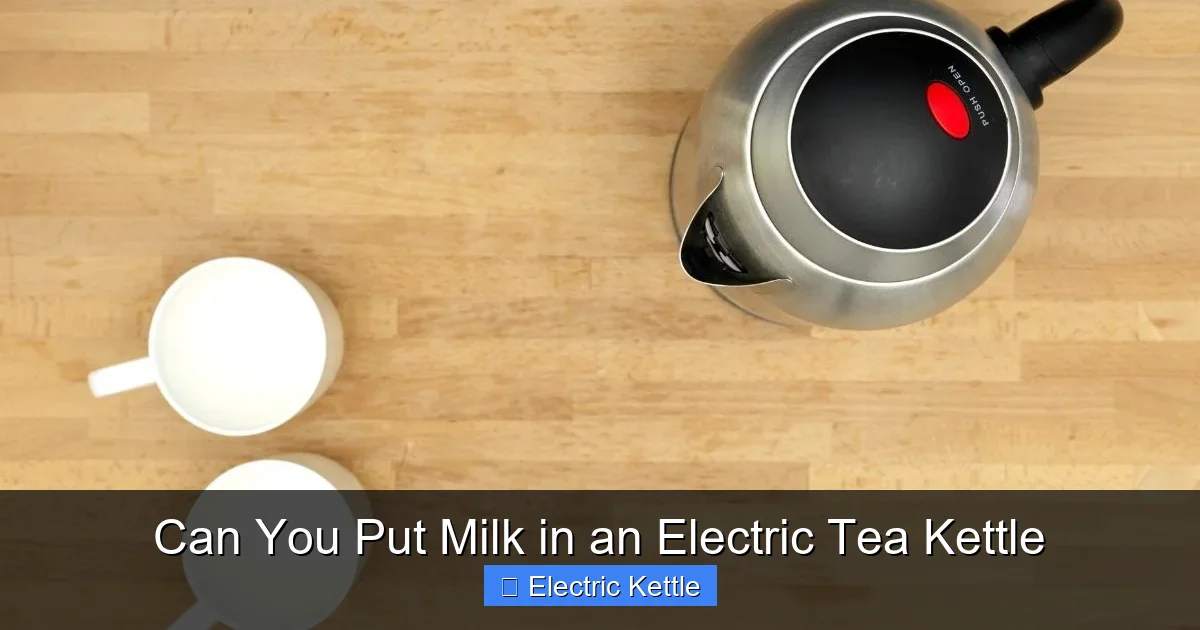
Visual guide about Can You Put Milk in an Electric Tea Kettle
Image source: dreamycup.com
Thermostat and Sensor Limitations
Electric kettles rely on thermostats and temperature sensors to detect when water reaches boiling point and automatically shut off. These sensors are calibrated for water’s consistent boiling behavior. Milk, on the other hand, can foam, bubble, and boil over before reaching the same temperature. The foam may trigger the sensor prematurely, causing the kettle to shut off before the milk is properly heated—or worse, the overflow can seep into electrical components, creating a fire hazard.
Material Compatibility Issues
Many kettles are made from stainless steel, glass, or BPA-free plastic. While these materials are safe for water, they aren’t always ideal for dairy. Milk residues can cling to stainless steel surfaces, especially if they’ve been scorched. Over time, this buildup can lead to corrosion or pitting, compromising the kettle’s integrity. Glass kettles may show visible staining, and plastic interiors can absorb odors that linger even after cleaning.
Design Flaws for Viscous Liquids
Electric kettles are designed with spouts, lids, and interiors optimized for pouring and boiling water. Milk’s viscosity means it doesn’t pour as cleanly and can leave behind drips and residue in hard-to-reach areas. The narrow openings and tight corners make thorough cleaning nearly impossible, increasing the risk of bacterial growth and cross-contamination between uses.
The Risks of Heating Milk in an Electric Kettle
Scorching and Residue Buildup
One of the most immediate risks is scorching. When milk heats unevenly, the proteins (like casein and whey) coagulate and stick to the heating element or kettle walls. This creates a brown, burnt layer that not only affects taste but also reduces heating efficiency. Over time, repeated use with milk can lead to a thick, crusty buildup that’s nearly impossible to remove without damaging the kettle.
Boiling Over and Electrical Hazards
Milk has a tendency to foam when heated—a phenomenon known as “milk boil-over.” This happens because proteins form a stable foam that traps steam, causing the liquid to rise rapidly. In an electric kettle, this foam can overflow through the spout or lid vent, dripping onto the base or electrical components. If water—or worse, milk—reaches the power cord or heating base, it can cause short circuits, sparks, or even electrical fires.
Persistent Odors and Flavor Transfer
Even if you manage to clean the kettle after heating milk, traces of dairy can remain in crevices, seals, or the heating element. These residues can emit a sour or burnt smell the next time you boil water, ruining the taste of your tea or coffee. Some users report a “milky” aftertaste in their brews for weeks after a single incident, making the kettle unusable for pure water-based drinks.
Warranty and Safety Concerns
Manufacturers are well aware of these risks. Most electric kettle warranties explicitly state that using liquids other than water (including milk, juice, or broth) voids the warranty. If your kettle malfunctions after heating milk, you’ll likely be denied service or replacement. Additionally, repeated misuse can degrade internal components, leading to premature failure or safety issues like overheating or electrical faults.
Health and Hygiene Risks
Milk is a breeding ground for bacteria when not stored or heated properly. If milk residues aren’t completely removed, they can spoil inside the kettle, creating a biofilm that’s difficult to detect. Reheating this contaminated residue can introduce harmful bacteria into your next drink, posing a health risk—especially for children, elderly individuals, or those with weakened immune systems.
What Happens If You Accidentally Put Milk in Your Kettle?
Immediate Signs of Trouble
If you’ve already poured milk into your electric kettle and turned it on, watch for warning signs. A burnt smell, excessive foaming, or smoke are clear indicators that the milk is scorching. If the kettle shuts off unexpectedly, it may be due to the foam triggering the sensor or the thermostat detecting abnormal heat patterns. In severe cases, you might hear sizzling or see liquid dripping from the base—stop use immediately and unplug the appliance.
Cleaning Attempts and Their Limits
Many people try to salvage the situation by soaking the kettle in vinegar or using baking soda scrubs. While these methods can remove surface stains, they often fail to reach deep into the heating element or internal crevices where milk residues hide. Even after a thorough cleaning, microscopic particles may remain, continuing to emit odors or affect taste. In some cases, the damage is irreversible, and the kettle must be replaced.
Long-Term Performance Issues
Even if the kettle appears to work after cleaning, internal damage may have occurred. The heating element could be coated with a thin layer of burnt milk, reducing its efficiency and increasing energy consumption. The thermostat might become less accurate, leading to under- or over-boiling in future uses. Over time, these issues can compound, shortening the kettle’s lifespan and increasing the risk of failure.
Real-Life Example: A Costly Mistake
Sarah, a college student, tried heating milk in her electric kettle to make hot chocolate. The milk boiled over, seeping into the base and causing a short circuit. The kettle stopped working entirely, and the repair cost was nearly as much as a new one. Her warranty was voided because the manual clearly stated that only water should be used. “I thought it would be fine just this once,” she said. “Now I’m stuck buying a new kettle and a separate milk frother.”
Safer Alternatives to Heating Milk
Use a Dedicated Milk Frother
The best alternative is a milk frother—either handheld, electric, or standalone. These devices are specifically designed to heat and froth milk without scorching. Electric frothers often have temperature controls and non-stick interiors, making them safe and easy to clean. They’re perfect for lattes, cappuccinos, and hot chocolate, and many can even froth cold milk for iced drinks.
Stovetop Method with a Saucepan
For a low-tech solution, use a small saucepan on the stove. Heat milk over medium-low heat, stirring constantly to prevent scorching. Use a thermometer to monitor the temperature—most milk should be heated to around 150°F (65°C) for drinking, not boiling. This method gives you full control and is ideal for larger quantities.
Microwave-Safe Container
If you’re in a hurry, a microwave-safe mug or glass container works well. Heat milk in 30-second intervals, stirring between each, until it reaches the desired temperature. Be cautious not to overheat, as milk can “erupt” suddenly when disturbed. This method is quick but requires attention to avoid boiling over.
Electric Milk Warmers and Baby Bottle Warmers
Some appliances, like electric bottle warmers, are designed to gently heat milk without direct contact with heating elements. These are especially useful for parents heating formula or breast milk, but they can also work for coffee drinks. They’re safe, consistent, and eliminate the risk of scorching.
Combination Kettle and Frother Units
A few high-end appliances combine a kettle with a built-in milk frother. These are rare and expensive, but they offer the convenience of one device for both water and milk. If you’re serious about your coffee routine, this could be a worthwhile investment—just ensure it’s specifically designed for dual use and follow the manufacturer’s instructions carefully.
Can Any Electric Kettles Handle Milk?
Specialty Kettles: A Rare Exception
A handful of electric kettles on the market claim to be suitable for heating milk. These models often feature advanced temperature controls, non-stick interiors, and separate compartments for dairy. However, they are significantly more expensive than standard kettles and still require careful use. Even then, manufacturers typically recommend limiting milk use to occasional frothing, not regular boiling.
Features to Look For
If you’re considering a kettle that can handle milk, look for features like:
- Precise temperature settings (e.g., 140°F for milk)
- Non-stick or ceramic-coated interiors
- Separate milk frothing attachments
- Automatic shut-off with foam detection
- Easy-drain spouts and removable lids for cleaning
Even with these features, regular maintenance is essential to prevent residue buildup.
The Verdict: Proceed with Caution
While specialty kettles exist, they’re not common, and most users don’t need them. For the average person, the risks far outweigh the convenience. Unless you’re a professional barista or frequently make milk-based drinks, it’s safer and more cost-effective to use separate appliances for water and milk.
How to Clean Your Kettle After a Milk Mishap
Immediate Action Steps
If you’ve accidentally heated milk, act quickly:
- Unplug the kettle immediately.
- Let it cool completely before handling.
- Empty any remaining liquid.
- Rinse the interior with warm water to remove loose residue.
Do not immerse the base or electrical components in water.
Deep Cleaning Methods
For stubborn stains:
- Vinegar soak: Fill the kettle with equal parts water and white vinegar. Boil (with water only, not vinegar), then let it sit for 30 minutes. Rinse thoroughly.
- Baking soda paste: Make a paste with baking soda and water. Gently scrub the interior with a soft sponge or brush. Avoid abrasive tools that can scratch surfaces.
- Lemon juice rinse: After vinegar, rinse with lemon juice and water to neutralize odors.
Repeat if necessary, but be aware that some damage may be permanent.
Preventing Future Issues
To avoid repeat accidents:
- Label your kettle “Water Only” with a sticker.
- Store milk frothers or saucepans nearby as visual reminders.
- Read the user manual and follow all guidelines.
- Consider using a separate kettle for travel or guest use.
Prevention is always easier than repair.
Conclusion
Putting milk in an electric tea kettle might seem like a clever shortcut, but it’s a risky move that can lead to scorching, odors, electrical hazards, and appliance damage. Electric kettles are precision tools designed for water, not dairy. The proteins, fats, and sugars in milk react poorly to high heat, creating problems that are difficult—and sometimes impossible—to fix.
Instead of risking your kettle, opt for safer, more effective alternatives like a milk frother, saucepan, or microwave. These methods give you better control, prevent damage, and ensure your drinks taste great every time. If you’re serious about milk-based beverages, consider investing in a dedicated appliance designed for the job.
Remember: convenience isn’t worth the cost of a ruined kettle or a potential safety hazard. By understanding the limitations of your electric kettle and using the right tools for the right tasks, you’ll enjoy better brews, longer-lasting appliances, and peace of mind in the kitchen.
Frequently Asked Questions
Can I put almond milk or oat milk in an electric kettle?
No, plant-based milks should also be avoided in electric kettles. Like dairy milk, they contain proteins and sugars that can scorch, foam, and leave residues. Use a frother or stovetop method instead.
What if I only heat milk for a few seconds?
Even brief heating can cause scorching or residue buildup. The risk isn’t worth it—use a safer method to avoid damaging your kettle or affecting future brews.
Will cleaning the kettle after milk use fix the problem?
Cleaning helps, but it may not remove all residues, especially near the heating element. Lingering odors or flavors can persist, and internal damage may already be done.
Can I use my kettle for tea after heating milk?
It’s not recommended. Even after cleaning, traces of milk can affect the taste and smell of your tea. For pure flavor, avoid using the kettle for anything but water.
Are there any electric kettles that officially support milk?
A few high-end models claim to handle milk, but they’re rare and expensive. Most manufacturers still advise against it, and warranties may be voided.
What’s the safest way to heat milk for a latte?
Use an electric milk frother or heat milk gently in a saucepan on the stove, stirring constantly. These methods prevent scorching and give you full control over temperature.