Putting milk in an electric kettle is not recommended. Milk can scorch, leave stubborn residue, and damage the heating element over time. While some kettles claim to be milk-safe, most manufacturers advise against it due to safety and maintenance concerns.
Key Takeaways
- Most electric kettles are not designed for milk: Milk contains proteins and fats that can burn and stick to the heating element, leading to unpleasant odors and potential damage.
- Cleaning milk residue is difficult: Dried milk forms a tough film that’s hard to remove and may require deep cleaning with vinegar or specialized solutions.
- Risk of overheating and boiling over: Milk heats unevenly and can foam up, causing spills that may damage the kettle’s electrical components.
- Some kettles have milk modes: A few modern models include temperature controls for milk, but these are exceptions, not the rule.
- Safer alternatives exist: Use a saucepan, microwave, or dedicated milk frother to heat milk safely and efficiently.
- Manufacturer guidelines matter: Always check your kettle’s user manual—many explicitly warn against using it for anything other than water.
- Regular maintenance prevents damage: Even if you occasionally use milk, thorough cleaning after each use is essential to extend your kettle’s lifespan.
📑 Table of Contents
Can You Put Milk in an Electric Kettle?
You’re making your morning coffee, and the thought hits: “Can I just heat the milk in my electric kettle to save time?” It’s a tempting idea—after all, kettles heat liquids fast, right? But before you pour that splash of milk into your trusty appliance, it’s important to understand the risks involved.
Most electric kettles are engineered specifically for water. They’re designed to boil H₂O quickly and efficiently, with heating elements optimized for clean, mineral-free liquid. Milk, however, is a complex mixture of water, fats, proteins, and sugars. When heated, these components behave very differently than water. Proteins can denature and stick to surfaces, fats can separate and burn, and sugars may caramelize—leading to a sticky, smelly mess that’s tough to clean.
While some newer kettles come with specialized settings for milk or baby formula, the majority are not built to handle dairy. Even if your kettle seems to work fine after one use, repeated exposure to milk can degrade its performance over time. So, while it might seem convenient, putting milk in an electric kettle is generally a risky move that could cost you more in repairs or replacements down the line.
Why Milk and Electric Kettles Don’t Mix
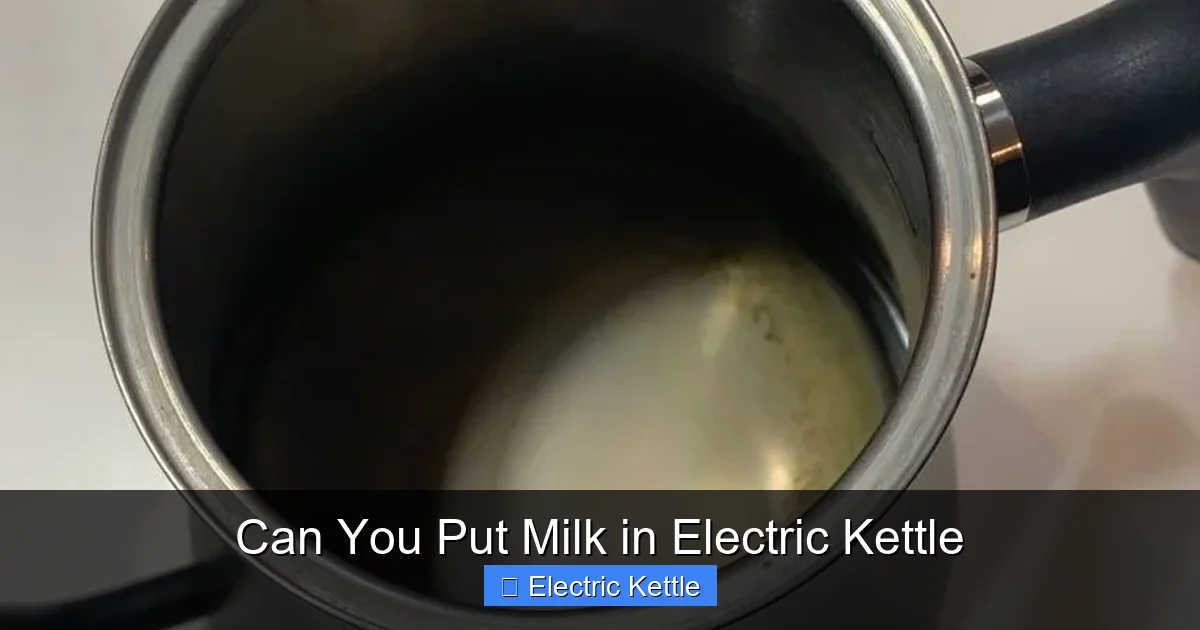
Visual guide about Can You Put Milk in Electric Kettle
Image source: natashaskitchentips.com
The Science Behind Milk Heating
Milk is not just water with a creamy texture—it’s a delicate emulsion of proteins (like casein and whey), fats, lactose (milk sugar), and minerals. When heated, these components react in ways that water simply doesn’t. For example, milk proteins begin to coagulate at around 160°F (71°C), forming a thin film on the surface. If the temperature rises too quickly or unevenly, this film can scorch onto the heating element or the kettle’s interior.
This scorching not only creates a burnt smell but also leaves behind a sticky residue that’s difficult to remove. Over time, this buildup can insulate the heating element, making it less efficient and potentially causing overheating. In extreme cases, it could even lead to electrical faults or fire hazards.
Boiling Over and Foaming Issues
Another major issue with heating milk in an electric kettle is its tendency to foam and boil over. Unlike water, which boils steadily, milk forms a layer of foam as it heats. This foam traps steam, causing the liquid to expand rapidly and spill out of the spout. Not only is this messy, but it can also damage the kettle’s internal wiring or control panel if hot milk seeps into electrical components.
Imagine this: you set your kettle to boil milk for your latte, walk away for a minute, and return to find milk bubbling over the counter, the kettle smoking, and the kitchen smelling like burnt dairy. That’s a common scenario when people ignore the warnings. Even if your kettle has an automatic shut-off, the sensor may not detect the foam as effectively as boiling water, delaying the shut-off and increasing the risk of overflow.
Impact on Kettle Performance and Longevity
Repeated use of milk in an electric kettle can significantly shorten its lifespan. The residue left behind after each use acts like a layer of insulation, reducing the efficiency of the heating element. This means your kettle will take longer to boil water, consume more electricity, and may eventually fail to heat at all.
Additionally, the acidic nature of milk (especially when spoiled or overheated) can corrode metal parts over time. Stainless steel interiors may develop pitting or discoloration, while plastic components can absorb odors and stains. Even if you clean the kettle thoroughly, microscopic particles can remain embedded in crevices, leading to persistent smells and tastes that transfer to your next cup of tea or coffee.
What Do Manufacturers Say?
User Manuals and Warranty Warnings
If you flip through the user manual of most electric kettles—brands like Breville, Cuisinart, Hamilton Beach, or Russell Hobbs—you’ll likely find a clear warning: “Do not use for anything other than water.” This isn’t just a suggestion; it’s a critical safety and maintenance guideline. Many manufacturers explicitly state that using the kettle for milk, juice, or other liquids voids the warranty.
For example, a popular model from Breville includes a note in its manual: “This appliance is designed for boiling water only. Do not use for heating milk, soups, or other liquids.” Similarly, Cuisinart warns that “using the kettle for non-water liquids may cause damage and is not covered under warranty.”
These warnings exist for good reason. Manufacturers test their kettles under strict conditions using only water. Introducing milk changes the thermal dynamics, electrical load, and cleaning requirements—factors that aren’t accounted for in standard designs.
Exceptions: Kettles with Milk Modes
That said, there are a few exceptions. Some high-end electric kettles now come with specialized settings for heating milk or preparing baby formula. These models often feature:
– Precise temperature control (e.g., 140°F for milk, 104°F for formula)
– Gentle heating elements that prevent scorching
– Non-stick interiors or removable heating plates for easier cleaning
– Automatic shut-off with foam detection
For instance, the Smeg Variable Temperature Kettle and the Fellow Stagg EKG+ offer milk-friendly presets. These kettles are designed to heat milk slowly and evenly, minimizing the risk of burning or overflow. However, even with these features, manufacturers usually recommend cleaning the kettle immediately after use to prevent residue buildup.
If you frequently heat milk and want the convenience of an electric kettle, investing in one of these specialized models might be worth it. But for most users, a standard kettle simply isn’t the right tool for the job.
Cleaning Challenges After Using Milk
Why Milk Leaves Stubborn Residue
One of the biggest downsides of putting milk in an electric kettle is the cleaning hassle. Milk residue dries into a tough, yellowish film that clings to the heating element and interior walls. This film isn’t just unsightly—it can harbor bacteria, cause odors, and affect the taste of future brews.
Unlike mineral scale from hard water, which can be dissolved with vinegar, milk residue requires more aggressive cleaning. The proteins and fats bind tightly to surfaces, and if left untreated, they can become nearly impossible to remove.
Effective Cleaning Methods
If you’ve already used your kettle for milk, don’t panic—there are ways to clean it, though it will take effort.
Vinegar and Water Solution: Fill the kettle halfway with equal parts white vinegar and water. Let it sit for 30–60 minutes, then boil the solution. Allow it to cool, then scrub the interior with a soft brush or sponge. Rinse thoroughly.
Baking Soda Paste: For stubborn stains, make a paste with baking soda and water. Apply it to the affected areas and let it sit for 15–20 minutes before scrubbing. This works well for removing discoloration and odors.
Commercial Descalers: Some products, like Durgol or Urnex, are designed to remove organic residues. Follow the instructions carefully, as these can be harsh on certain materials.
Manual Scrubbing: Use a non-abrasive brush or a bottle brush to reach tight spots around the heating element. Avoid metal scrubbers, which can scratch stainless steel.
After cleaning, run the kettle with fresh water 2–3 times to ensure no cleaning agents remain.
Prevention Is Better Than Cure
The best way to avoid cleaning headaches is to never put milk in your kettle in the first place. If you accidentally do, clean it immediately—don’t let the milk dry. The longer it sits, the harder it becomes to remove.
Also, consider using a dedicated milk frother or a small saucepan for heating milk. These tools are designed for the task and are much easier to clean.
Safer Alternatives to Heating Milk
Using a Saucepan on the Stovetop
The most traditional and reliable method for heating milk is using a small saucepan. Simply pour the milk into the pan, heat it over medium-low heat, and stir frequently to prevent scorching. This method gives you full control over the temperature and allows you to monitor the milk closely.
For frothy drinks like lattes or hot chocolate, you can whisk the milk as it heats to create a creamy texture. Once it reaches your desired temperature (usually around 150°F), remove it from the heat immediately to avoid boiling.
Microwave Heating
If you’re in a hurry, the microwave is a quick alternative. Pour milk into a microwave-safe container, heat in 15–30 second intervals, and stir between each round. This prevents hot spots and reduces the risk of boiling over.
Be cautious not to overheat—milk can superheat in the microwave, meaning it appears calm but erupts violently when disturbed. Always use a container with plenty of headspace and avoid sealing it tightly.
Electric Milk Frothers and Steam Wands
For coffee enthusiasts, an electric milk frother is a game-changer. These devices heat and froth milk simultaneously, creating the perfect texture for cappuccinos and lattes. Models like the Breville Milk Cafe or the Nespresso Aeroccino are popular choices.
If you have an espresso machine with a steam wand, you can also use it to heat and froth milk. This method requires some practice but delivers professional-quality results.
Thermos or Insulated Pitcher Method
For a no-heat option, you can warm milk by pouring boiling water into a thermos, letting it sit for a minute, then dumping the water and adding cold milk. The residual heat will gently warm the milk without direct heating. This works best for small quantities and isn’t ideal for frothing.
When Might It Be Acceptable?
Occasional Use with Immediate Cleaning
In rare cases, you might get away with heating a small amount of milk in your electric kettle—especially if it’s a high-quality model with a flat heating element and easy-to-clean interior. However, this should be an exception, not a habit.
If you do it, follow these rules:
– Use only fresh, cold milk
– Don’t let it boil—heat just until warm (around 140–150°F)
– Clean the kettle immediately after use
– Run a vinegar rinse cycle within 24 hours
Even then, there’s no guarantee your kettle won’t be damaged over time.
Kettles with Removable Elements or Non-Stick Coatings
Some kettles feature removable heating elements or non-stick interiors, making them slightly more forgiving. If your kettle has these features, you may have a better chance of cleaning milk residue effectively. Still, it’s not a green light—proceed with caution.
Final Thoughts: Is It Worth the Risk?
At the end of the day, the convenience of heating milk in an electric kettle doesn’t outweigh the potential downsides. The risk of damage, the hassle of cleaning, and the possibility of voiding your warranty make it a poor choice for most users.
Electric kettles are fantastic tools—when used as intended. They’re fast, energy-efficient, and perfect for boiling water for tea, coffee, instant noodles, or oatmeal. But milk? That’s a job for other appliances.
If you’re someone who enjoys milk-based drinks daily, consider investing in a dedicated milk frother or a kettle with milk-specific settings. Your taste buds—and your kettle—will thank you.
Remember: just because you *can* do something doesn’t mean you *should*. Save your electric kettle for water, and use the right tool for the job when it comes to milk.
Frequently Asked Questions
Can I put milk in my electric kettle if I clean it right away?
While immediate cleaning reduces the risk, it doesn’t eliminate it. Milk can still scorch or leave residue, especially on the heating element. It’s safer to avoid using your kettle for milk altogether.
Will using milk in my kettle void the warranty?
Yes, in most cases. Many manufacturers explicitly state that using the kettle for anything other than water voids the warranty. Check your user manual for specific terms.
Are there any electric kettles designed for milk?
Yes, some high-end models like the Fellow Stagg EKG+ or Smeg Variable Temperature Kettle have milk presets and gentle heating. These are exceptions, not the norm.
What happens if milk boils over in my kettle?
Boiling over can damage electrical components, cause short circuits, or create fire hazards. It can also leave sticky residue that’s hard to clean and may affect future use.
Can I use my kettle for almond or oat milk?
Plant-based milks also contain proteins and fats that can burn and leave residue. The same risks apply—avoid using your electric kettle for any non-water liquid.
How do I remove burnt milk smell from my kettle?
Try boiling a solution of water and white vinegar, then rinse thoroughly. For persistent odors, use a baking soda paste or a commercial descaler designed for organic residues.