Putting tea bags directly into an electric kettle is not recommended and can damage your appliance or affect taste. While it may seem convenient, most manufacturers advise against it due to residue buildup, clogged filters, and potential safety issues. Instead, use proper steeping methods for better flavor and longer kettle life.
Key Takeaways
- Tea bags should not go directly into an electric kettle: Most electric kettles are designed to heat water only, not steep tea. Adding tea bags can lead to staining, clogging, and reduced performance.
- Residue and staining are common problems: Tea leaves and dyes from tea bags can leave stubborn stains and buildup inside the kettle, especially on stainless steel or glass surfaces.
- Filters and heating elements can get clogged: Loose tea particles may block the spout or internal filter, reducing water flow and efficiency over time.
- Some modern kettles support tea brewing: A few advanced models come with built-in infusers or tea-brewing modes, making them safe for tea bags when used correctly.
- Proper steeping methods yield better flavor: Using a teapot, infuser, or mug with a tea bag after boiling water preserves taste and protects your kettle.
- Cleaning is harder with tea residue: Regular descaling won’t remove tea stains, requiring extra effort and specialized cleaners to maintain your kettle.
- Manufacturer guidelines vary: Always check your kettle’s user manual—some brands explicitly prohibit adding tea bags, while others offer compatible accessories.
📑 Table of Contents
- Can You Put Tea Bags in an Electric Kettle? The Truth Explained
- Why Most Electric Kettles Aren’t Designed for Tea Bags
- The Hidden Dangers of Putting Tea Bags in Your Kettle
- When Is It Safe to Use Tea Bags in an Electric Kettle?
- Better Alternatives: How to Brew Tea Without Risking Your Kettle
- Cleaning and Maintenance: Protecting Your Kettle from Tea Residue
- Final Thoughts: Convenience vs. Care
Can You Put Tea Bags in an Electric Kettle? The Truth Explained
If you’re a tea lover with an electric kettle, you’ve probably wondered: *Can I just drop a tea bag in and let the kettle do the work?* It sounds like a time-saving hack—boil water and steep tea in one go. But before you toss that Earl Grey into your kettle, it’s important to understand the risks and realities.
Electric kettles are engineered for one primary purpose: heating water quickly and efficiently. They’re not designed to function as teapots or infusers. While some newer models come with built-in tea infusers or specialized brewing modes, the majority of standard electric kettles should only contain water. Adding tea bags directly into the kettle can lead to a range of problems, from minor staining to serious damage.
In this guide, we’ll explore why putting tea bags in an electric kettle is generally a bad idea, what the exceptions are, and how you can enjoy a perfect cup of tea without compromising your appliance. Whether you’re using a basic stainless steel kettle or a high-tech smart model, this information will help you brew smarter and protect your investment.
Why Most Electric Kettles Aren’t Designed for Tea Bags
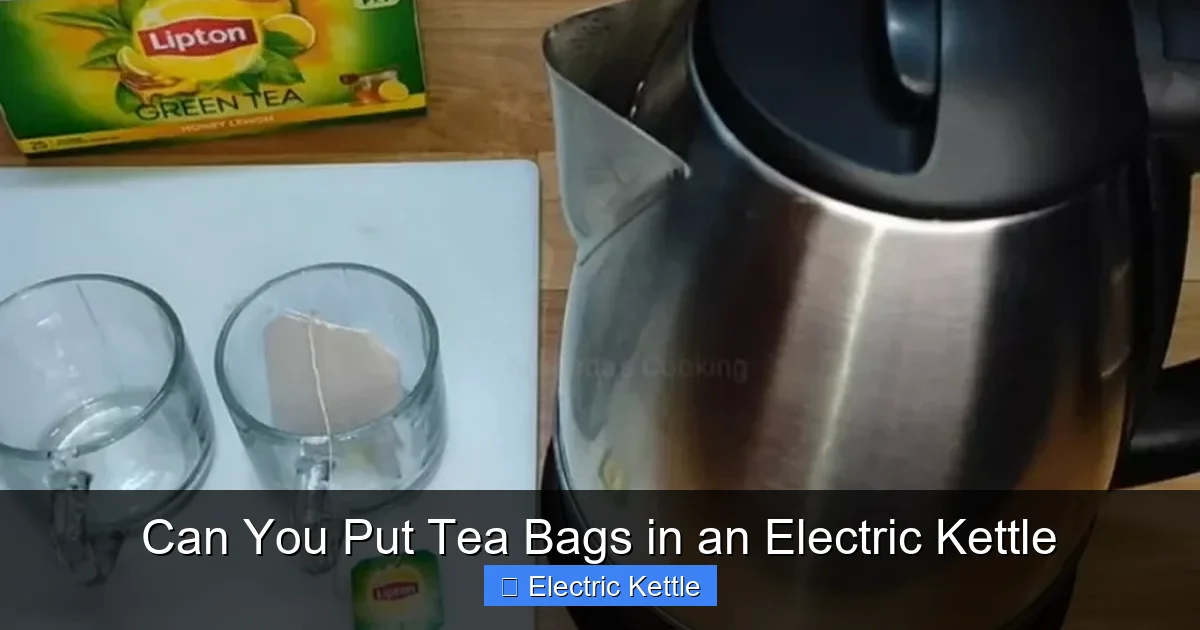
Visual guide about Can You Put Tea Bags in an Electric Kettle
Image source: irrorwxhiqijjr5q.ldycdn.com
Built for Water, Not Steeping
Electric kettles are precision appliances. Their heating elements, thermostats, and auto-shutoff features are calibrated to detect when water reaches boiling point. They don’t have the mechanisms needed to monitor tea strength, steeping time, or leaf expansion. When you add a tea bag, you’re introducing organic material into a system that wasn’t built to handle it.
Unlike a teapot, which allows tea leaves to float freely and release flavor gradually, an electric kettle confines the tea bag in a small, rapidly heating space. This can lead to over-extraction, bitterness, and uneven flavor. Green or white teas, which require lower temperatures, are especially vulnerable to scalding in a kettle that boils at 212°F (100°C).
Risk of Residue and Staining
Tea contains tannins and natural dyes that can leave behind stubborn stains. Over time, these residues build up on the interior surfaces of your kettle—especially if it’s made of glass, stainless steel, or plastic. You might notice a yellowish or brownish film that’s difficult to remove, even with regular cleaning.
This staining isn’t just cosmetic. It can affect the taste of your water and future brews. Imagine sipping coffee made with water that still carries the ghost of yesterday’s chamomile—no thanks! Plus, stained kettles look unkempt and can reduce the resale value if you ever decide to upgrade.
Clogging the Filter and Spout
Many electric kettles have a mesh filter near the spout to catch mineral deposits and prevent limescale from entering your cup. When you add a tea bag, loose tea leaves can escape through the bag’s pores and clog this filter. This restricts water flow, causes sputtering, and may even trigger the kettle’s safety sensors to shut off prematurely.
In severe cases, tea particles can accumulate around the heating element, insulating it and reducing heating efficiency. This not only slows down your boil time but can also shorten the lifespan of the kettle. Replacing a heating element is costly and often not worth the repair compared to buying a new kettle.
The Hidden Dangers of Putting Tea Bags in Your Kettle
Damage to the Heating Element
The heating element in an electric kettle is typically located at the base, submerged in water. When tea bags are added, tea particles can settle on or around this element. As the water heats, these particles can bake onto the surface, creating a crust that insulates the element.
This insulation prevents efficient heat transfer, forcing the element to work harder and longer to reach the desired temperature. Over time, this extra strain can lead to overheating, premature failure, or even electrical issues. In extreme cases, it could pose a fire hazard—though rare, it’s not worth the risk.
Impact on Auto-Shutoff and Temperature Control
Modern electric kettles often feature temperature control settings for different types of tea—green, white, oolong, etc. These settings rely on precise sensors to detect water temperature and shut off at the right moment. When tea bags are present, the sensors may misread the water temperature due to changes in density, steam patterns, or residue buildup.
For example, a kettle set to 175°F for green tea might actually boil because the sensor is confused by tea particles or steam trapped under the bag. This defeats the purpose of temperature control and can ruin delicate teas.
Voiding the Warranty
Many manufacturers explicitly state in their user manuals that adding tea bags, coffee grounds, or other substances voids the warranty. If your kettle malfunctions after you’ve used it to steep tea, the company may refuse to cover repairs or replacements—even if the issue seems unrelated.
For instance, a customer once reported their kettle stopped heating after months of using tea bags. The manufacturer denied the warranty claim, citing “misuse of the appliance” due to tea residue found inside. It’s a frustrating situation that could have been avoided with proper use.
When Is It Safe to Use Tea Bags in an Electric Kettle?
Kettles with Built-In Infusers
Not all electric kettles are created equal. Some premium models—like the Breville BKE820XL or the Cuisinart CPK-17—come with removable infusers or tea-brewing modes. These kettles are specifically designed to handle tea bags or loose leaves safely.
In these models, the infuser sits above the heating element and is removed after steeping. This prevents tea particles from contacting the heating coil and allows for precise temperature control. If your kettle has this feature, you can use tea bags—but always follow the manufacturer’s instructions.
Using a Tea Infuser Basket
Even if your kettle doesn’t have a built-in infuser, you can purchase a separate stainless steel infuser basket that fits inside. These baskets hold the tea bag or loose leaves and can be lifted out once steeping is complete. They’re affordable, easy to clean, and protect your kettle from residue.
Just make sure the infuser doesn’t touch the heating element. Some models come with a silicone sleeve or stand to keep the infuser elevated. This simple accessory can extend your kettle’s life and improve your tea experience.
Manufacturer Guidelines Matter
Always check your kettle’s user manual before experimenting. Some brands, like Russell Hobbs or Hamilton Beach, may allow tea bags under certain conditions—such as using only one bag at a time or avoiding herbal teas with large particles. Others, like OXO or KitchenAid, may prohibit it entirely.
When in doubt, contact customer support. A quick email or phone call can save you from costly mistakes. Remember: convenience isn’t worth damaging a $50–$100 appliance.
Better Alternatives: How to Brew Tea Without Risking Your Kettle
Use a Teapot or Mug
The simplest and safest method is to boil water in your electric kettle and pour it over a tea bag in a teapot or mug. This gives you full control over steeping time and temperature. For green tea, let the water cool for a minute before pouring to avoid bitterness.
Teapots with built-in strainers are ideal for loose-leaf tea, while mugs with infusers work well for single servings. This method also allows you to reuse tea bags if you enjoy strong brews—just steep a second time for a lighter cup.
Try a Tea Kettle with a Whistle (Stovetop)
If you’re open to alternatives, a stovetop tea kettle with a whistle can be a great companion to your electric model. These kettles are designed for steeping and often come with infusers. They’re especially useful for large gatherings or when you want to brew multiple cups at once.
Plus, they add a nostalgic charm to your kitchen. Just remember to monitor the stove—unlike electric kettles, they don’t auto-shutoff.
Invest in a Smart Tea Maker
For the ultimate tea experience, consider a dedicated tea maker like the Breville Tea Maker or the Tefal Infiny Temp. These appliances combine precise temperature control, timed steeping, and built-in infusers—all in one device.
They’re more expensive than a standard kettle, but if you’re a serious tea drinker, they’re worth the investment. You’ll get consistent, restaurant-quality tea every time—without risking your electric kettle.
Cleaning and Maintenance: Protecting Your Kettle from Tea Residue
Regular Descaling
Even if you never put tea bags in your kettle, mineral buildup from hard water can affect performance. Descaling once a month with vinegar or a commercial descaler keeps your kettle running smoothly.
To descale, fill the kettle halfway with equal parts water and white vinegar. Boil, let sit for 30 minutes, then rinse thoroughly. Follow up with a few rounds of clean water boils to remove any vinegar taste.
Removing Tea Stains
If you’ve already used tea bags and notice staining, act quickly. Mix baking soda and water into a paste and scrub the interior with a soft sponge. For glass kettles, a lemon slice boiled in water can help lift stains.
Avoid abrasive scrubbers or steel wool, which can scratch surfaces and trap bacteria. For persistent stains, try a specialized kettle cleaner like Urnex or Durgol.
Preventing Future Buildup
To avoid tea residue altogether, never leave tea bags in the kettle after boiling. If you accidentally do, rinse it immediately. Consider using filtered water to reduce mineral and tannin content.
Also, wipe the interior dry after each use. Moisture encourages bacterial growth and accelerates staining.
Final Thoughts: Convenience vs. Care
At the end of the day, the question “Can you put tea bags in an electric kettle?” comes down to a trade-off: short-term convenience versus long-term care. While it might save you 30 seconds, the risks—staining, clogging, damage, and voided warranties—far outweigh the benefit.
Your electric kettle is a valuable kitchen tool. Treat it well, and it will serve you for years. Use it for what it’s designed for: heating water. Then, transfer that water to a proper tea vessel for steeping.
By following best practices and using the right accessories, you can enjoy a perfect cup of tea without compromising your appliance. Whether you’re sipping chamomile before bed or brewing a strong English breakfast, do it the right way—your kettle (and your taste buds) will thank you.
Frequently Asked Questions
Can I put a tea bag in my electric kettle if I remove it right after boiling?
It’s still not recommended. Even brief exposure can leave residue and stain the interior. Plus, the tea may over-steep or become bitter due to rapid heating. It’s safer to boil water first, then steep in a mug or teapot.
What happens if I accidentally put a tea bag in my electric kettle?
Don’t panic. Remove the bag immediately and rinse the kettle thoroughly. Check for staining or clogging. If everything looks clean, run a few cycles of plain water to flush out any residue. Monitor performance in future uses.
Are there any electric kettles that allow tea bags?
Yes, some high-end models like the Breville BKE820XL or Cuisinart CPK-17 have built-in infusers or tea-brewing modes. These are designed to safely handle tea bags—but always follow the manufacturer’s instructions.
Can tea bags damage the heating element?
Yes. Tea particles can bake onto the heating element, insulating it and reducing efficiency. Over time, this can cause overheating, longer boil times, or even failure. It’s best to keep the element free of debris.
Will using tea bags void my kettle’s warranty?
Possibly. Many manufacturers state that adding tea bags or other substances voids the warranty. If your kettle malfunctions and tea residue is found, the company may deny coverage. Always check your manual.
What’s the best way to brew tea with an electric kettle?
Boil water in the kettle, then pour it over a tea bag in a mug, teapot, or infuser. This method protects your kettle, preserves flavor, and gives you control over steeping time and temperature.