Yes, you can put tea in an electric kettle—but it depends on the type of kettle and tea. While some models allow direct steeping, others are designed only for boiling water. Using the right method ensures great flavor and protects your appliance.
Key Takeaways
- Most electric kettles are made for boiling water, not steeping tea: Adding tea leaves or bags directly can cause residue buildup and damage.
- Some modern kettles have built-in infusers: These allow safe tea brewing without clogging the heating element.
- Loose-leaf tea requires a filter or infuser: Without one, leaves can clog vents and affect performance.
- Tea bags are safer than loose leaves: They’re less likely to cause residue, but still best used with a strainer if possible.
- Cleaning is crucial after tea use: Regular descaling and wiping prevent stains and odors.
- Temperature control matters: Not all teas need boiling water—using the right temp improves taste and safety.
- Check your kettle’s manual: Manufacturer guidelines are the best source for usage rules.
📑 Table of Contents
- Can You Put Tea in an Electric Kettle? The Short Answer
- How Electric Kettles Work—And Why It Matters for Tea
- The Risks of Putting Tea Directly in Your Kettle
- Safe Ways to Brew Tea in an Electric Kettle
- Best Practices for Different Types of Tea
- Cleaning and Maintenance Tips
- Conclusion: Smart Tea Brewing with Your Electric Kettle
Can You Put Tea in an Electric Kettle? The Short Answer
If you’ve ever stood in your kitchen, tea bag in hand, wondering whether it’s okay to drop it straight into your electric kettle, you’re not alone. It’s a common question—especially for people who value convenience and speed. After all, electric kettles heat water faster than stovetop pots, so why not skip the extra step of pouring hot water over your tea?
The short answer is: yes, you can put tea in an electric kettle—but with important caveats. While some kettles are designed to handle tea directly, many are built solely for boiling water. Putting tea leaves or bags inside a standard electric kettle can lead to staining, residue buildup, clogged filters, and even damage over time. However, with the right kettle and proper technique, brewing tea directly can be both safe and delicious.
In this guide, we’ll explore the ins and outs of using your electric kettle for tea. Whether you’re a fan of black tea, green tea, herbal blends, or loose-leaf varieties, we’ll help you understand what works, what doesn’t, and how to get the best flavor without harming your appliance.
How Electric Kettles Work—And Why It Matters for Tea
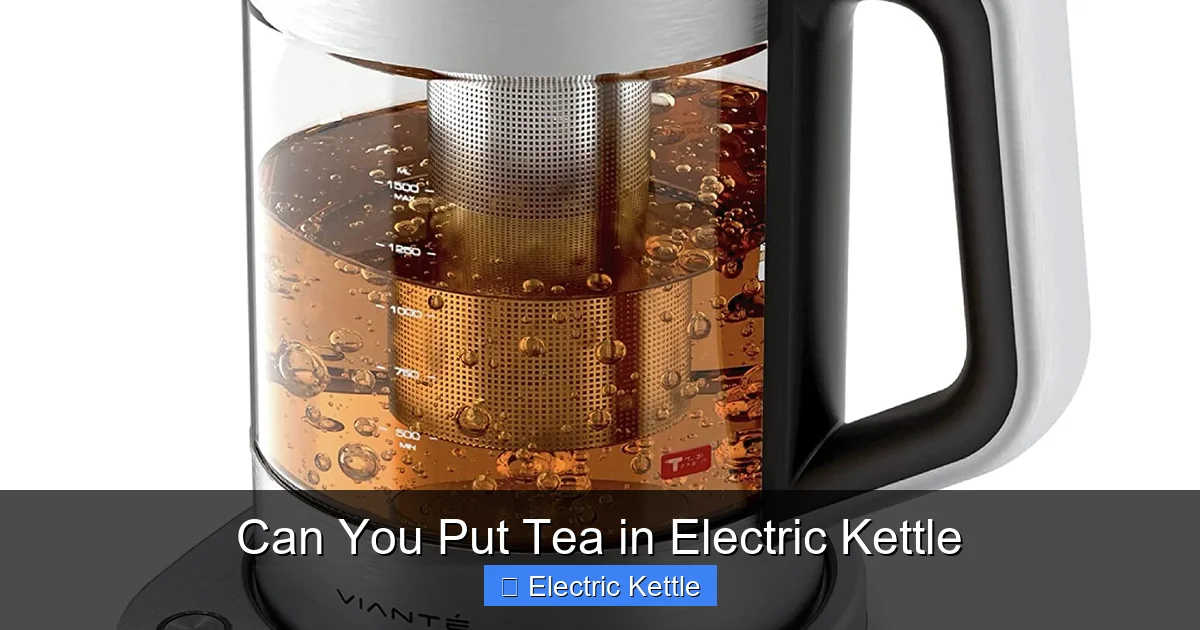
Visual guide about Can You Put Tea in Electric Kettle
Image source: m.media-amazon.com
Before deciding whether to brew tea in your electric kettle, it helps to understand how these appliances function. Most electric kettles operate by using a heating element—usually located at the base—to rapidly heat water to boiling point. Once the water reaches the set temperature (often 212°F or 100°C), the kettle automatically shuts off. This process is fast, efficient, and ideal for making coffee, instant soups, or hot water for tea.
But here’s the catch: electric kettles are primarily designed to heat water, not to steep tea. Unlike a teapot or French press, they don’t have built-in mechanisms to contain tea leaves or bags during brewing. When you drop a tea bag or loose leaves directly into the kettle, several things can go wrong:
– Tea residue can stick to the heating element, reducing efficiency.
– Loose leaves may clog the spout or internal vents.
– Stains from tannins can discolor the interior, especially in plastic or stainless steel models.
– Over time, buildup can affect the taste of future brews and even trigger malfunctions.
That said, newer models—especially those marketed as “tea kettles” or “smart kettles”—often include features like removable infusers, temperature controls, and non-stick interiors that make tea brewing safer and more effective.
Types of Electric Kettles: Which Are Tea-Friendly?
Not all electric kettles are created equal when it comes to tea. Here’s a quick breakdown of common types and their suitability for brewing:
Standard Electric Kettles: These are the most common and typically lack tea-specific features. They’re great for boiling water but not ideal for steeping tea directly. Use them to heat water, then pour over your tea in a separate cup or teapot.
Kettles with Built-In Infusers: Some models come with a removable mesh infuser basket that sits inside the kettle. You add loose-leaf tea to the infuser, fill the kettle with water, and let it steep. This design keeps leaves contained and makes cleanup easier.
Temperature-Controlled Kettles: These allow you to set precise temperatures (e.g., 160°F for green tea, 200°F for black tea). They’re excellent for tea lovers who want optimal flavor without over-extraction. Many also include timers and keep-warm functions.
Glass Kettles: Transparent and stylish, glass kettles let you watch the water heat. However, they can stain easily from tea residue and may require more frequent cleaning. Some include infusers, but not all.
Plastic Kettles: Lightweight and affordable, but prone to absorbing odors and stains from tea. Avoid brewing tea directly unless the model specifically allows it.
If you’re serious about brewing tea in your kettle, look for models with infusers, temperature control, and easy-clean interiors. Brands like Breville, Cuisinart, and Fellow offer excellent tea-friendly options.
The Risks of Putting Tea Directly in Your Kettle
While it might seem convenient to toss a tea bag into your electric kettle and let it do the work, doing so regularly can lead to several problems. Understanding these risks will help you make smarter choices and extend the life of your appliance.
Residue and Staining
Tea—especially black and herbal varieties—contains tannins and natural oils that can leave behind stubborn stains. Over time, these residues build up on the interior walls, heating element, and spout. In plastic kettles, the stains can also trap odors, affecting the taste of future brews. Even stainless steel models aren’t immune; mineral deposits combined with tea residue can create a dull, discolored layer.
Clogging and Performance Issues
Loose-leaf tea is particularly problematic. Tiny particles can slip through mesh filters or get stuck in the kettle’s vents and spout. This not only affects water flow but can also interfere with the kettle’s automatic shut-off mechanism. In severe cases, clogging may cause the kettle to overheat or fail to turn off, posing a safety risk.
Damage to the Heating Element
The heating element is the heart of your electric kettle. When tea residue coats this component, it insulates the metal, making it harder to heat water efficiently. This can lead to longer boiling times, increased energy use, and eventual burnout. In extreme cases, the element may short-circuit or require replacement.
Altered Taste and Odor
Even if your kettle still works, residual tea can affect the flavor of other beverages. Imagine making coffee only to taste hints of chamomile or Earl Grey. Plastic kettles are especially prone to absorbing odors, but even metal ones can retain subtle flavors if not cleaned properly.
Voided Warranties
Many manufacturers explicitly state in their user manuals that brewing tea directly in the kettle voids the warranty. If your appliance breaks down and they discover tea residue, you may be denied service or replacement. Always check the guidelines before experimenting.
Safe Ways to Brew Tea in an Electric Kettle
Just because there are risks doesn’t mean you can’t enjoy tea made in your electric kettle. With the right approach, you can brew safely and effectively—without damaging your appliance or compromising flavor.
Use a Tea Infuser or Strainer
The simplest solution is to use a removable infuser basket or a fine-mesh tea strainer. Place your loose-leaf tea inside the infuser, lower it into the kettle, and fill with water. This keeps leaves contained and makes cleanup a breeze. Many kettles come with infusers, but you can also buy standalone ones that fit most models.
For tea bags, consider using a small infuser or even a reusable tea bag designed for kettles. This prevents the bag from touching the heating element and reduces residue.
Choose the Right Temperature
Not all teas need boiling water. In fact, using water that’s too hot can scorch delicate leaves and create a bitter taste. Here’s a quick guide:
– Green tea: 160–180°F (70–82°C)
– White tea: 175–185°F (80–85°C)
– Oolong tea: 185–205°F (85–96°C)
– Black tea: 200–212°F (93–100°C)
– Herbal tea: 212°F (100°C)
If your kettle has temperature control, use it. If not, let boiling water cool for 30–60 seconds before pouring over green or white tea.
Brew in Short Sessions
Avoid leaving tea to steep in the kettle for long periods. Most electric kettles aren’t designed for prolonged brewing. Instead, heat the water, add your tea, and steep for the recommended time (usually 2–5 minutes). Then, remove the tea and pour immediately. This prevents over-extraction and reduces residue buildup.
Clean Immediately After Use
The moment you’re done brewing, rinse the kettle with warm water. Remove any tea leaves or bags, and wipe the interior with a soft cloth. For stubborn stains, use a mixture of vinegar and water (1:1 ratio) and let it sit for 15–20 minutes before rinsing. Avoid abrasive scrubbers, which can scratch surfaces.
Use Filtered Water
Hard water can combine with tea residue to create scale and stains. Using filtered or distilled water reduces mineral buildup and keeps your kettle cleaner longer.
Best Practices for Different Types of Tea
Different teas have different needs. Here’s how to handle popular varieties in your electric kettle:
Black Tea
Black tea is robust and can handle boiling water. If your kettle doesn’t have temperature control, it’s safe to brew directly—just use a tea bag or infuser. Steep for 3–5 minutes. Avoid over-steeping, as it can make the tea bitter.
Green Tea
Green tea is delicate. Boiling water can destroy its subtle flavors and release excessive tannins. If your kettle boils to 212°F, let the water cool for 1–2 minutes before adding green tea. Use an infuser and steep for 2–3 minutes.
Herbal Tea
Herbal teas (like chamomile, peppermint, or rooibos) often require full boiling water. They’re also less likely to stain, making them safer for direct brewing. Still, use an infuser if possible, and steep for 5–7 minutes.
Loose-Leaf Tea
Loose-leaf tea offers the best flavor but requires extra care. Always use a fine-mesh infuser or strainer. Avoid overfilling, as leaves need room to expand. Rinse the infuser immediately after use to prevent clogging.
Tea Bags
Tea bags are the most convenient option. While they’re less likely to clog your kettle than loose leaves, they can still leave residue. For best results, use a small infuser or remove the bag as soon as brewing is complete.
Cleaning and Maintenance Tips
Keeping your electric kettle clean is essential—especially if you use it for tea. Regular maintenance prevents stains, odors, and performance issues.
Daily Cleaning
After each use, rinse the interior with warm water. Wipe the exterior with a damp cloth. Remove and rinse the infuser or filter if your kettle has one.
Weekly Deep Clean
Once a week, descale your kettle using a vinegar solution. Fill the kettle halfway with equal parts white vinegar and water. Let it sit for 30 minutes, then boil the mixture. Turn off the kettle, let it cool, and rinse thoroughly. Repeat if necessary.
Monthly Inspection
Check the heating element, spout, and vents for buildup. Use a toothbrush to gently scrub hard-to-reach areas. Ensure the automatic shut-off function works correctly.
Avoid Harsh Chemicals
Never use bleach, ammonia, or abrasive cleaners. These can damage the interior and leave toxic residues. Stick to natural cleaners like vinegar, baking soda, or citric acid.
Conclusion: Smart Tea Brewing with Your Electric Kettle
So, can you put tea in an electric kettle? The answer is a cautious yes—with the right precautions. While most kettles aren’t designed for direct tea brewing, using infusers, temperature control, and proper cleaning can make it safe and enjoyable.
The key is to know your kettle’s capabilities and respect its limits. If your model lacks an infuser or temperature settings, it’s best to use it for heating water only. But if you’ve invested in a tea-friendly kettle, take advantage of its features to brew the perfect cup every time.
Remember: convenience shouldn’t come at the cost of appliance longevity or flavor quality. By following these tips, you can enjoy fast, flavorful tea without compromising your electric kettle’s performance. Whether you’re sipping green tea in the morning or winding down with herbal blends at night, your kettle can be a reliable partner—as long as you treat it right.
Frequently Asked Questions
Can I put a tea bag directly in my electric kettle?
It’s not recommended for most kettles. Tea bags can leave residue and may touch the heating element, causing stains or damage. Use a small infuser or remove the bag immediately after brewing.
Is it safe to brew loose-leaf tea in an electric kettle?
Only if your kettle has a built-in infuser or you use a separate strainer. Loose leaves can clog the spout and damage the heating element if not contained.
Will brewing tea in my kettle void the warranty?
Possibly. Many manufacturers prohibit direct tea brewing in their manuals. Check your warranty terms before using your kettle for anything other than water.
How do I clean tea stains from my electric kettle?
Use a mixture of equal parts white vinegar and water. Let it sit for 15–20 minutes, then boil and rinse thoroughly. Repeat if stains persist.
Can I use my electric kettle for herbal tea?
Yes, herbal teas often require boiling water and are less likely to stain. Still, use an infuser if possible and clean the kettle afterward.
What’s the best temperature for green tea in an electric kettle?
Green tea brews best at 160–180°F (70–82°C). If your kettle boils to 212°F, let the water cool for 1–2 minutes before adding the tea.