Putting tea leaves directly into an electric kettle is not recommended and can damage your appliance, affect taste, and void warranties. While some modern kettles have built-in infusers, most are designed only to heat water—not brew tea. Discover safe alternatives and tips for perfect tea without risking your kettle’s lifespan.
Key Takeaways
- Most electric kettles are not designed for tea leaves: They lack proper filtration and can get clogged or damaged by loose leaves.
- Residue buildup affects performance: Tea oils and particles can accumulate, leading to unpleasant odors, reduced heating efficiency, and shorter lifespan.
- Warranty concerns: Using tea leaves in a kettle not rated for brewing may void the manufacturer’s warranty.
- Specialty kettles exist: Some electric kettles come with removable infusers or are specifically built for tea brewing—check your model.
- Use tea infusers or bags instead: Place loose-leaf tea in a mesh infuser or use tea bags to enjoy flavorful tea safely.
- Clean your kettle regularly: Even without tea leaves, mineral deposits and residue can build up—clean monthly with vinegar or citric acid.
- Brewing temperature matters: Different teas require specific water temperatures; many smart kettles allow precise control for optimal flavor.
📑 Table of Contents
- Can You Put Tea Leaves in an Electric Kettle? The Truth Explained
- Why Most Electric Kettles Aren’t Designed for Tea Leaves
- When Is It Safe to Use Tea Leaves in an Electric Kettle?
- Safe Alternatives to Putting Tea Leaves Directly in the Kettle
- How to Clean Your Electric Kettle After Tea Exposure
- Tips for Brewing the Perfect Cup of Tea
- Conclusion: Enjoy Tea the Right Way
Can You Put Tea Leaves in an Electric Kettle? The Truth Explained
So, you’ve just bought a beautiful electric kettle, and you’re excited to brew your favorite loose-leaf tea. You pour in the water, toss in a spoonful of fragrant oolong or peppermint leaves, press the button, and wait. But then—your kettle starts making strange noises, the water tastes off, or worse, it stops working altogether. Sound familiar?
You’re not alone. Many tea lovers wonder, “Can I put tea leaves in an electric kettle?” It seems like a convenient shortcut—why not let the kettle do the work? But the answer isn’t as simple as yes or no. While it might seem harmless, putting loose tea leaves directly into most electric kettles can lead to a host of problems, from clogged filters to damaged heating elements.
In this guide, we’ll explore why pouring tea leaves into your electric kettle is generally a bad idea, what types of kettles (if any) can handle it, and how you can still enjoy delicious, perfectly brewed tea without risking your appliance. Whether you’re a casual tea drinker or a connoisseur, understanding the do’s and don’ts will help you get the most out of both your kettle and your tea.
Why Most Electric Kettles Aren’t Designed for Tea Leaves
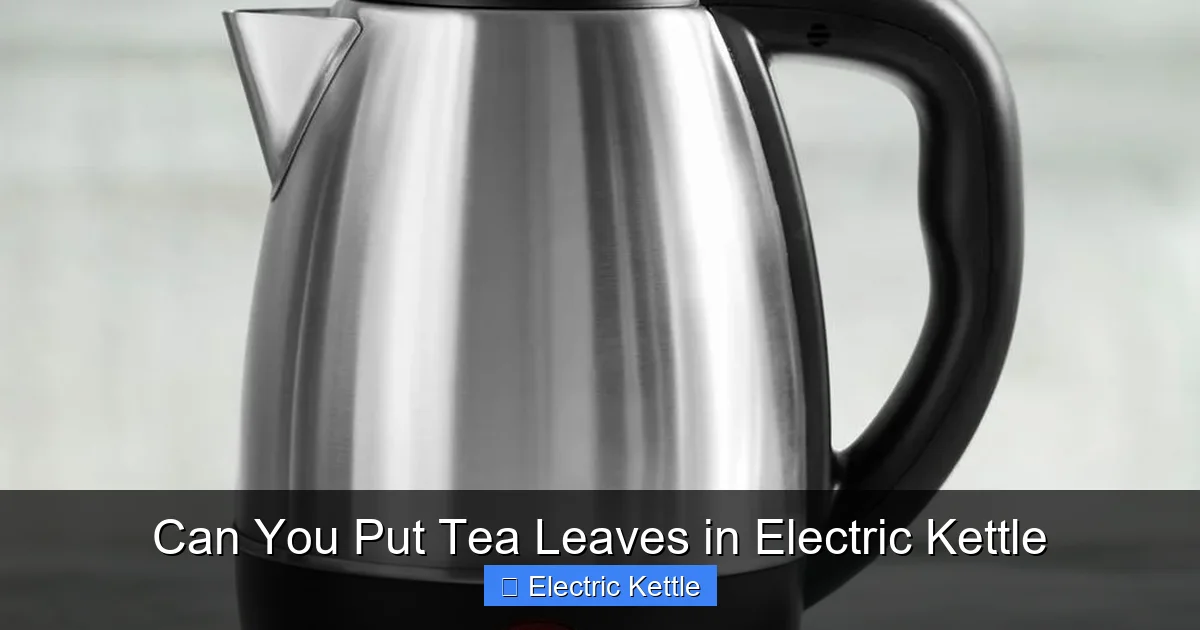
Visual guide about Can You Put Tea Leaves in Electric Kettle
Image source: static.trotcdn.com
Electric kettles are engineered with one primary purpose: to heat water quickly and efficiently. They’re not built like teapots or French presses, which are designed to hold tea leaves and allow them to steep. When you drop loose tea leaves into a standard electric kettle, you’re essentially using it for a job it wasn’t made to do—and that can cause trouble.
One of the biggest issues is the lack of a proper filtration system. Most kettles have a small mesh filter at the spout to catch large particles, but it’s not fine enough to stop tiny tea fragments. These particles can slip through, clog the spout, or settle at the bottom near the heating element. Over time, this buildup can interfere with heat transfer, making your kettle less efficient and potentially causing it to overheat.
Another concern is residue from tea oils and tannins. These compounds can stick to the interior surfaces of the kettle, especially the heating plate. Unlike mineral scale from hard water, tea residue is organic and harder to remove. It can lead to off-flavors in future brews and even create a burnt smell when the kettle heats up.
How Tea Leaves Affect Kettle Performance
Let’s say you ignore the warnings and go ahead and steep your green tea directly in the kettle. At first, it might seem fine—the water heats up, the tea steeps, and you pour yourself a cup. But over time, the consequences become clear.
The heating element, usually located at the base of the kettle, is particularly vulnerable. Tea leaves can settle on it, creating an insulating layer that prevents proper heat transfer. This forces the element to work harder, which can shorten its lifespan. In extreme cases, the kettle may fail to turn off automatically, posing a fire hazard.
Additionally, the spout and internal mechanisms can become clogged. Tiny tea particles may block the flow of water, leading to sputtering or uneven pouring. You might also notice a lingering tea taste in plain water afterward—something no one wants when they’re just trying to make coffee or instant soup.
Warranty and Safety Implications
Using tea leaves in an electric kettle can also have legal and financial consequences. Most manufacturers explicitly state in their user manuals that the appliance is for heating water only. If you damage your kettle by steeping tea inside it, the company may deny warranty claims, leaving you to pay for repairs or a replacement out of pocket.
Safety is another concern. While rare, clogged kettles can overheat or malfunction. If the automatic shut-off feature fails due to residue buildup, the kettle could continue heating until it burns out—or worse. Though modern kettles have multiple safety features, it’s never wise to push the limits.
When Is It Safe to Use Tea Leaves in an Electric Kettle?
Now, before you panic and throw out your kettle, there’s some good news: not all electric kettles are off-limits for tea leaves. Some models are specifically designed to handle loose-leaf tea, and using them correctly can actually enhance your brewing experience.
Electric Kettles with Built-In Infusers
A growing number of electric kettles now come with removable or built-in infusers—mesh baskets that hold tea leaves while allowing water to circulate freely. These infusers are usually made of stainless steel or food-grade silicone and are designed to be easy to clean.
If your kettle has such a feature, you’re in luck! You can safely add loose tea leaves to the infuser, close the lid, and let the kettle heat the water to the desired temperature. Once the water reaches the right heat, you can let the tea steep for the recommended time before removing the infuser. This method gives you the convenience of an electric kettle with the flavor benefits of loose-leaf tea.
Popular brands like Breville, Cuisinart, and Fellow offer models with integrated tea infusers. Some even include preset temperature settings for different tea types—green, white, oolong, black—so you don’t have to guess.
Smart Kettles with Precision Temperature Control
Another category of kettles that can work well with tea leaves are smart electric kettles. These devices allow you to set exact water temperatures, which is crucial for brewing delicate teas like green or white tea, which can become bitter if steeped in boiling water.
For example, green tea typically brews best at 160–185°F (70–85°C), while black tea needs near-boiling water at 200–212°F (93–100°C). Smart kettles let you choose the right temperature with the touch of a button, ensuring optimal flavor extraction without scorching the leaves.
Some smart kettles also have a “keep warm” function, which maintains the water at the ideal temperature for steeping. This is especially useful if you like to sip your tea slowly or brew multiple cups.
Tea-Specific Electric Kettles
A few manufacturers have gone a step further and created kettles specifically for tea lovers. These models often combine the features of a traditional teapot with the convenience of electric heating. They may include larger infusers, longer steep timers, and even built-in strainers in the spout.
One example is the Breville BTM800XL Tea Maker, which automates the entire brewing process. You add your tea leaves, select the type of tea, and the machine heats the water, steeps the leaves for the correct time, and then lifts the infuser to stop the brewing. It’s like having a personal tea butler.
While these kettles are more expensive than standard models, they’re ideal for serious tea drinkers who want consistency and convenience.
Safe Alternatives to Putting Tea Leaves Directly in the Kettle
If your electric kettle doesn’t have an infuser or temperature control, don’t worry—you can still enjoy loose-leaf tea without risking damage. There are several safe and effective alternatives that let you brew like a pro.
Use a Tea Infuser or Strainer
The simplest solution is to use a standalone tea infuser. These come in many shapes and sizes—ball infusers, basket infusers, silicone infusers, and even novelty shapes like stars or animals. Just fill the infuser with your tea leaves, place it in your cup or mug, and pour hot water from the kettle over it.
Basket infusers are especially popular because they allow plenty of room for the leaves to expand, which improves flavor extraction. Look for ones with fine mesh to prevent small particles from escaping.
For larger servings, consider a tea strainer that fits over your teapot or pitcher. You can steep the tea in a separate vessel and then strain it when ready.
Try Tea Bags or Sachets
If you prefer convenience, tea bags are a great option. Modern tea bags are often made from biodegradable materials like cornstarch or paper, and many high-quality brands now offer loose-leaf tea in pyramid-shaped sachets that allow for better expansion.
While some people still associate tea bags with lower quality, that’s no longer the case. Brands like Harney & Sons, Teavana, and Pukka use whole leaves and natural ingredients, delivering rich, full-bodied flavor.
Plus, tea bags eliminate the risk of residue in your kettle entirely. Just drop one in your cup, pour hot water, and enjoy.
Brew in a Separate Teapot or French Press
Another excellent method is to heat the water in your electric kettle and then transfer it to a teapot or French press for steeping. This gives you full control over the brewing process and keeps your kettle clean.
French presses are particularly good for bold teas like black or herbal blends. Simply add the leaves, pour in the hot water, steep for the recommended time, and press down the plunger to separate the leaves from the liquid.
Teapots with built-in strainers are also a classic choice. They come in ceramic, glass, and cast iron varieties, each offering unique benefits. Glass teapots let you watch the leaves unfurl, while cast iron retains heat beautifully.
Use a Kettle with a Detachable Infuser (Even If Not Included)
Some third-party infusers are designed to fit inside standard electric kettles. These are usually stainless steel baskets with handles that rest on the rim of the kettle. You add your tea leaves, lower the infuser into the water, and let it steep while the kettle heats.
Just make sure the infuser doesn’t touch the heating element and that it’s securely positioned so it won’t fall in. Always check the manufacturer’s guidelines before using any add-on accessories.
How to Clean Your Electric Kettle After Tea Exposure
Even if you’ve only used your kettle for water, it’s important to clean it regularly to prevent mineral buildup and odors. But if you’ve accidentally steeped tea in it, cleaning becomes even more critical.
Removing Tea Residue and Stains
Tea leaves can leave behind stubborn stains and a lingering taste. To clean them, start by rinsing the kettle thoroughly with warm water. Then, fill it halfway with equal parts water and white vinegar. Let it sit for 30 minutes to an hour, then boil the solution.
After boiling, let the kettle cool, then rinse it out several times to remove the vinegar smell. For extra cleaning power, scrub the interior with a soft brush or sponge. Avoid abrasive pads, which can scratch the surface.
Dealing with Mineral Scale
Hard water can leave behind white, chalky deposits known as limescale. These build up on the heating element and interior walls, reducing efficiency. The vinegar method works well here too—just boil a vinegar-water solution and let it sit.
For tougher scale, use citric acid, which is gentler on metal surfaces. Dissolve 1–2 tablespoons in water, boil, and rinse thoroughly. Many people prefer citric acid because it leaves no aftertaste.
Preventing Future Buildup
To keep your kettle in top condition, clean it monthly—even if you only use it for water. Use filtered or distilled water if you live in a hard water area. And never let tea leaves sit in the kettle for long periods after brewing.
If you’ve used an infuser, rinse it immediately after use and let it air dry. Store it separately to prevent mold or odors.
Tips for Brewing the Perfect Cup of Tea
Now that you know how to use your electric kettle safely, let’s talk about making the best possible tea. A great cup starts with quality ingredients and proper technique.
Choose High-Quality Tea Leaves
Not all tea is created equal. Look for loose-leaf tea from reputable brands that source ethically and use whole leaves. Avoid dust or fannings, which are broken pieces that can make tea bitter.
Store your tea in an airtight container away from light, heat, and strong odors. Tea absorbs smells easily, so keep it away from coffee, spices, or cleaning products.
Use the Right Water Temperature
Different teas require different temperatures. Here’s a quick guide:
– White tea: 160–185°F (70–85°C)
– Green tea: 175–185°F (80–85°C)
– Oolong tea: 185–205°F (85–96°C)
– Black tea: 200–212°F (93–100°C)
– Herbal tea: 212°F (100°C)
If your kettle doesn’t have temperature control, let boiling water cool for a few minutes before pouring over delicate teas.
Steep for the Right Amount of Time
Over-steeping can make tea bitter, while under-steeping leaves it weak. Follow the recommended steeping times on the packaging:
– White tea: 2–4 minutes
– Green tea: 1–3 minutes
– Oolong tea: 3–5 minutes
– Black tea: 3–5 minutes
– Herbal tea: 5–7 minutes
Use a timer to stay consistent.
Experiment with Ratios
A general rule is 1 teaspoon of loose-leaf tea per 8 ounces of water. But feel free to adjust based on your taste. Some teas, like pu-erh or rooibos, can handle more leaves.
Conclusion: Enjoy Tea the Right Way
So, can you put tea leaves in an electric kettle? The short answer is: only if your kettle is specifically designed for it. Most standard models are meant for heating water, not brewing tea. Putting loose leaves directly in can lead to clogs, residue buildup, and even damage.
But that doesn’t mean you have to give up on loose-leaf tea. With the right tools—like infusers, tea bags, or a dedicated tea maker—you can enjoy rich, flavorful brews without risking your appliance. And by following proper cleaning and brewing techniques, you’ll get the most out of both your kettle and your tea.
Whether you’re sipping a morning cup of Earl Grey or winding down with chamomile, the key is balance: convenience without compromise. Your kettle is a powerful tool—use it wisely, and it will serve you well for years to come.
Frequently Asked Questions
Can I put tea leaves in my electric kettle if I clean it afterward?
Even with thorough cleaning, putting tea leaves directly in most electric kettles is not recommended. Residue can still cling to the heating element and internal parts, affecting performance and taste over time.
What happens if I accidentally steeped tea in my kettle?
Rinse it immediately and clean it with a vinegar or citric acid solution. Check for clogs in the spout and ensure the heating element is free of debris. If the kettle still smells or tastes off, repeat the cleaning process.
Are there electric kettles made for tea leaves?
Yes, some models come with built-in infusers or are designed specifically for tea brewing. Look for kettles with removable mesh baskets and temperature control features.
Can I use a tea infuser in any electric kettle?
Only if the infuser fits securely and doesn’t touch the heating element. Always check your kettle’s manual before using third-party accessories to avoid damage or safety risks.
Why does my kettle smell like tea even after cleaning?
Tea oils can penetrate porous materials. If the smell persists, try boiling a mixture of water and baking soda, or use a specialized kettle cleaner. Avoid using strong detergents, which can leave residues.
Is it safe to boil tea leaves in water?
Boiling can extract bitter compounds from some teas, especially green or white varieties. It’s better to heat water to the recommended temperature and steep the leaves separately for the best flavor.