Reboiling water in an electric kettle is perfectly safe and won’t harm your health. However, repeated boiling may slightly affect taste and mineral concentration, though it won’t damage your kettle or create dangerous chemicals under normal use.
Have you ever boiled water for tea, only to realize you didn’t use it all—and now you’re wondering if it’s okay to boil the same water again? You’re not alone. Many people hesitate before pressing that “on” button a second time, worried that reboiling might be unsafe, damage their kettle, or even make the water toxic. The good news? You can absolutely reboil water in an electric kettle without any serious risks. In fact, it’s a common practice in homes, offices, and kitchens around the world.
But just because it’s safe doesn’t mean there aren’t things to consider. While reboiling won’t turn your water into a health hazard, it can subtly affect taste, energy use, and even the longevity of your kettle—especially if you’re doing it frequently. Understanding the science behind boiling, the design of modern electric kettles, and a few best practices can help you make smarter choices. Whether you’re brewing coffee, making instant noodles, or preparing baby formula, knowing how to handle reheated water ensures you get the best results every time.
In this guide, we’ll dive deep into the ins and outs of reboiling water in an electric kettle. We’ll separate fact from myth, explain what really happens when water is boiled multiple times, and give you practical tips to keep your kettle efficient and your water tasting great. So grab a cup of tea (freshly boiled or reheated—your choice!), and let’s get started.
Key Takeaways
- Reboiling is safe: It does not produce harmful substances like nitrites or heavy metals in dangerous amounts when using clean water and a well-maintained kettle.
- Taste may change slightly: Repeated boiling can reduce dissolved oxygen, making water taste “flat,” but this is harmless.
- Mineral concentration increases minimally: As water evaporates, minerals like calcium and magnesium become slightly more concentrated, but not enough to pose health risks.
- Energy efficiency matters: Reboiling uses extra electricity, so only reheat what you need to save energy and time.
- Kettle maintenance is key: Scale buildup from hard water can affect performance—regular descaling keeps your kettle running smoothly.
- Use filtered water when possible: It reduces impurities and improves taste, especially if reboiling frequently.
- Modern kettles handle reboiling well: Most electric kettles are designed for repeated use and have safety features to prevent overheating.
📑 Table of Contents
Is It Safe to Reboil Water in an Electric Kettle?
The short answer is yes—reboiling water in an electric kettle is safe. There’s no scientific evidence that boiling water more than once creates dangerous chemicals or toxins under normal household conditions. Many people worry that reboiling increases levels of substances like nitrites, nitrates, or heavy metals, but studies show that these changes are minimal and well within safe limits, especially when using clean, potable water.
One common myth is that reboiling water concentrates harmful chemicals to dangerous levels. While it’s true that boiling causes some water to evaporate, leaving behind minerals and impurities, the increase is usually negligible. For example, if you boil a full kettle and then reboil half of it, the mineral concentration in the remaining water will rise slightly—but not enough to affect your health. The World Health Organization and other health authorities confirm that occasional reboiling poses no significant risk.
Another concern is the formation of nitrites from nitrates, especially in areas with high nitrate levels in tap water. While high nitrate levels can be a concern for infants (a condition called methemoglobinemia), reboiling does not significantly increase nitrite formation. In fact, boiling can sometimes reduce certain contaminants. The real key is starting with clean, safe water. If your tap water is safe to drink, reboiling it won’t make it unsafe.
Modern electric kettles are also built with safety in mind. Most have automatic shut-off features that prevent overheating and dry boiling, reducing the risk of damage or fire. As long as your kettle is in good condition and you’re not boiling it dry, reboiling is perfectly safe.
What Happens When You Reboil Water?
When you boil water, you’re essentially heating it to 100°C (212°F) at sea level, causing it to turn into steam. This process kills bacteria, viruses, and other microorganisms, making the water safer to drink. But what happens when you do it again?
The main change during reboiling is the loss of dissolved gases, especially oxygen. Freshly boiled water contains less oxygen than cold water, and each time you reboil, even more oxygen escapes. This is why some people say reboiled water tastes “flat” or “stale.” It’s not harmful—just less refreshing. Coffee and tea lovers might notice a subtle difference in flavor, as oxygen plays a role in extracting flavors from leaves and grounds.
Another effect is the slight increase in mineral concentration. As water evaporates during boiling, the same amount of minerals (like calcium, magnesium, and sodium) remains in a smaller volume of liquid. This can lead to a small rise in total dissolved solids (TDS). In areas with hard water, this might mean more scale buildup in your kettle over time. But again, this doesn’t make the water unsafe—just potentially harder on your appliance.
It’s also worth noting that reboiling doesn’t “purify” water beyond what the first boil already did. If your water contains volatile organic compounds (VOCs) or certain chemicals, boiling can actually concentrate them slightly. That’s why using filtered or high-quality tap water is always a good idea, especially if you reboil frequently.
Myths vs. Facts About Reboiling Water
Let’s clear up some common misconceptions:
Myth: Reboiling water creates toxic chemicals.
Fact: No credible evidence supports this. Reboiling does not produce dangerous levels of toxins in normal home use.
Myth: Reboiled water is bad for babies.
Fact: While infants are more sensitive to nitrates, reboiling doesn’t significantly increase nitrite formation. The bigger concern is the source water—use low-nitrate water for baby formula.
Myth: Reboiling damages your kettle.
Fact: Modern kettles are designed for repeated use. However, frequent reboiling with hard water can accelerate scale buildup, which may affect performance over time.
Myth: Reboiled water loses all its nutrients.
Fact: Water isn’t a significant source of nutrients. Minerals remain—they just become slightly more concentrated.
Understanding these facts helps you make informed decisions without unnecessary worry.
Does Reboiling Affect the Taste of Water?
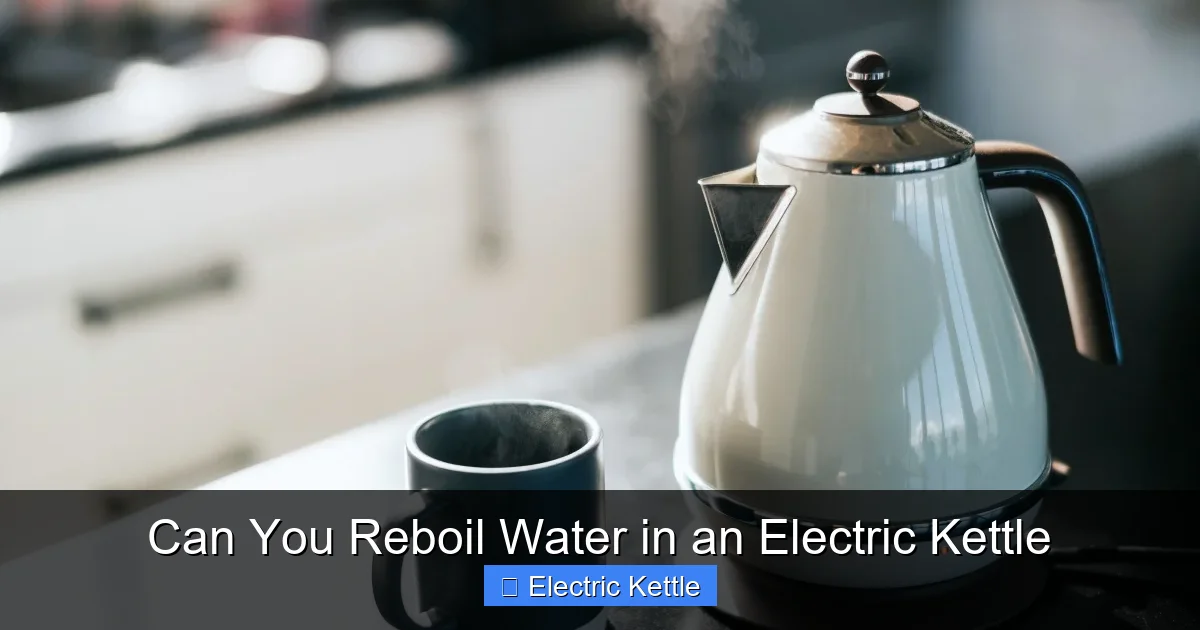
Visual guide about Can You Reboil Water in an Electric Kettle
Image source: imgs.etvbharat.com
Yes, reboiling can affect the taste of water—but only slightly. The biggest factor is the loss of dissolved oxygen. Cold water naturally contains more oxygen, which contributes to a crisp, fresh taste. When you boil water, much of that oxygen escapes as steam. Reboiling further reduces oxygen levels, which can make the water taste “flat” or “lifeless” to some people.
This change is most noticeable in beverages like tea and coffee, where water quality plays a big role in flavor extraction. A tea brewed with freshly boiled water often tastes brighter and more aromatic than one made with reboiled water. Coffee enthusiasts may also detect a difference, especially in pour-over or French press methods that rely on precise water characteristics.
However, not everyone can taste the difference. If you’re making instant soup, cooking pasta, or preparing baby formula, the change is unlikely to matter. And if you’re using a high-quality electric kettle with a gooseneck spout or temperature control, you can minimize unnecessary reboiling by heating only the amount you need.
Another factor is mineral content. In hard water areas, reboiling can leave behind more scale, which might impart a slight mineral taste over time. This is more about kettle maintenance than the water itself—regular descaling keeps things tasting clean.
How to Improve the Taste of Reboiled Water
If you notice a flat taste, try these simple fixes:
– Aerate the water: Pour it back and forth between two containers a few times to reintroduce oxygen.
– Use a lid: Let boiled water sit covered for a few minutes—some oxygen will dissolve back in.
– Add a pinch of salt: A tiny amount can enhance flavor, especially in tea.
– Switch to filtered water: Removes chlorine and impurities that can affect taste.
These small steps can make a noticeable difference, especially if you reboil often.
Energy Efficiency and Environmental Impact
Reboiling water uses extra electricity, which adds up over time. Electric kettles are generally energy-efficient—they heat water faster and use less power than stovetops or microwaves—but reboiling means you’re using energy twice for the same task.
For example, boiling a full kettle uses about 0.1 kWh of electricity. If you reboil half of it, you’re essentially using 0.15 kWh to heat the same amount of water once. That might not seem like much, but over weeks and months, it contributes to higher energy bills and a larger carbon footprint.
To save energy:
– Boil only what you need: Use the kettle’s markings to measure the right amount.
– Use a thermos: Keep boiled water hot for later use without reheating.
– Choose an energy-efficient kettle: Look for models with insulated walls or rapid-boil technology.
Being mindful of how much you boil—and how often you reboil—can make a real difference in efficiency.
Does Reboiling Waste Electricity?
Yes, but the amount depends on how much water you’re reheating. Reboiling a small amount (like one cup) uses less energy than reheating a full kettle. If you frequently find yourself reboiling, consider adjusting your habits: boil smaller amounts more often, or invest in a kettle with variable temperature settings so you can heat water to the right temp without over-boiling.
Some smart kettles even have keep-warm functions that maintain temperature for a set time, reducing the need to reboil.
Impact on Your Electric Kettle’s Lifespan
Reboiling itself won’t damage your kettle, but it can contribute to wear and tear over time—especially if you use hard water. Each time you boil, minerals like calcium and magnesium can precipitate out and form limescale on the heating element and interior surfaces.
This scale buildup reduces heating efficiency, increases boiling time, and can eventually cause the kettle to overheat or fail. In extreme cases, it may trigger the automatic shut-off prematurely or lead to a burning smell.
How to Prevent Scale Buildup
– Descale regularly: Use a mixture of white vinegar and water (1:1 ratio), boil it, let it sit for 30 minutes, then rinse thoroughly. Do this every 1–2 months, or more often in hard water areas.
– Use filtered water: Reduces mineral content and slows scale formation.
– Empty the kettle after use: Don’t let water sit overnight, as this encourages mineral deposits.
– Wipe the interior: A soft cloth can remove light scaling between deep cleans.
Taking these steps extends your kettle’s life and keeps it performing at its best.
Signs Your Kettle Needs Maintenance
– Longer boiling times
– Rattling or popping sounds
– White or chalky residue inside
– Unusual smells when boiling
If you notice any of these, it’s time for a deep clean or professional check.
Best Practices for Reboiling Water Safely
Now that you know reboiling is safe, here’s how to do it wisely:
– Start with clean water: Use fresh, cold tap water or filtered water each time you boil. Don’t reboil water that’s been sitting out for hours.
– Don’t boil dry: Always ensure there’s water in the kettle before turning it on. Dry boiling can damage the heating element and pose a fire risk.
– Reboil only when necessary: If you’re making multiple cups of tea, consider boiling once and using a thermos to keep it hot.
– Clean your kettle regularly: Prevent scale and bacteria buildup with routine maintenance.
– Use the right temperature: Some kettles let you select temperatures for different beverages—use lower temps for green tea to avoid over-boiling.
Following these tips ensures safe, efficient, and great-tasting results.
When to Avoid Reboiling
While reboiling is generally safe, there are a few exceptions:
– If the water has been contaminated: Don’t reboil water that’s been exposed to chemicals, dirt, or unknown sources.
– If your kettle is old or damaged: Cracks, rust, or faulty thermostats can make reboiling risky.
– If you’re using well water with high nitrates: Consult local health guidelines before reboiling.
When in doubt, start fresh.
Choosing the Right Electric Kettle for Frequent Use
If you reboil water often, investing in a high-quality electric kettle pays off. Look for features like:
– Variable temperature control: Lets you heat water to the ideal temp for tea, coffee, or baby formula.
– Rapid boil technology: Heats water quickly, saving time and energy.
– Insulated walls: Keeps water hot longer, reducing the need to reboil.
– Easy-clean design: Removable lids, wide openings, and smooth interiors make descaling easier.
– Safety features: Auto shut-off, boil-dry protection, and cool-touch handles.
Popular brands like Breville, Cuisinart, and Fellow offer models designed for daily use and frequent reboiling.
Top Tips for Kettle Owners
– Read the user manual for care instructions.
– Avoid overfilling—leave space to prevent spills.
– Store with the lid open to prevent odors.
– Replace your kettle every 3–5 years, or when performance declines.
A well-maintained kettle is a reliable kitchen companion.
Conclusion
So, can you reboil water in an electric kettle? Absolutely—and you’ve been doing it safely all along. Reboiling won’t harm your health, damage your kettle (if maintained), or create toxic chemicals. The real considerations are taste, energy use, and appliance care.
By understanding what happens during reboiling and adopting smart habits—like using filtered water, descaling regularly, and boiling only what you need—you can enjoy hot beverages and meals without worry. Whether you’re a tea lover, a busy parent, or just someone who likes convenience, your electric kettle is built to handle the heat—again and again.
Next time you’re tempted to reboil, go ahead. Just remember: a little knowledge goes a long way in keeping your water tasting great and your kettle running smoothly.
Frequently Asked Questions
Is it bad to reboil water multiple times?
No, reboiling water multiple times is not bad for your health. It may slightly affect taste and mineral concentration, but it won’t create harmful substances under normal conditions.
Does reboiling water remove oxygen?
Yes, reboiling reduces dissolved oxygen in water, which can make it taste flatter. This is harmless but may affect the flavor of tea or coffee.
Can reboiling cause my kettle to explode?
No, modern electric kettles have safety features like auto shut-off and boil-dry protection that prevent explosions. As long as there’s water in the kettle, it’s safe.
Should I reboil water for baby formula?
It’s better to use freshly boiled water for baby formula. If you must reboil, ensure the water is safe and not high in nitrates. Always follow pediatric guidelines.
How often should I descale my kettle?
Descale your kettle every 1–2 months, or more often if you live in a hard water area. This prevents scale buildup and keeps your kettle efficient.
Does reboiling save time?
Not really. Reboiling takes almost as long as the first boil, especially if the water has cooled. It’s often faster to boil a fresh, smaller amount.