Yes, you can use a tea kettle on an electric stove, but it depends on the kettle’s material and your stove type. Flat-bottomed kettles made of stainless steel, cast iron, or enamel-coated metals work best, while glass or copper may pose risks. Always prioritize safety, even heating, and compatibility to avoid damage or accidents.
Key Takeaways
- Material matters most: Only use kettles with flat, heat-conductive bases like stainless steel or cast iron on electric stoves.
- Avoid warped or rounded bottoms: These create poor contact with the heating element, leading to uneven heating and potential damage.
- Glass and thin copper kettles are risky: They can crack or warp under direct electric coil heat.
- Use medium heat settings: High heat can scorch the kettle base and reduce its lifespan.
- Electric stoves heat slowly: Be patient—boiling water takes longer than on gas stoves.
- Consider an electric kettle instead: For faster, safer boiling, a dedicated electric kettle is often the better choice.
- Regular maintenance helps: Clean your stove and kettle base to ensure optimal heat transfer.
📑 Table of Contents
- Can You Use a Tea Kettle on an Electric Stove?
- How Electric Stoves Work and Why It Matters for Kettles
- Which Tea Kettle Materials Work Best on Electric Stoves?
- Safety Tips for Using a Tea Kettle on an Electric Stove
- Alternatives: Should You Use an Electric Kettle Instead?
- Induction Stoves: A Special Case
- Final Thoughts: Making the Right Choice
Can You Use a Tea Kettle on an Electric Stove?
If you’re a tea lover with an electric stove, you’ve probably wondered: *Can I just use my favorite tea kettle like I would on a gas burner?* The short answer is yes—but with some important caveats. While it’s technically possible to use a tea kettle on an electric stove, not all kettles are created equal when it comes to compatibility. The success of your tea-making experience depends heavily on the kettle’s material, design, and how well it matches your stove’s heating element.
Electric stoves work differently than gas stoves. Instead of an open flame that wraps around the bottom of a pot, electric stoves use flat coils or smooth glass-ceramic surfaces that heat up when electricity passes through them. This means the kettle must have a completely flat bottom to make full contact with the heating surface. If the base is warped, rounded, or made of a poor heat conductor, you’ll end up with slow boiling, hot spots, or even damage to your stove or kettle.
In this guide, we’ll walk you through everything you need to know about using a tea kettle on an electric stove—from which materials work best to safety tips and alternatives. Whether you’re brewing a morning cup of Earl Grey or preparing hot water for instant coffee, understanding these details will help you make smarter, safer choices in the kitchen.
How Electric Stoves Work and Why It Matters for Kettles
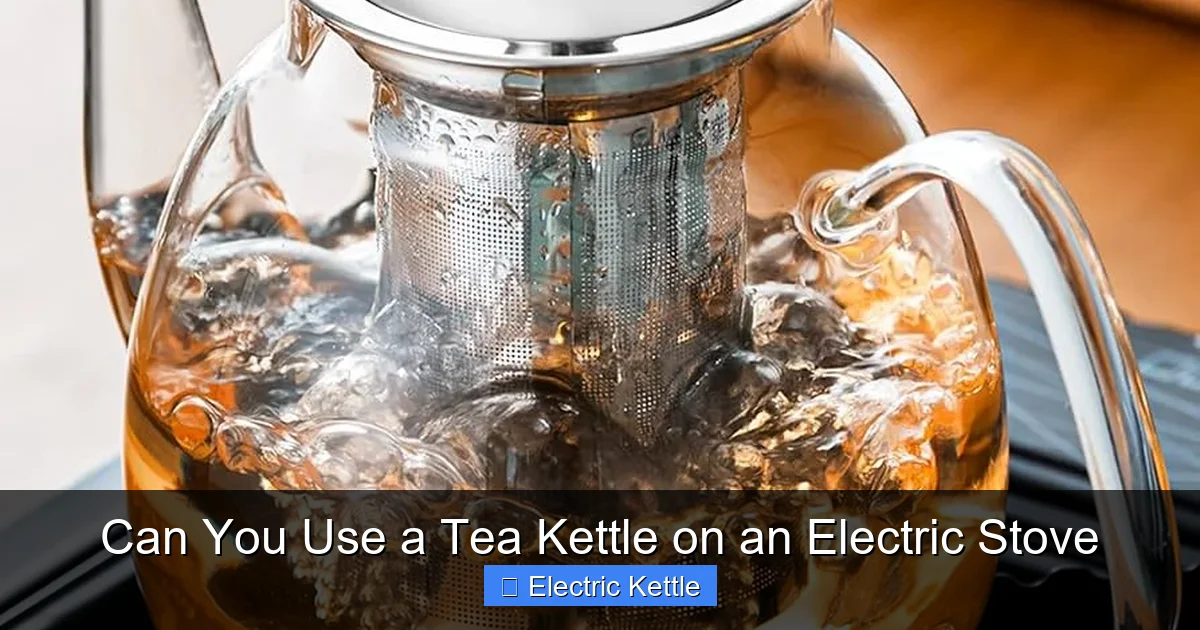
Visual guide about Can You Use a Tea Kettle on an Electric Stove
Image source: m.media-amazon.com
Before diving into kettle compatibility, it helps to understand how electric stoves function. Unlike gas stoves that use flames to transfer heat directly to the bottom and sides of a pot, electric stoves rely on radiant heat. When you turn on an electric burner, an electric current flows through a coiled metal element (or a hidden element beneath a glass-ceramic surface in smooth-top models), causing it to glow red-hot. This heat is then transferred to whatever is placed on top—like your tea kettle.
Because the heat source is flat and centralized, the kettle’s base must be equally flat and in full contact with the burner. Any gaps—even tiny ones—can lead to inefficient heating. The heat won’t spread evenly, and parts of the kettle may overheat while others stay cool. Over time, this can warp the kettle’s bottom, damage the stove’s surface, or even create a fire hazard if flammable residues are present.
Another key factor is heat-up time. Electric stoves take longer to reach high temperatures compared to gas. This means boiling water in a kettle will take more patience. You might be used to a quick boil on gas, but on electric, it’s common to wait 5–10 minutes for a full kettle to reach a rolling boil, depending on the stove’s wattage and the kettle’s size.
Understanding these mechanics helps explain why not all kettles are suitable. A kettle designed for gas stoves might have a slightly rounded bottom to sit snugly on a burner grate. But on an electric stove, that same kettle would rock or only touch the heating element at a few points—leading to poor performance and potential safety issues.
Types of Electric Stoves and Their Impact
Not all electric stoves are the same. There are two main types: coil (or radiant) stoves and smooth-top (glass-ceramic) stoves. Each has its own quirks when it comes to kettle use.
Coil stoves feature exposed metal heating elements that rise up from the surface. These are common in older or budget-friendly models. While they’re durable, they can be tricky for kettles because the coils aren’t perfectly flat. A kettle with a slightly warped base might wobble or only touch one or two coils, leading to uneven heating. However, if your kettle has a wide, flat bottom, it can still work well—just make sure it spans at least two coils for stability.
Smooth-top electric stoves, on the other hand, have a flat glass-ceramic surface with heating elements hidden beneath. These are easier to clean and look modern, but they require even more precision. The surface must be completely flat and free of debris for optimal heat transfer. A kettle with a warped or concave bottom won’t make full contact, and the stove may not even detect the kettle, preventing it from heating at all.
Some high-end smooth-top models use induction technology, which we’ll cover later. But for standard electric stoves, the rule remains: flat base, full contact, consistent heat.
Which Tea Kettle Materials Work Best on Electric Stoves?
The material of your tea kettle plays a huge role in whether it’s safe and effective on an electric stove. Some metals conduct heat well and are durable under high temperatures, while others can crack, warp, or react poorly to electric heat. Let’s break down the most common kettle materials and how they perform.
Stainless Steel Kettles
Stainless steel is one of the best choices for electric stoves. It’s durable, resistant to rust and corrosion, and conducts heat efficiently—especially when it has an aluminum or copper core sandwiched between layers of steel. These “tri-ply” or “multi-layer” kettles distribute heat evenly, reducing hot spots and speeding up boiling time.
Look for stainless steel kettles with a flat, heavy-gauge base. Avoid thin or lightweight models, as they’re more likely to warp over time. Brands like All-Clad, Cuisinart, and OXO offer excellent stainless steel kettles designed for electric stoves. They’re also easy to clean and maintain, making them a long-term kitchen staple.
One tip: always use medium heat with stainless steel kettles on electric stoves. High heat can cause discoloration or scorching on the bottom, especially if the kettle is empty or nearly empty. Never leave an empty kettle on a hot burner—this can damage both the kettle and the stove.
Cast Iron Kettles
Cast iron kettles, often enamel-coated, are another solid option. They retain heat exceptionally well and provide even, gentle heating—perfect for delicate teas that require precise temperatures. The weight and thickness of cast iron make it stable on electric burners, and the flat base ensures good contact.
However, cast iron kettles are heavy and can be prone to chipping if dropped. The enamel coating can also crack if exposed to sudden temperature changes—like pouring cold water into a hot kettle. To avoid this, always let the kettle cool slightly before refilling, and never place a hot cast iron kettle on a cold surface.
Enameled cast iron kettles from brands like Le Creuset or Staub are beautiful and functional, but they’re also pricey. If you’re serious about tea and want a kettle that doubles as a kitchen centerpiece, this is a great investment.
Copper Kettles
Copper is an excellent heat conductor, which makes it tempting for kettle use. However, pure copper kettles are generally not recommended for electric stoves—especially coil types. The reason? Copper can warp easily under high, direct heat, and many copper kettles have thin walls that aren’t designed for sustained electric burner use.
That said, some high-end copper kettles are lined with stainless steel or have a thick, flat base designed for electric stoves. These can work, but they’re rare and expensive. If you own a copper kettle, check the manufacturer’s guidelines. If it says “not for electric stoves,” don’t risk it. Warping or overheating could ruin the kettle or damage your stove.
Glass and Ceramic Kettles
Glass and ceramic kettles are popular for their aesthetic appeal and non-reactive surfaces. But they’re risky on electric stoves. Glass, in particular, can crack when exposed to direct, high heat—especially if there’s a temperature difference between the base and the rest of the kettle. Electric coils get extremely hot, and a sudden thermal shock can cause the glass to shatter.
Ceramic kettles are slightly more durable, but they’re still prone to cracking under stress. Most ceramic kettles are designed for stovetop use only with caution, and many manufacturers explicitly warn against using them on electric stoves. If you must use a ceramic kettle, choose one labeled “electric stove safe” and always use low to medium heat.
Aluminum Kettles
Aluminum is lightweight and conducts heat well, but it’s not ideal for electric stoves. Many aluminum kettles have thin bases that can warp or melt under high heat. Additionally, aluminum can react with acidic liquids like lemon tea, altering the taste and potentially leaching metal into your drink.
If you have an aluminum kettle, check if it’s labeled for electric stove use. Some modern versions have reinforced bases and non-reactive linings, making them safer. But in general, stainless steel or cast iron are better long-term choices.
Safety Tips for Using a Tea Kettle on an Electric Stove
Using a tea kettle on an electric stove isn’t just about compatibility—it’s also about safety. A few simple precautions can prevent accidents, extend the life of your kettle, and keep your kitchen running smoothly.
Never Use an Empty Kettle
This is rule number one. Placing an empty kettle on a hot electric burner can cause serious damage. The metal can overheat, warp, or even melt, especially if it’s thin or made of a low-quality alloy. In extreme cases, it can damage the stove’s heating element or create a fire hazard. Always make sure there’s water in the kettle before turning on the heat.
Use the Right Heat Setting
Electric stoves don’t respond as quickly as gas, so it’s tempting to crank the heat to high. But this can scorch the kettle’s bottom and reduce its lifespan. Instead, use medium heat and be patient. Most kettles will boil within 5–8 minutes on medium, depending on the stove’s power and the amount of water.
If your stove has a “rapid boil” or “high” setting, use it sparingly—only for large volumes of water. For everyday tea, medium heat is safer and more efficient.
Ensure Full Base Contact
Before turning on the stove, place the kettle on the burner and give it a gentle wiggle. If it rocks or tilts, it’s not making full contact. This can lead to uneven heating, hot spots, and potential damage. If your kettle doesn’t sit flat, consider replacing it with one that does.
You can also use a heat diffuser—a flat metal disk that sits between the burner and the kettle. It spreads heat more evenly and protects both the kettle and the stove. This is especially helpful for older kettles with slightly warped bases.
Keep the Stove and Kettle Clean
Food residue, mineral deposits, or grease on the stove’s surface can interfere with heat transfer. Wipe down the burner and the kettle’s base regularly with a damp cloth. For stubborn buildup, use a non-abrasive cleaner and a soft sponge.
Inside the kettle, mineral deposits from hard water can affect taste and performance. Descale your kettle every few months using a mixture of vinegar and water. Boil the solution, let it sit for 30 minutes, then rinse thoroughly.
Don’t Leave It Unattended
It’s easy to get distracted while waiting for water to boil, but never leave a kettle unattended on an electric stove. If the water boils dry, the kettle can overheat quickly. Modern kettles often have whistles or automatic shut-offs, but it’s still best to stay nearby.
If you’re using a glass or ceramic kettle, the risk is even higher. A cracked kettle can spill boiling water, causing burns or damaging the stove.
Alternatives: Should You Use an Electric Kettle Instead?
While using a stovetop tea kettle on an electric stove is possible, it’s worth considering whether it’s the best option. Electric kettles—the kind you plug in and fill with water—are designed specifically for quick, efficient boiling and offer several advantages.
Speed and Efficiency
Electric kettles heat water much faster than stovetop kettles on electric stoves. Most models boil a full liter of water in 3–5 minutes, thanks to powerful heating elements (typically 1500–3000 watts). This is especially useful if you’re in a hurry or making multiple cups.
Precise Temperature Control
Many electric kettles come with temperature settings for different types of tea—green, white, oolong, black, etc. This precision helps preserve delicate flavors and prevents over-steeping. Stovetop kettles rely on guesswork or a thermometer, which isn’t always convenient.
Safety Features
Electric kettles often include automatic shut-off, boil-dry protection, and cool-touch exteriors. These features reduce the risk of accidents and make them safer for households with children or pets.
Energy Efficiency
Because electric kettles heat water directly and lose less heat to the environment, they’re more energy-efficient than stovetop kettles on electric stoves. This can save you money on electricity over time.
Convenience
Just fill, plug in, and press a button. No waiting for the stove to heat up or monitoring the kettle. Some models even have keep-warm functions, so your water stays hot for up to an hour.
That said, stovetop kettles have their charm. They’re often more aesthetically pleasing, don’t require an outlet, and can be used during power outages. If you love the ritual of heating water on the stove, a compatible stovetop kettle is still a great choice—just make sure it’s safe and suitable for your electric stove.
Induction Stoves: A Special Case
If you have an induction stove, the rules change completely. Induction stoves use magnetic fields to heat cookware directly, rather than heating a surface. This means only kettles made of magnetic materials—like cast iron or certain stainless steels—will work.
To test if your kettle is induction-compatible, hold a magnet to the base. If it sticks, it should work. If not, you’ll need a new kettle or an induction interface disk (a metal plate that sits on the stove and transfers heat).
Induction stoves are incredibly efficient and heat up faster than traditional electric stoves. But they require specific cookware, so always check compatibility before use.
Final Thoughts: Making the Right Choice
So, can you use a tea kettle on an electric stove? Absolutely—if you choose the right kettle and follow basic safety guidelines. Stainless steel and enameled cast iron kettles with flat, heavy bases are your best bet. Avoid glass, thin copper, and warped-bottom kettles, and always use medium heat.
But if speed, safety, and convenience are your priorities, an electric kettle might be the smarter long-term investment. It’s faster, more energy-efficient, and packed with features that make tea-making effortless.
Ultimately, the choice depends on your preferences, kitchen setup, and how much you value tradition versus technology. Whether you’re simmering water on a vintage coil stove or pressing a button on a modern electric kettle, the goal is the same: a perfect cup of tea, brewed safely and enjoyed fully.
Frequently Asked Questions
Can I use a glass tea kettle on an electric stove?
It’s not recommended. Glass kettles can crack or shatter when exposed to direct electric heat, especially if there’s a temperature difference. Most manufacturers advise against using glass kettles on electric stoves.
Will a copper kettle work on an electric stove?
Only if it has a thick, flat base and is labeled for electric stove use. Thin copper kettles can warp or overheat. Check the manufacturer’s guidelines before use.
Why is my tea kettle taking so long to boil on an electric stove?
Electric stoves heat more slowly than gas. Use medium heat, ensure full base contact, and be patient. A kettle with a multi-layer base will heat faster.
Can I use a warped-bottom kettle on an electric stove?
No. A warped base creates poor contact with the heating element, leading to uneven heating and potential damage. Replace it with a flat-bottomed kettle.
Is it safe to leave a tea kettle unattended on an electric stove?
No. Always stay nearby while the kettle is heating. If water boils dry, the kettle can overheat and damage the stove or create a fire hazard.
Should I buy an electric kettle instead of using a stovetop one?
Electric kettles are faster, safer, and more energy-efficient. If you boil water frequently, they’re a worthwhile investment. But stovetop kettles work fine if compatible and used properly.