Warming milk in an electric kettle is possible but not recommended due to safety and maintenance concerns. While some kettles can handle it with caution, milk’s tendency to scorch, foam, and leave residue makes the process risky. Learn safer alternatives and best practices to protect your kettle and enjoy perfectly warmed milk.
Key Takeaways
- Most electric kettles aren’t designed for milk: They’re built for water, and milk’s proteins and fats can damage heating elements and leave stubborn residue.
- Milk can scorch and boil over: Unlike water, milk heats unevenly and can burn or foam excessively, leading to messes and potential fire hazards.
- Cleaning is a major challenge: Dried milk residue is hard to remove and can affect future brews, creating off-flavors or odors.
- Some kettles have milk modes: A few modern models include specialized settings for dairy, but these are rare and often expensive.
- Safer alternatives exist: Use a saucepan, microwave, or dedicated milk frother for better control and safety.
- Always check your manual: Manufacturer guidelines are the best source to determine if your kettle can safely handle milk.
- Prevention beats cleanup: If you must use your kettle, use low heat, stir often, and clean immediately to minimize damage.
📑 Table of Contents
- Can You Warm Milk in an Electric Kettle?
- How Electric Kettles Work and Why Milk Is Different
- The Risks of Warming Milk in an Electric Kettle
- When Is It Safe (or Safer) to Warm Milk in a Kettle?
- Safer and Better Alternatives to Warming Milk
- Tips for Maintaining Your Electric Kettle
- Conclusion: Should You Warm Milk in an Electric Kettle?
Can You Warm Milk in an Electric Kettle?
You’re craving a warm glass of milk before bed or need steamed milk for your morning latte. Your electric kettle is right there—convenient, fast, and always ready. So, can you warm milk in an electric kettle? It’s a question many people ask, especially when they’re short on time or kitchen tools.
At first glance, it seems like a simple solution. Electric kettles heat liquids quickly, and milk is a liquid, right? But here’s the catch: milk isn’t water. It behaves very differently when heated. While your kettle may technically be able to warm milk, doing so comes with risks—some minor, some serious. From burnt flavors and messy boil-overs to damaged heating elements and difficult cleanup, the downsides often outweigh the convenience.
In this guide, we’ll explore whether warming milk in an electric kettle is safe, practical, or worth the trouble. We’ll look at how milk reacts to heat, what happens inside your kettle, and whether your specific model can handle it. We’ll also share safer, more effective alternatives so you can enjoy warm milk without risking your appliance—or your peace of mind.
How Electric Kettles Work and Why Milk Is Different
Visual guide about Can You Warm Milk in an Electric Kettle
Image source: i.ytimg.com
To understand why warming milk in an electric kettle is tricky, let’s first look at how these appliances work. Most electric kettles use a concealed or exposed heating element at the base to rapidly heat water. Sensors detect when the liquid reaches boiling point (around 212°F or 100°C) and automatically shut off the power. This design is perfect for water—it’s consistent, predictable, and easy to clean.
But milk? Not so much. Milk contains proteins (like casein and whey), fats, and sugars—none of which are present in water. When heated, these components react in ways that can cause problems. Proteins can denature and stick to surfaces, fats can separate, and sugars can caramelize. This means milk doesn’t just heat up—it changes chemically and physically.
One of the biggest issues is scorching. Milk can burn onto the heating element or the bottom of the kettle, especially if it’s heated too quickly or without stirring. This not only creates a burnt taste but can also damage the kettle over time. The residue is tough to remove and may affect the performance of your kettle, even when you’re back to boiling water.
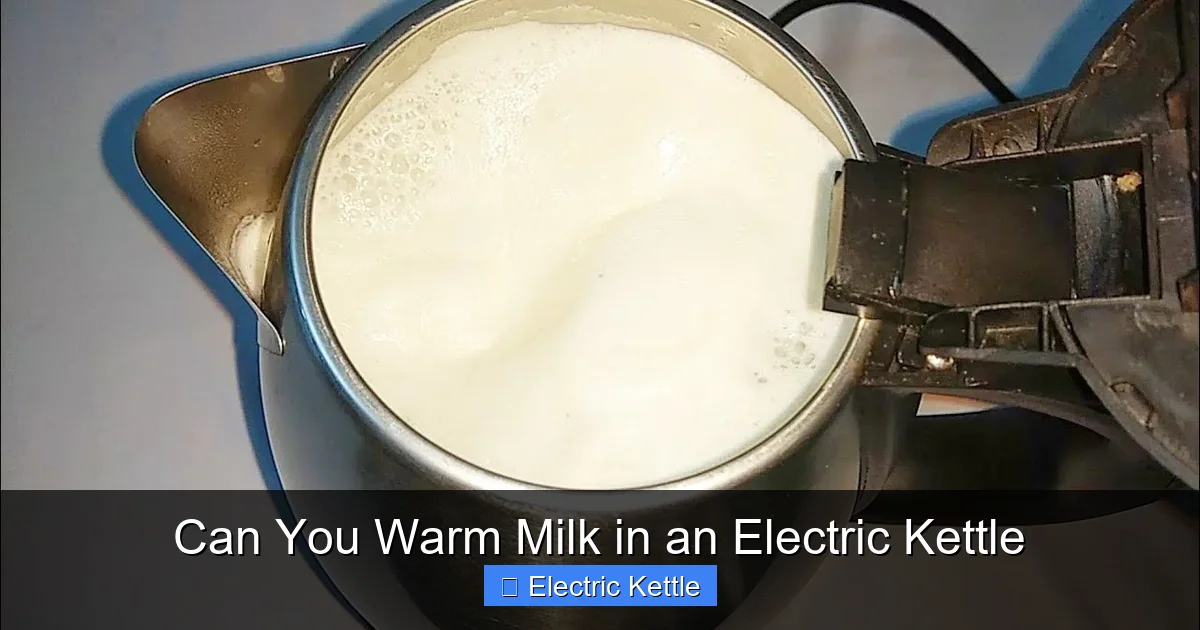
Another problem is foaming. As milk heats, proteins unfold and trap air, creating foam. This foam can rise rapidly and overflow the kettle, making a mess on your countertop and potentially triggering the kettle’s automatic shut-off prematurely. In some cases, the overflow can reach electrical components, posing a safety risk.
Why Water and Milk Heat Differently
Water has a consistent boiling point and heats evenly when agitated by convection currents. Milk, on the other hand, heats unevenly. The surface can become hot while the bottom remains cooler, leading to localized overheating. This is why milk often scorches at the bottom even if the rest seems fine.
Additionally, milk’s viscosity increases as it warms, making it harder for heat to distribute. This means you can’t rely on the same heating patterns you’d use for water. Without constant stirring, hot spots form, increasing the risk of burning.
The Role of Kettle Design
Most electric kettles are designed with water in mind. Their heating elements, temperature sensors, and automatic shut-off mechanisms are calibrated for water’s properties. When you introduce milk, these systems may not respond accurately. For example, the sensor might detect steam from boiling milk and shut off too early—before the milk is fully warmed—or not at all if the foam blocks the steam vent.
Some high-end kettles come with specialized modes for milk or baby formula, but these are exceptions. Even then, they often require specific types of milk or careful monitoring. If your kettle doesn’t have a milk setting, it’s best to assume it’s not safe for dairy.
The Risks of Warming Milk in an Electric Kettle
Now that we understand the science, let’s talk about the real-world risks. Warming milk in an electric kettle might seem harmless, but it can lead to several problems—some immediate, others long-term.
1. Scorching and Burnt Residue
This is the most common issue. Milk proteins and sugars can burn onto the heating element or the kettle’s interior, especially if the milk is heated too quickly or left unattended. The result? A burnt smell, off-flavors, and a layer of sticky residue that’s hard to clean.
Over time, this buildup can insulate the heating element, reducing efficiency and potentially causing overheating. In extreme cases, it can damage the kettle beyond repair.
2. Boil-Over and Mess
Milk foams up as it heats, and this foam can rise rapidly. If the kettle doesn’t have a wide opening or a lid that seals tightly, the foam can spill over. This creates a sticky mess on your countertop and can seep into the kettle’s electrical base, posing a fire or shock hazard.
Even if your kettle has a lid, the pressure from expanding foam can force it open, leading to spills. Cleaning up dried milk is no fun—it’s sticky, smelly, and can attract pests if not removed thoroughly.
3. Damage to the Heating Element
Repeated use with milk can damage the heating element. The residue acts as an insulator, making it harder for heat to transfer to the liquid. This forces the element to work harder, shortening its lifespan. In some cases, the element may overheat and fail prematurely.
Additionally, if milk overflows into the base, it can corrode electrical contacts or short-circuit the appliance. This not only ruins your kettle but could also be dangerous.
4. Off-Flavors and Odors
Even if your kettle survives the first use, dried milk residue can affect future brews. When you boil water afterward, the leftover proteins and fats can burn again, releasing unpleasant odors and altering the taste of your tea or coffee.
This is especially noticeable with clear or light-colored beverages. You might notice a faint milky or burnt aftertaste, which defeats the purpose of using a clean kettle.
5. Voiding the Warranty
Many manufacturers explicitly state that their kettles are for water only. Using them with milk—even once—can void your warranty. If your kettle breaks down later, you may be denied service or replacement, even if the damage wasn’t directly caused by the milk.
Always check your user manual. If it says “water only,” it’s best to follow that advice.
When Is It Safe (or Safer) to Warm Milk in a Kettle?
So, is there ever a safe way to warm milk in an electric kettle? The short answer is: rarely. But there are a few exceptions and precautions that can reduce the risks.
Kettles with Milk or Baby Formula Settings
Some modern electric kettles are designed to handle milk. These models often include a “milk” or “baby formula” mode that heats the liquid more gently and at a lower temperature. They may also have features like:
– Lower maximum temperature (around 140–160°F or 60–70°C)
– Stirring mechanisms or agitation
– Wider openings to prevent foam buildup
– Easy-clean interiors or removable filters
If your kettle has one of these settings, it’s more likely to be safe for milk. However, you should still follow the manufacturer’s instructions carefully. Use only the recommended type of milk (e.g., whole milk, not skim or plant-based), and never exceed the suggested volume.
Using Low Heat and Constant Monitoring
If your kettle doesn’t have a milk mode, you might still be able to warm milk—but only with extreme caution. Here’s how:
– Use the lowest heat setting available (if your kettle has variable temperature control).
– Fill the kettle only halfway to allow room for foam.
– Stir the milk constantly with a heat-safe utensil.
– Watch it like a hawk—don’t walk away.
– Remove it from heat as soon as it’s warm (around 120–140°F or 49–60°C), not boiling.
This method reduces the risk of scorching and boil-over, but it’s still not ideal. You’re relying on manual control, which is prone to error. One distraction, and you could end up with burnt milk or a mess.
Cleaning Immediately After Use
If you do warm milk in your kettle, clean it right away. Rinse the interior with warm water and use a soft sponge or brush to remove any residue. For stubborn spots, soak the kettle in warm, soapy water for 15–30 minutes, then scrub gently.
Avoid abrasive cleaners or steel wool, as they can scratch the surface and trap bacteria. Rinse thoroughly and dry completely before using again.
Even with careful cleaning, some residue may remain. Over time, this can build up and affect performance.
Safer and Better Alternatives to Warming Milk
Given the risks, it’s usually better to use a different method to warm milk. Here are some safer, more effective alternatives:
1. Use a Saucepan on the Stovetop
This is the most traditional and reliable method. Pour milk into a small saucepan and heat it over low to medium heat, stirring constantly. Use a thermometer to monitor the temperature—aim for 120–140°F (49–60°C) for drinking or 150–160°F (65–70°C) for frothing.
Pros:
– Full control over heat
– Easy to stir and monitor
– No risk to your kettle
Cons:
– Takes a few extra minutes
– Requires a stove and pot
Tip: Use a heavy-bottomed pan to prevent scorching, and stir with a silicone spatula to avoid scratching.
2. Warm Milk in the Microwave
For quick warming, the microwave is a great option. Pour milk into a microwave-safe cup or mug, cover it with a lid or plate to prevent splatters, and heat in 15–30 second intervals. Stir between each interval to distribute heat evenly.
Pros:
– Fast and convenient
– No extra dishes (if using a mug)
– Easy to clean
Cons:
– Can heat unevenly if not stirred
– Risk of overheating or boiling over
Tip: Never microwave milk in a sealed container—pressure can build up and cause an explosion. Always stir before drinking to avoid hot spots.
3. Use a Dedicated Milk Frother or Steamer
If you’re making lattes or cappuccinos, invest in a milk frother. These devices are designed specifically for heating and aerating milk. They come in handheld, electric, or stovetop models.
Pros:
– Perfect for coffee drinks
– Consistent results
– Easy to clean
Cons:
– Additional appliance to store
– Cost (though many are affordable)
Tip: Look for a frother with temperature control for the best results.
4. Try a Double Boiler Method
For delicate tasks like making custard or warming baby formula, a double boiler is ideal. Fill a pot with a few inches of water, place a heat-safe bowl on top, and add the milk. The indirect heat prevents scorching.
Pros:
– Gentle, even heating
– No risk of burning
Cons:
– Takes longer
– Requires two pots
5. Use a Thermos or Insulated Mug
If you’re warming milk to drink later, consider using a thermos. Heat the milk using one of the methods above, then pour it into a pre-warmed thermos. It will stay warm for hours.
Pros:
– Keeps milk warm longer
– Portable
Cons:
– Doesn’t heat the milk—only retains heat
Tips for Maintaining Your Electric Kettle
Whether or not you warm milk in your kettle, proper maintenance is key to keeping it in good condition. Here are some tips to extend its life and ensure safe operation:
Clean Regularly
Even if you only use your kettle for water, mineral deposits can build up over time. Clean it monthly with a mixture of equal parts water and white vinegar. Let it sit for 30 minutes, then rinse thoroughly.
For tough limescale, use a commercial descaling solution or repeat the vinegar process.
Avoid Overfilling
Always follow the manufacturer’s fill lines. Overfilling can cause water to spill into the base during boiling, damaging the electronics.
Use Filtered Water
Hard water leaves more mineral deposits. Using filtered or distilled water reduces scaling and keeps your kettle cleaner longer.
Store Properly
Keep your kettle in a dry place with the lid open to prevent moisture buildup and odors. Avoid stacking heavy items on top.
Inspect for Damage
Check the cord, plug, and base regularly for cracks, fraying, or signs of overheating. If you notice anything unusual, stop using the kettle and have it inspected.
Conclusion: Should You Warm Milk in an Electric Kettle?
So, can you warm milk in an electric kettle? Technically, yes—but it’s not recommended for most people. The risks of scorching, boil-over, residue buildup, and appliance damage far outweigh the convenience. Unless your kettle has a dedicated milk mode and you’re willing to monitor it closely, it’s better to use a safer alternative.
Your electric kettle is a reliable tool for boiling water—let it do what it does best. For warming milk, turn to a saucepan, microwave, or milk frother. These methods give you better control, reduce the risk of damage, and deliver better results.
Remember, kitchen appliances are investments. Taking a few extra minutes to warm your milk the right way can save you money, hassle, and frustration in the long run. And when it comes to enjoying a warm glass of milk or a perfectly steamed latte, that peace of mind is worth its weight in gold.
Frequently Asked Questions
Can I warm almond milk in an electric kettle?
It’s not recommended. Plant-based milks like almond milk can behave unpredictably when heated and may leave residue or separate. Use a saucepan or microwave instead for better results.
What happens if milk boils over in my kettle?
Milk can seep into the electrical base, causing short circuits or corrosion. Clean the exterior immediately and let the kettle dry completely. If it stops working, discontinue use and consult the manufacturer.
Can I use my kettle for milk if I clean it right away?
Cleaning helps, but it doesn’t eliminate all risks. Residue can still affect performance and flavor. It’s safer to avoid using your kettle for milk altogether.
Are there any electric kettles made for milk?
Yes, some high-end models have milk or baby formula settings with lower temperatures and anti-foam designs. Check the product specifications before purchasing.
Can warming milk in a kettle void my warranty?
Yes, many manufacturers state that using the kettle for anything other than water voids the warranty. Always check your manual.
Is it safe to warm milk in a glass kettle?
Glass kettles are less prone to staining, but they still risk cracking from thermal shock or residue buildup. The same risks apply—use caution or choose a safer method.