Yes, you can wash an electric kettle—but not all parts are safe to submerge. The key is knowing which components can get wet and how to clean them without damaging the heating element or electrical base. With the right techniques, regular cleaning keeps your kettle efficient, odor-free, and safe to use.
Key Takeaways
- Only the kettle’s interior and removable parts should be washed: Never submerge the base or electrical components in water.
- Use vinegar or citric acid for descaling: These natural cleaners dissolve limescale buildup effectively and safely.
- Wipe the exterior with a damp cloth: Avoid harsh chemicals; mild soap and water work best for the outside.
- Never use abrasive scrubbers inside: They can scratch the interior surface and harbor bacteria.
- Unplug before cleaning: Always disconnect the kettle from power to prevent electrical hazards.
- Let it dry completely before reassembling: Moisture in the base can cause short circuits or damage.
- Clean regularly to maintain performance: Monthly descaling prevents mineral buildup and extends kettle life.
📑 Table of Contents
- Can You Wash an Electric Kettle? The Truth Behind Safe Cleaning
- Understanding Your Electric Kettle’s Design
- What Parts of an Electric Kettle Can You Safely Wash?
- Step-by-Step Guide to Cleaning Your Electric Kettle
- Natural vs. Chemical Cleaners: What Works Best?
- How Often Should You Clean Your Electric Kettle?
- Common Mistakes to Avoid When Cleaning an Electric Kettle
- Conclusion: Keep Your Kettle Clean and Safe
Can You Wash an Electric Kettle? The Truth Behind Safe Cleaning
If you’ve ever wondered, “Can you wash an electric kettle?” you’re not alone. It’s a common question—especially for those who use their kettle daily for tea, coffee, instant soups, or even baby formula. After all, water boils inside it repeatedly, and over time, you might notice a chalky white residue, strange odors, or slower heating times. That’s your kettle asking for a little TLC.
The short answer? Yes, you *can* wash an electric kettle—but with important caveats. Unlike a regular stovetop kettle, electric kettles have built-in heating elements and electrical components that make them more sensitive to water exposure. Submerging the entire unit, especially the base, can lead to electrical malfunctions, corrosion, or even safety hazards. So while cleaning is not only possible but necessary, it must be done correctly.
In this guide, we’ll walk you through everything you need to know about safely washing your electric kettle. From understanding which parts can get wet to step-by-step cleaning methods, descaling tips, and maintenance routines, you’ll learn how to keep your kettle in top condition without risking damage. Whether you have a plastic, stainless steel, or glass electric kettle, these principles apply across the board. Let’s dive in and make sure your next cup of tea tastes as fresh as the first.
Understanding Your Electric Kettle’s Design
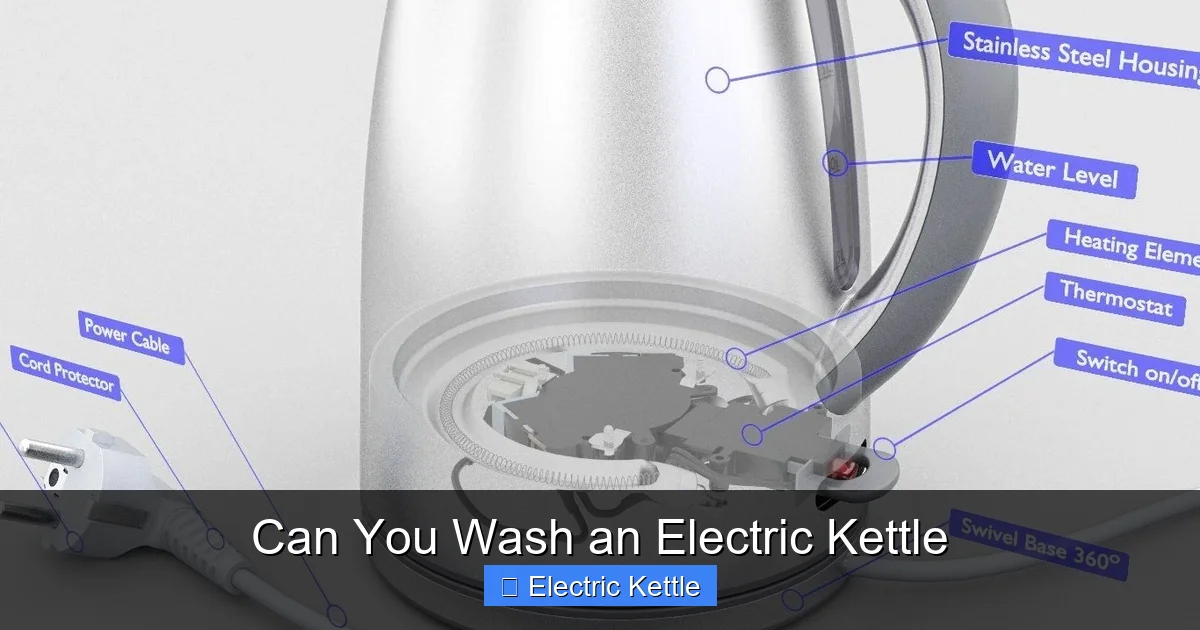
Visual guide about Can You Wash an Electric Kettle
Image source: preview.free3d.com
Before you grab a sponge and start scrubbing, it’s essential to understand how your electric kettle is built. Most modern electric kettles consist of two main parts: the **kettle body** (the part that holds water) and the **heating base** (the part you plug into the outlet). These two components are designed to work together but must be treated very differently when it comes to cleaning.
The kettle body—typically made of stainless steel, plastic, or glass—is the only part that should come into direct contact with water during cleaning. This includes the interior chamber where water boils and the lid (if removable). Many kettles also have a removable filter or mesh screen near the spout to catch mineral deposits and prevent them from pouring into your cup. These parts are usually safe to wash by hand.
On the other hand, the heating base contains the electrical components, including the heating element, thermostat, and wiring. This part should **never** be submerged in water or exposed to excessive moisture. Even a small amount of water seeping into the base can cause short circuits, corrosion, or permanent damage. Most manufacturers explicitly warn against immersing the base in their user manuals.
Another important feature to note is the **sealed heating element**. In many electric kettles, the heating coil is hidden beneath a stainless steel plate at the bottom of the kettle body. This design protects the element from direct contact with water, making the interior easier to clean. However, it also means that any cracks or damage to this plate could allow water to reach the electrical parts—another reason to handle your kettle with care.
Understanding these design elements helps you clean smarter, not harder. By knowing what can and cannot get wet, you avoid common mistakes like dunking the whole kettle in the sink or using a wet cloth on the base. It also helps you troubleshoot issues—like why your kettle isn’t heating properly—by checking for water damage or mineral buildup in the right places.
What Parts of an Electric Kettle Can You Safely Wash?
Now that you know the basics of kettle design, let’s get specific about what you can and cannot wash. The golden rule is simple: **only wash the parts that come into contact with water during normal use**. That means the interior, the lid, and any removable components like filters or seals. Everything else—especially the base and electrical connections—should stay dry.
The Interior Chamber
This is the heart of your kettle and the part that needs the most attention. Over time, minerals from hard water (like calcium and magnesium) accumulate on the walls and bottom, forming limescale. This not only affects the taste of your water but can also reduce heating efficiency and shorten the kettle’s lifespan. Fortunately, the interior is designed to be cleaned—just not with abrasive tools.
Use a soft sponge or cloth to wipe down the inside. Avoid steel wool, scouring pads, or harsh scrubbers, as they can scratch the surface. Scratches create tiny grooves where bacteria and mineral deposits can hide, making future cleaning more difficult. For light cleaning, warm soapy water is usually enough. Rinse thoroughly to remove all soap residue, which can affect the taste of your water.
The Lid and Spout
The lid and spout are often overlooked but can harbor dust, steam residue, and even mold if not cleaned regularly. If your kettle has a removable lid, take it off and wash it separately. Use a bottle brush or a toothbrush to reach into narrow openings and crevices. Pay special attention to the area around the hinge or seal, where moisture can get trapped.
For non-removable lids, wipe the inside with a damp cloth or use a cotton swab dipped in vinegar to clean hard-to-reach spots. The spout, where water pours out, should also be checked for mineral buildup. A clogged spout can cause splashing or uneven pouring, which is both annoying and potentially dangerous with hot water.
Removable Filters and Seals
Many electric kettles come with a mesh filter near the spout to catch limescale and debris. This filter should be removed and cleaned regularly—ideally every time you descale the kettle. Rinse it under warm water and use a soft brush to dislodge any stuck particles. If the filter is damaged or heavily corroded, consider replacing it to maintain optimal performance.
Rubber or silicone seals around the lid or base should also be inspected and cleaned. These seals prevent steam and water from escaping but can collect grime over time. Wipe them with a damp cloth and mild soap, then dry thoroughly. Avoid using silicone-based lubricants unless recommended by the manufacturer, as they can degrade the material.
What NOT to Wash
Under no circumstances should you wash the heating base, power cord, or electrical plug. These components are not waterproof and can be damaged by even a small amount of moisture. If the base gets wet, unplug the kettle immediately and let it dry completely in a well-ventilated area for at least 24 hours before using it again. If you suspect water has entered the base, it’s best to consult a professional or contact the manufacturer.
Also, avoid spraying water directly onto the kettle or using a dishwasher. Most electric kettles are not dishwasher-safe, and the high heat and pressure can damage seals, warp plastic parts, or compromise electrical safety.
Step-by-Step Guide to Cleaning Your Electric Kettle
Cleaning your electric kettle doesn’t have to be complicated. With a few simple steps, you can keep it looking and working like new. Here’s a practical, easy-to-follow guide that works for most models.
Step 1: Unplug and Cool Down
Before you start, make sure the kettle is **unplugged** and has cooled completely. Never attempt to clean a hot or recently used kettle. Hot surfaces can cause burns, and water on a hot element can create steam or cause thermal shock, potentially cracking glass or warping plastic.
Step 2: Empty and Rinse
Pour out any remaining water and give the interior a quick rinse with clean water. This removes loose debris and prepares the surface for deeper cleaning.
Step 3: Clean the Interior
For light cleaning, mix a few drops of mild dish soap with warm water. Use a soft sponge or cloth to wipe the inside, focusing on areas with visible buildup. Rinse thoroughly to remove all soap residue.
For tougher limescale, use a natural descaling solution. The most effective and eco-friendly options are white vinegar or citric acid.
– **Vinegar method:** Fill the kettle halfway with equal parts white vinegar and water. Let it sit for 30 minutes to an hour. For heavy buildup, you can boil the solution (if your kettle allows it), then let it cool before rinsing.
– **Citric acid method:** Dissolve 1–2 tablespoons of citric acid in a liter of warm water. Pour it into the kettle and let it sit for 30–60 minutes. Citric acid is gentler on metal surfaces and leaves no odor.
After soaking, scrub gently with a soft brush if needed, then rinse the kettle 2–3 times to ensure no cleaning solution remains.
Step 4: Clean Removable Parts
Remove the filter, lid, and any seals. Wash them separately with warm soapy water. Use a toothbrush to clean mesh filters and hard-to-reach areas. Rinse and dry completely.
Step 5: Wipe the Exterior
Use a damp cloth with a small amount of mild soap to wipe the outside of the kettle. Avoid abrasive cleaners or bleach, which can damage finishes. For stainless steel kettles, you can use a microfiber cloth to restore shine. Dry with a clean towel.
Step 6: Dry Thoroughly
Before reassembling or using the kettle, make sure all parts are completely dry. Moisture left inside can lead to mold or affect the taste of your water. Leave the kettle open in a well-ventilated area for at least an hour.
Step 7: Reassemble and Test
Once dry, reattach the filter and lid. Plug in the kettle and run a cycle with fresh water (do not drink this water). This helps flush out any remaining cleaning solution and ensures the kettle is ready for use.
Natural vs. Chemical Cleaners: What Works Best?
When it comes to cleaning your electric kettle, you have two main options: natural cleaners like vinegar and citric acid, or commercial descaling products. Both can be effective, but they differ in cost, safety, and environmental impact.
Natural Cleaners: Vinegar and Citric Acid
White vinegar is a household staple and one of the most popular choices for descaling. It’s inexpensive, readily available, and highly effective at breaking down limescale. The acetic acid in vinegar dissolves mineral deposits without damaging most kettle materials. However, it does have a strong smell, which can linger if not rinsed thoroughly.
Citric acid is another excellent natural option. It’s derived from citrus fruits and is often used in food and cleaning products. Citric acid is gentler than vinegar and leaves no odor, making it ideal for people sensitive to strong smells. It’s also more effective at lower concentrations, so you’ll use less product over time.
To use citric acid, dissolve 1–2 tablespoons in a liter of warm water. Pour it into the kettle, let it sit for 30–60 minutes, then rinse. For stubborn buildup, you can gently heat the solution (without boiling) to speed up the reaction.
Commercial Descaling Products
Many brands sell specialized descaling solutions for kettles and coffee makers. These products are formulated to be safe for electrical appliances and often come with precise instructions. They’re convenient and usually odorless, but they can be more expensive than natural alternatives.
When choosing a commercial cleaner, look for one that’s labeled as safe for electric kettles and free of harsh chemicals like chlorine or ammonia. Always follow the manufacturer’s instructions and rinse thoroughly after use.
Which Should You Choose?
For most people, natural cleaners are the best choice. They’re cost-effective, eco-friendly, and just as effective as commercial products. Vinegar works well for occasional cleaning, while citric acid is ideal for regular maintenance. Save commercial descalers for heavy buildup or if you prefer a no-smell option.
Avoid using bleach, ammonia, or abrasive cleaners, as they can damage the interior surface and leave toxic residues. Also, never mix cleaning chemicals—especially vinegar and bleach—as this can create dangerous fumes.
How Often Should You Clean Your Electric Kettle?
Regular cleaning is essential to keep your electric kettle functioning properly and your water tasting fresh. But how often should you do it? The answer depends on several factors, including your water hardness, usage frequency, and the type of kettle you have.
Water Hardness Matters
If you live in an area with hard water (high in calcium and magnesium), you’ll need to clean your kettle more often. Hard water accelerates limescale buildup, which can clog the heating element, reduce efficiency, and affect taste. In hard water areas, aim to descale your kettle **every 2–4 weeks**.
In soft water areas, where mineral content is low, you may only need to clean it **every 1–2 months**. However, even soft water can leave behind residues from tea, coffee, or other beverages, so don’t skip cleaning entirely.
Usage Frequency
If you use your kettle daily—say, for multiple cups of tea or coffee—it will accumulate buildup faster than one used occasionally. Daily users should inspect their kettle weekly and descale monthly, regardless of water hardness.
For occasional users (once a week or less), a deep clean every 2–3 months is usually sufficient. But don’t forget to rinse the kettle after each use to prevent stagnant water from developing odors or bacteria.
Signs It’s Time to Clean
You don’t always need a schedule—your kettle will tell you when it needs attention. Watch for these signs:
– White or chalky deposits on the interior walls or bottom
– Slower heating times
– Unusual smells or tastes in your water
– Gurgling or sputtering during boiling
– Reduced water flow from the spout
If you notice any of these, it’s time for a thorough cleaning. Ignoring buildup can lead to permanent damage and may require professional repair or replacement.
Maintenance Tips
To extend the time between deep cleans, adopt a few simple habits:
– Empty the kettle after each use to prevent mineral concentration.
– Wipe the interior with a damp cloth weekly.
– Use filtered water to reduce mineral content.
– Store the kettle with the lid open to allow airflow and prevent mold.
By staying proactive, you’ll keep your kettle in great shape and avoid the hassle of dealing with heavy limescale.
Common Mistakes to Avoid When Cleaning an Electric Kettle
Even with the best intentions, it’s easy to make mistakes when cleaning your electric kettle. These errors can damage the appliance, reduce its lifespan, or even pose safety risks. Here are the most common pitfalls and how to avoid them.
Submerging the Base in Water
This is the number one mistake people make. Never place the entire kettle—especially the base—in water or run it under the tap. The electrical components are not waterproof, and even a small amount of moisture can cause short circuits or corrosion. Always clean the base with a dry or slightly damp cloth only.
Using Abrasive Cleaners or Tools
Steel wool, scouring pads, and harsh chemicals can scratch the interior surface of your kettle. Scratches create hiding spots for bacteria and make future cleaning harder. Stick to soft sponges, cloths, and natural cleaners like vinegar or citric acid.
Not Rinsing Thoroughly
After using vinegar or cleaning solutions, it’s crucial to rinse the kettle multiple times. Residual cleaner can affect the taste of your water and, in some cases, be harmful if ingested. Run 2–3 cycles with fresh water after descaling to ensure all traces are gone.
Cleaning a Hot Kettle
Always wait for the kettle to cool completely before cleaning. Water on a hot surface can cause steam burns or thermal shock, especially in glass kettles. Plus, cleaning a hot kettle increases the risk of accidental spills or electrical issues.
Ignoring the Filter
Many people forget to clean or replace the mesh filter. A clogged filter can restrict water flow and reduce efficiency. Make it a habit to remove and clean the filter every time you descale the kettle.
Using the Dishwasher
Unless the manufacturer explicitly states that your kettle is dishwasher-safe, don’t put it in the dishwasher. The high heat and pressure can damage seals, warp plastic parts, and compromise electrical safety.
Conclusion: Keep Your Kettle Clean and Safe
So, can you wash an electric kettle? Absolutely—but with care and attention to detail. The key is understanding which parts can get wet and which must stay dry. By following the right cleaning methods, using natural descalers, and maintaining a regular schedule, you can keep your kettle in excellent condition for years to come.
Regular cleaning not only improves the taste of your water but also extends the life of your appliance and ensures safe, efficient operation. Whether you’re a daily tea drinker or an occasional coffee maker, a clean kettle makes a difference in every cup.
Remember: unplug before cleaning, avoid submerging the base, use gentle cleaners, and rinse thoroughly. With these simple steps, you’ll enjoy fresh, great-tasting water every time you boil.
Frequently Asked Questions
Can I put my electric kettle in the dishwasher?
No, most electric kettles are not dishwasher-safe. The high heat and pressure can damage seals, warp plastic parts, and compromise electrical components. Always check the manufacturer’s instructions, but hand washing is the safest method.
Is it safe to boil vinegar in my electric kettle?
Yes, it’s generally safe to boil a diluted vinegar solution (50/50 with water) for descaling. However, avoid boiling pure vinegar, as the strong fumes can be irritating. Always rinse the kettle thoroughly afterward.
How do I remove stubborn limescale from my kettle?
Use a citric acid solution (1–2 tablespoons per liter of water) and let it soak for 1–2 hours. For heavy buildup, gently heat the solution (without boiling) to speed up the reaction. Scrub lightly with a soft brush if needed.
Can I use bleach to clean my electric kettle?
No, bleach is too harsh and can leave toxic residues. It may also damage the interior surface. Stick to natural cleaners like vinegar or citric acid, which are safe and effective.
Why does my kettle smell after cleaning with vinegar?
The smell usually fades after rinsing, but if it persists, run 2–3 cycles with fresh water. You can also add a slice of lemon to the water and boil it to neutralize any lingering odor.
How often should I replace my kettle’s filter?
Replace the filter every 6–12 months, or sooner if it shows signs of damage, clogging, or corrosion. A clean filter ensures smooth water flow and prevents mineral deposits from entering your drink.