Yes, you can wash an electric kettle with soap—but only the removable parts like the lid and filter. Never submerge the base or electrical components in water or soap, as this can damage the kettle and pose safety risks. Always follow manufacturer guidelines for safe, effective cleaning.
Key Takeaways
- Only wash removable parts with soap: The lid, filter, and detachable components can be safely cleaned with mild dish soap and warm water.
- Never immerse the base: The electrical base must never come into contact with water or soap to prevent damage and electrical hazards.
- Use a damp cloth for the exterior: Wipe the outside of the kettle with a soapy cloth, then rinse and dry thoroughly.
- Descale regularly for performance: Mineral buildup affects taste and efficiency—use vinegar or commercial descalers monthly.
- Air-dry completely before reassembly: Ensure all parts are fully dry to avoid mold, odors, or electrical issues.
- Check the user manual first: Always refer to your specific model’s cleaning instructions to avoid voiding the warranty.
- Avoid harsh chemicals and abrasives: Stick to gentle cleaners to protect the kettle’s interior coating and finish.
📑 Table of Contents
- Can You Wash Electric Kettle with Soap? A Complete Guide
- Understanding Your Electric Kettle’s Design
- Safe Cleaning Methods: What You Can and Can’t Do
- Descaling: The Secret to Long-Lasting Performance
- Common Cleaning Mistakes to Avoid
- Tips for Maintaining a Clean Electric Kettle
- Conclusion: Clean Smart, Not Hard
Can You Wash Electric Kettle with Soap? A Complete Guide
So, you’ve just brewed your morning tea, and now you’re staring at your electric kettle, wondering: Can I wash this thing with soap? It’s a common question—and a smart one. After all, cleanliness matters, especially when you’re heating water for drinking, coffee, or cooking. But unlike your regular stovetop kettle, an electric kettle has electrical components, which means cleaning it requires a bit more caution.
The short answer? Yes, you can use soap to clean certain parts of your electric kettle—but not all of it. The key is knowing which parts are safe to wash and which ones need to stay dry. Most electric kettles have a detachable base with a heating element and electrical connections. That part? Absolutely no soap, no water, no soaking. But the lid, spout, and removable filter? Those can usually be washed with mild dish soap, just like any other kitchen item.
In this guide, we’ll walk you through everything you need to know about cleaning your electric kettle safely and effectively. From understanding the design of your kettle to step-by-step cleaning methods, descaling tips, and common mistakes to avoid, we’ve got you covered. Whether you’re a tea lover, coffee enthusiast, or just someone who wants to keep their kitchen appliances in top shape, this article will help you maintain your electric kettle without risking damage or safety hazards.
Understanding Your Electric Kettle’s Design
Before you grab that sponge and soap, it’s important to understand how your electric kettle is built. Unlike traditional kettles that sit on a stove, electric kettles are self-contained units with built-in heating elements. This design makes them convenient and fast, but it also means they’re more sensitive to moisture and improper cleaning.
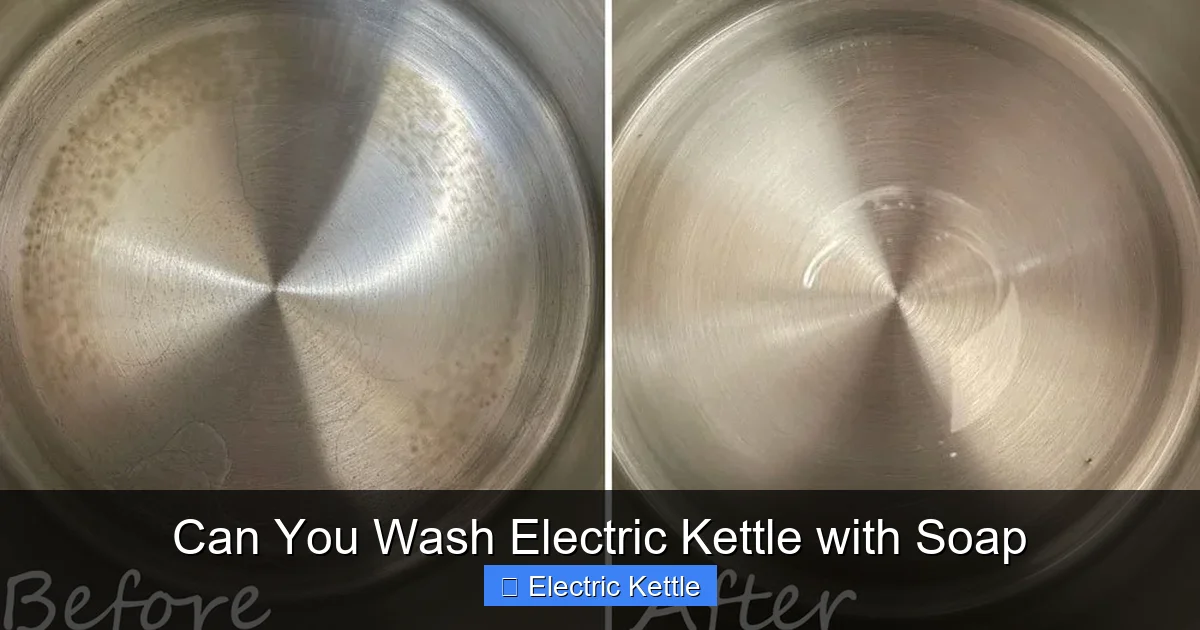
Visual guide about Can You Wash Electric Kettle with Soap
Image source: everythingbetter.in
Key Components of an Electric Kettle
Most electric kettles consist of three main parts:
- The Kettle Body: This is the main container that holds water. It’s usually made of stainless steel, plastic, or glass. The interior often has a smooth, non-stick coating to prevent mineral buildup.
- The Heating Base: This is the flat bottom part that plugs into the wall. It contains the electrical components, including the heating element and thermostat. This part must never get wet.
- Removable Parts: These include the lid, filter (if present), and sometimes a detachable cord. These are the only parts you should consider washing with soap.
Some models have a detachable base, meaning you can lift the kettle off the power station. Even in these cases, the base still houses electronics and should never be submerged or cleaned with soap and water. Always check your user manual to confirm which parts are removable and safe to clean.
Why Design Matters for Cleaning
The reason you can’t just toss your electric kettle in the sink like a regular pot is simple: electricity and water don’t mix. If water or soap seeps into the base, it can cause short circuits, damage the heating element, or even create a fire hazard. That’s why manufacturers design electric kettles with sealed bases and water-resistant exteriors.
Additionally, many modern kettles have anti-scale filters near the spout to catch mineral deposits. These filters can get clogged over time, affecting water flow and taste. Fortunately, they’re usually removable and safe to wash with soap—just be gentle to avoid bending or breaking them.
Understanding your kettle’s design helps you clean it properly without causing accidental damage. So before you start scrubbing, take a moment to identify which parts can get wet and which ones need to stay dry.
Safe Cleaning Methods: What You Can and Can’t Do
Now that you know the basics of your kettle’s design, let’s talk about how to clean it safely. The goal is to remove residue, prevent buildup, and keep your kettle hygienic—without risking damage or safety issues.
What You Can Wash with Soap
The following parts are generally safe to clean with mild dish soap and warm water:
- Lid: Most lids can be removed and washed by hand. Use a soft sponge or brush to clean around the hinge and seal.
- Filter: If your kettle has a mesh filter, take it out and wash it gently. Soak it in soapy water if needed, then rinse thoroughly.
- Spout and Interior (with caution): You can wipe the inside with a damp cloth dipped in soapy water. Avoid scrubbing too hard, especially on coated interiors.
Always use a mild, non-abrasive soap. Harsh detergents or scouring pads can scratch the surface or leave behind chemical residues that affect the taste of your water.
What You Should Never Wash with Soap
Never use soap or water on these parts:
- The Heating Base: This includes the bottom of the kettle and the power station. Wipe only with a dry or slightly damp cloth.
- Electrical Connections: The plug and cord should never be submerged or cleaned with soap.
- Sealed Components: Any area that appears sealed or has vents should be kept dry.
If you accidentally get soap or water on the base, unplug the kettle immediately and let it dry completely for at least 24 hours before using it again. Better safe than sorry!
Step-by-Step Cleaning Process
Here’s a simple, safe way to clean your electric kettle:
- Unplug the kettle and let it cool completely.
- Remove the lid and filter (if applicable).
- Wash the lid and filter with warm, soapy water. Use a soft brush for stubborn spots.
- Wipe the interior with a damp cloth dipped in mild soap. Rinse the cloth frequently.
- Clean the exterior with a soapy cloth, then wipe with a clean, damp cloth to remove soap residue.
- Rinse all washable parts thoroughly under running water.
- Air-dry everything completely before reassembling.
- Reattach the lid and filter only when fully dry.
This process takes about 10–15 minutes and keeps your kettle clean without risking damage.
Descaling: The Secret to Long-Lasting Performance
Even if you clean your kettle regularly, mineral deposits from hard water can build up over time. This is called scaling, and it’s one of the biggest enemies of electric kettles. Scale not only affects the taste of your water but can also reduce heating efficiency and shorten the lifespan of your appliance.
Why Descaling Is Essential
Hard water contains minerals like calcium and magnesium. When you heat water, these minerals settle on the heating element and interior walls, forming a chalky white layer. Over time, this buildup:
- Slows down heating time
- Causes odd noises (like popping or crackling)
- Leaves a metallic or bitter taste in your drinks
- Can damage the heating element
That’s why descaling is just as important as washing—even if you can’t see the scale right away.
How to Descale Your Electric Kettle
There are two main methods for descaling: using vinegar or a commercial descaler.
Method 1: White Vinegar (Natural & Affordable)
Vinegar is a mild acid that dissolves mineral deposits safely. Here’s how to use it:
- Mix equal parts white vinegar and water (e.g., 1 cup vinegar + 1 cup water).
- Pour the solution into the kettle, filling it about halfway.
- Let it sit for 1–2 hours (or overnight for heavy buildup).
- Boil the solution, then let it cool.
- Pour out the vinegar mix and rinse the kettle thoroughly with clean water.
- Run 1–2 cycles of plain water through the kettle to remove any vinegar smell.
Tip: Add a slice of lemon to the vinegar solution for a fresher scent and extra cleaning power.
Method 2: Commercial Descaler (Fast & Convenient)
If you prefer a ready-made solution, use a descaling product designed for kettles or coffee makers. Follow the instructions on the label—most require diluting the solution and running it through a boil cycle.
Commercial descalers are often more concentrated than vinegar, so they work faster. They’re also less likely to leave an odor, which some people prefer.
How Often Should You Descale?
The frequency depends on your water hardness:
- Soft water: Every 2–3 months
- Moderate hardness: Every 1–2 months
- Hard water: Monthly or more often
If you notice scale buildup, slow heating, or strange tastes, it’s time to descale—no matter the schedule.
Common Cleaning Mistakes to Avoid
Even with the best intentions, it’s easy to make mistakes when cleaning your electric kettle. Here are some common pitfalls and how to avoid them.
1. Submerging the Base
This is the #1 mistake people make. Never place the entire kettle—especially the base—in water or run it under the tap. Even a small amount of moisture can damage the electronics.
Solution: Only wash removable parts. Wipe the base with a dry or slightly damp cloth.
2. Using Harsh Cleaners or Abrasives
Bleach, ammonia, or steel wool might seem effective, but they can damage the interior coating, leave toxic residues, or scratch the surface.
Solution: Stick to mild dish soap, vinegar, or approved descalers. Use soft cloths or brushes.
3. Not Rinsing Thoroughly
Soap or vinegar residue can affect the taste of your water. If you don’t rinse well, your next cup of tea might taste soapy or sour.
Solution: Rinse all parts multiple times with clean water. Run 1–2 boil cycles with plain water after descaling.
4. Reassembling While Wet
Putting the lid or filter back on while damp can lead to mold, mildew, or electrical issues if moisture reaches the base.
Solution: Let everything air-dry completely—preferably overnight—before reassembling.
5. Ignoring the Filter
Many people forget to clean the filter, but it traps limescale and debris. A clogged filter reduces water flow and affects performance.
Solution: Remove and wash the filter every time you clean the kettle.
6. Skipping the Manual
Every kettle is different. Some have special coatings, non-removable parts, or specific cleaning instructions.
Solution: Always check the user manual before cleaning. If you’ve lost it, search online using your model number.
Tips for Maintaining a Clean Electric Kettle
Cleaning your kettle doesn’t have to be a chore. With a few simple habits, you can keep it spotless and functioning like new for years.
1. Clean After Every Use (When Needed)
You don’t need to wash your kettle every time you use it—especially if you’re just boiling water. But if you’ve made tea, coffee, or anything with milk or sugar, wipe the interior and clean the filter to prevent residue buildup.
2. Use Filtered Water
Filtered water reduces mineral content, which means less scaling and cleaner boils. It also improves the taste of your drinks.
3. Store with the Lid Open
After cleaning, leave the lid slightly open when storing. This allows airflow and prevents musty odors or mold growth.
4. Wipe the Exterior Weekly
Fingerprints, dust, and spills can accumulate on the outside. A quick wipe with a damp cloth keeps it looking shiny and new.
5. Schedule Monthly Deep Cleans
Even if you don’t see scale, a monthly descaling session keeps your kettle in top condition. Set a reminder on your phone or calendar.
6. Replace the Filter When Needed
Filters wear out over time. If yours is bent, clogged, or no longer removable, replace it with a compatible part from the manufacturer.
Conclusion: Clean Smart, Not Hard
So, can you wash an electric kettle with soap? Absolutely—but only the right parts. The lid, filter, and interior can be safely cleaned with mild soap and water, while the base and electrical components must stay dry. By following the right methods, descaling regularly, and avoiding common mistakes, you’ll keep your kettle clean, efficient, and safe for years to come.
Remember, a little care goes a long way. Regular maintenance not only improves the taste of your drinks but also extends the life of your appliance. So next time you boil water, take a moment to give your kettle the attention it deserves. Your morning tea will taste better—and your kettle will thank you.
Frequently Asked Questions
Can I put my electric kettle in the dishwasher?
No, you should never put an electric kettle in the dishwasher. The high heat and water pressure can damage the electrical base and interior coating. Only removable parts like the lid and filter may be dishwasher-safe—check your manual first.
Is it safe to use vinegar to clean my electric kettle?
Yes, white vinegar is a safe and effective natural cleaner for removing limescale. Just be sure to rinse the kettle thoroughly afterward to eliminate any vinegar taste or smell.
How do I know if my kettle needs descaling?
Signs include slow heating, popping noises, white or chalky deposits inside, or a metallic taste in your water. If you notice any of these, it’s time to descale.
Can I use baking soda to clean my electric kettle?
Baking soda is mildly abrasive and can scratch some interior surfaces. It’s better to use vinegar or a commercial descaler for safe, effective cleaning.
What should I do if water gets into the base of my kettle?
Unplug it immediately and let it dry completely for at least 24 hours. Do not use it until you’re certain it’s dry. If you suspect damage, contact the manufacturer.
How often should I clean the filter in my electric kettle?
Clean the filter every time you wash the kettle or at least once a month. If you use your kettle daily, check the filter weekly for buildup.