Electric kettles are becoming more common in American homes, though they’re still far from universal. While traditionally associated with British tea culture, modern convenience and energy efficiency are driving their adoption across the U.S.
Key Takeaways
- Electric kettles are growing in popularity in the U.S.: More Americans are discovering their speed, efficiency, and convenience for boiling water.
- Cultural habits influence usage: Tea isn’t as central to American daily life as in the UK or Asia, which has slowed widespread adoption.
- Coffee culture plays a big role: Many Americans use electric kettles for pour-over coffee, especially with methods like Chemex or V60.
- Energy efficiency is a major benefit: Electric kettles use less energy than stovetop kettles or microwaves to heat water.
- Safety and convenience features matter: Auto shut-off, temperature control, and cordless designs make modern kettles user-friendly.
- They’re ideal for small spaces: College students, apartment dwellers, and office workers love compact electric kettles.
- Price and awareness are barriers: Some Americans still don’t know how useful they are or assume they’re expensive.
📑 Table of Contents
- Do Americans Have Electric Kettles? A Growing Trend in U.S. Kitchens
- Why Electric Kettles Aren’t as Common in the U.S. (Yet)
- The Rise of Electric Kettles in American Homes
- Benefits of Using an Electric Kettle
- Choosing the Right Electric Kettle for Your Needs
- Common Misconceptions About Electric Kettles
- Conclusion: The Future of Electric Kettles in America
Do Americans Have Electric Kettles? A Growing Trend in U.S. Kitchens
When you think of an electric kettle, what comes to mind? For many, it’s the image of a British person pouring a steaming cup of tea at 4 p.m., kettle whistling on the counter. But what about in America? Do Americans have electric kettles?
The short answer is: yes, more and more of them do. While electric kettles haven’t yet become a staple in every American kitchen—like the microwave or coffee maker—they are steadily gaining ground. Once considered a niche appliance, electric kettles are now showing up in homes, dorm rooms, offices, and even RVs across the country.
So why the shift? It’s not just about tea. Americans are beginning to appreciate the speed, efficiency, and simplicity that electric kettles offer. Whether it’s for making instant coffee, oatmeal, or even sterilizing baby bottles, the electric kettle is proving its worth beyond traditional tea brewing. And with modern designs, smart features, and affordable prices, it’s easier than ever for Americans to make the switch.
Why Electric Kettles Aren’t as Common in the U.S. (Yet)
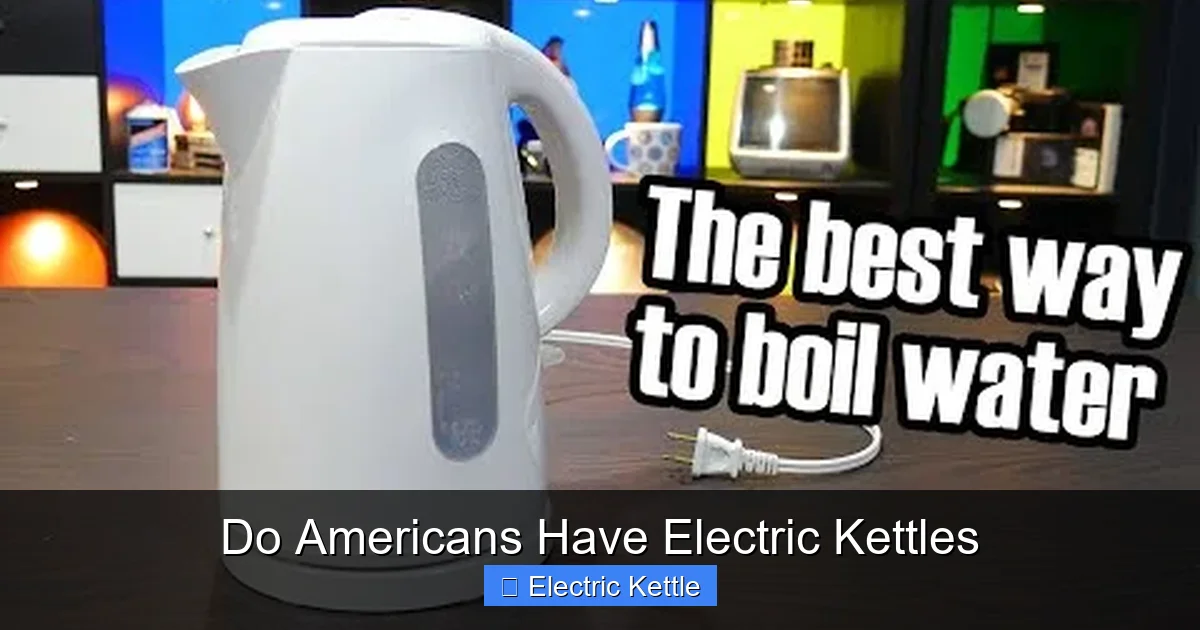
Visual guide about Do Americans Have Electric Kettles
Image source: i.ytimg.com
To understand why electric kettles aren’t as widespread in American homes, it helps to look at cultural and historical context. In countries like the United Kingdom, Japan, and China, tea is deeply woven into daily life. Boiling water quickly and efficiently is a necessity, not a luxury. Electric kettles are standard kitchen gear—found in nearly every household.
In contrast, American drinking culture has long been dominated by coffee. The rise of drip coffee makers, French presses, and espresso machines has shaped how Americans prepare their morning brew. For decades, the idea of needing a separate appliance just to boil water seemed unnecessary. After all, you could use a stovetop kettle, a microwave, or even the coffee maker’s hot water function.
Another factor is kitchen space. Many American homes are designed with large countertops and ample storage, but that doesn’t mean every appliance gets a permanent spot. With so many gadgets already competing for attention—blenders, toasters, air fryers, slow cookers—adding another device requires a strong justification. For years, the electric kettle didn’t make the cut for most households.
There’s also a simple issue of awareness. Many Americans don’t realize how much time and energy they could save with an electric kettle. They’re used to waiting for a pot of water to boil on the stove or reheating water in the microwave, not knowing that an electric kettle can do it in half the time—and use less electricity.
Cultural Differences in Beverage Habits
One of the biggest reasons electric kettles haven’t taken off in the U.S. is the difference in beverage culture. In the UK, tea is often consumed multiple times a day—morning, afternoon, and evening. The ritual of “putting the kettle on” is a social and comforting act. Electric kettles support this habit by making it quick and easy to boil water whenever needed.
In America, coffee reigns supreme. According to the National Coffee Association, over 60% of Americans drink coffee daily. And while some coffee methods—like pour-over or French press—do require hot water, many people rely on automatic drip machines that heat water internally. This reduces the need for a separate boiling device.
That said, the rise of specialty coffee has changed things. More Americans are exploring manual brewing methods that require precise water temperatures. Pour-over coffee, for example, tastes best when water is heated to around 200°F (93°C)—not quite boiling, but close. Electric kettles with temperature control make this easy, which is why they’re becoming popular among coffee enthusiasts.
The Role of Kitchen Appliance Trends
Kitchen trends also play a role in the adoption of electric kettles. In recent years, there’s been a shift toward minimalism, efficiency, and smart appliances. People want tools that save time, reduce clutter, and perform multiple functions. Electric kettles fit this trend perfectly.
Unlike stovetop kettles, which require monitoring and can take several minutes to boil, electric kettles heat water rapidly—often in under three minutes. Many models feature auto shut-off, so you don’t have to worry about forgetting them on the stove. Some even have keep-warm functions, maintaining the water temperature for up to an hour.
Additionally, modern electric kettles come in sleek designs that appeal to American aesthetics. Stainless steel, glass, and matte finishes are common, and many are cordless for easy pouring. These features make them not just functional, but stylish additions to the kitchen.
The Rise of Electric Kettles in American Homes
Despite historical and cultural barriers, electric kettles are quietly making their way into more American kitchens. Several factors are driving this growth, from changing lifestyle habits to technological advancements.
One major catalyst is the increase in remote work and home-based lifestyles. With more people working from home, the demand for convenient, quick kitchen solutions has risen. An electric kettle lets you boil water for tea, coffee, or instant meals in minutes—no need to wait for a pot to heat up or reheat water in the microwave.
College students are another key demographic. Dorm rooms often lack full kitchens, but many allow small appliances like microwaves and electric kettles. For students who want a hot drink or instant noodles without leaving their room, an electric kettle is a game-changer. Compact, affordable models are especially popular on campuses.
Health and wellness trends are also contributing. As more Americans embrace herbal teas, bone broth, and other hot beverages for their health benefits, the need for a reliable way to boil water has grown. Electric kettles make it easy to prepare these drinks quickly and safely.
Electric Kettles and the Coffee Revolution
The specialty coffee movement has been a major driver of electric kettle adoption in the U.S. While drip coffee makers are convenient, they don’t always deliver the best flavor. Manual brewing methods like pour-over, AeroPress, and Chemex allow for greater control over taste, but they require precise water temperature and pouring technique.
This is where electric kettles shine. Many high-end models come with variable temperature settings, allowing users to select the ideal heat for different types of coffee or tea. For example, green tea brews best at around 175°F (80°C), while black tea needs near-boiling water. Pour-over coffee typically calls for water just off the boil—around 200°F (93°C).
Kettles with gooseneck spouts are especially popular among coffee lovers. The narrow, curved spout allows for slow, controlled pouring, which is essential for even saturation of coffee grounds. This precision leads to a cleaner, more flavorful cup.
Brands like Fellow, Bonavita, and Breville have capitalized on this trend by designing kettles specifically for pour-over brewing. These models often include built-in thermometers, timers, and sleek designs that appeal to modern consumers.
Convenience for Busy Lifestyles
For many Americans, time is the most valuable resource. Between work, family, and social commitments, few people want to spend extra minutes waiting for water to boil. Electric kettles offer a solution.
Imagine this: You’re rushing to get ready in the morning. You want a cup of tea, but the stovetop kettle takes five minutes to heat up. With an electric kettle, you can have boiling water in under three minutes—often faster. Just fill it, plug it in, and walk away. Many models beep when the water is ready, so you don’t have to stand and watch.
This speed is especially useful for parents, caregivers, or anyone preparing meals for others. Need hot water for baby formula? An electric kettle can deliver it safely and quickly. Making instant oatmeal or soup? Just press a button and walk away.
Even in offices, electric kettles are becoming more common. Shared kitchens often have microwaves, but they’re not ideal for boiling water—especially for tea or coffee. A small electric kettle on a desk or in a break room lets employees make hot drinks without waiting in line or using shared appliances.
Benefits of Using an Electric Kettle
So, what makes electric kettles worth considering? Beyond speed and convenience, they offer several practical advantages that appeal to a wide range of users.
Energy Efficiency
One of the biggest benefits of electric kettles is energy efficiency. They use less electricity than stovetop kettles or microwaves to heat the same amount of water. This is because electric kettles are designed to transfer heat directly to the water, with minimal loss to the surrounding air.
According to energy experts, electric kettles can be up to 80% more efficient than stovetop models. They heat water faster and use only the energy needed to reach the desired temperature. Many also feature auto shut-off, which prevents overheating and saves power.
For environmentally conscious consumers, this efficiency translates to lower energy bills and a smaller carbon footprint. Over time, the savings can add up—especially for households that boil water multiple times a day.
Speed and Consistency
Speed is one of the most obvious advantages. Most electric kettles can boil a full liter of water in three to five minutes, depending on the model and starting temperature. This is significantly faster than a stovetop kettle, which can take six to ten minutes on a gas or electric burner.
But it’s not just about speed—consistency matters too. Electric kettles heat water evenly and reliably, reducing the risk of under- or over-boiling. This is especially important for tea and coffee, where water temperature affects flavor.
Some advanced models even have pre-programmed settings for different beverages. Press the “green tea” button, and the kettle heats water to the ideal temperature automatically. No guesswork, no thermometers needed.
Safety Features
Safety is a major concern when boiling water, especially in homes with children or elderly individuals. Electric kettles are designed with safety in mind.
Most models include auto shut-off, which turns the kettle off as soon as the water reaches boiling point. This prevents dry boiling (when the kettle runs with little or no water), which can damage the unit or pose a fire risk.
Many also have boil-dry protection, which detects low water levels and shuts off the heating element. Some include cool-touch exteriors, so the outside of the kettle doesn’t get dangerously hot. Cordless designs reduce the risk of tripping or spilling, and some have locking lids to prevent accidental openings.
These features make electric kettles a safer choice than stovetop kettles, which require constant monitoring and can be knocked over.
Versatility Beyond Tea
While tea is the most common use, electric kettles are incredibly versatile. They’re great for:
– Making instant coffee or hot chocolate
– Preparing oatmeal, ramen, or instant soups
– Sterilizing baby bottles or pacifiers
– Cooking small portions of pasta or eggs
– Warming towels or compresses
In small kitchens or dorm rooms, this versatility is a huge plus. Instead of buying separate appliances for each task, one electric kettle can handle multiple jobs.
Some people even use them for cleaning. Boiling water can help sanitize sponges, utensils, or cutting boards. Just be sure to follow manufacturer guidelines to avoid damaging the kettle.
Choosing the Right Electric Kettle for Your Needs
With so many options on the market, how do you pick the right electric kettle? Here are some key factors to consider.
Capacity
Electric kettles come in various sizes, typically ranging from 0.5 liters to 1.7 liters. For individuals or small households, a 1-liter model is usually sufficient. Larger families or frequent entertainers may prefer a 1.5- to 1.7-liter kettle.
Keep in mind that larger kettles take up more counter space and may take slightly longer to boil. If you’re short on space, a compact model might be better.
Material
The most common materials are stainless steel, glass, and plastic. Each has pros and cons:
– Stainless steel: Durable, easy to clean, and retains heat well. Less likely to retain odors or stains.
– Glass: Allows you to see the water level and boiling process. Looks modern and sleek, but can be fragile.
– Plastic: Lightweight and affordable, but may retain smells or degrade over time. Look for BPA-free options.
For most users, stainless steel offers the best balance of durability and performance.
Features
Modern electric kettles come with a range of features. Consider what matters most to you:
– Temperature control: Essential for tea and coffee lovers. Look for models with multiple settings.
– Gooseneck spout: Ideal for pour-over brewing. Provides precise pouring control.
– Keep-warm function: Maintains water temperature for up to an hour.
– LED indicators: Show when the kettle is heating or ready.
– Cordless design: Makes pouring easier and reduces clutter.
Higher-end models may include digital displays, timers, or smartphone connectivity, but these aren’t necessary for most users.
Price
Electric kettles range from under $20 to over $150. Basic models are great for simple boiling tasks, while premium kettles offer advanced features for enthusiasts.
You don’t need to spend a lot to get a good kettle. Many mid-range models ($40–$80) offer excellent performance and durability. Just avoid extremely cheap models, which may lack safety features or break quickly.
Common Misconceptions About Electric Kettles
Despite their benefits, some myths still surround electric kettles. Let’s clear up a few.
“They’re Only for Tea”
While tea is a common use, electric kettles are far from one-trick ponies. As mentioned earlier, they’re great for coffee, cooking, cleaning, and more. Think of them as a multi-purpose hot water station.
“They’re Expensive”
Basic electric kettles start around $15–$20. You don’t need to spend a fortune to enjoy the convenience. Even budget models offer faster boiling and better safety than stovetop kettles.
“They Use a Lot of Electricity”
Actually, the opposite is true. Electric kettles are more energy-efficient than stovetops or microwaves. They heat water quickly and shut off automatically, reducing waste.
“They’re Hard to Clean”
Most electric kettles are easy to maintain. Rinse the interior regularly, and descale with vinegar or a commercial cleaner every few months to prevent mineral buildup.
Conclusion: The Future of Electric Kettles in America
So, do Americans have electric kettles? The answer is increasingly yes. While they’re not yet as common as in other countries, their popularity is on the rise. Driven by convenience, energy efficiency, and the growth of specialty coffee and tea culture, electric kettles are finding their place in American kitchens.
Whether you’re a tea lover, a coffee connoisseur, a busy parent, or a college student, an electric kettle can make your life easier. It’s a simple appliance with big benefits—faster boiling, safer operation, and greater versatility.
As awareness grows and more people experience the convenience firsthand, it’s likely that electric kettles will become as common in the U.S. as they are in the UK or Japan. The future of American kitchens may just include a whistling kettle after all.
Frequently Asked Questions
Do most Americans own an electric kettle?
No, most Americans do not currently own an electric kettle, but ownership is growing. While they’re not yet standard in U.S. kitchens, more people are buying them for their speed and convenience.
Why don’t Americans use electric kettles as much as Europeans?
Cultural habits play a big role. Americans drink more coffee than tea, and many rely on drip coffee makers. Additionally, awareness of electric kettles’ benefits has been slower to spread in the U.S.
Can you use an electric kettle for coffee?
Yes! Electric kettles are excellent for pour-over coffee, French press, and instant coffee. Models with temperature control are especially helpful for achieving the perfect brew.
Are electric kettles energy efficient?
Yes, electric kettles are more energy efficient than stovetop kettles or microwaves. They heat water faster and use only the energy needed, often with auto shut-off to save power.
Are electric kettles safe to use?
Yes, modern electric kettles include safety features like auto shut-off, boil-dry protection, and cool-touch exteriors. They’re generally safer than stovetop kettles when used properly.
What size electric kettle should I buy?
For individuals or couples, a 1-liter kettle is usually sufficient. Larger households may prefer 1.5 to 1.7 liters. Consider your counter space and typical usage when choosing.