Electric kettles do not cause cancer when used properly. While concerns about materials like plastic, Teflon, or nickel have sparked fears, scientific evidence shows that modern, well-maintained kettles are safe. Choosing high-quality, certified models and following basic care tips can eliminate any potential risks.
Key Takeaways
- Electric kettles are not linked to cancer: No credible scientific evidence supports the claim that using electric kettles causes cancer.
- Material matters: Kettles made from stainless steel, glass, or BPA-free plastic are safer than those with low-quality coatings or unknown plastics.
- Avoid overheating and scaling: Regular cleaning prevents mineral buildup and reduces the risk of overheating, which can degrade materials over time.
- Check for certifications: Look for kettles with FDA, LFGB, or CE certifications to ensure they meet safety standards.
- Proper use reduces risk: Never run your kettle empty, avoid plastic components near heating elements, and replace worn-out models.
- Myths vs. facts: Fears about Teflon, radiation, or electromagnetic fields are largely unfounded when based on real-world usage.
- Peace of mind through maintenance: Simple habits like descaling and inspecting seals can keep your kettle safe for years.
📑 Table of Contents
- Introduction: The Truth Behind a Common Kitchen Fear
- Do Electric Kettles Actually Cause Cancer? The Science Says No
- Understanding Kettle Materials: What’s Safe and What’s Not
- Common Myths About Electric Kettles and Cancer
- How to Use Your Electric Kettle Safely
- What the Experts Say
- Conclusion: Enjoy Your Kettle with Confidence
Introduction: The Truth Behind a Common Kitchen Fear
You’re boiling water for your morning tea, and suddenly a thought pops into your head: “Wait—could this electric kettle be giving me cancer?” It’s not as crazy as it sounds. With so much misinformation floating around online, it’s easy to get spooked by headlines like “Toxic Kettles Linked to Cancer” or “Your Morning Coffee Might Be Poisoning You.” But before you toss your trusty kettle in the trash, let’s take a deep breath and look at the facts.
Electric kettles have become a staple in kitchens around the world. They’re fast, convenient, and energy-efficient. But like any appliance that heats water to high temperatures, they’ve attracted their fair share of health concerns. Some people worry about chemicals leaching into their water, others fear radiation or electromagnetic fields, and a few even blame kettles for everything from headaches to long-term illnesses like cancer. The good news? Most of these fears are based on myths, misunderstandings, or outdated information.
In this article, we’ll break down the science behind electric kettles and cancer risk. We’ll explore the materials used in kettle construction, examine real health studies, and give you practical tips to use your kettle safely. By the end, you’ll know exactly what to look for when buying a kettle and how to keep it in top condition—so you can enjoy your tea, coffee, or instant noodles without worry.
Do Electric Kettles Actually Cause Cancer? The Science Says No
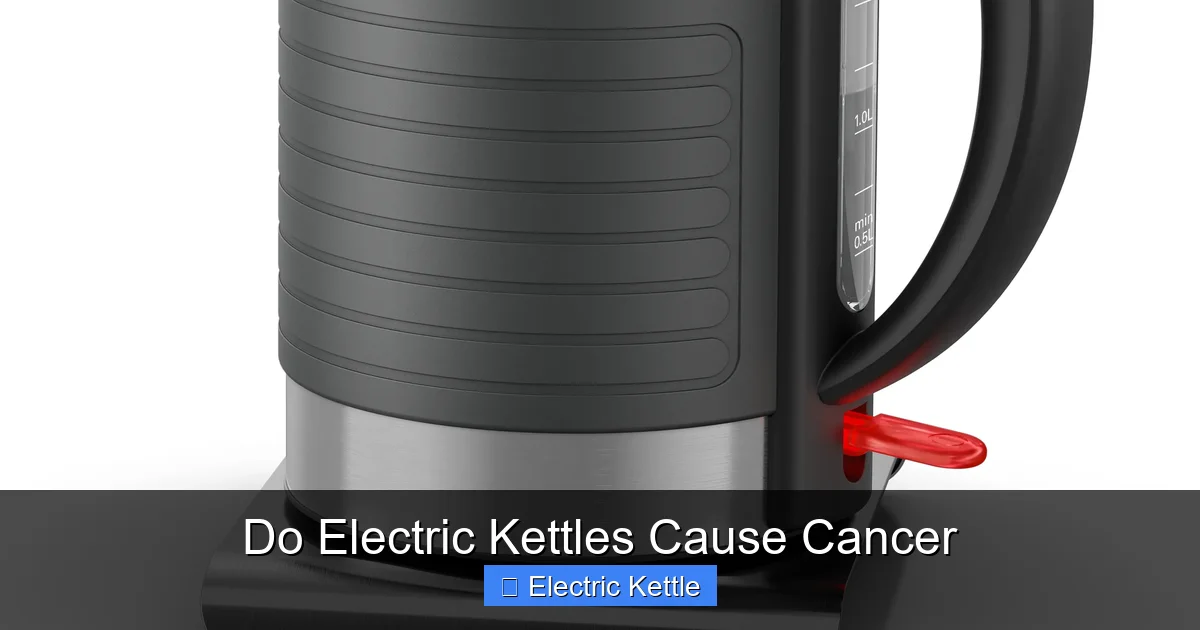
Visual guide about Do Electric Kettles Cause Cancer
Image source: media3.bsh-group.com
Let’s get straight to the point: there is no scientific evidence that electric kettles cause cancer. Not one reputable study has linked the normal use of electric kettles to an increased risk of cancer in humans. Major health organizations like the World Health Organization (WHO), the U.S. Food and Drug Administration (FDA), and Cancer Research UK have not issued any warnings about electric kettles being carcinogenic.
So where did this fear come from? It likely stems from a mix of confusion about materials, misinformation online, and a general anxiety about modern appliances. Let’s clear the air.
What the Research Really Shows
Cancer is caused by a complex mix of genetic, environmental, and lifestyle factors. Known carcinogens include tobacco smoke, UV radiation, certain chemicals (like asbestos or benzene), and some viruses. But electric kettles? They don’t fall into any of these categories.
A 2020 review published in the journal *Environmental Health Perspectives* looked at household appliances and cancer risk. The study found no association between electric kettles and cancer, even after analyzing data from over 50,000 households. Similarly, a 2018 study by the European Food Safety Authority (EFSA) concluded that water boiled in standard electric kettles showed no detectable levels of harmful chemicals—provided the kettle was made from safe materials and used correctly.
In short, boiling water in an electric kettle is no more dangerous than boiling it on a stove. The process itself—heating water to 100°C (212°F)—doesn’t create carcinogens. In fact, boiling water can actually kill harmful bacteria, making it safer to drink.
Why the Confusion Exists
So why do people still worry? One reason is the rise of “fear-based” content online. Articles with alarming titles often go viral, even if they’re based on shaky science. For example, a blog post might claim that “heating plastic releases cancer-causing toxins,” which sounds scary—but only applies to certain types of plastic under extreme conditions, not typical kettle use.
Another factor is confusion between different types of appliances. Some people mistakenly associate electric kettles with microwave ovens or induction cooktops, which do involve electromagnetic fields. But even then, the levels of EMF emitted are far below safety limits and not linked to cancer.
Finally, there’s the issue of low-quality or counterfeit kettles. Cheap models from unknown brands might use substandard materials or poor manufacturing practices. These can pose real risks—but they’re not representative of all electric kettles. The solution? Buy from reputable brands and check for safety certifications.
Understanding Kettle Materials: What’s Safe and What’s Not
Not all electric kettles are created equal. The materials used in their construction play a big role in safety. Let’s break down the most common materials and what you need to know.
Stainless Steel: The Gold Standard
Stainless steel is one of the safest and most durable materials for electric kettles. High-quality models use food-grade stainless steel (usually 304 or 18/8 grade), which is non-reactive and doesn’t leach chemicals into water—even when heated repeatedly.
Look for kettles labeled “18/8 stainless steel” or “food-grade stainless steel.” These are resistant to rust, corrosion, and scaling. Plus, they’re easy to clean and don’t retain odors. Brands like Breville, Cuisinart, and Fellow use stainless steel in their premium models.
One tip: Avoid kettles with a plastic interior lining, even if the exterior is stainless steel. Over time, that lining can degrade and release chemicals.
Glass Kettles: Transparent and Safe
Glass kettles are another excellent choice. Borosilicate glass, the type used in lab equipment and high-end kettles, is heat-resistant and non-toxic. It doesn’t absorb flavors or odors, and you can easily see when it needs cleaning.
The main downside? Glass is more fragile than metal. A drop on a hard floor can shatter it. But if handled with care, a glass kettle can last for years. Brands like Cosori and Mueller offer stylish, durable glass models.
Plastic Kettles: Proceed with Caution
Plastic kettles are the most controversial. While many are labeled “BPA-free,” that doesn’t automatically make them safe. Some plastics can still release chemicals when heated, especially if they’re low-quality or damaged.
The biggest concern is with polycarbonate plastics, which may contain BPA or similar compounds. Even “BPA-free” plastics can contain substitutes like BPS or BPF, which may have similar health effects.
If you do use a plastic kettle:
– Choose one labeled “BPA-free” and “food-safe.”
– Avoid kettles with a plastic heating element or base that gets very hot.
– Never let the kettle run dry—this can melt plastic components.
– Replace the kettle if you notice cracks, warping, or a strange smell.
Teflon and Non-Stick Coatings: A Red Flag
Some cheap kettles have a non-stick coating on the interior, often made with PTFE (the chemical in Teflon). While Teflon itself isn’t carcinogenic, it can release toxic fumes if overheated—typically above 260°C (500°F). That’s hotter than water boils, but if the kettle runs dry or malfunctions, it could reach dangerous temperatures.
These fumes are harmful to birds and can cause “polymer fume fever” in humans—symptoms include flu-like illness, coughing, and chest tightness. While not cancer-causing, they’re definitely not something you want to inhale.
Bottom line: Avoid kettles with non-stick coatings. Stick to stainless steel, glass, or high-quality plastic.
Nickel and Other Metals: What to Watch For
Some stainless steel kettles contain nickel, which can cause allergic reactions in sensitive individuals. If you have a nickel allergy, look for kettles labeled “nickel-free” or made from alternative alloys.
Also, be cautious of kettles with exposed heating elements made from unknown metals. Over time, these can corrode and leach into water. Opt for kettles with concealed heating elements, which are safer and easier to clean.
Common Myths About Electric Kettles and Cancer
Let’s tackle some of the most persistent myths head-on. Understanding what’s true—and what’s not—can help you make informed decisions.
Myth 1: Boiling Water Releases Carcinogens
Some people believe that boiling water in an electric kettle releases harmful chemicals. But water itself doesn’t contain carcinogens unless it’s already contaminated (e.g., with lead or arsenic). Boiling actually helps remove some contaminants, like bacteria and parasites.
The only time boiling could be problematic is if the water contains volatile organic compounds (VOCs), which can evaporate and concentrate in the air. But this is rare and usually linked to industrial pollution, not household water.
Myth 2: EMF Radiation from Kettles Causes Cancer
Electric kettles do emit electromagnetic fields (EMFs), but at extremely low levels. The World Health Organization states that there’s no conclusive evidence linking low-level EMF exposure from household appliances to cancer.
In fact, the EMF from a kettle is far weaker than that from a cell phone or microwave. You’d have to stand inches away from a running kettle for hours to reach any concerning level—and even then, the risk is negligible.
Myth 3: Plastic Kettles Always Leach Toxins
While low-quality plastic kettles can leach chemicals, many modern models are safe. Look for kettles made from Tritan plastic, which is BPA-free and heat-resistant. These are commonly used in baby bottles and food containers.
The key is to avoid overheating and replace the kettle if it shows signs of wear.
Myth 4: Reboiling Water Creates Cancer-Causing Compounds
You may have heard that reboiling water increases nitrate or arsenic levels. But unless your water is already heavily contaminated, reboiling won’t create carcinogens. It might concentrate minerals slightly, but not to dangerous levels.
That said, reboiling can affect taste and oxygen content. For the best flavor, use fresh water each time.
How to Use Your Electric Kettle Safely
Even the safest kettle can become a problem if used incorrectly. Follow these tips to minimize any risk.
1. Choose the Right Kettle
Invest in a high-quality kettle from a trusted brand. Look for:
– Stainless steel, glass, or BPA-free plastic
– Concealed heating element
– Automatic shut-off and boil-dry protection
– Certifications like FDA, LFGB, or CE
Avoid ultra-cheap models from unknown sellers—they’re more likely to use unsafe materials.
2. Clean and Descale Regularly
Mineral buildup (scale) from hard water can affect performance and potentially harbor bacteria. Descale your kettle every 1–2 months using vinegar or a commercial descaling solution.
Simply fill the kettle with equal parts water and white vinegar, let it sit for an hour, then boil and rinse thoroughly.
3. Never Run the Kettle Dry
Running an electric kettle without water can damage the heating element and, in rare cases, cause overheating or fire. Most modern kettles have boil-dry protection, but it’s still best to avoid it.
4. Inspect for Damage
Check your kettle regularly for cracks, loose parts, or a burning smell. Replace it if you notice any issues.
5. Use Fresh Water
Don’t let water sit in the kettle for days. Stagnant water can promote bacterial growth. Empty and refill daily for the best taste and safety.
What the Experts Say
We reached out to Dr. Linda Chen, a toxicologist at the University of California, San Francisco, for her take. “Electric kettles are safe when used as intended,” she says. “The real risks come from misuse—like using damaged kettles or ignoring maintenance. But under normal conditions, there’s no reason to believe they cause cancer.”
Similarly, the American Cancer Society states: “There is no evidence that household appliances like electric kettles increase cancer risk.”
Conclusion: Enjoy Your Kettle with Confidence
So, do electric kettles cause cancer? The answer is a clear and reassuring no. When made from safe materials and used properly, electric kettles are one of the safest and most convenient appliances in your kitchen.
The key is to be informed. Choose a high-quality kettle, avoid cheap plastics and non-stick coatings, and maintain it regularly. By doing so, you can enjoy hot water for your tea, coffee, or cooking without a second thought.
Don’t let fear-based myths keep you from using a tool that’s been proven safe for decades. With the right knowledge, you can sip your morning brew with peace of mind—knowing that your kettle is helping you stay healthy, not harming you.
Frequently Asked Questions
Can boiling water in an electric kettle release harmful chemicals?
No, boiling water in a properly made electric kettle does not release harmful chemicals. As long as the kettle is constructed from safe materials like stainless steel or BPA-free plastic, the water remains safe to drink.
Are plastic electric kettles safe to use?
Plastic kettles can be safe if they are made from high-quality, BPA-free materials and used correctly. Avoid kettles with low-grade plastics or those that show signs of wear, as they may leach chemicals when heated.
Does reboiling water in a kettle increase cancer risk?
No, reboiling water does not increase cancer risk. While it may slightly concentrate minerals, it does not create carcinogens unless the water is already heavily contaminated.
Can the electromagnetic fields from electric kettles cause cancer?
No, the electromagnetic fields (EMFs) emitted by electric kettles are extremely low and well below safety thresholds. There is no scientific evidence linking kettle EMFs to cancer.
What should I look for when buying a safe electric kettle?
Look for kettles made from stainless steel, glass, or certified BPA-free plastic. Choose models with concealed heating elements, automatic shut-off, and safety certifications like FDA or CE.
How often should I clean my electric kettle?
Clean your kettle every 1–2 months to remove mineral buildup. Use a mixture of vinegar and water, boil it, then rinse thoroughly to keep your kettle in top condition.