[FEATURED_IMAGE_PLACEOLDER]
When it comes to cooking, precision matters—especially if you’re aiming for consistent results, whether you’re baking a delicate soufflé, crafting artisan bread, or meal prepping for the week. While traditional kitchen scales have long been a staple in serious home kitchens, a new wave of technology has introduced smart scales: digital devices that go beyond simple weight measurement by connecting to apps, tracking nutritional data, and even guiding you through recipes step by step. But do you really need a smart scale for cooking? That’s the million-dollar question—and one this comprehensive buying guide aims to answer.
This guide is designed for home cooks of all levels—from curious beginners to seasoned kitchen enthusiasts—who are considering whether a smart scale is worth the investment. We’ll break down everything you need to know, from how smart scales work and what features matter most, to how they compare with traditional scales and whether the added tech justifies the price. You’ll learn how to evaluate performance, build quality, app integration, and usability, so you can make a confident, informed decision. Whether you’re on a tight budget or ready to splurge on a high-end model, this guide will help you find the right fit for your cooking style and goals.
The smart scale market has exploded in recent years, with brands like Greater Goods, Etekcity, OXO, and Withings offering a range of options from under $30 to over $150. These devices promise to streamline your cooking process, improve accuracy, and even help with health tracking. But with so many choices, it’s easy to get overwhelmed. Some models focus on baking precision, while others double as body composition analyzers. Some sync with popular apps like MyFitnessPal or Yummly, while others work independently. Our goal is to cut through the noise and give you a clear, expert-level roadmap to choosing the best smart scale for your needs—without the fluff or marketing hype.
What to Look for When Buying Buying Guide
1. Budget & Price Range
Your budget is one of the most important factors when shopping for a smart scale. Prices can vary dramatically—from as low as $25 for basic digital models to $150+ for premium smart scales with advanced features. The key is to align your spending with your actual needs. If you’re a casual cook who occasionally bakes, a mid-range model ($50–$80) may offer the best balance of functionality and value. However, if you’re serious about baking, meal prepping, or tracking macros, investing in a higher-end model with superior accuracy and app integration could pay off in the long run.
Keep in mind that “smart” doesn’t always mean “expensive.” Many affordable smart scales offer Bluetooth connectivity, app syncing, and decent accuracy. But cheaper models may cut corners on build quality, battery life, or software reliability. On the other hand, premium models often include extras like multi-user profiles, body composition analysis, and compatibility with fitness apps—features that may not be necessary for pure cooking purposes.
2. Performance Specifications
Performance is where smart scales earn their keep. The most critical specs to evaluate are weight capacity, precision (measured in grams or ounces), and response time. For cooking, look for a scale with a minimum capacity of 5kg (11 lbs) and a precision of at least 1g (0.05 oz). This level of accuracy is essential for baking, where even small deviations can affect texture and rise.
Response time—how quickly the scale stabilizes and displays a reading—is often overlooked but crucial. A slow or jumpy display can be frustrating, especially when measuring small amounts of yeast, salt, or spices. High-end models typically respond in under 2 seconds, while budget options may lag or fluctuate.
Another performance factor is tare functionality. This allows you to zero out the weight of a container so you only measure the ingredient inside. Most smart scales include this, but some handle it more smoothly than others. Look for models with instant tare and the ability to tare multiple containers in sequence—ideal for complex recipes.
3. Build Quality & Durability
A smart scale is only as good as its construction. Since it will be used frequently—often with wet or sticky ingredients—it needs to withstand daily wear and tear. Look for scales made from tempered glass or high-grade stainless steel, which are easy to clean and resistant to scratches and stains. Avoid plastic platforms, which can warp over time or absorb odors.
The base should be sturdy and non-slip, with rubber feet to prevent sliding on countertops. Check the thickness of the platform: a thicker glass or metal surface generally indicates better durability. Also consider the weight of the scale itself—lighter models are more portable, but heavier ones often feel more solid and stable.
Water resistance is another key durability factor. While no kitchen scale is fully waterproof, many smart scales are rated IPX7 or similar, meaning they can survive splashes or brief immersion. This is especially important if you plan to rinse the platform under water. Always check the manufacturer’s cleaning instructions to avoid damaging the electronics.
4. Features & Functionality
This is where smart scales differentiate themselves from traditional models. The core feature is Bluetooth or Wi-Fi connectivity, which allows the scale to sync with a companion app on your smartphone or tablet. These apps can offer recipe guidance, ingredient tracking, nutritional analysis, and even step-by-step instructions.
Look for scales that support popular cooking and fitness apps like MyFitnessPal, Lose It!, or Yummly. Some models also integrate with voice assistants like Alexa or Google Assistant, allowing hands-free operation. For example, you can say, “Add 100 grams of flour,” and the scale will respond accordingly.
Other useful features include:
– Multi-user profiles: Great for families or roommates who want to track individual intake.
– Portion control modes: Helps divide ingredients into equal servings.
– Timer and alarm functions: Useful for timing mixing or resting periods.
– Unit conversion: Switch between grams, ounces, pounds, milliliters, and fluid ounces.
– Auto-off and low battery indicators: Preserve battery life and prevent unexpected shutdowns.
However, be cautious of feature bloat. Some smart scales come loaded with functions you’ll never use, like body fat analysis or heart rate monitoring—features more suited to bathroom scales than kitchen tools. Focus on what enhances your cooking experience.
5. Brand Reputation
Brand matters—especially when it comes to reliability, customer support, and software updates. Established brands like OXO, Etekcity, Greater Goods, and Withings have a track record of producing high-quality kitchen tools and responsive customer service. They’re also more likely to provide regular app updates and long-term compatibility with new devices.
Avoid unknown or generic brands, especially those sold exclusively through third-party marketplaces. These often lack proper documentation, have poor build quality, and disappear after a few months—leaving you with a bricked device and no support. Reading verified customer reviews on trusted sites like Amazon, Wirecutter, or Consumer Reports can give you insight into real-world performance and longevity.
6. Warranty & Support
A smart scale is an electronic device, and like any tech product, it can fail. That’s why warranty and customer support are critical. Most reputable brands offer at least a 1-year limited warranty, covering defects in materials and workmanship. Some premium models come with 2- or even 3-year coverage.
Pay attention to what the warranty includes. Does it cover water damage? What about battery replacement? Is there a repair or replacement policy? Also, check if the company provides accessible customer service—phone, email, or live chat—and whether they respond promptly.
Return policies are equally important. Ideally, you should have at least 30 days to test the scale and return it if it doesn’t meet your expectations. Some retailers, like Amazon or Best Buy, offer extended return windows, which can be helpful if you’re unsure about compatibility with your phone or cooking style.
7. Size & Portability
Consider where you’ll store and use your smart scale. Most models are compact—around 10–12 inches in diameter or length—and designed to fit on a standard countertop. However, if you have limited space, look for a slim profile or a model that can be wall-mounted or stored vertically.
Portability matters if you plan to take the scale to cooking classes, friends’ houses, or while traveling. Lighter models (under 2 lbs) are easier to transport, but may feel less stable. Some scales come with carrying cases or protective sleeves, which can be a nice bonus.
Also think about the display size and visibility. A large, backlit LCD screen is easier to read in low light or from awkward angles. Touch-sensitive buttons are sleek but can be less responsive with wet fingers. Physical buttons may be more reliable in a busy kitchen.
8. User Reviews & Ratings
Never buy a smart scale without checking user reviews. While manufacturer specs and marketing copy highlight the positives, real users reveal the quirks, bugs, and long-term reliability issues. Look for patterns in reviews: Are multiple people complaining about app crashes? Is the scale inaccurate with small measurements? Does the battery drain quickly?
Pay special attention to reviews from people with similar cooking habits to yours. A baker will care more about precision and tare function, while a meal prepper might prioritize app integration and portion control. Also, check the date of reviews—older models may have been updated or discontinued.
Sites like Amazon, Best Buy, and specialized cooking forums (like Reddit’s r/Cooking or r/Baking) are great resources. Look for detailed reviews with photos or videos, as these often provide the most honest assessment.
Different Types of Buying Guide

Common Buying Mistakes to Avoid
❌ Mistake: Prioritizing Features Over Accuracy
Why it’s bad: A smart scale packed with features is useless if it can’t measure ingredients accurately. Many budget models boast app connectivity and voice control but suffer from inconsistent readings, especially with small quantities.
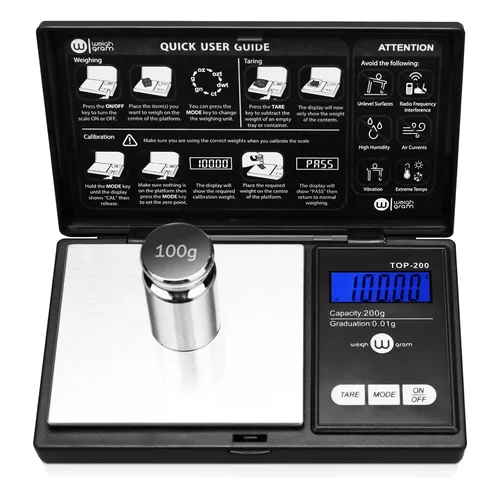
What to do instead: Always check the precision spec (look for 1g or better) and read user reviews about real-world accuracy. Test the scale with known weights if possible.
❌ Mistake: Ignoring App Compatibility
Why it’s bad: If the scale’s app doesn’t work with your phone’s operating system (iOS or Android), or if it’s poorly designed, the “smart” features become irrelevant. Some apps are buggy, slow, or lack recipe databases.
What to do instead: Download the app before buying and test it on your device. Check if it supports your preferred cooking or fitness apps. Look for apps with regular updates and good ratings.
❌ Mistake: Overlooking Cleaning and Maintenance
Why it’s bad: Kitchen scales get dirty. If the platform isn’t easy to clean or the electronics aren’t protected, food residue can build up, affect accuracy, or damage the device.
What to do instead: Choose a scale with a smooth, non-porous surface and water-resistant design. Avoid models with crevices or hard-to-reach areas. Wipe down after every use.
❌ Mistake: Buying Based on Price Alone
Why it’s bad: The cheapest scale may save you $20 upfront but cost you in frustration, inaccuracy, or short lifespan. Conversely, the most expensive model may have features you’ll never use.
What to do instead: Focus on value—what you get for the price. A $70 scale with excellent accuracy and reliable app integration is often a better deal than a $120 model with gimmicks.
❌ Mistake: Not Considering Long-Term Use
Why it’s bad: A scale that works great today might become obsolete if the company stops supporting the app or stops making replacement parts.
What to do instead: Choose a reputable brand with a history of long-term support. Check if the scale uses standard batteries or has a replaceable battery compartment.
❌ Mistake: Assuming All Smart Scales Are the Same
Why it’s bad: There’s a huge difference between a $30 Bluetooth scale and a $130 model with professional-grade sensors and multi-user profiles. Treating them as interchangeable leads to disappointment.
What to do instead: Define your needs first. Are you baking sourdough? Tracking macros? Cooking for a family? Match the scale to your specific use case.
Budget Guidelines: How Much Should You Spend?
– Entry-Level ($20 – $40): These are basic digital scales with limited smart features—if any. They’re great for casual cooking and occasional baking. Expect decent accuracy and simple tare function, but no app connectivity. Ideal for beginners or those on a tight budget.
– Mid-Range ($50 – $80): This is the sweet spot for most home cooks. You’ll find reliable smart scales with Bluetooth, app integration, good precision (1g), and solid build quality. Models in this range often include multi-user support, recipe modes, and compatibility with popular apps. Perfect for meal preppers, health-conscious cooks, and serious bakers.
– Premium ($80 – $120): For enthusiasts and advanced users, premium smart scales offer top-tier accuracy, faster response times, and enhanced durability. Look for features like Wi-Fi connectivity, voice control, advanced nutritional tracking, and compatibility with professional recipe platforms. These are ideal for those who cook daily and demand consistency.
– Luxury ($120+): At this level, you’re paying for brand prestige, ultra-premium materials, and cutting-edge tech. Some models double as body composition analyzers or integrate with smart home systems. While impressive, these are often overkill for pure cooking purposes unless you’re a professional or tech enthusiast.
Expert Tips for Getting the Best Deal
– Buy during seasonal sales: Look for discounts during Black Friday, Cyber Monday, Amazon Prime Day, or back-to-school season. Many smart scales drop 20–30% during these events.
– Check refurbished or open-box options: Reputable retailers like Amazon Renewed or Best Buy Outlet often sell certified pre-owned scales at significant discounts, with full warranties.
– Compare prices across retailers: Don’t just buy from the first site you see. Check Amazon, Walmart, Target, and specialty kitchen stores. Use price-tracking tools like Honey or CamelCamelCamel to find the lowest historical price.
– Read the fine print on warranties: Some brands offer extended warranties if you register the product within 30 days. Take advantage of this for added peace of mind.
– Test the app before committing: Download the companion app and explore its features. If it’s clunky or lacks the recipes you want, the scale may not be worth it.
– Consider bundle deals: Some brands sell smart scales with measuring cups, recipe books, or subscription services. These can add value if you need the extras.
– Check return policies: Make sure you can return the scale if it doesn’t work with your phone or cooking style. Avoid retailers with restocking fees or short return windows.
– Look for user manuals and support online: A well-documented product with active customer forums is a good sign of long-term support.

Frequently Asked Questions
Q: Do I really need a smart scale, or is a regular digital scale enough?
A: It depends on your cooking habits. If you bake frequently, track nutrition, or follow complex recipes, a smart scale can save time and improve accuracy. For simple cooking tasks, a basic digital scale may suffice.
Q: Can smart scales measure liquids?
A: Yes, most smart scales can convert weight to volume (e.g., grams to milliliters) for water-based liquids. However, this feature is less accurate for oils, honey, or other viscous liquids due to density differences.
Q: Do smart scales work without a smartphone?
A: Most smart scales can function as regular digital scales without the app, but you’ll miss out on recipe guidance, tracking, and advanced features. Always check if the scale has an onboard display and basic controls.
Q: Are smart scales accurate?
A: High-quality smart scales are very accurate, often within 1 gram. However, accuracy can be affected by placement (must be on a flat, stable surface), calibration, and battery level. Regular calibration ensures consistent results.
Q: How long do smart scale batteries last?
A: Most use AAA or rechargeable lithium batteries and last 6–12 months with regular use. Models with auto-off features and low-power displays tend to last longer.
Q: Can multiple people use the same smart scale?
A: Yes, many smart scales support multiple user profiles, allowing each person to track their own intake or measurements. This is especially useful for families or roommates.
Q: Are smart scales safe to use near water?
A: While not waterproof, most are water-resistant (IPX7 rated). You can wipe them down or rinse the platform, but avoid submerging the entire unit or exposing the electronics to steam.
Q: Do smart scales require Wi-Fi or just Bluetooth?
A: Most use Bluetooth to connect to your phone. A few premium models offer Wi-Fi for cloud syncing and remote access, but it’s not essential for basic cooking functions.
Q: Can I use a smart scale for body weight or fitness tracking?
A: Some multi-function models include body composition analysis (body fat, muscle mass, etc.), but these are less accurate than dedicated bathroom scales. Use them for trends, not medical data.
Q: What happens if the app stops working?
A: Choose a brand with a history of app updates. If the app is discontinued, the scale may still work as a basic digital scale, but you’ll lose smart features.
Our Final Recommendations
– Best for Budget-Conscious Buyers: Greater Goods Digital Food Scale ($35) – Reliable, accurate, and simple. No app needed, but great for basic cooking and baking.
– Best Overall Value: Etekcity Smart Food Scale ($60) – Excellent app integration, 1g precision, multi-user support, and durable build. Perfect for meal preppers and bakers.
– Best Premium Option: OXO Good Grips Stainless Steel Food Scale ($120) – Combines smart features with OXO’s legendary ergonomics and durability. Ideal for serious home cooks.
– Best for Beginners: KitchenAid Digital Scale ($50) – Easy to use, clear display, and solid performance. Great introduction to digital weighing.
– Best for Advanced Users: Withings Body+ Smart Scale ($130) – While marketed for health, its precision and app ecosystem make it excellent for cooking. Supports multiple users and integrates with major fitness apps.
Conclusion: Making the Right Choice
Deciding whether you need a smart scale for cooking ultimately comes down to your goals, habits, and how much you value precision and convenience. If you’re a casual cook who rarely bakes, a basic digital scale may be all you need. But if you’re serious about consistency—whether in baking, meal prepping, or tracking nutrition—a smart scale can be a game-changer.
This guide has walked you through the key factors: budget, performance, build quality, features, brand reputation, and more. We’ve compared different types, highlighted common pitfalls, and offered expert tips to help you get the best deal. Now it’s time to reflect on your own kitchen routine. What do you cook most? How important is accuracy? Do you want to track your intake or follow guided recipes?
By prioritizing your needs and avoiding the traps of feature overload or false economy, you can find a smart scale that enhances your cooking—not complicates it. Remember, the best tool is the one you’ll actually use. So take your time, do your research, and choose wisely. Your future self—and your perfectly measured sourdough—will thank you.