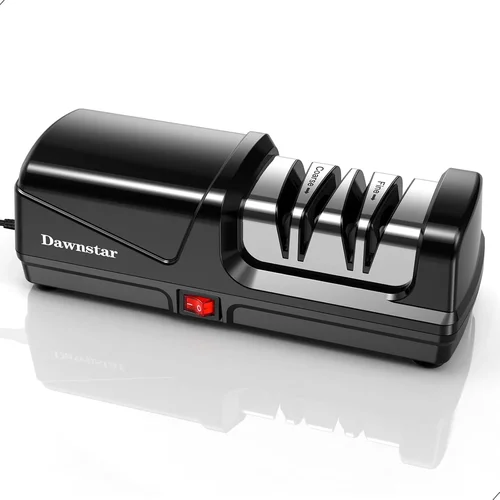
Knives are the unsung heroes of the kitchen—silent, essential, and often taken for granted until they’re dull. A sharp knife isn’t just a convenience; it’s a safety tool. In fact, dull knives are more dangerous than sharp ones because they require more force, increasing the risk of slips and serious cuts. That’s why maintaining a sharp edge is critical for both home cooks and professional chefs. But here’s the catch: keeping your knives sharp requires the right sharpening tool, and that brings us to a common dilemma—electric vs manual knife sharpeners. Which is safer? Which delivers better results? And which one fits your lifestyle?
This comprehensive buying guide is designed to cut through the confusion and help you make an informed decision in 2026. Whether you’re a culinary novice or a seasoned pro, understanding the differences between electric and manual sharpeners—especially when it comes to safety—can save you time, money, and potentially a trip to the emergency room. We’ll explore everything from performance and build quality to user experience and long-term value. By the end of this guide, you’ll know exactly what to look for, what to avoid, and which type of sharpener best suits your needs.
The knife sharpener market has evolved dramatically over the past decade. Gone are the days when a simple whetstone was the only option. Today, you’ll find everything from compact handheld pull-through sharpeners to high-tech electric models with multiple stages and precision guides. Brands like Chef’sChoice, Work Sharp, and Lansky dominate the space, offering tools tailored to different skill levels and budgets. Yet, despite the abundance of choices, many consumers still struggle to decide between electric and manual sharpeners—especially when safety is the top concern. This guide will not only compare these two categories head-to-head but also provide actionable insights to help you choose wisely.

What to Look for When Buying a Knife Sharpener
1. Safety Features
Safety should be your number one priority when selecting a knife sharpener. A tool that’s difficult to control or lacks proper safeguards can do more harm than good. Electric sharpeners often come with built-in safety mechanisms such as automatic shut-off, non-slip bases, and enclosed sharpening chambers that minimize finger exposure. These features are especially beneficial for beginners or those with limited hand strength or dexterity. Manual sharpeners, on the other hand, rely heavily on user technique. While they don’t pose an electrical risk, they can lead to accidental cuts if the blade slips during sharpening. Look for models with secure grips, blade guides, and finger guards. Some manual systems, like guided rod sharpeners, offer excellent control and reduce the risk of injury by keeping the blade at a consistent angle.
2. Performance Specifications
Performance boils down to how effectively and efficiently a sharpener restores a knife’s edge. Electric sharpeners typically use motorized abrasive wheels—often diamond, ceramic, or tungsten carbide—to grind and hone the blade in seconds. Many high-end models feature multi-stage systems: coarse grinding for damaged edges, medium sharpening for regular maintenance, and fine polishing for a razor-sharp finish. Manual sharpeners, such as whetstones or pull-through systems, require more time and effort but offer greater precision. Whetstones, for example, allow you to control the angle and pressure, making them ideal for Japanese knives or delicate blades. However, they demand practice to master. When evaluating performance, consider the sharpener’s ability to handle different blade types (straight-edge, serrated, Japanese, Western), its sharpening speed, and the consistency of the edge it produces.
3. Build Quality & Durability
A sharpener is an investment, and like any tool, it should last. Electric models are generally built with plastic housings and internal motors, which can wear out over time—especially if used frequently. Look for models with metal components in high-stress areas, such as the sharpening guides or motor mounts. Brands like Chef’sChoice and Work Sharp are known for their robust construction and long-lasting motors. Manual sharpeners vary widely in durability. High-quality whetstones made from natural Arkansas stone or synthetic materials like silicon carbide can last decades with proper care. Pull-through sharpeners with stainless steel or ceramic rods are also durable but may degrade if the abrasive surfaces wear down. Always check the materials used and read user reviews about long-term reliability.
4. Features & Functionality
Modern sharpeners come packed with features that enhance usability and results. Electric models often include preset angle guides (e.g., 15°, 20°), LED indicators, and automatic blade detection. Some even have built-in strops or honing wheels for finishing touches. These features make electric sharpeners user-friendly and consistent, especially for those who don’t want to worry about angle control. Manual sharpeners offer fewer automated features but greater flexibility. Whetstones, for instance, allow you to adjust the angle based on the knife type—15° for Japanese blades, 20° for Western knives. Guided systems like the Lansky Diamond Hone or the Work Sharp Guided Field Sharpener provide angle control without electricity. Consider which features align with your skill level and sharpening goals.
5. Brand Reputation
Not all sharpeners are created equal, and brand reputation matters. Established brands like Chef’sChoice, Work Sharp, Lansky, and DMT have spent years refining their products and earning trust among professionals and home users alike. These companies often invest in research and development, ensuring their sharpeners meet high standards for performance and safety. Lesser-known brands may offer cheaper alternatives, but they often cut corners on materials and quality control. Look for brands with a history of positive reviews, strong customer support, and transparent manufacturing practices. A reputable brand also typically offers better warranties and replacement parts, which can be crucial if something breaks down.
6. Warranty & Support
A solid warranty is a sign of confidence in a product’s quality. Most reputable electric sharpeners come with a 1- to 3-year limited warranty, covering defects in materials and workmanship. Some premium models even offer extended warranties or lifetime guarantees on specific components. Manual sharpeners, especially whetstones, often come with shorter or no warranties since they’re considered consumable items. However, brands like DMT provide excellent customer service and replacement policies. Before purchasing, check the warranty terms, return policy, and availability of customer support. A company that stands behind its product is more likely to resolve issues quickly if something goes wrong.
7. Size & Portability
Where and how you plan to use your sharpener will influence your choice. Electric models are typically larger and require a power source, making them best suited for kitchen countertops. If you travel frequently or enjoy outdoor cooking, a compact manual sharpener like a pocket whetstone or a portable guided system may be more practical. Some electric sharpeners, like the Work Sharp Ken Onion Edition, are designed with portability in mind and come with carrying cases. Manual sharpeners, especially folding or credit-card-sized models, are ideal for camping, fishing, or field use. Consider your lifestyle: do you need something for daily kitchen use, or do you require a travel-friendly option?
8. User Reviews & Ratings
Never underestimate the power of real-world feedback. User reviews provide insights that specs and marketing materials can’t. Look for patterns in reviews—consistent praise for ease of use or complaints about motor burnout can reveal a lot about a product’s reliability. Pay attention to reviews from users with similar needs (e.g., home cooks vs. chefs, beginners vs. experts). Websites like Amazon, Wirecutter, and BladeForums are excellent resources. Also, check for video reviews on YouTube, where you can see the sharpener in action and hear the sound of the motor or the scrape of the stone. A high average rating (4.5+ stars) with hundreds of reviews is usually a good sign.
Different Types of Knife Sharpeners

Common Buying Mistakes to Avoid
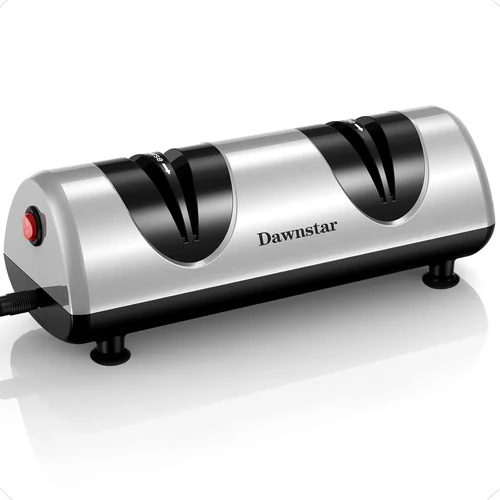
❌ Mistake: Choosing Based Solely on Price
Why it’s bad: Going for the cheapest option often means sacrificing safety, durability, and performance. A $10 pull-through sharpener might seem like a bargain, but it can create uneven edges, damage delicate blades, and even break during use. Similarly, ultra-cheap electric models may overheat or fail to maintain consistent angles.
What to do instead: Set a realistic budget based on your usage frequency and knife quality. For most home cooks, a $50–$100 sharpener offers the best balance of safety and performance. Invest in a reputable brand that prioritizes quality over cost-cutting.
❌ Mistake: Ignoring Blade Compatibility
Why it’s bad: Not all sharpeners work well with all knives. For example, many electric sharpeners are designed for Western-style knives with 20° angles and may over-grind Japanese blades that require a 15° edge. Using the wrong sharpener can ruin a high-end knife.
What to do instead: Check the manufacturer’s specifications to ensure compatibility with your knife type. If you own a mix of Japanese and Western knives, consider a manual whetstone or a guided system that allows angle adjustment.
❌ Mistake: Overlooking Safety Mechanisms
Why it’s bad: A sharpener without proper safety features increases the risk of injury. Electric models with exposed grinding wheels or flimsy bases can cause accidents, especially in homes with children or pets.
What to do instead: Prioritize models with non-slip feet, enclosed sharpening slots, and automatic shut-off. For manual sharpeners, choose ones with secure grips and blade guides to prevent slips.
❌ Mistake: Assuming All Electric Sharpeners Are Equal
Why it’s bad: Electric sharpeners vary widely in quality. Some use low-torque motors that struggle with thick blades, while others have poorly aligned guides that create uneven edges.
What to do instead: Research models with strong user reviews and professional endorsements. Look for features like multi-stage sharpening, adjustable angles, and durable construction.
❌ Mistake: Neglecting Maintenance Requirements
Why it’s bad: Even the best sharpeners require care. Electric models need occasional cleaning of debris, and whetstones must be flattened and stored properly. Ignoring maintenance reduces performance and lifespan.
What to do instead: Read the care instructions before buying. Choose a sharpener that fits your willingness to maintain it. For low-maintenance options, consider ceramic or diamond-coated manual sharpeners.
❌ Mistake: Buying Without Testing
Why it’s bad: You can’t judge a sharpener’s feel and effectiveness from specs alone. A model that looks great on paper might be awkward to use or produce inconsistent results.
What to do instead: If possible, test the sharpener in-store or watch detailed video reviews. Look for hands-on demonstrations that show ease of use, noise level, and edge quality.
❌ Mistake: Forgetting About Long-Term Value
Why it’s bad: A cheap sharpener might save money upfront but cost more in the long run if it breaks quickly or damages your knives. Conversely, overspending on a professional-grade tool may be unnecessary for casual use.
What to do instead: Consider total cost of ownership, including replacement parts, maintenance, and potential knife damage. Aim for a sharpener that offers durability and reliability over time.
Budget Guidelines: How Much Should You Spend?
When it comes to knife sharpeners, price often reflects quality—but that doesn’t mean you need to break the bank. Here’s a breakdown of what to expect at different price points:
Entry-Level ($10 – $30): This range includes basic pull-through sharpeners and inexpensive honing steels. They’re suitable for occasional use and low-cost knives but often lack precision and durability. Safety features are minimal, and performance can be inconsistent. Best for casual cooks who sharpen infrequently.
Mid-Range ($30 – $100): This is the sweet spot for most home users. You’ll find reliable electric sharpeners with multi-stage systems, decent build quality, and basic safety features. Manual options like guided rod sharpeners and mid-tier whetstones also fall here. These models offer a good balance of performance, safety, and value.
Premium ($100 – $200): Ideal for serious cooks and professionals. Electric models in this range feature high-torque motors, precision angle guides, and advanced safety mechanisms. Manual options include high-quality water stones and professional guided systems. Expect excellent edge retention, durability, and user-friendly designs.
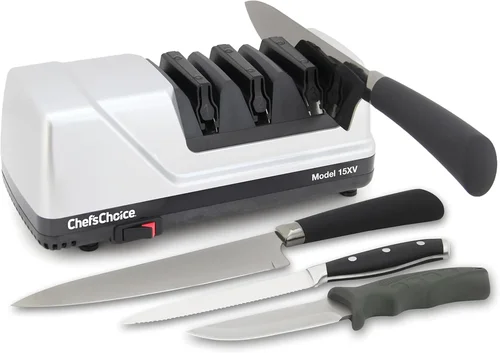
Luxury ($200+): Top-tier sharpeners like the Chef’sChoice Trizor XV or Work Sharp Ken Onion Edition offer cutting-edge technology, customizable angles, and exceptional build quality. These are best for knife enthusiasts, chefs, and collectors who demand the sharpest possible edge and are willing to invest in long-term performance.
Expert Tips for Getting the Best Deal
- Shop During Sales: Major retailers like Amazon, Williams Sonoma, and Sur La Table often run discounts during Black Friday, Prime Day, and holiday seasons. Sign up for newsletters to get early access to deals.
- Buy Refurbished or Open-Box: Reputable sellers like Amazon Renewed or manufacturer-certified refurbished programs offer high-quality sharpeners at reduced prices, often with full warranties.
- Compare Retailers: Prices can vary significantly between online and in-store options. Use price comparison tools or apps to find the best deal.
- Check Return Policies: Ensure the retailer offers a generous return window (at least 30 days) in case the sharpener doesn’t meet your expectations.
- Look for Bundles: Some brands offer knife sharpener kits that include stones, guides, or storage cases at a discounted rate.
- Read the Fine Print: Warranties often exclude normal wear and tear or misuse. Understand what’s covered before purchasing.
- Test Before Committing: If buying in-store, ask to see a demonstration. For online purchases, watch unboxing and review videos to assess build quality and usability.
- Consider Long-Term Costs: A slightly more expensive sharpener with low maintenance needs may save money over time compared to a cheaper model that requires frequent replacements.
Frequently Asked Questions
Q: Are electric knife sharpeners safe for beginners?
A: Yes, electric sharpeners are generally safer for beginners because they require minimal technique and often include safety features like automatic shut-off and enclosed sharpening slots. However, always read the manual and avoid forcing the knife through the slots.
Q: Can I use a manual sharpener on serrated knives?
A: Most manual pull-through sharpeners are not designed for serrated blades. Look for specialized sharpeners with ceramic rods or V-shaped slots that can reach the serrations. Whetstones can also be used with a rounded edge to match the serrations.
Q: How often should I sharpen my knives?
A: It depends on usage. Heavy users may need to sharpen every 1–2 months, while casual cooks can go 3–6 months. Use a honing steel weekly to maintain the edge between sharpenings.
Q: Do electric sharpeners remove too much metal?
A: Some electric models, especially those with aggressive grinding stages, can remove more metal than necessary. Look for sharpeners with fine honing stages or adjustable angles to minimize metal loss.
Q: Are whetstones difficult to use?
A: Whetstones require practice to master angle control and consistency. Beginners may find guided systems or electric sharpeners easier, but with patience, whetstones offer unparalleled precision.
Q: Can I sharpen scissors with a knife sharpener?
A: Most knife sharpeners are not designed for scissors. Some electric models have dedicated scissor slots, but for best results, use a specialized scissor sharpener or take them to a professional.
Q: What’s the difference between sharpening and honing?
A: Sharpening removes metal to create a new edge, while honing realigns the existing edge without removing material. Honing should be done regularly; sharpening is needed less frequently.
Q: Are diamond stones better than water stones?
A: Diamond stones are more durable and cut faster, making them great for quick touch-ups. Water stones provide a finer finish and are preferred by professionals for final polishing. Choose based on your needs.
Q: Can I over-sharpen a knife?
A: Yes, excessive sharpening can thin the blade and reduce its lifespan. Follow the manufacturer’s guidelines and avoid unnecessary passes through the sharpener.
Q: Do I need a different sharpener for Japanese knives?
A: Japanese knives typically have a 15° edge angle, while Western knives use 20°. Use a sharpener that allows angle adjustment or choose a model specifically designed for Japanese blades.
Our Final Recommendations
Best for Budget-Conscious Buyers: KitchenIQ Edge Grip Sharpener – At under $20, this manual pull-through sharpener offers reliable performance, a non-slip base, and two-stage sharpening. It’s ideal for casual cooks who want a safe, affordable option.
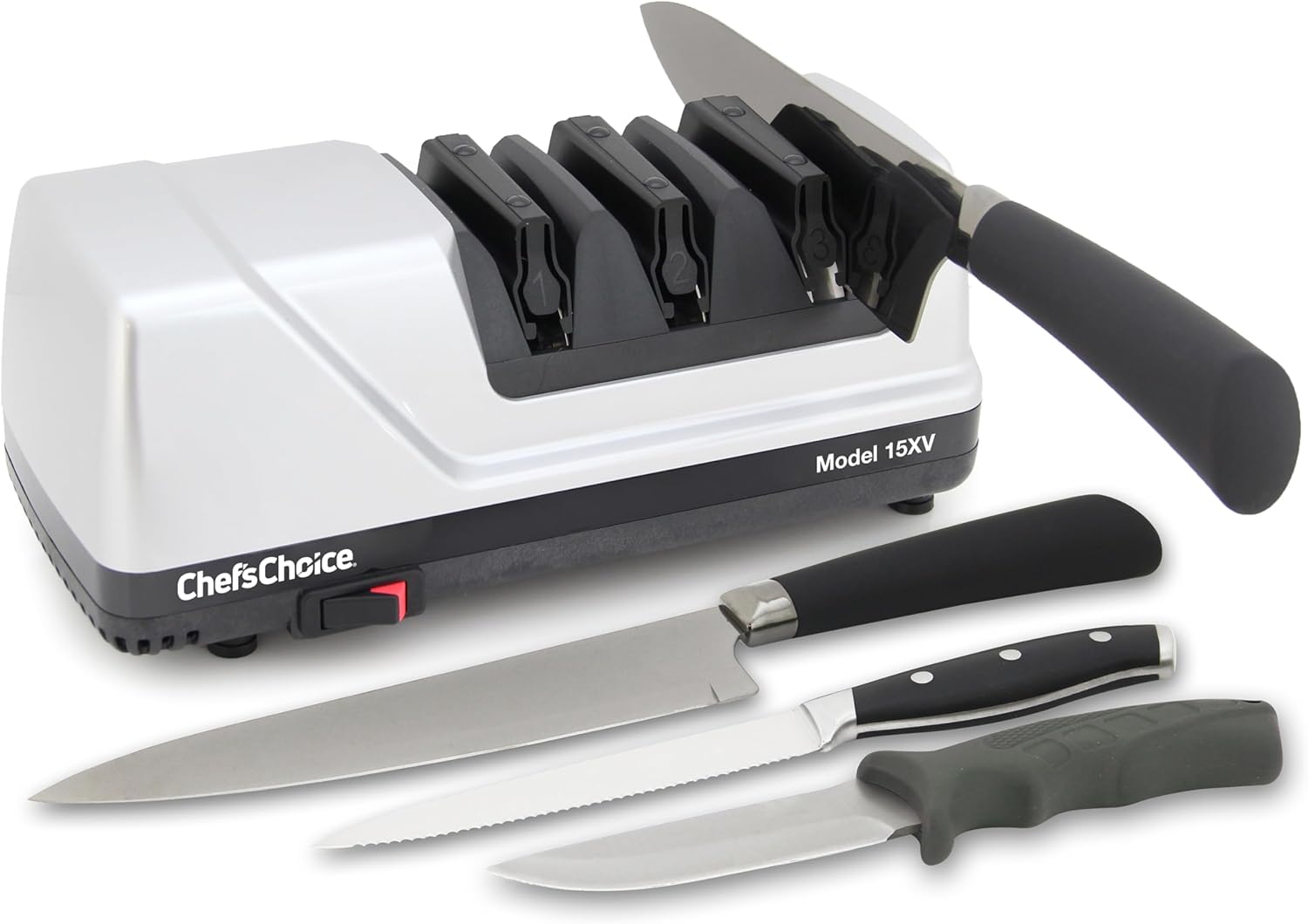
Best Overall Value: Chef’sChoice Model 1520 – This electric sharpener features a 15° angle for Asian knives, three-stage sharpening, and a quiet motor. It’s user-friendly, consistent, and built to last, making it perfect for most households.
Best Premium Option: Work Sharp Ken Onion Edition – Designed with input from a master bladesmith, this electric sharpener offers adjustable angles, belt-driven sharpening, and exceptional edge quality. It’s ideal for serious cooks and professionals.
Best for Beginners: Sharpie Electric Knife Sharpener – Simple, safe, and effective, this compact electric model is perfect for those new to sharpening. It’s easy to use, affordable, and includes a non-slip base.
Best for Advanced Users: DMT DuoSharp Plus – This dual-sided whetstone offers coarse and fine grits, a non-slip base, and excellent control. It’s a favorite among knife enthusiasts who value precision and craftsmanship.
Conclusion: Making the Right Choice
Choosing between an electric and manual knife sharpener ultimately comes down to your priorities: speed and convenience versus control and precision. When it comes to safety, electric sharpeners often have the edge—literally and figuratively—thanks to built-in safeguards and consistent performance. However, manual sharpeners, especially guided systems and whetstones, offer unmatched accuracy and are safer in the hands of experienced users.
Remember, the safest sharpener is the one you can use confidently and correctly. Don’t let cost, brand hype, or flashy features cloud your judgment. Instead, focus on your specific needs: how often you cook, the types of knives you own, your skill level, and your willingness to maintain the tool. A well-chosen sharpener not only keeps your knives in top condition but also reduces the risk of accidents in the kitchen.
Take the time to research, read reviews, and consider your long-term goals. Whether you go electric or manual, the right sharpener will become an indispensable part of your culinary toolkit. So sharpen wisely, cook safely, and enjoy the confidence that comes with a perfectly honed blade.