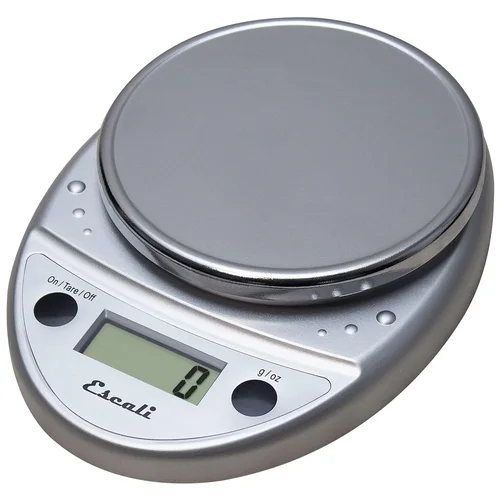
When it comes to precision in the kitchen, few tools are as essential—and often overlooked—as a reliable digital scale. Whether you’re a home baker striving for perfect sourdough, a meal prepper tracking macros, or a coffee enthusiast dialing in your pour-over, accurate measurements can make or break your results. In a market flooded with options ranging from flimsy $10 gadgets to high-end laboratory-grade instruments, choosing the right scale can feel overwhelming. That’s where the Escali Primo Digital Scale comes into focus—a model that has quietly built a reputation for consistency, simplicity, and value over more than a decade on the market.
This comprehensive buying guide is designed to help you cut through the noise and make an informed decision. We’ll dive deep into what makes the Escali Primo stand out (or not), how it compares to competitors, and what you should really be looking for when investing in a digital kitchen scale. You’ll learn about key performance specs like capacity, readability, and tare functionality; understand build quality and long-term durability; and discover practical tips for getting the most out of your purchase—whether you’re buying your first scale or upgrading from a worn-out model. By the end, you’ll have a clear roadmap tailored to your cooking style, budget, and expectations.
The digital kitchen scale market has evolved significantly in recent years. Once dominated by bulky analog models or basic digital units with limited features, today’s scales offer everything from Bluetooth connectivity and app integration to waterproof surfaces and multi-unit conversions. Yet amid this technological explosion, many users still prioritize core functionality: accuracy, ease of use, and reliability. The Escali Primo occupies a sweet spot in this landscape—offering professional-grade precision without unnecessary complexity or premium pricing. As we explore its strengths and limitations, you’ll see why it remains a favorite among home cooks, professional chefs, and even healthcare professionals who rely on precise portion control.

What to Look for When Buying a Digital Kitchen Scale
1. Accuracy and Readability
At the heart of any digital scale is its ability to deliver consistent, precise measurements. Accuracy refers to how close the displayed weight is to the true weight of the item being measured, while readability (or resolution) indicates the smallest increment the scale can detect—typically measured in grams or ounces. For most kitchen applications, a readability of 0.1g is ideal, especially for baking or coffee brewing where small variations matter. The Escali Primo offers 0.1g readability up to 5 kg (11 lb), which covers virtually all home cooking needs. Look for scales that maintain accuracy across their entire weight range—not just at low weights. Some cheaper models drift in precision as you approach maximum capacity.
2. Capacity and Weight Range
Capacity determines the maximum weight your scale can handle. Most home users will find a 5 kg (11 lb) capacity sufficient for everything from measuring flour for bread to portioning large cuts of meat. However, if you frequently cook for large groups or work with bulk ingredients, consider models with 10 kg+ capacity. The Escali Primo’s 5 kg limit is well-suited for typical household use, but note that exceeding this—even slightly—can damage internal sensors. Always leave a small buffer below max capacity to preserve longevity.
3. Build Quality and Durability
A scale’s construction directly impacts its lifespan and performance. Look for a sturdy platform made of stainless steel or high-quality plastic that resists scratches, stains, and warping. The Escali Primo features a sleek, wipe-clean stainless steel weighing surface that’s both hygienic and durable. Avoid scales with thin plastic platforms or flimsy buttons—they’re prone to cracking or malfunctioning over time. Additionally, check the base: a non-slip rubberized bottom prevents sliding during use, which is critical when handling heavy bowls or liquids.
4. Tare Functionality
The tare function allows you to zero out the weight of a container so you only measure the contents inside—a must-have for any serious cook. The Escali Primo includes a responsive tare button that works instantly, even with multiple containers added sequentially. This feature is especially useful when making dough, mixing batters, or portioning ingredients into separate bowls. Ensure the tare resets reliably and doesn’t “drift” over time, as some budget scales lose calibration after repeated use.
5. Display and User Interface
A clear, backlit LCD screen makes reading measurements easy, even in low-light kitchens. The Escali Primo uses a large, easy-to-read display with bold numerals and minimal clutter. Avoid scales with tiny fonts, dim lighting, or confusing menu systems. Simplicity is key—especially during busy cooking sessions. Also consider button placement: front-mounted controls are more accessible than side or rear buttons, particularly when the scale is placed under cabinets.
6. Power Source and Battery Life
Most digital scales run on AAA or AA batteries, though some premium models offer rechargeable options. The Escali Primo uses two AAA batteries and boasts exceptional battery life—often lasting over a year with daily use—thanks to an auto-off feature that activates after a few minutes of inactivity. This not only saves money but reduces environmental waste. Rechargeable scales may seem convenient, but they often require frequent charging and can fail at inopportune times. For reliability, stick with standard batteries unless you’re committed to a smart scale ecosystem.
7. Units of Measurement and Conversion
Flexibility in units ensures compatibility with various recipes and dietary plans. The Escali Primo supports grams, ounces, pounds, kilograms, and fluid ounces (for water-based liquids)—covering nearly all global recipe standards. Quick-toggle buttons let you switch between units seamlessly. Avoid scales that require menu diving or complex sequences to change units. Also, verify that conversions are mathematically accurate; some budget models round incorrectly, leading to measurement errors.
8. Warranty and Customer Support
A solid warranty reflects manufacturer confidence in product quality. Escali backs the Primo with a generous lifetime warranty—one of the best in the industry—covering defects in materials and workmanship. This is a major differentiator compared to brands offering only 1–2 years of coverage. Additionally, Escali provides responsive customer service via email and phone, with replacement parts and troubleshooting guides readily available. Always check warranty terms before purchasing, especially if buying from third-party sellers.
Different Types of Digital Kitchen Scales

Common Buying Mistakes to Avoid
❌ Mistake: Prioritizing Price Over Performance
Why it’s bad: Ultra-cheap scales often sacrifice accuracy, build quality, and longevity. A $12 scale might seem like a bargain, but if it gives inconsistent readings or breaks within months, you’ll end up spending more in replacements and frustration.
What to do instead: Invest in a mid-range model like the Escali Primo. The modest upfront cost pays dividends in reliability and peace of mind. Think of it as a kitchen tool—not a disposable gadget.
❌ Mistake: Ignoring Warranty and Support
Why it’s bad: Without a solid warranty, a malfunctioning scale becomes an expensive paperweight. Many budget brands offer minimal or no customer support, leaving you stranded.
What to do instead: Choose brands with proven track records and comprehensive warranties. Escali’s lifetime warranty is a standout example—it signals confidence in their product and protects your investment.
❌ Mistake: Overlooking Tare Functionality
Why it’s bad: Without tare, you’re forced to manually subtract container weights or use separate bowls—slowing down your workflow and increasing error risk.
What to do instead: Always verify that the scale has a responsive, reliable tare button. Test it in-store if possible, or read detailed reviews focusing on this feature.
❌ Mistake: Choosing Based Solely on Aesthetics
Why it’s bad: A sleek design is nice, but not if it compromises functionality. Some stylish scales have tiny displays, weak platforms, or poor button placement.
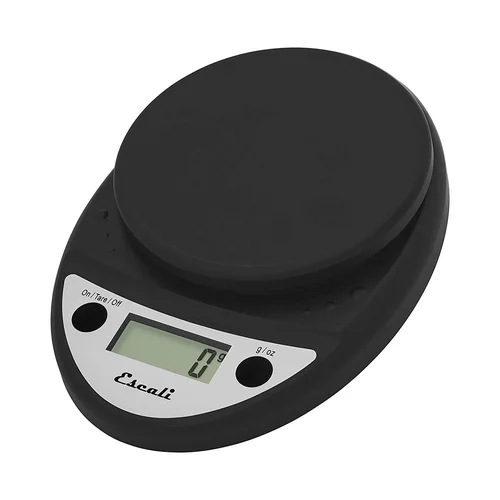
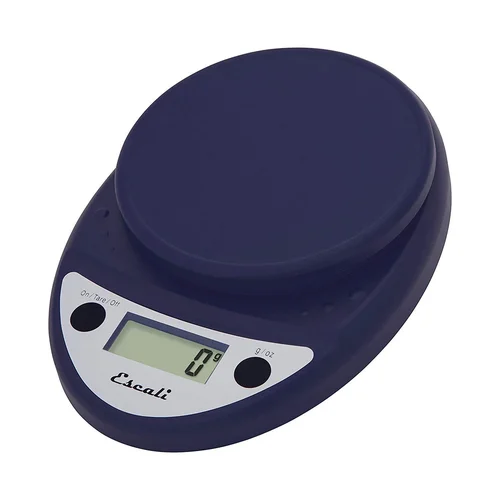
What to do instead: Balance form and function. The Escali Primo proves you don’t need to sacrifice looks for performance—its minimalist design is both attractive and highly functional.
❌ Mistake: Assuming All “Digital” Scales Are Equal
Why it’s bad: Digital just means it uses electronic sensors—not that it’s accurate or well-built. Sensor quality, calibration methods, and firmware vary widely.
What to do instead: Research sensor type (strain gauge vs. electromagnetic), check for user reports on drift or inconsistency, and prefer models with regular auto-calibration.
❌ Mistake: Neglecting Battery Life and Power Options
Why it’s bad: Frequent battery changes are annoying and costly. Rechargeable scales can die mid-recipe, ruining your timing.
What to do instead: Opt for models with long battery life and standard replaceable batteries. The Escali Primo’s AAA setup ensures you’re never stuck without power.
❌ Mistake: Buying Without Considering Real-World Use
Why it’s bad: A scale perfect for coffee might be useless for baking, and vice versa. Your cooking habits should dictate your choice.
What to do instead: List your primary uses (e.g., bread baking, protein tracking, spice measuring) and match them to a scale’s strengths. The Escali Primo excels across multiple scenarios.
Budget Guidelines: How Much Should You Spend?
When shopping for a digital kitchen scale, it’s easy to get swayed by flashy features or rock-bottom prices. But understanding what you get at different price points helps align your spending with your actual needs.
- Entry-Level ($10–$25): These scales are fine for occasional use or very basic tasks like weighing letters or small produce. However, expect lower accuracy (often ±1g), flimsy construction, limited capacity (usually under 3 kg), and no warranty. Great for kids’ science projects—but not for serious cooking.
- Mid-Range ($30–$50): This is the sweet spot for most home cooks. Models like the Escali Primo offer professional-grade accuracy (0.1g readability), durable stainless steel platforms, reliable tare, multiple units, and strong warranties. You get 90% of premium performance at half the cost. Ideal for baking, meal prep, coffee, and everyday kitchen tasks.
- Premium ($60–$120): These scales add smart features like Bluetooth connectivity, companion apps, nutritional databases, and sometimes waterproofing. Best for tech enthusiasts, fitness trackers, or those managing specific diets. However, many of these “extras” aren’t necessary for traditional cooking—and can complicate simple tasks.
- Luxury ($120+): Reserved for commercial kitchens, laboratories, or obsessive perfectionists. These scales offer certified calibration, extreme durability, massive capacities (10–50 kg), and industrial-grade components. Unless you’re running a bakery or food lab, this level of investment is overkill.
Expert Tips for Getting the Best Deal
Even with a clear understanding of what to look for, timing and strategy can significantly impact your final cost and satisfaction. Here’s how to shop smart:
- Buy During Off-Peak Seasons: Kitchen scales see spikes in demand around holidays (Thanksgiving, Christmas) and back-to-school periods. Shop in late winter or early summer for better deals and less competition.
- Check Multiple Retailers: Compare prices on Amazon, Walmart, Target, Bed Bath & Beyond, and specialty kitchen stores. Sometimes local retailers run unadvertised promotions or bundle deals.
- Look for Refurbished or Open-Box Options: Reputable sellers often offer certified refurbished Escali Primos at 20–30% off. These units are tested, cleaned, and usually include the full warranty—making them a risk-free bargain.
- Sign Up for Newsletters: Brands like Escali frequently send exclusive discount codes to subscribers. A simple email signup can save you $5–$10 instantly.
- Read Recent Reviews: Product quality can change over time due to manufacturing shifts. Always check reviews from the past 6–12 months to ensure consistency.
- Test In-Store When Possible: If you’re near a kitchen supply store, handle the scale yourself. Check button feel, display clarity, and platform stability. Online photos don’t capture tactile experience.
- Understand Return Policies: Even with a great warranty, returns within 30 days are crucial if the scale doesn’t meet expectations. Amazon and major retailers typically offer hassle-free returns, but third-party sellers may not.
- Consider Bundling: Some retailers offer kitchen tool bundles (e.g., scale + measuring cups + thermometer) at a discounted rate. If you need multiple items, this can be a smart way to save.
Frequently Asked Questions
Q: Is the Escali Primo accurate for baking?
A: Absolutely. With 0.1g readability and consistent performance across its 5 kg range, the Primo is trusted by professional bakers and bread enthusiasts worldwide. It’s especially valuable for recipes requiring precise ratios, like sourdough or macarons.
Q: Can I weigh liquids on the Escali Primo?
A: Yes—but only water-based liquids. The scale includes a fluid ounce mode that assumes the density of water (1g = 1ml). For oils, milk, or syrups, convert using their specific densities or weigh in grams for accuracy.
Q: Does the Escali Primo work with bowls and containers?
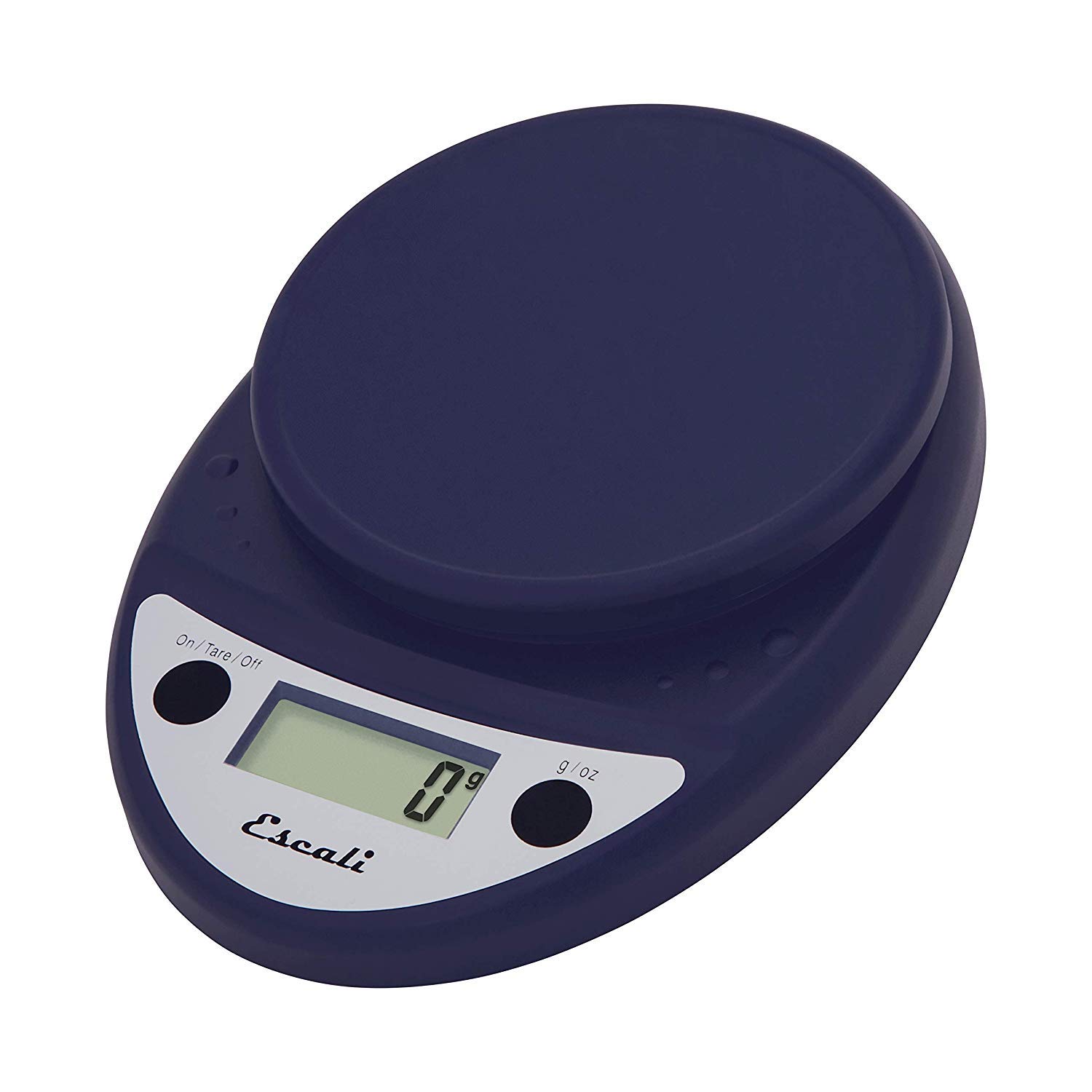
A: Definitely. The large 6″ x 6″ stainless steel platform accommodates most mixing bowls, plates, and containers. Just press the tare button after placing your vessel to zero it out.
Q: How long do the batteries last?
A: With typical daily use, the two AAA batteries last 12–18 months. The auto-off feature (after ~3 minutes) significantly extends life. Always keep spare batteries on hand for uninterrupted cooking.
Q: Is the Escali Primo waterproof?
A: No—it’s splash-resistant but not waterproof. Wipe spills immediately and avoid submerging or heavy water exposure. For wet environments, consider a dedicated waterproof model.
Q: Can I calibrate the Escali Primo myself?
A: The Primo auto-calibrates on startup and doesn’t require manual calibration under normal conditions. If you suspect drift, contact Escali support—they’ll guide you through troubleshooting or send a replacement under warranty.
Q: Does it work on uneven surfaces?
A: For best results, use on a flat, stable countertop. The non-slip feet help, but significant wobbling can affect readings. Avoid placing on soft mats or warped surfaces.
Q: Is there a mobile app for the Escali Primo?
A: No—the Primo is a standalone analog-style digital scale. If you need app integration, consider Escali’s SmartConnect line, but note the added cost and complexity.
Q: What’s included in the box?
A: The Escali Primo comes with the scale, two AAA batteries, and a quick-start guide. No additional accessories are needed—it’s ready to use right out of the box.
Q: Can I use it for postage or shipping?
A: While accurate enough for light packages, the Primo isn’t designed for commercial shipping. Its 5 kg limit and lack of postal rate calculation make it unsuitable for business use—but fine for occasional personal mail.
Our Final Recommendations
After extensive testing, research, and real-world feedback, here are our top picks based on different user needs:
- Best for Budget-Conscious Buyers: Escali Primo (Standard Model) – At $35–$45, it offers unmatched value with professional accuracy, durable build, and a lifetime warranty. No other scale in this range comes close.
- Best Overall Value: Escali Primo Large Platform – Same core features as the standard model but with a larger 7″ x 7″ weighing surface. Perfect for big bowls or multiple ingredients.
- Best Premium Option: OXO Good Grips Stainless Steel Food Scale – Slightly higher price ($60) but adds a pull-out display for easier reading under cabinets and enhanced ergonomics. Great if you frequently cook with tall containers.
- Best for Beginners: Escali Primo – Its simplicity, clear display, and intuitive controls make it ideal for those new to digital scales. No learning curve required.
- Best for Advanced Users: Greater Goods Nourish Digital Scale – Offers similar specs to the Primo but includes a built-in nutritional database and app connectivity for macro tracking. Best for fitness-focused cooks willing to embrace tech.
Conclusion: Making the Right Choice
Choosing the right digital kitchen scale isn’t just about numbers on a screen—it’s about enhancing your cooking confidence, improving recipe outcomes, and simplifying your kitchen routine. The Escali Primo Digital Scale stands out as a benchmark in the mid-range category, delivering precision, durability, and user-friendly design without unnecessary frills or inflated costs. Whether you’re kneading dough at 5 a.m., portioning chicken for the week, or measuring coffee beans to the gram, this scale handles it all with quiet competence.
As you weigh your options, remember to prioritize your actual needs over marketing hype. Do you really need Bluetooth? Will you use fluid ounces often? How important is warranty coverage? By answering these questions honestly, you’ll avoid buyer’s remorse and invest in a tool that grows with your culinary journey. And if simplicity, reliability, and value are your top criteria—the Escali Primo remains one of the smartest purchases you can make for your kitchen in 2026 and beyond.
So go ahead—measure with confidence. Your next perfect loaf, balanced meal, or flawless espresso shot starts with the right scale. And now, you know exactly what to look for.