Keeping your electric kettle clean is essential for great-tasting water and long-lasting performance. Over time, mineral buildup and residue can affect both flavor and heating efficiency, but with the right cleaning routine, you can easily maintain your kettle’s cleanliness and extend its lifespan.
Key Takeaways
- Regular cleaning prevents limescale buildup: Hard water leaves behind mineral deposits that can clog heating elements and alter water taste.
- Vinegar is a powerful natural cleaner: A simple vinegar-water solution effectively dissolves limescale without harsh chemicals.
- Lemon juice offers a fresh alternative: Natural citric acid in lemons helps break down deposits and leaves a pleasant scent.
- Baking soda tackles stubborn stains: Great for scrubbing the exterior and removing residue from the interior base.
- Always unplug before cleaning: Safety first—never clean your electric kettle while it’s plugged in or hot.
- Clean both inside and outside regularly: A full cleaning routine includes descaling the interior and wiping down the exterior and base.
- Frequency matters: Clean your kettle every 1–4 weeks depending on water hardness and usage.
📑 Table of Contents
- Why Cleaning Your Electric Kettle Matters
- Signs Your Electric Kettle Needs Cleaning
- How to Clean Electric Kettle: Step-by-Step Guide
- Natural Cleaning Methods for Your Electric Kettle
- How Often Should You Clean Your Electric Kettle?
- Tips for Maintaining a Clean Electric Kettle
- Common Mistakes to Avoid When Cleaning
- Conclusion
Why Cleaning Your Electric Kettle Matters
You might not think much about your electric kettle after you’ve boiled water for your morning tea or instant coffee. But over time, even the most reliable appliances need a little TLC. An electric kettle that isn’t cleaned regularly can develop limescale, mineral buildup, and even bacterial growth—especially if you live in an area with hard water. These issues don’t just affect how your kettle looks; they can impact performance, taste, and even your health.
Limescale, which is primarily made of calcium and magnesium, forms when hard water is heated repeatedly. This chalky white or brownish residue builds up on the heating element and inside the kettle walls. Not only does it make your kettle look dirty, but it also reduces heating efficiency. That means your kettle takes longer to boil water and uses more electricity. Worse yet, bits of limescale can flake off into your water, giving your tea or coffee an unpleasant gritty texture or metallic taste. In rare cases, bacteria and mold can grow in damp, neglected kettles, especially around the spout or lid seal.
The good news? Cleaning your electric kettle is quick, easy, and doesn’t require expensive tools or chemicals. With a few household ingredients and a consistent routine, you can keep your kettle sparkling clean and functioning like new. Whether you use it daily or just occasionally, a little maintenance goes a long way in preserving both the appliance and the quality of your hot beverages.
Signs Your Electric Kettle Needs Cleaning
You don’t need to wait for your kettle to look like a science experiment to know it’s time for a clean. There are several telltale signs that your electric kettle is due for a refresh. The most obvious is visible limescale buildup—those white, flaky deposits on the heating element or along the interior walls. If you notice a cloudy or discolored residue, especially near the bottom where the water heats up, it’s a clear signal that minerals are accumulating.
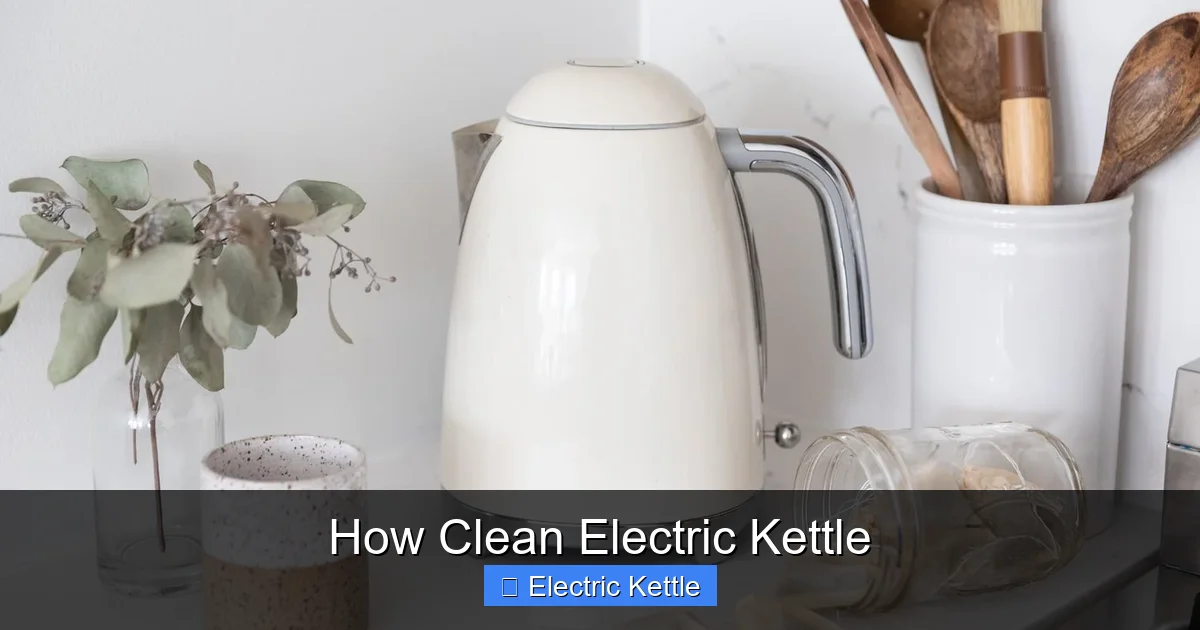
Visual guide about How Clean Electric Kettle
Image source: thespruce.com
Another sign is a change in water taste or smell. If your tea suddenly tastes flat or metallic, or if your water has a faint odor even after boiling, your kettle may be the culprit. Mineral deposits can alter the flavor of water, and in some cases, bacteria or mold growing in hidden crevices can produce unpleasant smells. You might also notice that your kettle takes longer than usual to boil water. This is often due to limescale insulating the heating element, making it less efficient.
Physical performance issues can also indicate a dirty kettle. For example, if the kettle shuts off prematurely, makes unusual noises, or has water splashing out during boiling, it could be due to blocked vents or mineral buildup interfering with internal components. Even if your kettle still works, these signs suggest it’s working harder than it should. Cleaning it now can prevent more serious problems down the line, like overheating or electrical faults.
Lastly, check the exterior. A kettle that’s grimy on the outside often has unseen buildup inside. Sticky handles, water spots on the base, or a cloudy glass window (if your kettle has one) are all clues that it’s time for a thorough clean. Don’t wait for these issues to worsen—regular maintenance keeps your kettle safe, efficient, and pleasant to use.
How to Clean Electric Kettle: Step-by-Step Guide
Gather Your Supplies
Before you start, make sure you have everything you need. You’ll want to clean your electric kettle with items you likely already have at home. For the interior, white vinegar is the most effective and affordable option. You’ll also need water, a soft sponge or cloth, and optionally, lemon juice or baking soda for extra cleaning power. For the exterior, a microfiber cloth and mild dish soap work well. Avoid abrasive scrubbers or steel wool, as they can scratch the surface.
Unplug and Cool Down
Safety is the most important step. Always unplug your kettle and let it cool completely before cleaning. Never attempt to clean a hot or recently used kettle, as the sudden temperature change can damage the appliance or cause burns. Wait at least 30 minutes after use, or until the kettle is cool to the touch. This also ensures that any residual heat won’t interfere with the cleaning process.
Prepare the Cleaning Solution
For most cleaning jobs, a 1:1 mixture of white vinegar and water works wonders. Fill the kettle about halfway with equal parts vinegar and water. If your kettle is heavily scaled, you can use undiluted vinegar, but be cautious—strong vinegar can sometimes leave a strong odor if not rinsed thoroughly. For a more pleasant scent, add a few slices of lemon to the vinegar solution. The citric acid in lemons enhances the descaling effect and leaves a fresh fragrance.
Boil and Soak
Once your solution is ready, plug the kettle back in and bring the mixture to a boil. Let it boil for about 5–10 minutes, then unplug and let it sit for at least 30 minutes. This soaking time allows the vinegar or lemon to break down the limescale and mineral deposits. For stubborn buildup, you can leave it overnight. The longer it sits, the more effective the cleaning will be.
Scrub and Rinse
After soaking, pour out the solution and use a soft sponge or cloth to gently scrub the interior. Focus on the heating element and any areas with visible residue. Avoid using metal utensils or abrasive pads, as they can scratch the surface. If there’s still some buildup, repeat the process or use a paste of baking soda and water for extra scrubbing power. Once you’ve scrubbed, rinse the kettle thoroughly with clean water at least three times to remove all traces of vinegar or lemon.
Clean the Exterior and Base
While the interior is soaking, take the time to clean the outside of the kettle. Wipe down the handle, lid, and body with a damp microfiber cloth and a drop of mild dish soap. For stainless steel kettles, use a stainless steel cleaner or a paste of baking soda and water to remove water spots and fingerprints. Don’t forget the base—wipe it gently with a damp cloth, but never submerge the electrical base in water. Dry everything thoroughly with a clean towel.
Final Rinse and Test
After cleaning, fill the kettle with fresh water and boil it once more. This helps remove any lingering taste of vinegar or cleaning agents. Pour out the water and give the kettle a final rinse. Now your electric kettle is clean, fresh, and ready to use. You should notice improved heating speed and better-tasting water right away.
Natural Cleaning Methods for Your Electric Kettle
If you prefer to avoid commercial cleaners, there are several natural and eco-friendly ways to clean your electric kettle. These methods are not only safe for your appliance but also better for the environment and your health. The most popular natural cleaners are vinegar, lemon juice, and baking soda—each with unique benefits and applications.
Vinegar: The Ultimate Descaler
White distilled vinegar is one of the most effective natural cleaners for electric kettles. Its high acidity dissolves limescale and mineral deposits quickly and thoroughly. To use vinegar, mix equal parts vinegar and water and follow the boiling and soaking method described earlier. Vinegar is especially useful for kettles used with hard water, as it targets the calcium and magnesium that cause buildup. After cleaning, a thorough rinse ensures no vinegar taste remains in your water.
Lemon Juice: Fresh and Fragrant
Lemon juice is another excellent natural option. Like vinegar, it contains acid that breaks down limescale, but it also leaves a fresh, citrusy scent. You can use lemon juice on its own or combine it with vinegar for extra power. Simply cut a lemon in half, squeeze the juice into the kettle, and add water. Boil the mixture, let it sit, and scrub as needed. Lemon is ideal if you’re sensitive to the smell of vinegar or want a more pleasant cleaning experience.
Baking Soda: Gentle Scrubbing Power
Baking soda is perfect for scrubbing away stubborn stains and residue, especially on the exterior or around the spout. Make a paste by mixing baking soda with a little water, then apply it to problem areas with a soft cloth or sponge. For the interior, you can add a tablespoon of baking soda to your vinegar solution to boost its cleaning power. Baking soda is mildly abrasive, so it helps lift grime without scratching surfaces.
Combining Methods for Best Results
For heavily scaled kettles, combining these natural cleaners can yield the best results. Start with a vinegar soak to dissolve limescale, then use a baking soda paste to scrub away any remaining residue. Finish with a lemon rinse to freshen the interior. This multi-step approach ensures a deep clean without harsh chemicals. Plus, all these ingredients are safe, non-toxic, and readily available in most kitchens.
How Often Should You Clean Your Electric Kettle?
The frequency of cleaning your electric kettle depends on several factors, including how often you use it and the hardness of your water. If you live in an area with hard water—water high in minerals like calcium and magnesium—you’ll need to clean your kettle more frequently. In such cases, cleaning every 1–2 weeks is recommended to prevent significant limescale buildup.
For those with soft water or who use their kettle less often, cleaning every 3–4 weeks may be sufficient. However, even with soft water, regular use can still lead to residue from tea, coffee, or other beverages. If you notice any change in taste, smell, or performance, don’t wait—clean your kettle right away. It’s better to clean it a little too often than not enough.
Daily users should aim for a quick wipe-down of the exterior after each use and a full interior clean every 1–2 weeks. This routine helps maintain hygiene and prevents buildup. If you use your kettle for purposes other than water—like boiling milk or making instant soups—clean it immediately after each use to avoid sticky residue or odors.
Seasonal deep cleaning is also a good idea. Even if your kettle looks clean, a thorough descaling every few months ensures optimal performance. Think of it like changing the oil in your car—regular maintenance keeps everything running smoothly. By establishing a cleaning schedule, you’ll extend the life of your kettle and enjoy better-tasting beverages every time.
Tips for Maintaining a Clean Electric Kettle
Cleaning your electric kettle doesn’t have to be a chore. With a few simple habits, you can keep it in top condition with minimal effort. One of the easiest ways to maintain cleanliness is to rinse the kettle with fresh water after each use. This helps remove any leftover residue from tea, coffee, or other liquids and prevents buildup over time.
Another tip is to avoid overfilling your kettle. Filling it beyond the maximum line can cause water to splash into the electrical components or lid, leading to residue and potential damage. Always follow the manufacturer’s guidelines for water levels. Similarly, don’t let water sit in the kettle for long periods. Empty it after use, especially if you’re not planning to use it again soon. Stagnant water can promote bacterial growth and mineral deposits.
Use filtered water when possible. If your tap water is hard, consider using a water filter or bottled water to reduce mineral content. This simple change can significantly reduce limescale formation and extend the time between cleanings. It also improves the taste of your beverages and protects your kettle’s heating element.
Store your kettle properly when not in use. Keep the lid open slightly to allow air circulation and prevent moisture buildup inside. This helps prevent mold and mildew, especially in humid environments. Also, avoid placing heavy objects on top of the kettle, as this can damage the lid or handle.
Finally, inspect your kettle regularly. Check the spout, lid seal, and heating element for signs of wear or buildup. Catching issues early makes cleaning easier and prevents more serious problems. With these maintenance tips, your electric kettle will stay clean, efficient, and reliable for years to come.
Common Mistakes to Avoid When Cleaning
Even with the best intentions, it’s easy to make mistakes when cleaning your electric kettle. One of the most common errors is using abrasive cleaners or scrubbers. Steel wool, harsh scouring pads, or strong chemical cleaners can scratch the interior surface, damage the heating element, or leave behind toxic residues. Always opt for soft sponges and natural cleaners like vinegar or baking soda.
Another mistake is submerging the base or electrical components in water. The base of an electric kettle contains sensitive electronics that can be damaged by moisture. Never immerse the base in water or run water over it. Instead, wipe it gently with a damp cloth and dry immediately. Similarly, avoid pouring water directly into the spout if it leads to the electrical parts.
Skipping the rinse step is another frequent error. After using vinegar or lemon, it’s essential to rinse the kettle thoroughly. Residual acid can affect the taste of your water and, over time, may corrode internal components. Rinse at least three times with clean water, and consider boiling a fresh batch of water to ensure all traces are gone.
Cleaning a hot kettle is dangerous and can cause burns or damage the appliance. Always wait for the kettle to cool completely before cleaning. Rushing the process can lead to accidents and reduce the effectiveness of your cleaning efforts. Patience pays off when it comes to appliance care.
Finally, don’t ignore the exterior. While the interior gets the most attention, the outside of your kettle can harbor bacteria, fingerprints, and water spots. Regularly wiping down the handle, lid, and body keeps your kettle looking new and prevents grime from transferring to your hands or countertops. A clean kettle is a complete clean—inside and out.
Conclusion
Cleaning your electric kettle is a simple yet essential task that pays off in better taste, improved performance, and a longer appliance lifespan. Whether you use vinegar, lemon, or baking soda, the process is straightforward and doesn’t require special tools or expensive products. By recognizing the signs of buildup, following a regular cleaning schedule, and avoiding common mistakes, you can keep your kettle in excellent condition.
Remember, a clean kettle isn’t just about appearance—it’s about health, efficiency, and enjoyment. Freshly boiled water from a clean kettle enhances the flavor of your tea, coffee, and other hot beverages. It also ensures that your appliance operates safely and efficiently, saving you time and energy. With the tips and methods shared in this guide, you’re well-equipped to maintain a spotless electric kettle with minimal effort.
So the next time you reach for your kettle, take a moment to appreciate the care it deserves. A little cleaning goes a long way in preserving both your appliance and your daily rituals. Make it a habit, and you’ll never have to worry about limescale, odors, or poor performance again. Your kettle—and your taste buds—will thank you.
Frequently Asked Questions
How often should I clean my electric kettle?
Clean your electric kettle every 1–4 weeks, depending on water hardness and usage. Hard water areas may require weekly cleaning, while soft water users can clean monthly.
Can I use bleach to clean my electric kettle?
No, avoid bleach and other harsh chemicals. They can leave toxic residues and damage the kettle. Stick to natural cleaners like vinegar, lemon, or baking soda.
Is it safe to boil vinegar in my kettle?
Yes, boiling vinegar is safe and effective for descaling. Just ensure you rinse the kettle thoroughly afterward to remove any vinegar taste.
Can I clean the base of my electric kettle?
You can wipe the base with a damp cloth, but never submerge it in water. The electrical components must stay dry to prevent damage.
Why does my kettle smell after cleaning with vinegar?
A vinegar smell is normal but should fade after thorough rinsing. Boil fresh water once or twice to eliminate any lingering odor.
What if my kettle still has buildup after cleaning?
For stubborn limescale, repeat the vinegar soak or use a stronger solution. You can also try combining vinegar with lemon juice or baking soda for extra power.