Electric kettles heat water quickly and safely using an internal heating element powered by electricity. They convert electrical energy into heat through resistance, bringing water to a boil in minutes—often faster than stovetop methods.
Have you ever stood in your kitchen, waiting for a pot of water to boil on the stove, only to grow impatient after five long minutes? If so, you’re not alone. Many of us have turned to electric kettles as a faster, more convenient alternative—but have you ever stopped to wonder *how* they actually work? It’s not magic (though it might feel like it), but rather a clever combination of physics, engineering, and smart design.
Electric kettles have become a staple in kitchens around the world, especially in places like the UK, Japan, and parts of Europe where tea culture thrives. But their popularity is spreading globally thanks to their speed, efficiency, and ease of use. Whether you’re brewing your morning coffee, preparing instant noodles, or sterilizing baby bottles, an electric kettle can get the job done in a fraction of the time it takes traditional methods. But behind that simple “click” and rising steam lies a fascinating process that turns cold water into boiling hot liquid in under five minutes.
So, how do electric kettles heat water? The answer lies in a fundamental principle of physics: electrical resistance. When electricity flows through a conductor—like the metal coil inside your kettle—it encounters resistance, which generates heat. This heat is then transferred directly to the water, raising its temperature until it reaches boiling point. Unlike stovetop kettles, which rely on external heat sources and can lose energy to the surrounding air, electric kettles are designed to maximize heat transfer and minimize waste. That’s why they’re not only faster but also more energy-efficient.
Key Takeaways
- Heating Element Basics: Electric kettles use a concealed or exposed metal coil that heats up when electricity passes through it, transferring heat directly to the water.
- Energy Efficiency: They are highly efficient because nearly all the electrical energy is converted into heat with minimal waste.
- Automatic Shut-Off: Most modern kettles include thermostats that detect when water reaches boiling point and automatically turn off to prevent overheating.
- Speed and Convenience: Electric kettles boil water faster than stovetops or microwaves, making them ideal for quick tea, coffee, or instant meals.
- Material Matters: Kettles made from stainless steel, glass, or BPA-free plastic affect heat retention, durability, and taste.
- Maintenance Tips: Regular descaling and cleaning ensure optimal performance and extend the kettle’s lifespan.
- Safety Features: Look for boil-dry protection, cool-touch handles, and stable bases to prevent accidents.
📑 Table of Contents
- How Electric Kettles Work: The Science Behind the Boil
- Energy Efficiency and Environmental Impact
- Safety Features That Protect You and Your Kettle
- Choosing the Right Electric Kettle for Your Needs
- Maintenance and Care for Long-Lasting Performance
- Common Myths and Misconceptions
- Conclusion: Why Electric Kettles Are a Kitchen Essential
How Electric Kettles Work: The Science Behind the Boil
At the heart of every electric kettle is a heating element—a coiled wire usually made of stainless steel or another heat-resistant alloy. This element is either fully submerged in the water (in older or budget models) or concealed beneath a flat base (in modern designs). When you plug in the kettle and press the switch, electricity flows from the power source through the cord and into the heating element.
As the current passes through the coil, the material’s natural resistance causes it to heat up rapidly. This is known as Joule heating or resistive heating. The heat generated is then conducted directly into the water surrounding the element. Because the heat source is in direct contact with the water, there’s very little energy loss—making electric kettles up to 80% more efficient than gas stoves or microwaves.
One of the key advantages of this system is speed. A typical 1500-watt electric kettle can boil a liter of water in about 3 to 4 minutes, depending on the starting temperature and altitude. Compare that to a stovetop kettle, which might take 6 to 8 minutes under ideal conditions, and the difference is clear. This efficiency isn’t just about convenience—it also translates to lower energy bills and a smaller carbon footprint.
But it’s not just about raw power. Modern electric kettles are equipped with sophisticated controls that regulate the heating process. For example, many models include variable temperature settings, allowing you to heat water to specific temperatures ideal for different types of tea—like 80°C for green tea or 90°C for oolong. This precision helps preserve delicate flavors and prevents over-extraction, which can make tea bitter.
The Role of the Thermostat
A critical component in most electric kettles is the thermostat—a small device that monitors the water temperature. Once the water reaches the desired temperature (usually 100°C at sea level for boiling), the thermostat triggers an automatic shut-off mechanism. This not only prevents the kettle from overheating but also saves energy and enhances safety.
Some advanced kettles use bimetallic strips or electronic sensors to detect temperature changes. When the water boils, steam rises and activates the thermostat, cutting off the power supply. This process is so reliable that you can often walk away from the kettle without worrying about it boiling dry or causing a fire.
Concealed vs. Exposed Heating Elements
You might notice that some electric kettles have a visible coil at the bottom, while others have a smooth, flat base. The difference lies in the type of heating element used.
Exposed elements are typically found in older or lower-cost models. While they’re effective, they can be harder to clean and are more prone to mineral buildup (limescale) in hard water areas. Over time, this buildup can insulate the element, reducing heating efficiency and potentially causing overheating.
Concealed elements, on the other hand, are housed beneath a sealed stainless steel plate. This design makes cleaning easier and protects the element from direct contact with water, reducing limescale accumulation. It also gives the kettle a sleeker, more modern look. Most high-end and mid-range kettles today use concealed elements for these reasons.
Energy Efficiency and Environmental Impact
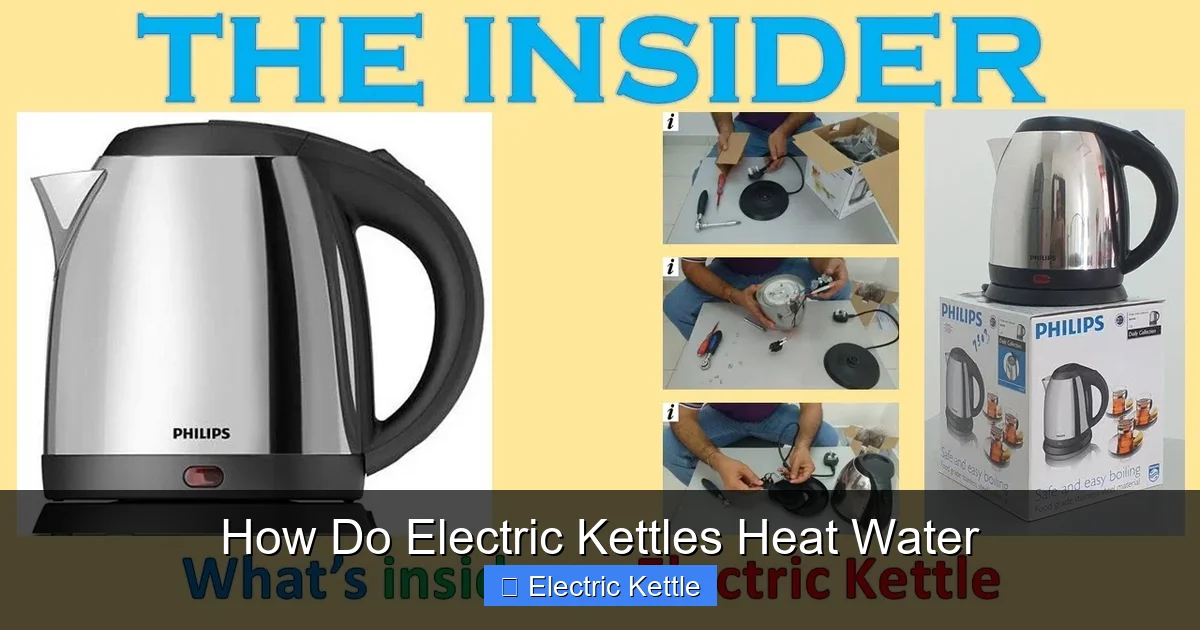
Visual guide about How Do Electric Kettles Heat Water
Image source: i.ytimg.com
One of the biggest selling points of electric kettles is their energy efficiency. Unlike gas stoves, which lose a significant amount of heat to the surrounding air, electric kettles direct nearly all their energy into heating the water. Studies have shown that electric kettles can be up to 80% more efficient than gas burners and even more so than microwaves.
But efficiency isn’t just about speed—it’s also about how much water you use. Many people overfill their kettles, heating more water than they actually need. This wastes energy and increases your electricity bill. For example, boiling two liters of water when you only need one cup is like leaving a light on in an empty room—it’s unnecessary and costly.
To maximize efficiency, only heat the amount of water you plan to use. Most kettles have clear water level indicators, so it’s easy to measure accurately. Some smart kettles even allow you to set the exact volume you need via an app or digital display.
From an environmental standpoint, using an electric kettle responsibly can reduce your carbon footprint. If your electricity comes from renewable sources like wind or solar, the impact is even lower. And because electric kettles boil water faster, they consume less energy overall compared to slower methods.
Comparing Electric Kettles to Other Heating Methods
Let’s put this into perspective. Here’s a quick comparison of common water-heating methods:
– **Electric Kettle:** Boils 1 liter in ~3–4 minutes; ~80% efficient; low energy waste.
– **Gas Stove:** Takes ~6–8 minutes; ~40% efficient; significant heat loss to air.
– **Microwave:** Takes ~4–5 minutes; ~50% efficient; uneven heating, risk of superheating.
– **Induction Stove:** Takes ~4–5 minutes; ~70% efficient; requires compatible cookware.
As you can see, electric kettles come out on top in both speed and efficiency. They’re also safer than gas stoves (no open flame) and more consistent than microwaves, which can cause water to “superheat”—a phenomenon where water heats beyond boiling point without bubbling, leading to sudden, dangerous eruptions when disturbed.
Safety Features That Protect You and Your Kettle
Safety is a top priority in electric kettle design. Because these appliances handle high temperatures and electricity, manufacturers include multiple safeguards to prevent accidents.
One of the most important features is **automatic shut-off**. As mentioned earlier, this kicks in when the water reaches boiling point. But many kettles go a step further with **boil-dry protection**. If the kettle is turned on without water, or if all the water evaporates, the heating element can overheat and fail—or worse, start a fire. Boil-dry protection detects low water levels and cuts power before damage occurs.
Another common feature is a **cool-touch exterior**. Even though the inside of the kettle gets extremely hot, the outer body remains safe to touch. This is especially important if you have children or pets at home. Look for kettles with insulated handles and bases that stay cool during operation.
**Stable, non-slip bases** are also essential. A wobbly kettle can tip over, spilling boiling water and causing burns. Most modern kettles have weighted, rubberized bases that grip countertops securely. Some even include cordless designs, where the kettle lifts off a separate base for pouring—this reduces the risk of tripping over cords or accidentally pulling the kettle off the counter.
Child Safety and Locking Mechanisms
If you have young children, consider a kettle with a **locking lid** or **child-safe switch**. These prevent curious little hands from opening the lid while the water is hot or accidentally turning on the kettle. Some models even have audible alerts that beep when the water is ready, so you don’t have to hover nearby.
Overheat and Overcurrent Protection
Advanced kettles may include circuit breakers or thermal fuses that disconnect power if the internal temperature exceeds safe limits. This protects both the user and the appliance from electrical faults or component failure.
Choosing the Right Electric Kettle for Your Needs
With so many options on the market, picking the right electric kettle can feel overwhelming. But by focusing on a few key factors, you can find one that fits your lifestyle and kitchen.
First, consider **capacity**. Kettles typically range from 0.5 liters (great for solo users) to 1.7 liters (ideal for families or entertaining). If you’re making tea for one, a smaller kettle will heat water faster and use less energy. But if you’re brewing coffee for a group, a larger capacity saves time.
Next, think about **material**. Stainless steel kettles are durable, retain heat well, and resist odors and stains. Glass kettles offer a sleek, modern look and let you watch the water boil—but they can be fragile and show water spots. Plastic kettles are lightweight and affordable, but make sure they’re BPA-free to avoid chemical leaching.
**Temperature control** is another important feature. Basic kettles boil water to 100°C, but if you’re a tea enthusiast, you’ll appreciate models with variable settings. Green tea, for example, tastes best at 70–80°C, while black tea needs a full boil. Some premium kettles even have presets for different beverages.
Smart Features and Connectivity
The latest trend in electric kettles is smart technology. These kettles connect to your smartphone via Wi-Fi or Bluetooth, allowing you to control temperature, set timers, and monitor usage from your couch. Some can even sync with voice assistants like Alexa or Google Assistant.
While not essential, smart features add convenience—especially if you’re someone who forgets to turn off appliances or wants precise control over brewing. Just remember that these models tend to be more expensive and may require a stable Wi-Fi connection.
Noise Level and Design
Electric kettles aren’t usually loud, but some models are quieter than others. If you’re sensitive to noise—especially in the morning—look for kettles with insulated bodies or low-decibel heating elements. Design-wise, choose a style that complements your kitchen. From minimalist white to retro chrome, there’s a kettle for every aesthetic.
Maintenance and Care for Long-Lasting Performance
Even the best electric kettle won’t last forever if it’s not properly maintained. Over time, minerals from hard water can build up inside the kettle, forming limescale. This not only affects taste but also reduces heating efficiency and can shorten the appliance’s lifespan.
Descaling Your Kettle
Descaling should be done every 1–3 months, depending on your water hardness. Here’s a simple method:
1. Fill the kettle halfway with equal parts water and white vinegar.
2. Let it sit for 30–60 minutes.
3. Boil the solution, then let it cool.
4. Rinse thoroughly with clean water, repeating if necessary.
5. Run a cycle with fresh water to remove any vinegar taste.
Alternatively, you can use commercial descaling solutions or citric acid, which are gentler on the kettle and equally effective.
Cleaning the Exterior and Filter
Wipe the outside of the kettle with a damp cloth and mild detergent. Avoid abrasive cleaners that can scratch the surface. If your kettle has a removable mesh filter (usually near the spout), take it out and rinse it under running water to remove coffee grounds or tea leaves.
Never submerge the kettle base in water—only the kettle itself should be washed. And always unplug the appliance before cleaning.
Storing Your Kettle
When not in use, store your kettle in a dry place with the lid open to prevent moisture buildup and odors. Avoid wrapping the cord tightly around the base, as this can damage the wires over time.
Common Myths and Misconceptions
Despite their popularity, electric kettles are surrounded by a few myths. Let’s clear them up.
**Myth 1: Boiling water kills all bacteria.**
While boiling does kill most harmful microorganisms, it doesn’t remove chemical contaminants like lead or chlorine. For that, you’ll need a water filter.
**Myth 2: Electric kettles use more electricity than stovetops.**
Actually, the opposite is true. Due to their efficiency, electric kettles typically use less energy to boil the same amount of water.
**Myth 3: You can’t reuse boiled water.**
You can reheat water multiple times, though repeated boiling may concentrate minerals slightly. It’s safe, but for the best taste, use fresh water when possible.
**Myth 4: All electric kettles are the same.**
There’s a huge range in quality, features, and performance. Investing in a well-made kettle pays off in durability and functionality.
Conclusion: Why Electric Kettles Are a Kitchen Essential
Electric kettles are more than just a convenient way to boil water—they’re a smart, efficient, and safe appliance that can transform your daily routine. By understanding how they work, you can make better choices when buying, using, and maintaining one.
From the physics of resistive heating to the safety of automatic shut-off, every feature is designed with performance and user protection in mind. Whether you’re a tea lover, a busy parent, or someone who just wants hot water fast, an electric kettle delivers reliability and speed that few other appliances can match.
So the next time you press that button and hear the gentle hum of the heating element, remember: it’s not just water heating up. It’s science, engineering, and thoughtful design working together—to make your life a little easier, one boil at a time.
Frequently Asked Questions
How does an electric kettle heat water so quickly?
Electric kettles heat water quickly because the heating element is in direct contact with the water, minimizing heat loss. High-wattage elements (typically 1500–3000 watts) generate intense heat, boiling water in just a few minutes.
Is it safe to leave an electric kettle unattended?
Yes, most modern electric kettles are safe to leave unattended thanks to automatic shut-off and boil-dry protection. However, it’s still best to stay nearby when possible, especially if you have children or pets.
Can I use an electric kettle with hard water?
Yes, but hard water causes limescale buildup. Regular descaling with vinegar or citric acid will keep your kettle running efficiently and prevent damage to the heating element.
Do electric kettles use a lot of electricity?
No, electric kettles are highly energy-efficient. They use less electricity than gas stoves or microwaves to boil the same amount of water, especially if you only heat what you need.
What temperature does an electric kettle boil water to?
Most kettles boil water to 100°C (212°F) at sea level. Some models with variable temperature settings allow you to heat water to lower temperatures for specific beverages like green tea.
How long do electric kettles last?
With proper care, a quality electric kettle can last 3–5 years or more. Regular cleaning, descaling, and avoiding overfilling or running it dry will extend its lifespan.