Ever wondered how your electric kettle knows exactly when the water is boiling and shuts off automatically? It’s not magic—it’s clever engineering. From thermostats to bimetallic strips, modern kettles use smart technology to detect temperature changes and prevent overheating, ensuring safety and energy efficiency every time you brew.
Have you ever stood in your kitchen, waiting for your electric kettle to finish boiling, only to realize it turned off all by itself—just as the water started to steam? It’s a small miracle of modern life, one we often take for granted. But how does it actually work? How does your kettle know when the water is hot enough to stop heating? The answer lies in a blend of simple physics, clever engineering, and smart design.
Electric kettles have come a long way since their early days. What once required constant monitoring and manual shut-off now happens automatically, quietly, and efficiently. Whether you’re brewing a morning cup of coffee, steeping delicate green tea, or preparing instant oatmeal, your kettle does the hard work for you. But behind that convenience is a fascinating system of sensors, switches, and thermal mechanisms working in harmony.
In this article, we’ll dive deep into the inner workings of electric kettles—specifically, how they detect when water has reached boiling point and shut off without any input from you. You’ll learn about the different types of shut-off mechanisms, the science behind them, and why this feature is so important for safety, energy savings, and overall performance. Whether you’re a curious home cook or a tech enthusiast, understanding how your kettle “knows” when to turn off will give you a whole new appreciation for this everyday appliance.
Key Takeaways
- Thermostats control the shut-off: Most electric kettles use a thermostat to monitor water temperature and cut power when boiling point is reached.
- Bimetallic strips bend with heat: These metal components expand at different rates, triggering a switch to turn off the kettle.
- Steam detection enhances accuracy: Some models use steam sensors to confirm boiling, improving precision and safety.
- Energy efficiency is built-in: Auto shut-off prevents wasted electricity and reduces the risk of dry boiling.
- Modern kettles offer variable temperature control: Advanced models let you set specific temperatures for different beverages like tea or coffee.
- Safety features prevent accidents: Overheat protection and automatic shut-off minimize fire hazards and damage.
- Maintenance affects performance: Regular cleaning and descaling ensure sensors and switches work correctly over time.
📑 Table of Contents
The Science Behind Auto Shut-Off in Electric Kettles
At the heart of every electric kettle’s automatic shut-off feature is one simple principle: temperature sensing. Water boils at 100°C (212°F) at sea level, and electric kettles are designed to detect when this temperature is reached. But how do they measure it without a visible thermometer?
The answer lies in thermal expansion—the way materials change shape when heated. Most kettles use components that respond to heat by expanding, bending, or changing electrical resistance. These physical changes trigger a switch that cuts off the power supply to the heating element. It’s a bit like a thermostat in your home: when the room gets warm enough, the heater turns off. In a kettle, the same idea applies, but on a much smaller and faster scale.
One of the most common methods involves a bimetallic strip—a thin piece made of two different metals bonded together. These metals expand at different rates when heated. As the water warms up, the strip bends. Once the water reaches boiling point, the strip bends enough to push open an electrical contact, breaking the circuit and stopping the heating. This happens in seconds, often just as the first big bubbles begin to rise.
Another method uses a thermostat—a small device that measures temperature electronically. When the thermostat detects that the water has hit the target temperature, it sends a signal to disconnect the power. Some high-end kettles even use digital sensors and microprocessors to monitor temperature in real time, allowing for precise control.
But temperature isn’t the only clue. Steam also plays a role. As water boils, it produces steam, which rises and can be detected by sensors near the spout or lid. This dual detection—temperature and steam—makes the shut-off more reliable, especially in kettles with enclosed designs where direct temperature measurement is tricky.
Understanding these mechanisms helps explain why kettles turn off so reliably. It’s not guesswork—it’s science in action, ensuring your water is perfectly heated every time.
Types of Shut-Off Mechanisms in Electric Kettles
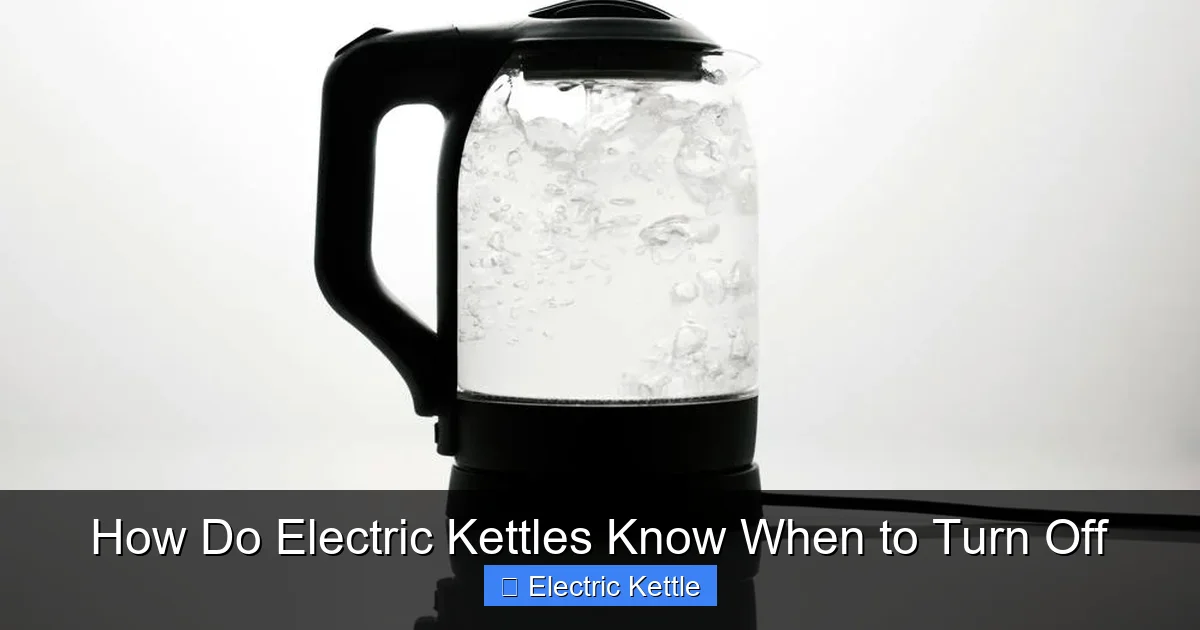
Visual guide about How Do Electric Kettles Know When to Turn Off
Image source: ingenia.org.uk
Not all electric kettles use the same method to turn off. Over the years, manufacturers have developed several technologies to achieve automatic shut-off, each with its own advantages and limitations. Let’s explore the most common types you’ll find in today’s market.
Bimetallic Strip Shut-Off
The bimetallic strip is one of the oldest and most reliable shut-off mechanisms. It consists of two thin metal layers—usually steel and copper—laminated together. These metals expand at different rates when heated. As the water in the kettle heats up, the strip warms and begins to bend. Once the water reaches boiling point, the strip bends enough to physically push open a switch, cutting off the electrical current to the heating element.
This method is simple, durable, and doesn’t require external power to operate. Because it’s mechanical, it’s less prone to electronic failure. However, it can be less precise than digital systems. Over time, repeated heating and cooling can cause the strip to lose some sensitivity, leading to slightly earlier or later shut-offs.
You’ll often find bimetallic strips in basic and mid-range kettles. They’re especially common in models with exposed heating elements or those designed for durability over high-tech features.
Thermostat-Based Shut-Off
Thermostats offer a more advanced approach. Instead of relying on physical bending, they use temperature-sensitive materials or electronic sensors to monitor heat. When the thermostat detects that the water has reached the desired temperature, it triggers a relay or switch to disconnect the power.
Some thermostats use a sealed chamber filled with a temperature-sensitive gas or liquid. As the chamber heats, the pressure increases, activating a switch. Others use electronic thermistors—small resistors that change resistance with temperature. These signals are processed by a circuit board, which then cuts power when needed.
Thermostat-based systems are more accurate and can be calibrated for different temperatures. This makes them ideal for kettles with variable temperature settings. They’re commonly found in premium models designed for tea lovers who need precise heat control.
Steam-Activated Shut-Off
In some kettles, especially those with fully enclosed designs, the heating element isn’t in direct contact with the water. Instead, it heats a sealed chamber beneath the water reservoir. In these cases, temperature sensors might not be practical. That’s where steam detection comes in.
As water boils, steam rises and travels through a channel to a sensor near the lid or spout. This sensor detects the presence of steam and signals the kettle to turn off. It’s a clever workaround that ensures shut-off even when direct temperature measurement isn’t possible.
Steam-activated systems are highly reliable and reduce the risk of overheating. However, they can be slower to respond if steam doesn’t reach the sensor quickly—such as in low-water conditions or if the spout is blocked.
Digital Sensor and Microprocessor Control
The latest generation of electric kettles uses digital temperature sensors and microprocessors for ultimate precision. These kettles have built-in thermometers that constantly monitor water temperature and display it on a digital screen. When the set temperature is reached, the microprocessor cuts power instantly.
This technology allows for variable temperature settings—perfect for brewing green tea at 80°C (176°F) or French press coffee at 96°C (205°F). Some models even remember your preferred settings or offer preset programs for different beverages.
While these kettles are more expensive, they offer unmatched control and consistency. They’re ideal for serious tea and coffee drinkers who want to extract the best flavor from their ingredients.
Why Automatic Shut-Off Matters for Safety and Efficiency
Automatic shut-off isn’t just a convenience—it’s a critical safety feature. Without it, electric kettles could overheat, boil dry, or even start a fire. Let’s explore why this function is so important.
Prevents Dry Boiling
One of the biggest risks with electric kettles is dry boiling—when the heating element continues to run even though there’s no water left. This can happen if you forget to fill the kettle or if water evaporates completely during use. Dry boiling can damage the heating element, warp internal components, and in extreme cases, cause melting or fire.
Automatic shut-off stops the heating process as soon as the water reaches boiling point, significantly reducing the risk of dry boiling. Even if you walk away and forget the kettle, it won’t keep heating indefinitely.
Reduces Fire and Burn Hazards
Overheating can lead to dangerous situations. If a kettle doesn’t turn off, steam pressure can build up, potentially causing leaks or even explosions in rare cases. Additionally, prolonged heating can cause the exterior to become extremely hot, increasing the risk of burns if touched.
Modern shut-off systems are designed to respond quickly and reliably, minimizing these risks. Many kettles also include secondary safety features, such as thermal fuses that permanently cut power if temperatures exceed safe limits.
Saves Energy and Extends Appliance Life
Leaving a kettle on after boiling wastes electricity. Even a few extra minutes of heating can add up over time. Automatic shut-off ensures the kettle stops as soon as the water is ready, saving energy and lowering your utility bill.
It also protects the kettle itself. Constant overheating can degrade the heating element, seals, and electrical components. By turning off at the right moment, the kettle lasts longer and performs better over time.
Supports Precision Brewing
For tea and coffee enthusiasts, temperature control is everything. Overheating water can scorch delicate tea leaves, making the brew bitter. Underheating won’t extract full flavor from coffee grounds. Automatic shut-off, especially in variable-temperature kettles, ensures water is heated to the exact temperature needed—no more, no less.
This precision enhances flavor and consistency, turning your morning brew into a café-quality experience.
Variable Temperature Control: The Next Level of Smart Kettles
While basic kettles shut off at boiling point, advanced models offer variable temperature control—letting you choose the ideal heat for different beverages. This feature is a game-changer for anyone who takes their hot drinks seriously.
How Variable Temperature Kettles Work
These kettles use digital sensors and microprocessors to monitor and regulate temperature. You select your desired setting—say, 85°C for oolong tea or 90°C for black tea—and the kettle heats the water to that exact point before shutting off.
Some models use a PID (Proportional-Integral-Derivative) controller, a sophisticated algorithm that adjusts heating in real time to maintain precision. Others rely on preset programs that automatically heat water to recommended temperatures for common drinks.
Many variable-temperature kettles also include a “keep warm” function, which maintains the water at your chosen temperature for a set period—usually 15 to 60 minutes. This is perfect if you’re making multiple cups or need hot water on demand.
Benefits for Tea and Coffee Lovers
Different teas require different temperatures:
– Green tea: 70–80°C (158–176°F)
– White tea: 75–85°C (167–185°F)
– Oolong tea: 85–95°C (185–203°F)
– Black tea: 95–100°C (203–212°F)
Using boiling water on green tea can destroy its subtle flavors and create bitterness. With a variable-temperature kettle, you can brew each type perfectly.
Coffee also benefits. French press, pour-over, and espresso all require water just below boiling—around 90–96°C (195–205°F). Overheating can extract unwanted acids and tannins, leading to a harsh taste.
Practical Example: Brewing the Perfect Cup
Imagine you’re making a cup of sencha green tea. You fill your kettle, select 75°C, and press start. The kettle heats the water, and when it reaches 75°C, it automatically shuts off. You pour the water over the leaves, steep for two minutes, and enjoy a smooth, sweet, and vibrant brew—no bitterness, no guesswork.
Without variable control, you’d have to boil the water and wait for it to cool, which is imprecise and time-consuming. With it, you get consistency and quality every time.
Maintenance Tips to Keep Your Kettle Shutting Off Reliably
Even the best shut-off systems can fail if the kettle isn’t properly maintained. Over time, mineral deposits, dust, and wear can affect performance. Here’s how to keep your kettle working like new.
Descale Regularly
Hard water leaves behind limescale—a chalky buildup of calcium and magnesium. This can coat the heating element and sensors, insulating them and reducing their ability to detect temperature. As a result, the kettle may shut off too early or not at all.
To descale, use a mixture of equal parts white vinegar and water. Fill the kettle, let it sit for an hour, then boil and discard the solution. Rinse thoroughly. For heavy buildup, repeat the process or use a commercial descaler.
Clean the Exterior and Lid
Dust and grease can accumulate on the lid and spout, potentially blocking steam sensors. Wipe the exterior with a damp cloth and mild detergent. Avoid submerging the base, as it contains electrical components.
Check for Obstructions
Make sure the steam vent and sensor area are clear. If steam can’t reach the sensor, the kettle may not shut off properly. Use a soft brush or toothpick to gently remove any debris.
Test the Shut-Off Function
Periodically test your kettle by boiling a small amount of water and observing when it turns off. If it shuts off too early or runs too long, it may need servicing or replacement.
Avoid Overfilling or Underfilling
Most kettles have minimum and maximum water levels. Overfilling can cause leaks; underfilling increases the risk of dry boiling. Always follow the manufacturer’s guidelines.
Conclusion
Electric kettles know when to turn off thanks to a combination of smart engineering, thermal science, and safety-focused design. Whether it’s a simple bimetallic strip, a digital sensor, or a steam-activated switch, these mechanisms work silently in the background to deliver perfectly heated water—every time.
Automatic shut-off isn’t just about convenience. It’s about safety, energy efficiency, and precision. It prevents accidents, saves electricity, and helps you brew better tea and coffee. And with advancements like variable temperature control, modern kettles are smarter and more versatile than ever.
So the next time you press the button on your kettle, take a moment to appreciate the technology at work. It’s not magic—it’s science, carefully crafted to make your daily routine safer, simpler, and more enjoyable. With proper care and maintenance, your kettle will keep shutting off at just the right moment for years to come.
Frequently Asked Questions
How do electric kettles know when water is boiling?
Electric kettles use temperature-sensitive components like bimetallic strips or digital sensors to detect when water reaches boiling point. These mechanisms trigger a switch that cuts off power to the heating element.
Can an electric kettle turn off without boiling?
Yes, if there’s a malfunction—such as a faulty thermostat or mineral buildup—the kettle might shut off prematurely. Regular cleaning and maintenance help prevent this.
Do all electric kettles have automatic shut-off?
Most modern electric kettles include automatic shut-off for safety. However, very old or basic models may require manual monitoring.
What happens if my kettle doesn’t turn off?
If your kettle fails to shut off, it could overheat, boil dry, or become a fire hazard. Unplug it immediately and have it inspected or replaced.
Can I use my kettle for temperatures below boiling?
Only if it has variable temperature control. Basic kettles heat water to boiling and shut off. Advanced models let you set lower temperatures for tea or coffee.
How often should I descale my electric kettle?
Descale every 1–3 months, depending on water hardness. If you notice slower heating or odd tastes, it’s time to clean it.