Cleaning your electric kettle regularly is essential for maintaining performance, taste, and longevity. This guide walks you through easy, proven methods—like vinegar and lemon—to remove limescale, prevent buildup, and keep your kettle hygienic and efficient.
If you’ve ever poured yourself a cup of tea or coffee and noticed a strange aftertaste, or if your electric kettle takes longer to boil than it used to, chances are it’s time for a deep clean. Electric kettles are one of the most convenient kitchen appliances—quick, efficient, and perfect for busy mornings. But like any frequently used device, they need regular care to keep performing at their best. Over time, mineral deposits from hard water build up inside the kettle, forming a chalky layer known as limescale. This not only affects the taste of your beverages but can also reduce heating efficiency and shorten the life of your appliance.
Cleaning your electric kettle might sound like a chore, but it’s actually one of the easiest and most rewarding maintenance tasks you can do. With just a few household ingredients—like white vinegar or lemon juice—you can restore your kettle to like-new condition in under an hour. The best part? You don’t need special tools or expensive cleaners. In this guide, we’ll walk you through everything you need to know about how to clean an electric kettle safely and effectively. Whether you’re dealing with light buildup or a serious limescale problem, we’ve got you covered with step-by-step instructions, pro tips, and answers to common questions.
Key Takeaways
- Clean your electric kettle every 2–4 weeks to prevent limescale buildup, especially in hard water areas.
- Use white vinegar or lemon juice as natural, effective descaling agents that dissolve mineral deposits safely.
- Never submerge the base or electrical components in water—only clean the interior and exterior with a damp cloth.
- Rinse thoroughly after descaling to avoid leaving behind any sour taste or residue.
- Avoid harsh chemicals or abrasive scrubbers that can damage the kettle’s interior coating or heating element.
- Regular maintenance improves water taste, heating speed, and kettle lifespan—making it a small habit with big rewards.
📑 Table of Contents
Why Cleaning Your Electric Kettle Matters
You might be wondering, “Do I really need to clean my electric kettle that often?” The short answer is yes—especially if you live in an area with hard water. Hard water contains high levels of calcium and magnesium, which leave behind mineral deposits every time you boil water. Over time, these deposits accumulate on the heating element and interior surfaces, forming a thick, white crust. This limescale doesn’t just look unappealing—it actually insulates the heating element, making your kettle work harder and take longer to boil. That means higher energy bills and a shorter lifespan for your appliance.
But the problems don’t stop there. Limescale can also affect the taste of your water. Have you ever noticed a metallic or chalky flavor in your tea or coffee? That’s often a sign of mineral buildup. In some cases, tiny flakes of limescale can even flake off into your drink, which is not only unappetizing but could potentially pose a health risk if ingested regularly. Additionally, a dirty kettle can become a breeding ground for bacteria and mold, especially if water is left sitting inside for long periods. Even if you rinse it out after each use, moisture and warmth create the perfect environment for microbial growth.
Regular cleaning helps prevent all of these issues. By descaling your kettle every few weeks, you’ll enjoy better-tasting beverages, faster boiling times, and a more hygienic kitchen. Plus, you’ll extend the life of your appliance, saving you money in the long run. Think of it like changing the oil in your car—it’s a small effort that makes a big difference in performance and longevity.
Signs Your Electric Kettle Needs Cleaning
Visual guide about How Do You Clean a Electric Kettle
Image source: roastycoffee.com
So how do you know when it’s time to clean your electric kettle? While a general rule of thumb is to descale every 2–4 weeks (more often in hard water areas), there are several telltale signs that your kettle is overdue for a deep clean. The most obvious is visible limescale buildup. If you look inside and see a white, chalky residue on the walls or around the heating element, it’s definitely time to act. This buildup often starts near the waterline and can spread across the entire interior if left unchecked.
Another sign is a change in water taste or odor. If your tea or coffee starts tasting off—metallic, bitter, or just “not right”—your kettle could be the culprit. Even if you can’t see limescale, dissolved minerals can still affect flavor. You might also notice that your kettle is taking longer to boil than it used to. This is a clear indicator that limescale is insulating the heating element, reducing its efficiency. In severe cases, the kettle may even shut off prematurely due to overheating.
Other warning signs include rust spots (especially on stainless steel models), cloudy water, or floating particles in your drinks. If you’ve recently moved to a new area and noticed these issues appearing suddenly, it’s likely due to harder water. Don’t wait until your kettle starts making strange noises or fails to heat properly—regular cleaning can prevent these problems before they start.
How to Clean an Electric Kettle: Step-by-Step Guide
Now that you know why cleaning matters and how to spot the signs, let’s get into the nitty-gritty of how to clean an electric kettle. The good news is that the process is simple, safe, and requires only a few common household items. Below, we’ll walk you through the most effective methods, starting with the classic vinegar solution and then exploring alternatives like lemon juice and baking soda.
Method 1: Cleaning with White Vinegar
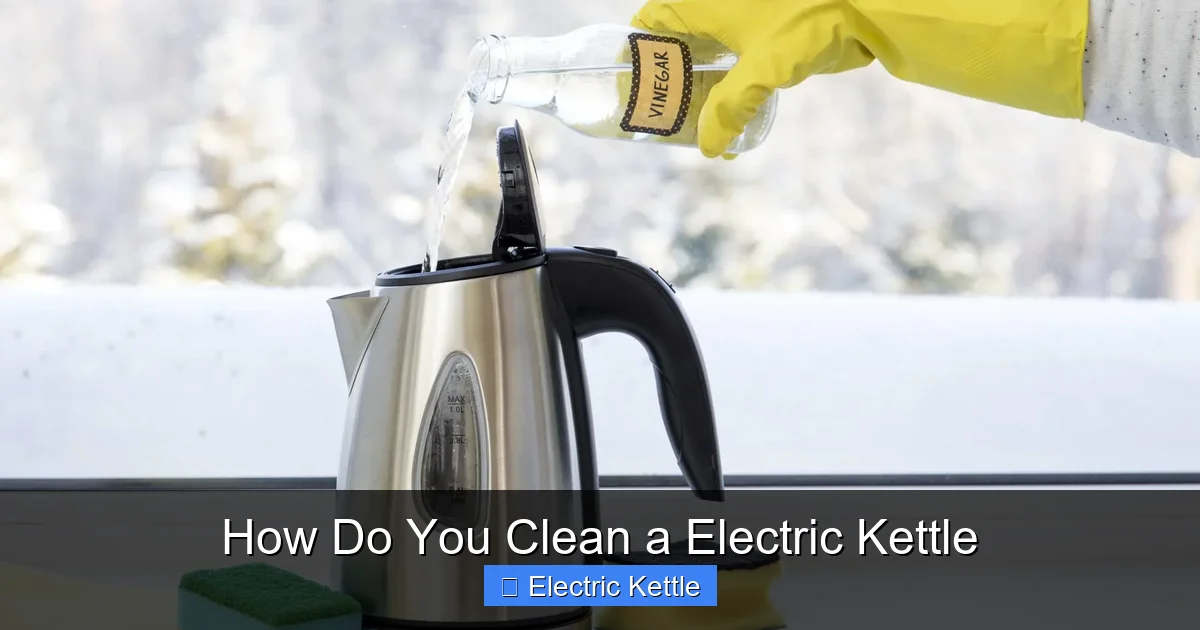
White vinegar is one of the most popular and effective ways to clean an electric kettle. Its natural acidity breaks down limescale quickly and safely, without the need for harsh chemicals. Here’s how to do it:
First, fill your kettle about halfway with equal parts water and white vinegar. For example, if your kettle holds 1.7 liters, use roughly 400ml of water and 400ml of vinegar. Make sure the mixture covers the areas with the most buildup, especially around the heating element. If your kettle has a removable filter or spout, take it out and soak it separately in a bowl of vinegar solution.
Next, plug in the kettle and bring the mixture to a boil. Once it reaches a rolling boil, turn it off and let it sit for at least 30 minutes—or up to an hour for heavy buildup. The longer it sits, the more time the vinegar has to dissolve the limescale. You’ll likely see bubbles forming and the solution turning cloudy as minerals break down.
After soaking, pour out the vinegar solution and rinse the kettle thoroughly with clean water. You may need to rinse several times to remove all traces of vinegar. To be extra sure, fill the kettle with fresh water, boil it once, and pour it out. This final rinse helps eliminate any lingering taste or smell.
For stubborn spots, use a soft sponge or cloth to gently scrub the interior. Avoid using steel wool or abrasive pads, as they can scratch the surface. Once clean, wipe the exterior with a damp cloth and dry it completely before storing.
Method 2: Cleaning with Lemon Juice
If you prefer a more natural, citrusy approach, lemon juice is an excellent alternative to vinegar. It’s just as effective at dissolving limescale and leaves behind a fresh, clean scent. Plus, it’s gentler on the senses—no strong vinegar smell to deal with.
To use lemon juice, cut a fresh lemon in half and squeeze the juice directly into the kettle. Add enough water to cover the bottom and fill the kettle about halfway. You can also drop in the lemon halves for extra cleaning power. The citric acid in the lemon works similarly to vinegar, breaking down mineral deposits over time.
Bring the lemon-water mixture to a boil, then turn off the kettle and let it sit for 30–60 minutes. The longer it sits, the better the results. After soaking, pour out the liquid and rinse the kettle thoroughly. Again, do a final boil with fresh water to remove any residual lemon taste.
This method is especially great if you’re sensitive to vinegar odors or if you use your kettle for making flavored teas and don’t want any aftertaste. Just be sure to rinse well—citrus can be acidic and may affect taste if not fully removed.
Method 3: Cleaning with Baking Soda
Baking soda is another versatile cleaner that can help tackle limescale and odors. While it’s not as strong as vinegar or lemon, it’s a great option for light buildup or as a follow-up cleaning step.
To use baking soda, mix 1–2 tablespoons with a small amount of water to form a paste. Use a soft cloth or sponge to apply the paste to the interior of the kettle, focusing on areas with visible buildup. Let it sit for 15–20 minutes, then scrub gently and rinse thoroughly.
For a deeper clean, you can also add 1–2 tablespoons of baking soda to a full kettle of water, bring it to a boil, and let it sit for 30 minutes before rinsing. This method is milder but still effective for regular maintenance.
Tips for Maintaining a Clean Electric Kettle
Cleaning your kettle doesn’t have to be a once-in-a-while chore. With a few simple habits, you can keep it in top condition between deep cleans. One of the easiest ways to reduce limescale buildup is to empty the kettle after each use. Leaving water sitting inside creates a perfect environment for minerals to settle and harden. Instead, pour out any leftover water and leave the lid open to air dry.
Another tip is to use filtered water whenever possible. While it won’t eliminate limescale entirely, filtered water contains fewer minerals, which means slower buildup and less frequent cleaning. If you live in a hard water area, consider investing in a water softener or using a descaling solution specifically designed for kettles.
Avoid overfilling your kettle, as this can lead to mineral deposits around the spout and lid. Stick to the recommended water level and clean the exterior regularly with a damp cloth to prevent dust and grease buildup.
Finally, make cleaning a part of your routine. Set a reminder on your phone or calendar to descale your kettle every month. It only takes 30–60 minutes, and the results are well worth it.
Safety Tips and What to Avoid
While cleaning your electric kettle is generally safe, there are a few important precautions to keep in mind. Never submerge the base, cord, or electrical components in water. These parts are not waterproof and can be damaged or pose a shock hazard. Only clean the interior and exterior with a damp cloth or sponge.
Avoid using bleach, ammonia, or other harsh chemicals, as they can leave toxic residues and damage the kettle’s interior. Similarly, don’t use steel wool, scouring pads, or abrasive cleaners, which can scratch stainless steel or coated surfaces.
If your kettle has a non-stick coating, be especially gentle when scrubbing. Use only soft cloths or sponges to avoid peeling or flaking.
And always unplug the kettle before cleaning. Even if it’s cool, it’s best to disconnect it from the power source to prevent accidents.
Conclusion
Cleaning your electric kettle is a simple but essential task that pays off in better taste, faster boiling, and a longer-lasting appliance. Whether you use vinegar, lemon, or baking soda, regular descaling keeps limescale at bay and ensures your kettle performs at its best. By following the steps in this guide and adopting a few maintenance habits, you’ll enjoy cleaner, better-tasting water with every boil. So don’t wait—give your kettle the care it deserves today.
Frequently Asked Questions
How often should I clean my electric kettle?
It’s recommended to clean your electric kettle every 2–4 weeks, especially if you live in an area with hard water. More frequent cleaning may be needed if you notice limescale buildup or changes in water taste.
Can I use apple cider vinegar instead of white vinegar?
While apple cider vinegar is acidic and can help with cleaning, it’s not as effective as white vinegar and may leave a stronger odor. Stick to white vinegar for the best results and easiest cleanup.
Is it safe to drink water after cleaning with vinegar?
Yes, as long as you rinse the kettle thoroughly and do a final boil with fresh water. This removes any residual vinegar taste and ensures your water is safe to drink.
Can I clean the outside of my electric kettle with vinegar?
Yes, but dilute the vinegar with water (1:1 ratio) and use a soft cloth. Avoid getting vinegar near the electrical base or cord, and wipe dry immediately to prevent damage.
What if my kettle has a plastic interior?
Plastic interiors can be cleaned the same way, but avoid prolonged soaking with strong acids. Use diluted vinegar or lemon juice and rinse thoroughly to prevent taste transfer.
Can I use commercial descaling products?
Yes, many brands offer descaling solutions specifically for kettles. Follow the instructions carefully and ensure the product is safe for your kettle’s material. Natural methods like vinegar are often just as effective and more eco-friendly.