A cordless electric kettle works by using an internal heating element powered through a rotating base connection, allowing the kettle to be lifted and poured without a cord. It heats water quickly and safely, often with automatic shut-off features for convenience and energy efficiency.
Key Takeaways
- Heating Element: A concealed or exposed coil inside the kettle heats water rapidly using electrical resistance.
- 360-Degree Swivel Base: The power base allows the kettle to rotate freely and connect via a central contact point, enabling cordless lifting.
- Thermostat and Auto Shut-Off: Built-in thermostats detect boiling and cut power to prevent overheating and save energy.
- Water Level Indicators: Clear markings help users add the right amount of water, improving safety and efficiency.
- Insulated Handle and Lid: Designed for safe handling, these features prevent burns and spills during pouring.
- Energy Efficiency: Cordless kettles use less energy than stovetop models and boil water faster, saving time and electricity.
- Maintenance Matters: Regular descaling and cleaning extend the kettle’s lifespan and maintain performance.
📑 Table of Contents
Introduction to Cordless Electric Kettles
Imagine starting your morning with a steaming cup of tea or coffee in under three minutes—no waiting for a pot to boil on the stove. That’s the magic of a cordless electric kettle. Sleek, modern, and incredibly convenient, these appliances have become a staple in kitchens around the world. But have you ever stopped to wonder how they actually work? Unlike traditional kettles that sit directly on a heating element or stovetop, cordless electric kettles offer the freedom to lift, pour, and serve without being tethered by a power cord.
At first glance, a cordless electric kettle looks simple: you fill it with water, place it on a base, press a button, and within minutes, your water is boiling. But beneath that smooth exterior lies a clever combination of engineering, physics, and safety features. From the moment you press the switch to the satisfying click when it turns off, every step is carefully designed for speed, safety, and ease of use. Whether you’re brewing tea, preparing instant noodles, or sterilizing baby bottles, understanding how your kettle works can help you use it more effectively and keep it running smoothly for years.
Core Components of a Cordless Electric Kettle
To truly grasp how a cordless electric kettle functions, it helps to break it down into its main parts. Each component plays a vital role in the heating process, safety, and user experience. While designs may vary slightly between brands and models, most cordless kettles share the same fundamental structure.
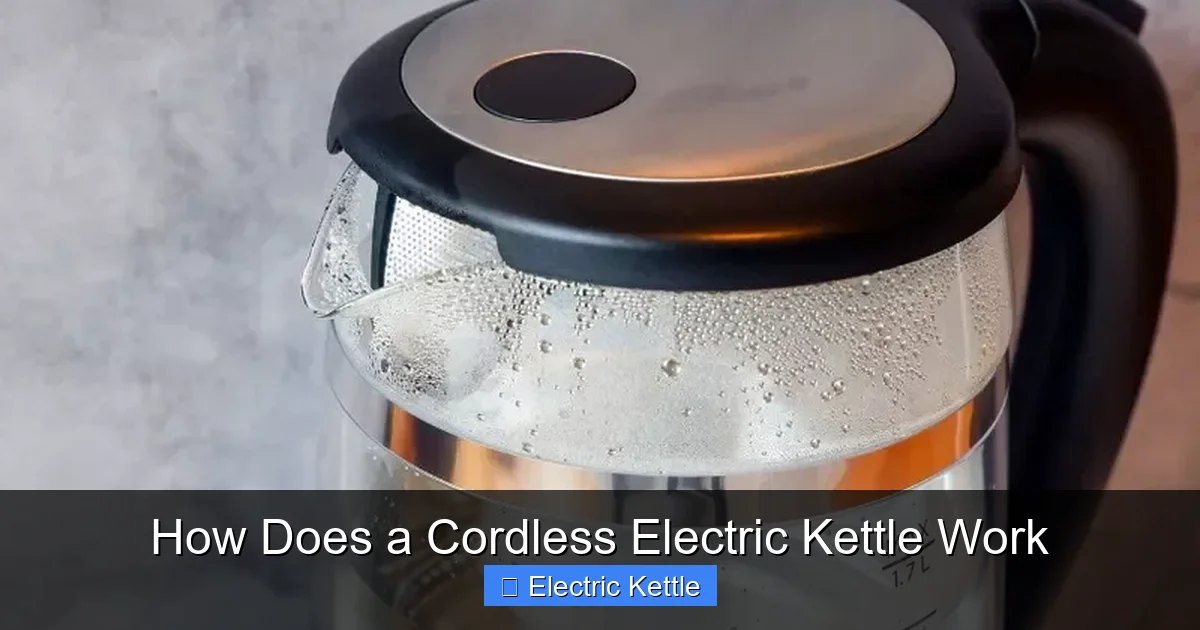
Visual guide about How Does a Cordless Electric Kettle Work
Image source: irrorwxhiqijjr5q.ldycdn.com
The Kettle Body
The kettle body is the main chamber where water is stored and heated. It’s typically made from durable materials like stainless steel, plastic, or glass. Stainless steel models are popular for their strength and resistance to rust, while glass kettles offer a stylish look and let you watch the water boil. Plastic kettles are lightweight and affordable but may retain odors over time. Inside the body, you’ll find a heating element—either exposed or concealed beneath a flat plate—that transfers heat directly to the water.
The Heating Element
This is the heart of the kettle. The heating element is a coil or plate made of metal (often stainless steel or copper) that resists electrical current, generating heat as electricity flows through it. When you turn on the kettle, electricity travels from the base through a central contact point into the heating element. The resistance in the metal causes it to heat up rapidly, transferring that heat to the surrounding water. In concealed element models, the heating plate is sealed under the kettle’s base, making cleaning easier and reducing mineral buildup.
The 360-Degree Swivel Base
One of the defining features of a cordless kettle is its detachable base. This circular platform contains the electrical components and connects to the main power supply via a standard wall outlet. The base has a central contact point—usually a spring-loaded pin or ring—that aligns with a matching connector on the bottom of the kettle. Because the base can rotate 360 degrees, you can place the kettle down at any angle and still maintain a solid electrical connection. This design allows you to lift the kettle freely for pouring without worrying about twisting or tangling a cord.
The Handle and Lid
The handle is ergonomically designed to stay cool to the touch, even when the water inside is boiling. It’s usually made from heat-resistant plastic or silicone and positioned away from the main body to prevent burns. The lid, often secured with a button or latch, seals the kettle during heating to retain heat and prevent steam from escaping. Many models include a flip-top lid for easy filling and a mesh filter to catch limescale or debris when pouring.
Control Panel and Indicators
Most modern cordless kettles feature a simple control panel on the handle or base. This may include an on/off switch, temperature settings (for variable-temperature models), and LED lights that indicate when the kettle is heating or has reached boiling point. Some advanced kettles even have digital displays showing the current water temperature or countdown timers.
How the Heating Process Works
Now that we’ve covered the key parts, let’s walk through the step-by-step process of how a cordless electric kettle heats water. It’s a fascinating blend of electrical engineering and thermodynamics that happens in just a few minutes.
Step 1: Filling the Kettle
Everything starts with adding water. Most kettles have clear markings on the inside or outside indicating minimum and maximum fill levels. It’s important not to overfill—water expands when heated and can overflow, causing spills or damage. Similarly, never operate the kettle with too little water, as this can damage the heating element. A good rule of thumb is to fill it to at least the minimum line, but no more than 80% full.
Step 2: Placing the Kettle on the Base
Once filled, you place the kettle back onto the swivel base. The central contact point on the kettle’s bottom aligns with the corresponding connector on the base. As long as the kettle is seated properly, electricity can flow from the wall outlet through the base and into the heating element. The 360-degree rotation ensures that no matter how you set it down, the connection remains secure.
Step 3: Activating the Heating Element
When you press the power button (usually on the handle), the circuit is completed, and electricity begins flowing through the heating element. Because the metal resists the electrical current, it heats up quickly—often reaching high temperatures in seconds. This heat is transferred directly to the water through conduction. The water molecules gain energy, move faster, and eventually reach their boiling point (100°C or 212°F at sea level).
Step 4: Monitoring Temperature with a Thermostat
Inside the kettle, a thermostat—a small sensor that detects temperature—monitors the water’s heat. As the water approaches boiling, the thermostat sends a signal to the control system. Once the desired temperature is reached (usually 100°C for standard boiling), the thermostat triggers an automatic shut-off mechanism. This not only prevents the water from boiling dry but also saves energy and reduces the risk of overheating.
Step 5: Auto Shut-Off and Ready to Pour
The moment the water boils, the kettle clicks off, and an indicator light may change color or turn off. At this point, the heating element stops drawing power, and the kettle is safe to lift. Because it’s cordless, you can carry it to the sink, pour directly into a cup, or take it to the table without any hassle. Some models even have a “keep warm” function that maintains the temperature for a short period after boiling.
Safety Features That Protect You
Safety is a top priority in cordless electric kettle design. Manufacturers incorporate multiple features to prevent accidents, protect the appliance, and ensure reliable performance. These aren’t just extras—they’re essential for safe daily use.
Automatic Shut-Off
This is perhaps the most important safety feature. If the water reaches boiling point or if the kettle is turned on without water (a common mistake), the thermostat detects the abnormal temperature and cuts power immediately. This prevents the heating element from overheating, which could cause damage or even a fire. Most kettles also have a secondary thermal fuse that acts as a backup in case the primary thermostat fails.
Boil-Dry Protection
Boil-dry protection is closely related to auto shut-off but specifically addresses the risk of running the kettle empty. If you accidentally turn it on without water, the heating element can overheat rapidly. Sensors detect this and shut off the power within seconds. This not only protects the kettle but also reduces the risk of burns or electrical hazards.
Cool-Touch Exterior and Handle
Even when the water inside is boiling, the outside of the kettle—especially the handle—stays relatively cool. This is thanks to insulating materials and smart design. The handle is often made from heat-resistant plastic and positioned away from the main body, so you can lift and pour safely without oven mitts. Some models also feature double-walled construction to further reduce external heat.
Stability and Non-Slip Base
A stable base prevents the kettle from tipping over, which could cause spills or burns. The swivel base usually has rubber feet or a non-slip surface to keep it firmly in place on countertops. The kettle itself is designed with a low center of gravity, making it less likely to tip when lifting or pouring.
Locking Lid and Steam Vent
The lid is designed to stay securely closed during heating, but it often includes a small steam vent to release pressure. This prevents steam from building up and potentially causing the lid to pop open. Some models have a locking mechanism that only releases when the kettle is lifted at a certain angle, adding an extra layer of safety.
Energy Efficiency and Environmental Benefits
One of the biggest advantages of cordless electric kettles is their energy efficiency. Compared to stovetop kettles or microwaves, electric kettles use less energy to boil the same amount of water—and they do it faster.
Faster Boiling Times
Electric kettles can boil water in 2 to 4 minutes, depending on the volume and wattage. A typical 1500-watt kettle heats 1 liter of water from room temperature to boiling in about 3 minutes. Stovetop kettles, by contrast, often take 5 to 7 minutes, especially on gas stoves. This speed translates to lower energy consumption per use.
Precise Water Heating
Many cordless kettles allow you to heat only the amount of water you need. Instead of boiling a full pot for one cup of tea, you can heat just 250ml. This reduces wasted energy and saves time. Variable-temperature models go a step further, letting you choose exact temperatures for different beverages—like 80°C for green tea or 90°C for French press coffee.
Lower Carbon Footprint
Because they’re more efficient, electric kettles contribute less to household energy use and carbon emissions. Over time, this adds up. If every household switched from stovetop to electric kettles, the cumulative energy savings would be significant. Plus, many modern kettles are made with recyclable materials and designed for longevity, reducing electronic waste.
Standby Power and Smart Features
Some advanced models include energy-saving modes, such as auto shut-off after boiling or delayed start timers. These features ensure the kettle isn’t using power unnecessarily. While the base does draw a small amount of standby power when plugged in, it’s minimal—usually less than 1 watt. Unplugging the base when not in use eliminates this entirely.
Maintenance and Care Tips
To keep your cordless electric kettle working efficiently and safely, regular maintenance is key. A little care goes a long way in extending its lifespan and ensuring clean, great-tasting water.
Descaling to Remove Limescale
In areas with hard water, mineral deposits (mainly calcium and magnesium) can build up inside the kettle and on the heating element. This limescale reduces heating efficiency, affects taste, and can eventually damage the appliance. Descaling should be done every 1 to 3 months, depending on water hardness.
To descale, fill the kettle halfway with equal parts water and white vinegar. Let it sit for an hour, then boil the solution. Allow it to cool, then rinse thoroughly with clean water. For stubborn buildup, repeat the process or use a commercial descaling solution. Never use abrasive cleaners or steel wool, as they can scratch the interior.
Cleaning the Exterior and Base
Wipe the outside of the kettle and base with a damp cloth and mild detergent. Avoid submerging the base in water—it contains electrical components. Use a soft brush to clean the lid, spout, and filter. If your kettle has a removable filter, take it out and rinse it under running water to remove debris.
Checking for Wear and Damage
Periodically inspect the kettle for cracks, loose parts, or frayed cords (on the base). If the handle feels loose or the lid doesn’t close properly, stop using it and contact the manufacturer. Also, listen for unusual sounds—like clicking or buzzing—during operation, which could indicate a faulty thermostat or heating element.
Storing Properly
When not in use, store the kettle in a dry, cool place. Keep it away from direct sunlight or heat sources. If you won’t be using it for a long time, empty it completely and leave the lid open to prevent odors or mold.
Choosing the Right Cordless Electric Kettle
With so many options on the market, picking the right kettle can feel overwhelming. Here are some factors to consider based on your needs and lifestyle.
Capacity
Kettles typically range from 0.5 to 1.7 liters. A 1-liter model is ideal for individuals or small households, while larger families may prefer 1.5 to 1.7 liters. Consider how much water you usually boil at once—there’s no need to buy a large kettle if you only make one cup at a time.
Material
Stainless steel is durable and easy to clean, but it can retain heat longer. Glass is elegant and lets you see the water, but it’s more fragile. Plastic is lightweight and affordable but may absorb odors. Choose based on your priorities: durability, aesthetics, or budget.
Temperature Control
If you drink different types of tea or coffee, a variable-temperature kettle is worth the investment. These models let you select precise temperatures, ensuring optimal flavor extraction. Look for models with multiple presets (e.g., 70°C, 80°C, 90°C, 100°C).
Speed and Wattage
Higher wattage (1500W to 3000W) means faster boiling. If you’re often in a hurry, opt for a high-wattage model. However, higher wattage also means higher energy use, so balance speed with efficiency.
Additional Features
Consider extras like a keep-warm function, LED display, quiet operation, or cord storage in the base. Some kettles even have Bluetooth connectivity or app control for smart homes. While not essential, these features can enhance convenience.
Conclusion
A cordless electric kettle is more than just a convenient kitchen gadget—it’s a marvel of modern engineering designed for speed, safety, and efficiency. By combining a powerful heating element, a smart swivel base, and advanced safety features, these kettles deliver hot water in minutes without the hassle of cords or stovetop monitoring. Whether you’re a tea enthusiast, a busy professional, or a parent preparing formula, understanding how your kettle works helps you use it better and maintain it longer.
From the moment you press the button to the satisfying pour into your favorite mug, every step is optimized for performance. With proper care—like regular descaling and safe handling—your kettle can serve you reliably for many years. So the next time you enjoy a perfectly brewed cup, take a moment to appreciate the simple yet sophisticated technology that made it possible. After all, sometimes the best innovations are the ones that make everyday life just a little bit easier.
Frequently Asked Questions
How does a cordless kettle stay powered without a cord?
A cordless kettle connects to power through a 360-degree swivel base. The base plugs into the wall and has a central contact point that aligns with a matching connector on the kettle’s bottom, allowing electricity to flow while the kettle remains detachable.
Can you use a cordless kettle without the base?
No, the base is essential for power. The kettle itself contains no internal battery or power source—it relies entirely on the base to supply electricity to the heating element.
Is it safe to leave a cordless electric kettle plugged in?
Yes, it’s generally safe to leave the base plugged in. Modern kettles have auto shut-off and thermal protection. However, unplugging it when not in use can save a small amount of standby power and reduce wear.
Why does my kettle take longer to boil than before?
This is often due to limescale buildup on the heating element. Hard water leaves mineral deposits that insulate the element, reducing efficiency. Regular descaling with vinegar or a descaling solution can restore performance.
Can I heat liquids other than water in a cordless kettle?
It’s not recommended. Most kettles are designed for water only. Heating milk, soup, or other liquids can cause spills, damage the heating element, or leave sticky residues that are hard to clean.
How often should I clean my cordless electric kettle?
Clean the exterior weekly and descale every 1 to 3 months, depending on water hardness. Rinse the interior after each use and wipe the lid and spout to prevent buildup and odors.