An electric kettle heats water quickly and safely using an internal heating element powered by electricity. It works through electric resistance, converting electrical energy into heat to bring water to a boil in minutes—making it a convenient and energy-efficient tool for homes and offices.
Have you ever stood in your kitchen, waiting for a pot of water to boil on the stove, only to grow impatient after what feels like an eternity? If so, you’re not alone. Many of us have experienced the slow agony of waiting for water to heat up—especially when we’re craving a quick cup of tea or need hot water for instant noodles. Enter the electric kettle: a sleek, modern appliance that can bring water to a boil in just a few minutes. But how does an electric kettle heat water so quickly and efficiently? What’s happening inside that compact, often stylish, device?
At first glance, an electric kettle seems simple—just fill it with water, plug it in, press a button, and wait. But beneath its smooth exterior lies a clever combination of physics, engineering, and safety features that make it one of the most reliable kitchen tools in modern homes. Unlike stovetop kettles that rely on an external flame or heating coil, electric kettles generate heat internally, directly transferring energy to the water. This direct method not only speeds up the process but also improves energy efficiency. Whether you’re a tea enthusiast, a busy parent, or someone who just appreciates convenience, understanding how your electric kettle works can deepen your appreciation for this everyday marvel.
In this article, we’ll dive deep into the science and mechanics behind electric kettles. We’ll explore the components that make them tick, the principles of heat transfer involved, and the safety features that keep them reliable. You’ll also learn about the different types of electric kettles available, how to maintain yours for long-term use, and why they’re often a smarter choice than traditional heating methods. By the end, you’ll not only know how an electric kettle heats water—you’ll understand why it’s one of the most efficient appliances in your kitchen.
Key Takeaways
- Electric kettles use a heating element: Located at the base, this component heats up when electricity passes through it, transferring heat directly to the water.
- Heating happens via electric resistance: The resistance in the metal coil converts electrical energy into thermal energy, warming the water efficiently.
- Thermostats control temperature: Most kettles have built-in thermostats that automatically shut off when water reaches boiling point, preventing overheating.
- Faster than stovetop methods: Electric kettles heat water up to 50% faster than traditional stovetop kettles due to direct heat transfer.
- Energy-efficient design: They use only the energy needed to boil the water, reducing waste compared to heating excess water or using large burners.
- Auto shut-off enhances safety: Once boiling is detected, the kettle turns off automatically, reducing the risk of fire or damage.
- Modern features improve usability: Variable temperature settings, keep-warm functions, and LED indicators make today’s kettles smarter and more user-friendly.
📑 Table of Contents
- How an Electric Kettle Works: The Basic Principle
- Key Components of an Electric Kettle
- The Science of Heat Transfer in Electric Kettles
- Types of Electric Kettles and Their Heating Mechanisms
- Safety Features and How They Protect You
- Energy Efficiency and Environmental Impact
- Maintenance Tips to Keep Your Kettle Working Well
- Conclusion
How an Electric Kettle Works: The Basic Principle
At the heart of every electric kettle is a simple yet powerful concept: converting electrical energy into heat. This process is known as electric resistance heating, and it’s the same principle used in toasters, space heaters, and hair dryers. When you plug in your kettle and press the switch, electricity flows through a metal coil—called the heating element—located at the base of the kettle. This coil is made from a material with high electrical resistance, such as nichrome (an alloy of nickel and chromium), which resists the flow of electricity.
As electricity struggles to pass through this resistant material, it generates heat. Think of it like water pushing through a narrow pipe—the tighter the space, the more friction and heat produced. In the case of the heating element, the resistance causes the coil to glow red-hot, much like the filament in an old incandescent light bulb. This intense heat is then transferred directly to the water sitting above it. Because the heating element is submerged or in direct contact with the water chamber, the energy transfer is highly efficient. There’s minimal loss to the surrounding air, which is why electric kettles can boil water faster than stovetop methods.
One of the key advantages of this system is its speed. While a stovetop kettle might take 5 to 10 minutes to boil, an electric kettle can do the same job in just 2 to 4 minutes, depending on the model and water volume. This is because the heat is generated right where it’s needed—inside the kettle—rather than being transferred from an external source like a gas flame or electric burner. The direct contact between the heating element and water ensures that nearly all the energy goes into heating the liquid, not the surrounding environment.
Another benefit is consistency. Electric kettles are designed to deliver a steady stream of heat until the water reaches its boiling point. Unlike stovetops, where flame intensity can vary, the heating element in an electric kettle maintains a constant temperature output. This predictability not only improves efficiency but also enhances safety, as we’ll explore later.
Key Components of an Electric Kettle
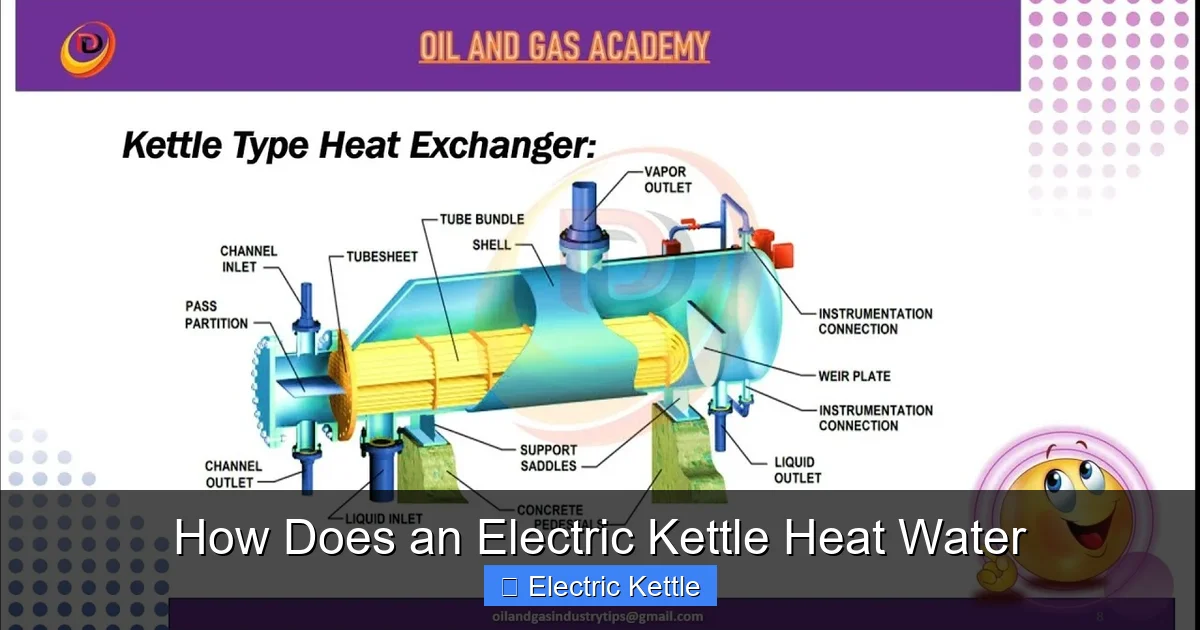
Visual guide about How Does an Electric Kettle Heat Water
Image source: i.ytimg.com
To truly understand how an electric kettle heats water, it’s important to know the main parts that make it work. While designs vary between models, most electric kettles share a similar internal structure. Let’s break down the essential components and their roles.
The Heating Element
The heating element is the star of the show. It’s usually a coiled wire made from nichrome or a similar high-resistance alloy, housed in a protective metal sheath. In many modern kettles, this element is concealed beneath a flat base, allowing for easy cleaning and a sleek look. When electricity flows through the coil, it heats up rapidly and transfers that heat to the water above. Some high-end models use dual heating elements or spiral designs to increase surface area and improve heating speed.
The Water Chamber
This is the main body of the kettle where you pour in the water. It’s typically made from stainless steel, plastic, or glass. Stainless steel is durable and retains heat well, while glass allows you to see the water level and boiling process. Plastic models are lightweight and affordable but may retain odors over time. The chamber is designed to hold water securely while allowing efficient heat transfer from the heating element.
The Thermostat
One of the most important safety and efficiency features is the thermostat. This small device monitors the temperature of the water and the heating element. Once the water reaches boiling point (around 100°C or 212°F at sea level), the thermostat triggers a switch that cuts off the power to the heating element. This prevents the kettle from overheating or boiling dry, which could damage the unit or create a fire hazard.
Some advanced kettles feature variable thermostats that allow you to select specific temperatures—ideal for brewing delicate teas like green or white tea, which require lower temperatures than black tea or coffee.
The Auto Shut-Off Mechanism
Working closely with the thermostat, the auto shut-off feature automatically turns off the kettle when boiling is detected. This is usually achieved through a bimetallic strip or a magnetic switch that responds to temperature changes. Once the water boils, steam rises and triggers the mechanism, cutting the power. This not only saves energy but also ensures safety, especially if you forget the kettle is on.
The Power Base and Cord
The power base connects the kettle to the electrical outlet. In cordless models, the kettle lifts off the base for easy pouring, while the base remains plugged in. This design reduces clutter and makes handling safer. The cord itself is typically heat-resistant and designed to withstand repeated use.
Additional Features
Many modern kettles come with extras like LED indicators (to show when the kettle is on), keep-warm functions (to maintain temperature after boiling), and water level markers (to help you measure the right amount). Some even have filters to reduce limescale buildup in hard water areas.
The Science of Heat Transfer in Electric Kettles
Understanding how an electric kettle heats water requires a quick look at the science of heat transfer. There are three main ways heat moves: conduction, convection, and radiation. In an electric kettle, conduction and convection play the biggest roles.
Conduction: Direct Heat Transfer
Conduction is the process by which heat moves through a solid material. In the kettle, the heating element gets hot when electricity passes through it. Because it’s in direct contact with the water chamber (usually at the base), heat is conducted from the metal into the water. The hotter the element, the faster heat transfers to the water molecules closest to it.
This is why the bottom of the kettle gets hot first. The water molecules near the heating element gain energy, vibrate faster, and begin to move upward. This brings us to the next process.
Convection: Circulating Hot Water
Convection is the movement of heat through a fluid—in this case, water. As the water at the bottom heats up, it becomes less dense and rises to the top. Cooler, denser water from the top sinks down to take its place. This creates a natural circulation pattern, often called a convection current. Over time, this process distributes heat evenly throughout the kettle, ensuring all the water reaches boiling temperature.
This is also why you’ll see bubbles forming at the bottom and rising to the surface—those are pockets of steam created as water molecules gain enough energy to change from liquid to gas.
Radiation: Minimal but Present
Radiation refers to heat transfer through electromagnetic waves. While the heating element does emit some infrared radiation, it’s a minor factor in electric kettles compared to conduction and convection. Most of the heat is transferred directly to the water, not radiated into the air.
Why This Matters for Efficiency
The combination of conduction and convection makes electric kettles highly efficient. Because heat is generated inside the kettle and transferred directly to the water, there’s little energy wasted. Compare this to a stovetop kettle, where heat must travel from the burner to the pot, and some is lost to the surrounding air. Electric kettles can achieve energy efficiency ratings of 80% or higher, meaning most of the electricity used goes directly into heating the water.
Types of Electric Kettles and Their Heating Mechanisms
Not all electric kettles are created equal. While the basic principle of electric resistance heating remains the same, different designs and features can affect how quickly and effectively they heat water. Here are the main types of electric kettles and how they work.
Standard Electric Kettles
These are the most common type—simple, affordable, and effective. They have a concealed heating element at the base and typically come with basic features like auto shut-off and water level indicators. Ideal for everyday use, they’re perfect for boiling water for tea, coffee, or instant meals.
Cordless Electric Kettles
Cordless models feature a detachable base, allowing you to lift the kettle off the power source for easy pouring. This design reduces the risk of tripping over cords and makes handling safer, especially when the kettle is full and hot. The heating element is still located in the base, but the kettle itself is separate.
Variable Temperature Kettles
Designed for tea lovers, these kettles let you choose specific temperatures—such as 80°C for green tea or 90°C for oolong. They use advanced thermostats and digital controls to maintain precise heat levels. Some even have preset programs for different beverages.
Gooseneck Kettles
Popular among pour-over coffee enthusiasts, gooseneck kettles have a long, narrow spout that allows for precise water flow. They often include variable temperature control and are made from materials like stainless steel or copper for better heat retention.
Glass and Stainless Steel Kettles
Glass kettles let you watch the water boil—a fun and functional feature. They’re easy to clean but can be fragile. Stainless steel kettles are durable, retain heat well, and resist staining. Both materials conduct heat effectively, but stainless steel is generally more energy-efficient.
Smart Kettles
The latest innovation, smart kettles can be controlled via smartphone apps. You can set timers, adjust temperatures, and even monitor the kettle remotely. Some models sync with voice assistants like Alexa or Google Assistant for hands-free operation.
Safety Features and How They Protect You
While electric kettles are generally safe, they do involve high heat and electricity—so manufacturers include several safety features to prevent accidents.
Auto Shut-Off
As mentioned earlier, this feature turns off the kettle when water reaches boiling point. It’s one of the most important safety mechanisms, preventing overheating and potential fires.
Boil-Dry Protection
If you accidentally turn on the kettle without water, the heating element can overheat and damage the unit. Boil-dry protection detects when there’s no water and cuts the power before damage occurs.
Cool-Touch Exterior
Many kettles are designed with insulated walls or double-layered bodies to keep the outside cool to the touch. This reduces the risk of burns, especially important in households with children.
Stability and Non-Slip Base
A wide, weighted base helps prevent tipping, while rubber feet keep the kettle secure on countertops. This is especially important when handling a full, hot kettle.
Locking Lid
Some models have lids that lock during operation, preventing hot water from splashing out if the kettle is jostled.
Energy Efficiency and Environmental Impact
Electric kettles are among the most energy-efficient appliances in the kitchen. Because they heat water directly and quickly, they use less electricity than stovetops or microwaves for the same task.
How Much Energy Do They Use?
Most electric kettles consume between 1,200 and 3,000 watts of power. A typical 1,500-watt kettle uses about 0.025 kWh to boil one liter of water. That’s roughly 1–2 cents per use, depending on your electricity rate.
Tips for Maximum Efficiency
- Only boil the amount of water you need—don’t fill the kettle to the top if you only need one cup.
- Descale regularly to maintain heating efficiency.
- Use a kettle with good insulation to retain heat.
- Choose a model with auto shut-off to avoid unnecessary energy use.
Maintenance Tips to Keep Your Kettle Working Well
To ensure your electric kettle continues to heat water efficiently and safely, regular maintenance is key.
Cleaning the Exterior
Wipe the outside with a damp cloth. Avoid submerging the base in water.
Descaling the Interior
Hard water leaves mineral deposits (limescale) that can insulate the heating element and reduce efficiency. Use a mixture of vinegar and water (1:1 ratio), boil it, let it sit for an hour, then rinse thoroughly.
Checking the Heating Element
If you notice slower heating or unusual smells, inspect the element for buildup. Clean it gently with a soft brush or cloth.
Replacing Old Kettles
If your kettle takes much longer to boil or shows signs of damage (cracks, leaks, faulty switches), it’s time for a replacement.
Conclusion
An electric kettle heats water through a clever combination of electric resistance, direct heat transfer, and smart engineering. By converting electrical energy into heat within the kettle itself, it boils water faster and more efficiently than traditional methods. With built-in safety features, energy-saving designs, and modern conveniences, it’s no wonder electric kettles are a staple in kitchens worldwide.
Whether you’re brewing your morning coffee, preparing a soothing cup of tea, or just need hot water for cooking, your electric kettle is working hard behind the scenes—using science and simplicity to deliver results in minutes. Understanding how it works not only helps you appreciate its design but also encourages smarter, safer use. So the next time you press that button, you’ll know exactly what’s happening inside: a quiet, efficient transformation of electricity into steam, one boil at a time.
Frequently Asked Questions
How does an electric kettle heat water so fast?
An electric kettle heats water quickly because the heating element is in direct contact with the water, allowing efficient heat transfer. Unlike stovetops, there’s minimal energy loss to the surrounding air.
Is it safe to leave an electric kettle plugged in?
Yes, it’s generally safe to leave an electric kettle plugged in when not in use, as long as it’s turned off. However, unplugging it when not in use can save a small amount of standby power and reduce wear on the components.
Can an electric kettle boil water without water inside?
Most modern kettles have boil-dry protection that automatically shuts off the heating element if no water is detected. This prevents damage and reduces fire risk.
Why does my electric kettle take longer to boil than before?
This is often due to limescale buildup on the heating element. Descaling with vinegar can restore heating efficiency. If the problem persists, the thermostat or element may be failing.
Do electric kettles use a lot of electricity?
No, electric kettles are energy-efficient. They use only the power needed to boil the water, typically costing just a few cents per use.
Can I use an electric kettle for purposes other than boiling water?
While designed for water, some people use kettles to heat broth or make instant soups. Avoid using it for oils, milk, or sugary liquids, as they can damage the interior and leave hard-to-clean residues.