Ever wondered how your electric kettle knows when to stop boiling? It’s not magic—it’s smart engineering. Using temperature-sensitive components like thermostats and bimetallic strips, modern kettles shut off automatically once water reaches boiling point, preventing overheating and saving energy.
Key Takeaways
- Automatic shut-off prevents accidents: Electric kettles turn off when water boils to avoid dry boiling, overheating, or fire risks.
- Thermostats are the core mechanism: Most kettles use a thermostat to detect temperature changes and trigger the shut-off.
- Bimetallic strips respond to heat: These metal components bend when heated, breaking the electrical circuit and stopping power.
- Advanced models use sensors and microchips: High-end kettles feature digital temperature sensors for precise control and variable settings.
- Energy efficiency is improved: Auto shut-off reduces wasted electricity and extends the kettle’s lifespan.
- Safety certifications matter: Look for kettles with UL, CE, or ETL marks to ensure reliable automatic shut-off features.
- Maintenance keeps it working: Regular cleaning and checking for mineral buildup helps maintain accurate temperature sensing.
📑 Table of Contents
- How Does an Electric Kettle Switch Off Automatically?
- The Science Behind Automatic Shut-Off
- Types of Automatic Shut-Off Mechanisms
- How Modern Kettles Improve on Older Designs
- Safety Features and Certifications
- Maintenance Tips to Keep Auto Shut-Off Working
- Choosing the Right Kettle for Your Needs
- Conclusion
How Does an Electric Kettle Switch Off Automatically?
Have you ever stood in the kitchen, waiting for your kettle to finish boiling, only to realize it turned off all by itself? No timer, no button—just quiet efficiency. That’s the magic of modern engineering at work. Electric kettles are designed to switch off automatically once the water reaches boiling point, and this feature isn’t just convenient—it’s essential for safety, energy savings, and longevity.
But how exactly does this happen? It’s not a hidden robot inside your kettle making decisions. Instead, it’s a clever combination of physics, materials science, and electrical engineering. From simple bimetallic strips to advanced digital sensors, the mechanisms behind automatic shut-off are both fascinating and reliable. Whether you’re brewing tea, making instant coffee, or preparing hot water for cooking, your kettle’s ability to stop boiling on its own is a small miracle of everyday technology.
In this article, we’ll dive deep into the inner workings of electric kettles. You’ll learn about the different types of automatic shut-off systems, how they detect temperature, and why they’re so important. We’ll also explore the evolution of kettle technology, compare older and newer models, and give you practical tips to keep your kettle working safely and efficiently. By the end, you’ll never look at your morning cup of tea the same way again.
The Science Behind Automatic Shut-Off
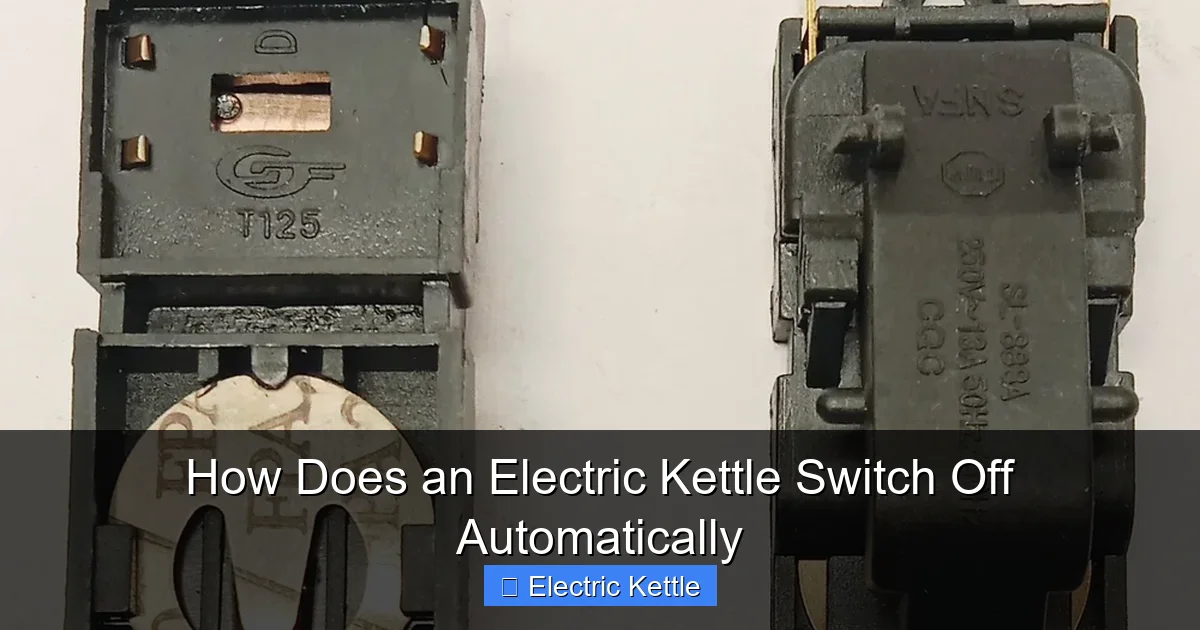
Visual guide about How Does an Electric Kettle Switch Off Automatically
Image source: 5.imimg.com
At the heart of every electric kettle’s automatic shut-off feature is one simple principle: temperature control. Water boils at 100°C (212°F) at sea level, and once it reaches that point, it begins to turn into steam. If the heating continues beyond this, the kettle could overheat, damage its components, or even become a fire hazard. That’s why kettles are designed to detect when boiling occurs and cut off the power immediately.
The key to this process lies in thermal sensing. Inside most kettles, there’s a component that reacts to heat—either by expanding, bending, or changing electrical resistance. When the water heats up, this component triggers a switch that breaks the electrical circuit, stopping the flow of electricity to the heating element. This happens in a fraction of a second, often with a soft click you can hear.
But not all kettles use the same method. Some rely on mechanical systems, while others use electronic sensors. The choice depends on the kettle’s design, price, and intended use. For example, a basic budget kettle might use a simple bimetallic strip, while a premium model with variable temperature settings could include a digital thermistor and microprocessor. Understanding these differences helps you choose the right kettle and appreciate the technology behind your daily routine.
Why Automatic Shut-Off Is Essential
Imagine leaving your kettle on and walking away. Without automatic shut-off, it would keep heating long after the water boiled away. This could lead to dry boiling—where the heating element runs with little or no water. Dry boiling can cause overheating, damage the kettle, release harmful fumes, or even start a fire. That’s why automatic shut-off isn’t just a nice feature—it’s a critical safety mechanism.
In fact, most modern electric kettles are required by safety standards to include this function. Organizations like UL (Underwriters Laboratories) and CE (Conformité Européenne) test kettles to ensure they shut off reliably under normal and abnormal conditions. These certifications give consumers confidence that their appliance won’t become a hazard.
Beyond safety, automatic shut-off also improves energy efficiency. Once the water boils, there’s no need to keep heating it. Continuing to draw power would waste electricity and increase your energy bill. By turning off at the right moment, kettles save energy and reduce your carbon footprint. Plus, it prevents unnecessary wear and tear on the heating element, helping your kettle last longer.
Types of Automatic Shut-Off Mechanisms
Not all electric kettles are created equal when it comes to automatic shut-off. Over the years, manufacturers have developed several different technologies to achieve the same goal: turning off the kettle when water boils. These range from simple mechanical systems to advanced digital controls. Let’s explore the most common types.
Mechanical Thermostats
The most traditional and widely used method is the mechanical thermostat. This system typically includes a bimetallic strip—a thin piece of metal made by bonding two different metals together. Because the two metals expand at different rates when heated, the strip bends as temperature rises.
In a kettle, this strip is placed near the heating element or in the steam path above the water. As the water heats up, steam rises and warms the strip. Once the temperature reaches around 100°C, the strip bends enough to push a switch, breaking the electrical circuit. This stops the heating element instantly. When the kettle cools down, the strip returns to its original shape, resetting the switch.
This method is reliable, inexpensive, and doesn’t require electricity to operate—making it ideal for basic kettles. However, it’s not perfectly precise. The shut-off might occur slightly before or after boiling, depending on the design and wear over time. Still, for most household uses, it’s more than adequate.
Bimetallic Strips: The Classic Solution
Bimetallic strips are the unsung heroes of many household appliances, and electric kettles are no exception. These strips are usually made of steel and brass or steel and copper—metals with different thermal expansion rates. When heated, one side expands more than the other, causing the strip to curve.
In kettles, the strip is often mounted on a small lever or switch mechanism. As steam rises from the boiling water, it heats the strip. Once it reaches the boiling point, the strip bends and triggers a snap-action switch. This switch cuts off power to the heating element with a noticeable click.
One advantage of bimetallic strips is their simplicity. They have no moving parts other than the bending action, so they’re durable and require no external power. They’re also self-resetting—once the kettle cools, the strip straightens and the switch can be reactivated. However, over time, repeated heating and cooling can cause the strip to lose sensitivity, leading to delayed shut-off or failure.
Electronic Temperature Sensors
As technology advanced, so did kettle designs. Modern kettles often use electronic temperature sensors, such as thermistors or resistance temperature detectors (RTDs). These components change their electrical resistance based on temperature, allowing a microprocessor to monitor the water’s heat in real time.
In these systems, a small sensor is placed in contact with the water or the kettle’s base. It sends temperature data to a control board, which compares it to preset values. When the water reaches the target temperature—say, 100°C for boiling—the board sends a signal to cut power to the heating element.
This method is far more precise than mechanical systems. It allows for variable temperature settings, so you can heat water to 80°C for green tea or 90°C for white tea without over-boiling. Some kettles even have LED displays that show the current temperature, giving you full control.
Electronic sensors are common in premium kettles, especially those designed for tea enthusiasts or smart home integration. They’re more expensive to produce but offer greater accuracy and functionality.
Steam-Activated Switches
Another clever method involves using steam itself to trigger the shut-off. In these kettles, a small chamber or duct directs steam from the boiling water to a switch located above the water level. As steam builds up, it applies pressure or heat to a sensitive component—like a bimetallic disc or a wax motor—that activates the switch.
This system is particularly effective because it responds directly to the phase change from liquid to gas, which only happens at boiling point. It’s less likely to be triggered by hot (but not boiling) water, making it highly reliable.
Some kettles combine steam activation with bimetallic strips for added precision. For example, the steam heats a metal disc that then bends and breaks the circuit. This dual-action design reduces the chance of false triggers and improves safety.
How Modern Kettles Improve on Older Designs
Electric kettles have come a long way since their invention in the late 19th century. Early models were simple—just a heating coil inside a metal or ceramic container. They had no automatic shut-off, so users had to watch them constantly to avoid boiling dry. These kettles were functional but risky.
The introduction of automatic shut-off in the mid-20th century was a game-changer. It made kettles safer, more convenient, and more energy-efficient. Over time, manufacturers refined the technology, adding features like variable temperature control, keep-warm functions, and even smartphone connectivity.
Today’s kettles are smarter, faster, and more reliable than ever. High-end models can heat water to exact temperatures, remember your preferences, and even notify you when it’s ready. But the core principle remains the same: detect when water boils and turn off automatically.
Smart Kettles and Digital Controls
The latest innovation in kettle technology is the “smart” kettle. These appliances connect to Wi-Fi and can be controlled via smartphone apps or voice assistants like Alexa or Google Assistant. You can start boiling water from another room, set a timer, or choose a specific temperature for different types of tea.
Under the hood, smart kettles use advanced microprocessors and digital sensors to monitor temperature with high precision. They often include multiple sensors—one in the base for water temperature and another near the lid to detect steam. This dual-sensing approach ensures accurate shut-off and prevents false triggers.
Some smart kettles also have learning capabilities. They can remember your favorite settings and suggest optimal temperatures based on the type of beverage you’re making. For example, if you often brew oolong tea at 95°C, the kettle will default to that temperature the next time.
While smart kettles are more expensive, they offer unmatched convenience and control. They’re ideal for tea lovers, busy professionals, or anyone who values precision and automation.
Energy Efficiency and Environmental Impact
Automatic shut-off doesn’t just improve safety—it also helps the environment. By turning off exactly when needed, kettles reduce unnecessary energy consumption. According to the U.S. Department of Energy, heating water accounts for about 4% of a typical household’s energy use. Using an efficient kettle with auto shut-off can cut that down significantly.
Modern kettles are also designed with better insulation and faster heating elements, which further reduce energy waste. Some models use induction heating, which is more efficient than traditional resistive coils. Others have eco-modes that boil only the amount of water you need, rather than filling the entire kettle.
Choosing a kettle with reliable automatic shut-off is a small step toward a greener lifestyle. It saves energy, lowers your utility bills, and reduces your carbon footprint—all while making your morning routine easier.
Safety Features and Certifications
When it comes to electric appliances, safety is paramount. Automatic shut-off is just one of several safety features found in modern kettles. Others include boil-dry protection, overheat protection, and insulated handles. Together, these features create a safe and user-friendly experience.
Boil-Dry Protection
Boil-dry protection is closely related to automatic shut-off. It prevents the kettle from operating if there’s no water inside. This is crucial because running a heating element dry can cause it to overheat, warp, or catch fire.
Most kettles with boil-dry protection use a float switch or a thermal fuse. The float switch detects the water level—if it’s too low, the kettle won’t turn on. The thermal fuse is a one-time-use component that melts if the temperature gets too high, permanently cutting off power. While this fuse can’t be reset, it provides an extra layer of safety.
Some advanced kettles combine both methods for maximum protection. They won’t start unless there’s enough water, and they’ll shut off immediately if the water level drops too low during use.
Overheat Protection
Even with automatic shut-off, faults can occur. A stuck switch, damaged sensor, or electrical surge could cause the kettle to overheat. That’s where overheat protection comes in.
This feature uses a secondary thermal cutoff—often a thermal fuse or a resettable thermal switch—that activates if the temperature exceeds a safe limit, even if the main shut-off fails. It’s a backup system designed to prevent catastrophic failure.
Overheat protection is especially important in kettles used in homes with children or elderly users, where accidents are more likely. It gives peace of mind that the appliance won’t become a fire hazard.
Recognized Safety Standards
When shopping for an electric kettle, look for safety certifications like UL (USA), CE (Europe), ETL (North America), or CSA (Canada). These marks indicate that the kettle has been tested and meets strict safety and performance standards.
Certified kettles are designed to shut off reliably under normal and abnormal conditions. They’re tested for electrical safety, thermal performance, and durability. Buying a certified kettle ensures you’re getting a product that’s been independently verified for safety.
Avoid cheap, uncertified kettles from unknown brands. They may lack proper shut-off mechanisms or use substandard materials, increasing the risk of malfunction.
Maintenance Tips to Keep Auto Shut-Off Working
Even the best automatic shut-off system can fail if the kettle isn’t properly maintained. Mineral buildup, dirt, and wear over time can affect temperature sensing and switch operation. Here’s how to keep your kettle in top condition.
Descale Regularly
Hard water contains minerals like calcium and magnesium that can build up inside the kettle. This limescale can insulate the heating element, making it harder to heat water and interfering with temperature sensors.
To descale, fill the kettle with equal parts water and white vinegar. Let it sit for an hour, then boil and pour out the solution. Rinse thoroughly with clean water. Repeat if necessary. For regular maintenance, descale every 1–2 months, depending on water hardness.
Clean the Exterior and Lid
Dust, grease, and fingerprints can accumulate on the kettle’s exterior and lid. While this doesn’t affect performance directly, it can make the kettle look dirty and harbor bacteria.
Wipe the outside with a damp cloth and mild detergent. Avoid harsh chemicals that could damage the finish. Clean the lid and spout regularly to prevent buildup that could affect steam flow and shut-off accuracy.
Check for Wear and Damage
Inspect your kettle periodically for signs of wear. Look for cracks in the body, loose handles, or frayed cords. Test the automatic shut-off by boiling a small amount of water and listening for the click. If it doesn’t shut off, or if it shuts off too early, the thermostat or sensor may be faulty.
If you notice any issues, stop using the kettle and contact the manufacturer. Don’t attempt to repair it yourself unless you’re qualified—electric appliances can be dangerous if mishandled.
Choosing the Right Kettle for Your Needs
With so many options on the market, how do you pick the right electric kettle? The answer depends on your priorities: speed, precision, safety, or smart features.
If you want a simple, reliable kettle for everyday use, look for one with a bimetallic strip and UL certification. It should have automatic shut-off, boil-dry protection, and a sturdy build.
For tea enthusiasts, consider a variable-temperature kettle with digital controls. These let you heat water to exact temperatures for different teas, preserving flavor and aroma.
If you’re tech-savvy, a smart kettle with app control and voice compatibility might be worth the investment. Just make sure it has strong safety features and good reviews.
No matter which kettle you choose, prioritize safety and reliability. A good automatic shut-off system is non-negotiable.
Conclusion
The automatic shut-off feature in electric kettles is a perfect example of how thoughtful engineering improves everyday life. It keeps us safe, saves energy, and makes brewing tea or coffee effortless. From simple bimetallic strips to advanced digital sensors, the technology behind this function continues to evolve.
By understanding how your kettle works, you can make better choices when buying and maintaining it. Look for safety certifications, descale regularly, and choose a model that fits your needs. And the next time your kettle clicks off on its own, you’ll appreciate the science and care that made it possible.
So go ahead—boil that water, pour that tea, and enjoy the quiet confidence that comes from knowing your kettle has your back.
Frequently Asked Questions
How does an electric kettle know when to turn off?
An electric kettle uses a thermostat or temperature sensor to detect when water reaches boiling point. Once the temperature hits around 100°C, the sensor triggers a switch that cuts off power to the heating element.
Can an electric kettle overheat if the auto shut-off fails?
Yes, if the automatic shut-off fails, the kettle could overheat, especially if it boils dry. That’s why most kettles include backup safety features like thermal fuses and boil-dry protection.
Do all electric kettles have automatic shut-off?
Most modern electric kettles do, especially those sold in regions with strict safety standards. However, very old or low-quality models may lack this feature, so always check the specifications.
Why does my kettle shut off before the water boils?
This could be due to mineral buildup insulating the heating element, a faulty thermostat, or low water levels. Descaling the kettle and ensuring it’s filled properly can often fix the issue.
Can I manually override the automatic shut-off?
No, the automatic shut-off is a safety feature that cannot be overridden. Attempting to bypass it could lead to overheating, damage, or fire.
How often should I descale my electric kettle?
It depends on water hardness, but generally every 1–2 months. If you notice slower boiling or mineral deposits, it’s time to descale with vinegar or a commercial descaling solution.