An electric kettle works by using an internal heating element to convert electrical energy into heat, rapidly boiling water with precision and safety. Unlike stovetop kettles, it features automatic shut-off, temperature control, and insulated designs for efficiency and convenience.
Key Takeaways
- Electric kettles use a concealed or exposed heating element to transfer heat directly to water, making them faster than stovetop methods.
- Thermostats and sensors regulate temperature, ensuring water boils quickly and shuts off automatically to prevent overheating.
- Automatic shut-off and boil-dry protection enhance safety by cutting power when water reaches boiling point or if the kettle runs dry.
- Insulated walls and ergonomic handles keep the exterior cool and make pouring safe and comfortable.
- Modern kettles offer variable temperature settings, ideal for brewing different types of tea or coffee with precision.
- Energy efficiency is a major advantage, as electric kettles use less power than stovetops and heat only the water you need.
- Regular cleaning and descaling maintain performance and extend the lifespan of your electric kettle.
📑 Table of Contents
How Does an Electric Kettle Work
Imagine this: it’s early morning, and you’re craving a hot cup of tea. You fill your electric kettle, press a button, and within minutes, your water is boiling. No waiting for a stovetop kettle to whistle, no worrying about leaving the gas on. Just quick, quiet, and efficient boiling—thanks to modern electric kettle technology.
But have you ever stopped to wonder *how* it all works? What’s happening inside that sleek, modern appliance that turns cold water into steam in under five minutes? The answer lies in a clever combination of physics, engineering, and smart design. Electric kettles are marvels of everyday convenience, blending speed, safety, and energy efficiency into one compact device.
At their core, electric kettles transform electrical energy into heat energy. This process is both simple and brilliant. When you plug in your kettle and press the switch, electricity flows through a heating element submerged in or attached to the base of the water chamber. This element gets hot—very hot—and transfers that heat directly to the water, raising its temperature until it reaches boiling point. Unlike traditional kettles that rely on an external heat source like a stove, electric kettles heat the water from within, making the process faster and more controlled.
But it’s not just about speed. Modern electric kettles are packed with safety features, temperature controls, and energy-saving technologies that make them indispensable in kitchens worldwide. From automatic shut-off mechanisms to variable temperature settings for different beverages, these appliances are designed with both performance and user safety in mind.
In this article, we’ll dive deep into the inner workings of an electric kettle. We’ll explore the science behind the heating process, examine the components that make it safe and efficient, and explain how features like thermostats and insulation contribute to its performance. Whether you’re a tea enthusiast, a coffee lover, or just someone who appreciates a well-designed kitchen tool, understanding how your electric kettle works will help you use it better—and appreciate it more.
The Science Behind the Boil: How Heat Is Generated
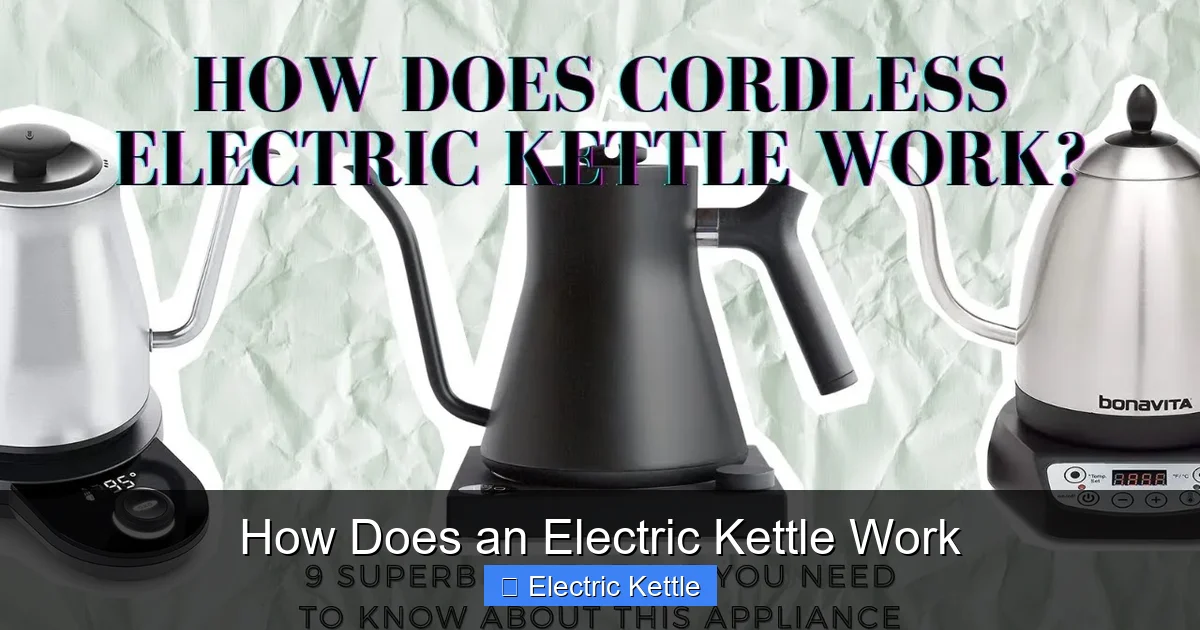
Visual guide about How Does an Electric Kettle Work
Image source: i.ytimg.com
At the heart of every electric kettle is a simple yet powerful principle: electrical resistance. When electricity flows through a conductor—like the metal coil in a heating element—it encounters resistance. This resistance causes the conductor to heat up, a phenomenon known as Joule heating. In an electric kettle, this heat is transferred directly to the water, raising its temperature rapidly.
Most electric kettles use one of two types of heating elements: exposed or concealed. Exposed elements are visible as a coiled wire at the bottom of the kettle, while concealed elements are hidden beneath a smooth, flat plate. Both designs work on the same principle, but concealed elements are easier to clean and less prone to mineral buildup, making them more popular in modern models.
Let’s break it down step by step. When you fill the kettle with water and press the power button, an electrical circuit is completed. Electricity flows from the plug, through the cord, and into the heating element. As the current passes through the element, its resistance causes it to heat up—often reaching temperatures over 200°C (392°F) in just seconds. This intense heat is then conducted into the water molecules surrounding the element.
Water molecules begin to vibrate faster as they absorb thermal energy. When the temperature reaches 100°C (212°F) at sea level, the water begins to boil. Bubbles of steam form and rise to the surface, creating the familiar rolling boil. The entire process typically takes between 2 to 5 minutes, depending on the kettle’s wattage and the volume of water.
One of the reasons electric kettles are so efficient is that they heat water directly, with minimal energy loss. Unlike stovetops, which lose heat to the surrounding air and the pot itself, electric kettles transfer nearly all their energy into the water. This direct heating method makes them up to 80% more energy-efficient than traditional stovetop kettles.
For example, a 1500-watt electric kettle can boil 1 liter of water in about 3 minutes, using roughly 0.125 kWh of electricity. In contrast, a gas stove might take twice as long and use more energy due to heat dispersion. This efficiency not only saves time but also reduces your energy bill and environmental footprint.
Key Components of an Electric Kettle
To understand how an electric kettle works, it’s helpful to know the main parts that make it tick. Each component plays a vital role in ensuring the kettle heats water quickly, safely, and efficiently. Let’s take a closer look at the key components you’ll find inside most electric kettles.
The Heating Element
The heating element is the engine of the electric kettle. It’s usually made of a high-resistance metal alloy, such as nichrome (a mix of nickel and chromium), which can withstand high temperatures without melting. In concealed-element kettles, the element is bonded to the underside of a stainless steel or aluminum base plate. This design protects the element from direct contact with water, reducing the risk of corrosion and making cleaning easier.
When electricity flows through the element, it glows red-hot—though you can’t see it in concealed models. The heat is then conducted through the base plate and into the water. The efficiency of this transfer depends on the material and design of the element. High-quality kettles use thick, well-insulated elements that heat evenly and last longer.
The Thermostat and Temperature Sensor
One of the most important safety and performance features in an electric kettle is the thermostat. This small device monitors the temperature of the water and controls when the heating element turns on and off. Most kettles use a bimetallic thermostat—a strip made of two different metals that expand at different rates when heated.
As the water heats up, the thermostat senses the rising temperature. Once the water reaches boiling point (around 100°C), the bimetallic strip bends and triggers a switch that cuts off the power to the heating element. This automatic shut-off prevents the kettle from overheating or boiling dry, which could damage the element or pose a fire risk.
Some advanced kettles go a step further with digital temperature sensors and microprocessors. These allow for precise temperature control, enabling users to select specific temperatures for different beverages. For instance, green tea brews best at 70–80°C, while French press coffee needs water just off the boil at 90–96°C. With a variable-temperature kettle, you can set the exact heat level and let the kettle do the rest.
The Automatic Shut-Off Mechanism
Safety is a top priority in electric kettle design, and the automatic shut-off feature is a cornerstone of that safety. This mechanism ensures the kettle turns off as soon as the water boils, preventing accidents and saving energy.
The shut-off is typically triggered by the thermostat, but some kettles also use steam-activated switches. As water boils, steam rises and hits a sensor near the spout. This sensor detects the change in humidity or temperature and signals the kettle to turn off. This dual-system approach—using both temperature and steam detection—adds an extra layer of reliability.
Another critical safety feature is boil-dry protection. If you accidentally turn on the kettle without water, the heating element can overheat and fail. To prevent this, most kettles have a thermal fuse or a secondary thermostat that cuts power if the temperature exceeds a safe threshold—even if the main thermostat fails. This protects both the kettle and your home from potential hazards.
The Insulated Body and Handle
Ever noticed that the outside of your electric kettle stays cool, even when the water inside is boiling? That’s thanks to insulation and smart design. The outer shell is usually made of heat-resistant plastic or stainless steel, with an air gap or insulating layer between the inner water chamber and the exterior.
This insulation serves two purposes: it keeps the heat inside the kettle, improving efficiency, and it keeps the outside cool to the touch, preventing burns. The handle is typically made of heat-resistant materials like Bakelite or silicone, and it’s designed to stay cool even during prolonged use.
Ergonomics also play a role. A well-designed handle provides a comfortable grip and allows for easy pouring, even when the kettle is full. Some models feature a 360-degree swivel base, so you can lift and pour from any angle without twisting the cord.
The Lid and Spout
The lid and spout may seem like minor parts, but they’re essential for functionality and safety. The lid should seal tightly to prevent steam from escaping and to keep dust and debris out. Many kettles have a push-button or flip-top lid that opens with one hand, making filling and cleaning easier.
The spout is designed for smooth, drip-free pouring. A well-shaped spout with a built-in filter helps prevent limescale and debris from entering your cup. Some kettles also have a mesh filter at the spout opening to catch loose tea leaves or coffee grounds.
Safety Features That Protect You and Your Kettle
Electric kettles are among the safest kitchen appliances, thanks to a suite of built-in safety features. These aren’t just conveniences—they’re essential protections that prevent accidents, extend the life of the kettle, and give users peace of mind.
Automatic Shut-Off
As mentioned earlier, automatic shut-off is a standard feature in virtually all modern electric kettles. It activates when the water reaches boiling point, cutting power to the heating element. This prevents the kettle from continuing to heat dry, which could damage the element or start a fire.
This feature is especially useful if you get distracted—say, by a phone call or a child needing attention. Without automatic shut-off, a stovetop kettle could boil dry and crack, or worse, cause a fire. Electric kettles eliminate that risk.
Boil-Dry Protection
Boil-dry protection is a critical safety mechanism that kicks in when the kettle is turned on without water. If the heating element gets too hot—usually above 120°C (248°F)—a thermal fuse or secondary thermostat cuts the power. This prevents the element from burning out and protects the internal components.
Some kettles also have a water-level sensor that prevents the kettle from turning on unless there’s enough water in the chamber. This adds another layer of protection, especially for households with children or forgetful users.
Cool-Touch Exterior
One of the most user-friendly features of electric kettles is the cool-touch exterior. Even when the water inside is boiling, the outside of the kettle remains safe to touch. This is achieved through insulation and the use of heat-resistant materials.
This feature is particularly important for families with young children or elderly users who may be more susceptible to burns. It also makes the kettle easier to handle during and after use.
Overheat Protection
In rare cases, a malfunctioning thermostat or blocked steam vent could cause the kettle to overheat. To guard against this, many kettles include overheat protection circuits. These monitor the internal temperature and shut down the kettle if it exceeds safe limits.
This feature is often paired with a resettable thermal switch, which can be manually reset after the kettle cools down. Some high-end models even have diagnostic LEDs that alert you to potential issues.
Stable Base and Non-Slip Feet
Safety isn’t just about internal mechanisms—it’s also about physical stability. A well-designed electric kettle has a wide, weighted base and non-slip rubber feet to prevent tipping. This is especially important when the kettle is full and heavy.
The power cord is usually detachable and stored in the base, reducing clutter and tripping hazards. A 360-degree swivel base allows you to lift the kettle without twisting the cord, further reducing the risk of spills.
Energy Efficiency and Environmental Impact
Electric kettles are not only convenient—they’re also environmentally friendly. Compared to stovetops, they use less energy, heat water faster, and reduce your carbon footprint. Let’s explore why electric kettles are a greener choice.
Faster Heating, Less Energy
Electric kettles heat water more efficiently because they transfer energy directly to the water, with minimal loss to the surrounding air. A typical electric kettle is 80–90% energy efficient, while gas stoves are only about 40–55% efficient.
For example, boiling 1 liter of water on a gas stove can take 6–8 minutes and use significantly more energy. An electric kettle does the same job in 3–4 minutes, using less electricity. Over time, this adds up to real savings on your energy bill.
Precise Water Measurement
Another way electric kettles save energy is by allowing you to heat only the water you need. Most kettles have clear water-level markings, so you can fill it with exactly the amount required for your cup of tea or coffee. This prevents wasting energy by boiling more water than necessary.
In contrast, stovetop kettles often encourage overfilling, especially if you’re unsure how much water you’ll need. Electric kettles eliminate this guesswork.
Standby Power and Smart Features
Some modern kettles include energy-saving modes, such as keep-warm functions that maintain water temperature for a set time without reheating. While this uses a small amount of standby power, it can be more efficient than reheating cold water multiple times.
Smart kettles with app connectivity can also help you monitor and reduce energy use. For example, you can schedule boiling times or receive alerts when the water is ready, minimizing unnecessary operation.
Longevity and Reduced Waste
High-quality electric kettles are built to last 5–10 years with proper care. This reduces electronic waste compared to cheaper, disposable appliances. Choosing a durable, repairable model—and maintaining it well—can significantly lower your environmental impact.
Maintenance Tips to Keep Your Kettle Running Smoothly
To get the most out of your electric kettle, regular maintenance is key. With a few simple steps, you can keep it clean, efficient, and safe for years to come.
Descaling Regularly
Mineral buildup, or limescale, is the most common issue in electric kettles—especially in areas with hard water. Over time, this chalky deposit can insulate the heating element, reducing efficiency and causing overheating.
To descale, fill the kettle with equal parts water and white vinegar. Let it sit for 30–60 minutes, then boil the solution. After boiling, let it cool, then rinse thoroughly with clean water. For heavy buildup, repeat the process or use a commercial descaling solution.
Cleaning the Exterior and Spout
Wipe the outside of the kettle with a damp cloth and mild detergent. Avoid abrasive cleaners that can scratch stainless steel or plastic surfaces. Use a soft brush or toothbrush to clean the spout and lid, removing any residue or debris.
Checking the Power Cord and Base
Inspect the power cord for fraying or damage, and ensure the base is clean and dry. Never immerse the base in water—only the removable kettle portion should be washed.
Storing Properly
When not in use, store the kettle with the lid open to allow airflow and prevent odors. Keep it in a dry, cool place away from direct sunlight.
Conclusion
An electric kettle is more than just a quick way to boil water—it’s a sophisticated appliance that combines science, safety, and efficiency into one sleek package. From the heating element that transforms electricity into heat, to the thermostat that ensures precise temperature control, every component works together to deliver hot water safely and quickly.
Understanding how an electric kettle works helps you appreciate its design and use it more effectively. Whether you’re brewing the perfect cup of tea, preparing instant coffee, or cooking pasta, your kettle is a reliable partner in the kitchen. With proper care and maintenance, it will serve you well for years to come.
So the next time you press that button and hear the gentle hum of the heating element, remember: you’re not just boiling water. You’re witnessing a small miracle of modern engineering—one that makes daily life a little easier, safer, and more enjoyable.
Frequently Asked Questions
How does an electric kettle heat water so fast?
An electric kettle heats water quickly because it uses a powerful heating element that transfers heat directly to the water. Unlike stovetops, which lose energy to the air and pot, electric kettles are highly efficient, often boiling water in under 5 minutes.
Is it safe to leave an electric kettle unattended?
Yes, most modern electric kettles are safe to use unattended thanks to automatic shut-off and boil-dry protection. These features turn off the kettle when water boils or if it runs dry, preventing accidents.
Can I use an electric kettle for purposes other than boiling water?
While designed for water, some people use electric kettles to heat broths or soups. However, avoid using it for oily or sugary liquids, as they can damage the heating element and are hard to clean.
Why does my electric kettle make a clicking noise?
The clicking sound is normal and usually comes from the thermostat or switch activating as the water heats up. It’s a sign that the kettle is working properly and will shut off when boiling.
How often should I descale my electric kettle?
Descale your kettle every 1–3 months, depending on water hardness. If you notice reduced performance or a chalky buildup, it’s time to clean it with vinegar or a descaling solution.
Can I boil water in an electric kettle multiple times?
Yes, you can reheat water in an electric kettle, but avoid reboiling the same water repeatedly. Repeated boiling can concentrate minerals and affect taste, especially in hard water areas.